
Sauces & Condiments
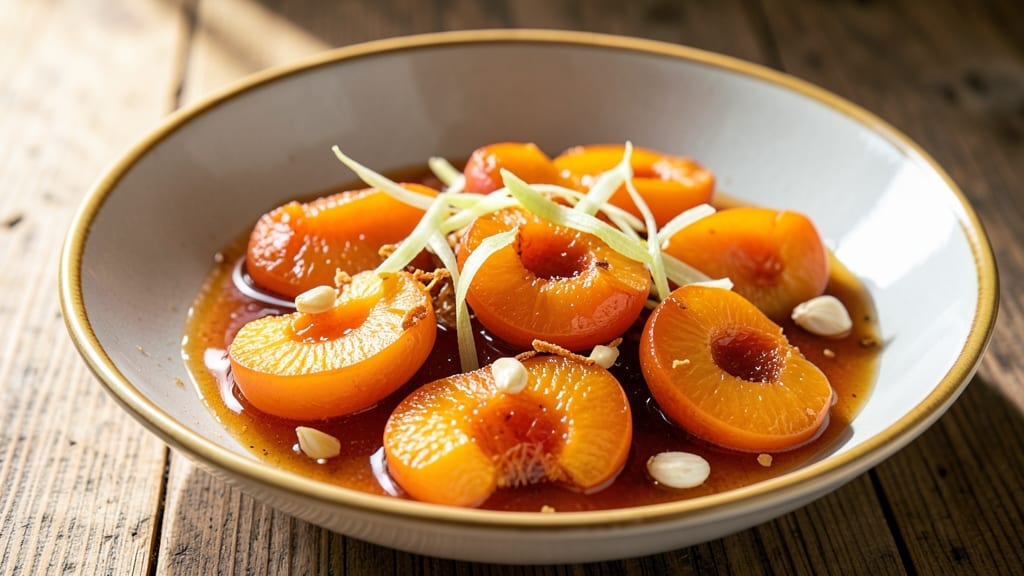
This apricot sweet and sour sauce transforms ordinary dishes into something extraordinary with its perfect balance of tart and sweet flavors. 💛 The secret lies in simmering fresh apricots with vinegar, sugar, and aromatic spices until the sauce reduces to a glossy, velvety consistency.
Unlike store-bought versions, this homemade glaze delivers vibrant fruit notes and a depth of flavor that elevates everything from grilled meats to stir-fried vegetables.
The recipe begins with fresh apricots (or high-quality dried ones) that caramelize beautifully as they simmer, releasing their natural sweetness while the vinegar adds a bright, tangy contrast. A touch of ginger and garlic deepens the flavor profile, making this sauce versatile enough for both savory and slightly sweet applications.
The process is simple—just chop, simmer, and reduce—but the result is a restaurant-quality glaze that’s far superior to anything you’d find in a jar.
What makes this sauce truly special is its ability to enhance a wide range of dishes. Drizzle it over grilled chicken or pork for a sticky, flavorful glaze, toss it with stir-fried vegetables for a bright, fruity finish, or even use it as a dip for appetizers.
The sauce thickens slightly as it cools, making it ideal for drizzling or spooning, and it keeps well in the refrigerator for up to two weeks, so you can make a big batch and enjoy it all week long.
With just a handful of ingredients and minimal effort, you’ll have a sauce that’s as impressive as it is delicious. The best part? It’s easy to customize—add a splash of orange juice for extra brightness or a pinch of chili flakes for a subtle kick.
Let’s get started on this versatile, crowd-pleasing glaze that will become a staple in your kitchen.
Ingredients for apricot sweet and sour sauce
Fresh apricots and vinegar create this vibrant sauce—sweet, tangy, and perfect for drizzling.
| Ingredient | Amount | Notes |
|---|---|---|
| Fresh Apricots 🍑 | 1 ½ lb | Pitted, sliced into quarters |
| White Vinegar 🍶 | ½ cup | White or apple cider |
| Granulated Sugar 🍚 | ½ cup | Light or dark brown works too |
| Fresh Ginger 🌿 | 1 tbsp | Finely grated, fresh preferred |
| Garlic Cloves 🧄 | 3 cloves | Minced or finely chopped |
| Red Wine Vinegar 🍷 | ¼ cup | For depth of flavor |
| Salt 🧂 | ½ tsp | Kosher or sea salt |
| Ground Black Pepper 🌶️ | ¼ tsp | Freshly ground preferred |
| Cornstarch 🌾 | 1 tbsp | For thickening, optional |
| Water 💧 | ¼ cup | For cornstarch slurry |
Fresh apricots are the star here, so pick ripe but firm ones—they should yield slightly to gentle pressure. Trader Joe's and local farmers markets often carry excellent varieties in summer. If using dried apricots, soak them in warm water for 15 minutes first to rehydrate. For the vinegars, white vinegar adds brightness, while red wine vinegar deepens the flavor—don’t skip both. The ginger and garlic are non-negotiable; they’re what give this sauce that restaurant-quality depth. Fresh ginger is best, but if you’re using dried, double the amount (though it won’t be quite the same).
No fresh apricots? High-quality dried apricots work in a pinch—just soak them first. Short on white vinegar? Apple cider vinegar or lemon juice can stand in, though the flavor will shift slightly. Want more complexity? A splash of orange juice or a pinch of chili flakes adds brightness or heat. The cornstarch is optional but helps thicken the sauce if you prefer it glossy and coatable. If you skip it, just simmer longer to reduce naturally. For a smoother texture, strain the sauce through a fine-mesh sieve after cooking.
This sauce tastes even better the next day as the flavors meld. Store it in an airtight container in the fridge for up to 2 weeks. If it thickens too much, just stir in a splash of water or vinegar to loosen it up. For longer storage, freeze in ice cube trays—perfect for single-use portions. The sauce is fantastic over grilled meats, stir-fries, or even as a dip for spring rolls. Make a double batch; you’ll want it on hand for everything from weeknight dinners to weekend BBQs.
Why You'll Love This Recipe
- No Chopping Needed: I swear by this trick—just pit and halve those apricots, no knife skills required. The vinegar and sugar do all the work while you’re busy stirring, and honestly? The sauce tastes like you slaved over it, even if it took 15 minutes.
- Bright & Tangy Magic: That first bite of fresh ginger and garlic hitting your tongue, then the burst of jammy apricot? It’s the kind of balance that makes you reach for seconds without thinking. The vinegar keeps it sharp, but the sugar rounds out the edge—like a hug in sauce form.
- Weeknight Dinner Hero: Drizzle it over grilled chicken, toss it with noodles, or use it as a glaze for fish—this sauce turns bland meals into something special. I keep a jar in my fridge for those nights when I don’t feel like cooking, and it always saves the day.
- Budget-Friendly Pantry Staple: Apricots are cheaper than you’d think, and the rest? Sugar, vinegar, ginger—things you already have. A big batch lasts me weeks, and I freeze extras in ice cube trays for quick drizzles later. (Yes, even on a Tuesday night.)
Step-by-step instructions for apricot sweet and sour sauce
Here's how to create a perfectly balanced sauce that shines on everything from grilled meats to stir-fries.
🍳 Step 1: Simmer Apricots Until Soft
In a medium saucepan, combine the 1.5 lb fresh apricots, 0.5 cup white vinegar, 0.5 cup granulated sugar, and 0.25 cup red wine vinegar. Bring to a boil over medium-high heat, then reduce to a gentle simmer. Let it cook uncovered for 10-12 minutes until the apricots break down and the mixture thickens slightly.
Here's where the magic happens—the apricots should soften enough to mash easily with a fork, but not turn into a puree. Stir occasionally to prevent sticking, and watch for the color to deepen to a rich amber. The sugar will start to dissolve completely, creating that perfect sweet-tart balance we're after.
👨🍳 Step 2: Add Aromatics and Seasonings
Once the apricots are tender, stir in the 1 tbsp finely grated fresh ginger and 3 minced garlic cloves. Cook for another 3-4 minutes until the garlic becomes fragrant and the ginger loses its raw bite. Add the 0.5 tsp salt and 0.25 tsp ground black pepper, stirring well to combine.
This is the moment that matters: the aromatics should be fully incorporated but not browned. You'll smell that perfect combination of sweet apricots, tangy vinegar, and warm spices. If you notice the mixture getting too thick too quickly, add 2-3 tablespoons of water to keep it flowing smoothly.
🥘 Step 3: Thicken the Sauce (Optional but Recommended)
In a small bowl, whisk together the 1 tbsp cornstarch and 0.25 cup water until smooth. Slowly pour this mixture into the simmering sauce while stirring constantly. Cook for 2-3 minutes until the sauce thickens to your desired consistency—it should coat the back of a spoon but still be pourable.
Real talk: the cornstarch slurry is what transforms this from a simple reduction to a proper glaze. If you skip it, you'll still have delicious sauce, but it'll be thinner and more suitable for drizzling rather than coating. For stir-fries, I prefer a slightly thicker consistency that clings beautifully to the ingredients.
⏰ Step 4: Cool and Adjust Seasoning
Remove the sauce from heat and let it cool for 10 minutes. Taste and adjust the balance—add more white vinegar if it's too sweet, or more granulated sugar if it's too tart. For extra depth, you can strain out any large apricot pieces if you prefer a smooth texture.
This cooling step is crucial because flavors mellow as the sauce rests. I like to give it a final taste after cooling to make sure the sweet and sour notes are perfectly harmonized. The sauce should be vibrant, glossy, and ready to elevate any dish you pour it over.
Pro Tips For Making Apricot Sweet And Sour Sauce
- Peel the Ginger: Use a microplane or the edge of a spoon to zest only the yellow part—no fibrous bits. I learned this the hard way after straining out a mouthful of stringy ginger in my first batch.
- Simmer Low and Slow: Reduce the sauce on medium-low heat for at least 15 minutes—high heat turns it grainy. Sounds counterintuitive, but rushing this step means you’ll end up with a gluey mess instead of a glossy sauce.
- Pit Those Apricots: Halve and remove the pits before cooking—trust me, you don’t want a bitter surprise. A butter knife works fine; no need for fancy tools.
- Balance the Vinegar: Start with 2 tablespoons of vinegar, then taste as you go. Too sharp? Add a pinch more sugar. Too sweet? A splash more vinegar. This isn’t a science experiment—adjust to your palate.
Pro cooking tips for this dish
Simmering Perfection
Start with fresh apricots—they're the heart of this sauce, so don't skimp on quality. I always use Trader Joe's or local market varieties when in season. Simmer them uncovered at medium heat for 10-12 minutes until they soften but don't break down completely.
This keeps texture while releasing sweetness. Stir occasionally to prevent sticking, and watch for that beautiful amber color—it signals the sugar is dissolving just right. 🍑
Aromatic Boost
Fresh ginger and garlic are non-negotiable for depth. Add them after the apricots soften and cook for just 3-4 minutes—this ensures they infuse flavor without burning. I like to use Penzeys spices for my ginger because their quality makes a noticeable difference.
If your sauce thickens too quickly, add 2-3 tablespoons of water to maintain a smooth consistency. The goal is a fragrant, balanced base before thickening.
Thickening Secrets
The cornstarch slurry is your secret weapon for that perfect glaze consistency. Whisk 1 tbsp cornstarch with ¼ cup water until smooth, then slowly pour into the simmering sauce. Stir constantly for 2-3 minutes until it reaches a coat-the-back-of-a-spoon thickness.
For stir-fries, I prefer this thicker version that clings beautifully. If you skip the cornstarch, you'll still have delicious sauce—just thinner and more suitable for drizzling.
Seasoning Balance
After cooling, taste and adjust the sweet-tart balance. Need more tang? Add ½ tsp white vinegar. Too tart? Stir in 1 tsp sugar. I often strain out apricot pieces for a silky texture, but leaving them adds rustic charm.
The sauce should be vibrant and glossy—ready to transform any dish. This adjustment step is where amateur sauces become restaurant-quality. 💡
Heat Control Tips
Never let the sauce boil vigorously after adding cornstarch—this creates lumps. Maintain gentle simmering at medium-low heat while stirring constantly. If you see small bubbles forming, you're on the right track. For extra shine, add 1 tsp honey during the final simmer.
The sauce will thicken more as it cools, so err on the thinner side if you're unsure—you can always thicken it later with more cornstarch slurry.
Equipment Essentials
Use a medium saucepan with sloped sides for easy stirring. A wooden spoon prevents scratching the pan. For straining, a fine-mesh sieve works best. I keep a small bowl nearby to catch any seeds or large fruit pieces.
If you're making a big batch, consider using a heavy-bottomed pot to prevent scorching. The right tools make all the difference in achieving that perfect, glossy finish. ✨
Nutrition facts
Frequently asked questions
Can I use dried apricots instead of fresh?
Yes! Soak 1 cup dried apricots in warm water for 15 minutes first to rehydrate them. Drain well before using in the recipe. The texture will be slightly different but still delicious. For best results, use high-quality dried apricots without added sugars.
How do I adjust the sweetness or tartness?
After cooling, taste and adjust gradually. For more tartness, add ½ tsp white vinegar at a time. To sweeten, stir in 1 tsp sugar until balanced. The sauce should have a perfect harmony of both flavors. For extra depth, a pinch of cinnamon or cardamom works beautifully.
What's the best way to store leftover sauce?
Transfer to an airtight container and refrigerate for up to 2 weeks. If it thickens too much, stir in 1-2 tsp water or vinegar to loosen. For longer storage, freeze in ice cube trays—perfect for single-use portions. The sauce actually improves after 24 hours as flavors meld.
Can I make this sauce without cornstarch?
Simmer uncovered for 15-20 minutes longer to reduce naturally. For stir-fries, this thinner version works great as a drizzle. If you prefer thickness, try 1 tsp arrowroot powder mixed with water instead—it's gluten-free and works similarly. The texture will just be slightly less glossy.
What are the best dishes to use this sauce with?
This versatile glaze shines on grilled chicken or pork, stir-fried vegetables, and rice dishes. Drizzle over spring rolls or use as a dip for appetizers. For dessert, try spooning it over vanilla ice cream or panna cotta—the sweet-tart combo works surprisingly well!