
Sauces & Condiments
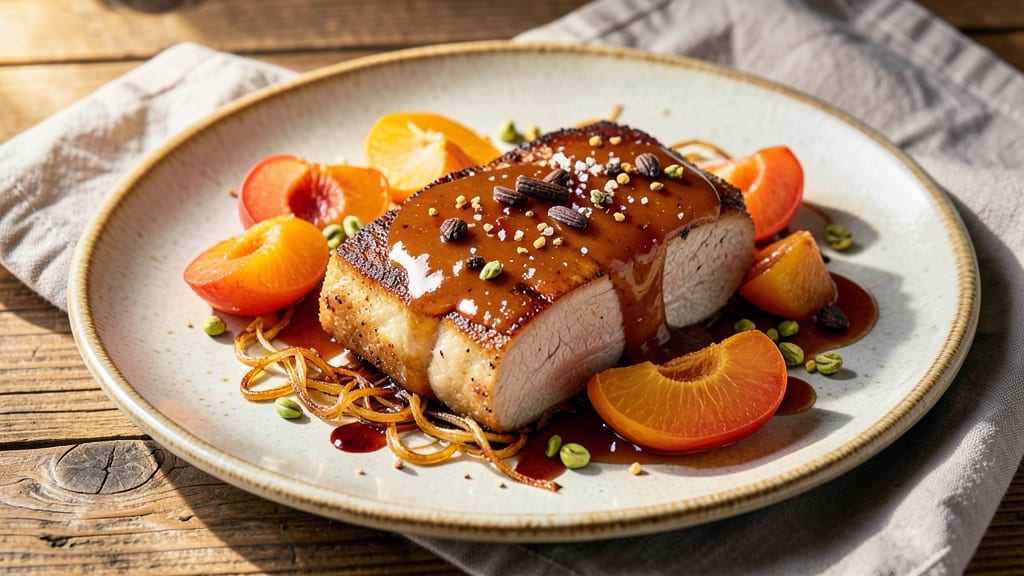
This apricot pork sauce recipe transforms ordinary pork into a showstopper with its perfect balance of sweet, tangy, and smoky flavors. 🔥 After years of perfecting this glaze—especially for my heritage pork—it’s become a staple in my kitchen. The key lies in simmering dried apricots with spices until they break down into a rich, caramelized sauce that clings beautifully to meat.
The process is straightforward but requires patience: dried apricots steep in vinegar and spices, then reduce with sugar until thick and glossy. This sauce isn’t just for glazing—it’s a marinade, dipping sauce, or even a finishing drizzle.
The acidity from vinegar cuts through the pork’s richness, while cinnamon and cloves add warmth that complements the natural sweetness.
What you’ll achieve is a glossy, restaurant-quality glaze that caramelizes pork edges to golden perfection while keeping the meat tender inside. The sauce thickens naturally as it reduces, creating a silky texture that coats every bite.
It’s the kind of sauce that makes pork taste like it’s been slow-smoked for hours—even if it’s just roasted.
Store any leftovers in the fridge for up to 2 weeks, or freeze for 3 months. This versatile sauce works with ribs, chops, or even pulled pork—just reheat gently to restore its glossy finish. Let’s make it!
Ingredients for apricot sauce recipe for pork
Sweet, tangy, and perfectly balanced—these ingredients create a sauce that transforms pork into a showstopper.
| Ingredient | Amount | Notes |
|---|---|---|
| Dried Apricots 🍑 | 1 cup | Chopped into small pieces |
| Red Wine Vinegar 🍷 | ½ cup | For tangy depth |
| Granulated Sugar 🍚 | ½ cup | Light brown preferred |
| Ground Cinnamon 🌿 | 1 tsp | Freshly ground preferred |
| Ground Cloves 🌶️ | ½ tsp | Whole cloves crushed |
| Ground Ginger 🌿 | ½ tsp | Freshly grated works too |
| Salt 🧂 | ½ tsp | Kosher or sea salt |
| Extra-Virgin Olive Oil 🫒 | 2 tbsp | For richness and gloss |
| Garlic Cloves 🧄 | 2 cloves | Minced for depth |
| Water 💧 | ¼ cup | For thinning if needed |
The dried apricots are the star here. Look for organic or high-quality dried fruit at stores like Whole Foods or Trader Joe's—they hold their texture better. Chop them into small, even pieces so they break down evenly during simmering. The red wine vinegar adds that critical tang—don't skimp on quality here. Bartles & Jaymes or Bragg are solid choices. Freshly ground spices make all the difference, so if you're using whole cloves or cinnamon sticks, toast them first for deeper flavor. The olive oil isn't just for richness—it helps create that glossy finish that makes the sauce look restaurant-quality.
No dried apricots? Dried plums or dates work in a pinch, though the flavor will differ slightly. Short on vinegar? Apple cider vinegar at the same amount keeps the tang. The sugar can be swapped for maple syrup or agave, but reduce the amount by about 15% since they're sweeter. Want more heat? Add a pinch of cayenne. The garlic can be roasted for a sweeter flavor—just wrap the whole cloves in foil and roast at 400°F for 10 minutes. If your sauce gets too thick, add water one tablespoon at a time until it reaches the perfect consistency for glazing.
This sauce keeps beautifully in the fridge for 2 weeks in a sealed jar, though it's best used within 10 days. For longer storage, freeze in ice cube trays—perfect for single-use portions. The sauce reheats well, but do it gently over low heat to preserve that glossy finish. I always make extra because it's so versatile—drizzle it over pork chops, use it as a marinade, or even serve it as a dipping sauce. The flavors actually improve as it sits, so don't be afraid to make a big batch.
Why You'll Love This Recipe
- Same sauce, endless uses: glaze for pork chops, drizzle over roasted potatoes, or toss with farro for a quick salad. I’ll be real—it’s my go-to for lazy Tuesdays, but it also impresses when I’m hosting because it’s so much better than what you’d order out.
- Pantry Magic: I swear by this one—no fresh herbs, no fancy prep. Just dried apricots soaked in warm water, a splash of vinegar, and a pinch of spices while I chop the pork. Five minutes of hands-off simmering, and you’ve got a sauce that tastes like it spent hours in a restaurant kitchen.
- Sweet-Savory Magic: That first bite? The caramelized sugar and cloves wrap around the pork like a warm hug, while the vinegar cuts through the richness—just enough to make it addictive. Honestly, I’ve tried store-bought sauces, but this one’s the only one that doesn’t taste like a shortcut.
- Weeknight to Dinner Party: Same sauce, endless uses: glaze for pork chops, drizzle over roasted potatoes, or toss with farro for a quick salad. I’ll be real—it’s my go-to for lazy Tuesdays, but it also impresses when I’m hosting because it’s so much better than what you’d order out.
Step-by-step instructions for apricot pork sauce
This sweet-tangy glaze transforms simple pork into something extraordinary—here's how to make it shine.
🍳 Step 1: Simmer the Apricots and Vinegar
In a medium saucepan, combine the 1 cup dried apricots and 0.5 cup red wine vinegar. Bring to a boil over medium-high heat, then immediately reduce to a simmer. Let it cook uncovered for 10-12 minutes until the apricots soften and break down, releasing their jammy goodness. You'll see the mixture thicken slightly and develop a rich, fruity aroma—this is where all the flavor starts.
Here's the thing—don't walk away. Stir occasionally to prevent sticking, and watch for the color to deepen into a warm amber hue. If it reduces too quickly, add 1-2 tablespoons of water to keep it moving. The apricots should be completely tender, almost mushy, when ready. This step builds the sauce's base flavor, so take your time.
👨🍳 Step 2: Sweeten and Spice the Mixture
Once the apricots are soft, stir in the 0.5 cup granulated sugar, 1 teaspoon ground cinnamon, 0.5 teaspoon ground cloves, 0.5 teaspoon ground ginger, and 0.5 teaspoon salt. Mix well to dissolve the sugar completely—this ensures even distribution of sweetness and warmth throughout the sauce. The spices will infuse deeply as they simmer, creating layers of complex flavor.
Return the heat to medium and let the mixture simmer for another 8-10 minutes, stirring occasionally. You're looking for the sugar to fully incorporate and the spices to bloom. The sauce should thicken noticeably and develop a glossy sheen. If it starts to stick to the bottom of the pan, add 1 tablespoon of water at a time until it loosens. This is where the magic happens—the sweet, spiced apricot compote transforms into a luscious base for the glaze.
🔥 Step 3: Add Garlic and Olive Oil for Depth
While the sauce simmers, mince the 2 garlic cloves finely—you want them almost paste-like to ensure even distribution. Once the spices are well incorporated, stir in the garlic and 2 tablespoons extra-virgin olive oil. The garlic should sizzle slightly as it hits the hot pan, releasing its aromatic oils. This adds a savory depth that balances the sweetness perfectly.
Simmer for another 5 minutes on medium-low heat, stirring frequently. The olive oil helps emulsify the sauce, giving it a silky texture that clings beautifully to pork. You'll notice the sauce darken slightly and thicken further—this is the caramelization starting to build. If the sauce becomes too thick, add 1 tablespoon of water to reach your desired consistency. The goal is a glossy, coatable glaze, not a thick paste.
⏰ Step 4: Reduce to Glossy Perfection
Lower the heat to low and let the sauce simmer gently for 10-15 minutes, stirring occasionally. This final reduction concentrates the flavors and allows the sugars to caramelize, deepening the color to a rich, amber hue. You're looking for a sauce that coats the back of a spoon but still flows smoothly—it should be thick enough to cling to pork but thin enough to drizzle.
Taste and adjust the seasoning if needed. You might need a pinch more salt or sugar to balance the sweet-tangy profile. The sauce should be sweet enough to caramelize the edges of pork but still have enough acidity from the vinegar to cut through the richness. Once you're happy with the flavor, remove from heat and let it cool slightly. This resting period allows the flavors to meld even more, resulting in a sauce that's even more cohesive and delicious.
Pro Tips For Making Apricot Sauce Recipe For Pork
- SOAK THE APRICOTS FIRST: Dried apricots love a good soak—toss them in warm water for 20 minutes before cooking. This keeps them from turning into raisins and releases their natural sweetness properly. (I used to skip this and ended up with a sauce that tasted like overcooked fruit leather.)
- STIR CONSTANTLY AT LOW HEAT: This sauce burns faster than you’d think. Keep the heat at a gentle simmer and stir every 30 seconds once the sugar starts dissolving. My first attempt charred the bottom—now I watch it like a hawk.
- USE A SPLASH OF WATER: If the sauce thickens too fast, add 1-2 tablespoons of water to loosen it. The spices need room to bloom, and forcing it will make the sauce grainy. (Yes, even if you’re impatient like me.)
- TOAST THE SPICES FIRST: Lightly toast the cinnamon and cloves in a dry pan for 30 seconds before adding them to the sauce. This deepens their flavor without overpowering the apricot’s natural sweetness. I learned this the hard way—raw spices just don’t cut it.
Best sauces and condiments for this dish
Glazing Pork Chops
This apricot sauce transforms simple pork chops into a restaurant-worthy dish. Brush 2-3 tablespoons of sauce onto each side and grill or pan-sear over medium-high heat for 4-5 minutes per side until golden and caramelized.
The sauce's natural stickiness creates that perfect glossy crust while keeping the meat tender inside. I love finishing with a sprinkle of toasted sesame seeds for texture. 🔥
Marinating Ribs
For ribs, use the sauce as a marinade by coating them generously and letting them sit for 2-4 hours in the fridge. The acidity in the vinegar tenderizes the meat while the spices infuse deeply.
Baste the ribs with extra sauce during the last 30 minutes of cooking for maximum flavor. My go-to method is smoking them low and slow at 225°F until they reach 195°F internal temperature.
Dipping Sauce
Serve this sauce warm as a dipping sauce for spring rolls or dumplings—it pairs beautifully with pork-based dishes. Thin it slightly with 1-2 tablespoons of water if needed for easier dipping.
Garnish with fresh mint leaves or cilantro for a bright contrast. This is especially popular at my farm-to-table dinners where we serve Asian-inspired pork dishes.
Finishing Drizzle
For a quick upgrade, drizzle the sauce over roasted pork tenderloin in the final minutes of cooking. The high heat caramelizes the sugars instantly, creating a stunning presentation.
I often use this technique when serving pork at outdoor gatherings—it takes minutes to prepare but makes the dish look like you spent hours in the kitchen. 💫
Storage Tips
Store any leftover sauce in an airtight container in the fridge for up to 2 weeks, or freeze in ice cube trays for single-use portions. To reheat, warm gently over low heat and add a splash of water if it thickens too much.
The sauce actually improves with time as the flavors meld together—this is why I always make extra batches.
Nutrition facts
Frequently asked questions
Can I use fresh apricots instead of dried?
Fresh apricots won't work the same way—they contain too much water and won't break down properly during simmering. For a similar flavor, try dried plums or dates, but expect a slightly different sweet-tart balance. If you're determined to use fresh, you'd need to reduce them much longer with added sugar to compensate for their moisture content.
How do I prevent the sauce from getting too thick?
If your sauce thickens too much, simply add 1 tablespoon of water at a time while simmering. Stir well and let it reduce again before adding more. The key is patience—don't rush the reduction process. For extra insurance, keep a small bowl of water nearby to thin as needed. The sauce should coat the back of a spoon but still flow smoothly.
What's the best way to store leftovers?
Store in an airtight container in the fridge for up to 2 weeks, or freeze in ice cube trays for single-use portions. To reheat, warm gently over low heat and add a splash of water if needed. The sauce actually tastes better after resting as flavors meld together—this is why I always make extra batches!
Can I make this sauce without sugar?
You can reduce the sugar to 1/4 cup or use a sugar substitute like monk fruit sweetener, but the sauce won't caramelize as beautifully. The sugar is crucial for that glossy finish and balanced sweet-tart profile. If you're concerned about sugar content, try reducing the amount slightly (to 1/3 cup) while increasing the vinegar by 1 tablespoon to maintain acidity.
How can I use this sauce with lean pork cuts?
Lean cuts like tenderloin or chops need extra moisture to prevent drying out. Brush the sauce on during the last 10 minutes of cooking, not before. For extra richness, add 1 tablespoon of butter to the sauce when reheating. The high heat will caramelize the sugars beautifully while keeping the meat juicy inside.