
Sauces & Condiments
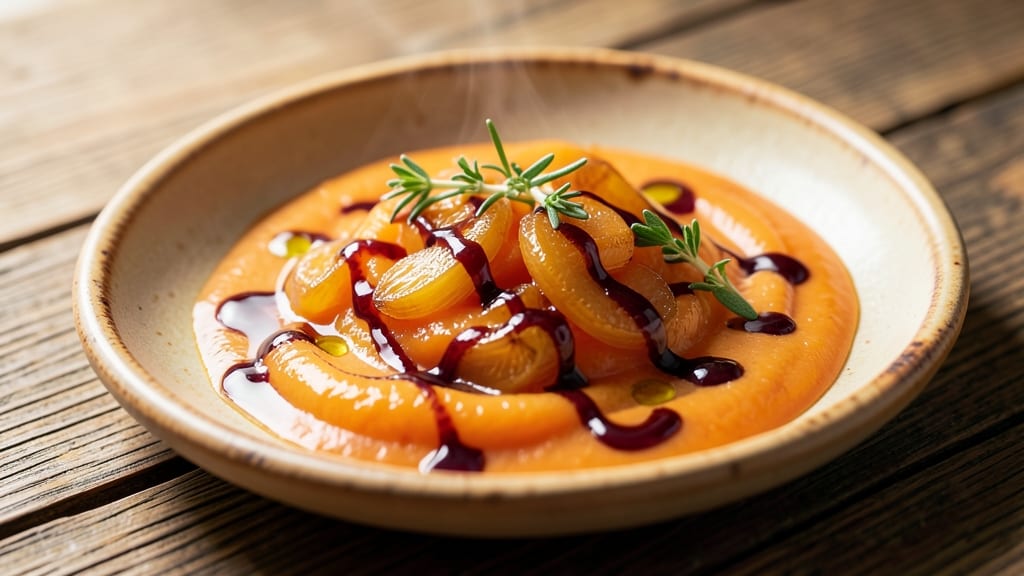
This apricot shallot sauce recipe transforms simple ingredients into a luxurious sweet-tart glaze that elevates everything from grilled meats to roasted vegetables. The balance of caramelized shallots and ripe apricots creates depth that turns ordinary dishes into restaurant-worthy creations.
I developed this sauce after years of testing—it’s the perfect harmony of fruit, acidity, and umami that lingers on the palate.
The foundation starts with finely diced shallots, slowly caramelized until golden and fragrant, then combined with apricot purée for natural sweetness. A touch of balsamic vinegar adds brightness, while a pinch of thyme ties everything together.
The sauce reduces to a thick, glossy consistency, ideal for drizzling or brushing—no blending required. What makes this recipe stand out is its versatility: it works as a glaze for chicken, a drizzle for goat cheese, or even a dessert topping.
What you’ll end up with is a sauce that’s rich yet balanced, with layers of flavor that develop even better after resting. The caramelized shallots add complexity, while the apricots bring natural sweetness that doesn’t overpower.
This isn’t just a sauce—it’s a game-changer for any dish you want to elevate. The best part? It keeps well in the fridge for up to a week, so you can make a batch and use it all week long.
Perfect for weeknight dinners or special occasions, this sauce comes together in under 30 minutes with minimal effort. Whether you’re grilling, roasting, or simply looking to add depth to a plate, this apricot shallot sauce will become your go-to. Let’s get started—your taste buds will thank you.
Ingredients for apricot shallot sauce
Nine ingredients transform into a luxurious sauce that turns ordinary dishes into showstoppers.
| Ingredient | Amount | Notes |
|---|---|---|
| Shallots 🧅 | 1 ½ cups | Finely diced, yellow or red |
| Apricot Purée 🍑 | 1 cup | Unsweetened, homemade or quality jarred |
| Balsamic Vinegar 🍷 | ¼ cup | Aged 10+ years for depth |
| Fresh Thyme Leaves 🌿 | 1 tbsp | Or 1 tsp dried thyme |
| Extra-Virgin Olive Oil 🫒 | ½ cup | High-quality, fruity variety |
| Apple Cider Vinegar 🍎 | 1 tbsp | For brightness and balance |
| Granulated Sugar 🍚 | 1 tbsp | Optional, adjust to taste |
| Salt 🧂 | ½ tsp | Diamond Crystal preferred |
| Freshly Ground Black Pepper 🌶️ | ¼ tsp | Freshly cracked for aroma |
Shallots are the flavor foundation—look for firm, dry bulbs with papery skins. Whole Foods or local markets often carry the best quality, but any grocery store shallots work. Dice them uniformly (about 1/8-inch pieces) for even caramelization. The apricot purée should be unsweetened—Trader Joe's or Muir Glen brands are my go-tos. Fresh thyme is ideal, but dried works in a pinch if you adjust to taste. The olive oil matters here: California extra-virgin adds that fruity depth that cheap oils miss.
No aged balsamic? Red wine vinegar plus 1 tsp sugar mimics the complexity. Substitute apricot purée with peach purée or mango purée for a tropical twist. Running low on thyme? Rosemary at half the amount gives a piney contrast. The sugar is optional—skip it if your apricot purée is already sweet. For a richer sauce, add 1 tbsp butter at the end (stir until melted). The sauce thickens as it cools, so if it's too thin, simmer uncovered for 2-3 minutes to reduce.
This sauce develops deeper flavor overnight—make a double batch and store in the fridge. Keeps for up to 1 week in an airtight jar, or 3 months frozen in ice cube trays. To reheat, warm gently in a saucepan over low heat, stirring occasionally. The texture should be glossy and thick—like a cross between a glaze and a coulis. Drizzle over grilled chicken, spoon onto roasted carrots, or swirl into yogurt for a dessert surprise.
Why You'll Love This Recipe
- Five-Ingredient Magic: I swear by this one—just shallots, apricot purée, balsamic, thyme, and olive oil. No fancy techniques, no last-minute grocery runs. Honestly, I keep all the ingredients stocked just for this.
- Sweet-Savory Balance: That first spoonful of caramelized shallots with apricot’s jammy sweetness? It’s like a hug for your taste buds. The balsamic ties it all together—tart, rich, and impossible to resist.
- Weeknight to Dinner Party: Slather it on grilled chicken, drizzle over roasted veggies, or toss with pasta. It’s my go-to for busy nights and when I’m trying to impress—no one ever guesses how easy it was.
- Leftovers That Don’t Suck: Make a double batch and store it for up to a week. The flavors only deepen, and it’s cheaper than buying pre-made sauces. (Yes, even on a Tuesday night.)
Step-by-step instructions for apricot shallot sauce
This sweet-tart glaze comes together beautifully with just a few simple techniques.
Sauté the Shallots Until Golden
Heat the 0.5 cup Extra-Virgin Olive Oil in a medium saucepan over medium-low heat. Add the 1.5 cups Shallots and cook, stirring occasionally, for 10-12 minutes until they become translucent and begin to caramelize at the edges. You'll know they're ready when they develop a soft golden color and release a sweet, aromatic fragrance.
Here's the thing—I like to press down gently on the shallots with a wooden spoon during the last few minutes of cooking. This helps them release more moisture and caramelize more evenly. If they start to stick, add a splash of water and scrape up any browned bits from the bottom of the pan. Those flavorful bits are pure gold for this sauce.
Add Vinegars and Sugar for Depth
Once the shallots are golden, increase the heat to medium and add the 0.25 cup Balsamic Vinegar and 1 tbsp Apple Cider Vinegar. Stir well to combine, and let the mixture simmer for 3-4 minutes until the vinegars reduce by about half and the sauce begins to thicken slightly. The aroma will become more complex as the vinegars mellow and blend with the caramelized shallots.
Next, stir in the 1 tbsp Granulated Sugar and let it dissolve completely. This step is crucial for balancing the sweetness and acidity. If you're using dried thyme instead of fresh, add it now along with the sugar. The mixture should smell rich and inviting—like a perfect balance of sweet, tart, and herbal notes.
Incorporate Apricot Purée and Seasonings
Reduce the heat to low and gradually whisk in the 1 cup Apricot Purée. Start with a small amount and whisk continuously to prevent the sauce from curdling. Once fully incorporated, add the remaining apricot purée. The sauce should begin to thicken as it simmers gently for 5-7 minutes, until it reaches a glossy, syrupy consistency.
Stir in the 1 tbsp Fresh Thyme Leaves, 0.5 tsp Salt, and 0.25 tsp Freshly Ground Black Pepper. Taste and adjust the seasoning if needed—you might want to add a pinch more salt or sugar to achieve the perfect balance of sweetness and acidity. The sauce should coat the back of a spoon smoothly, with a vibrant color that ranges from deep amber to rich ruby.
Simmer to Perfect Consistency
Continue simmering the sauce over low heat for an additional 5-8 minutes, stirring occasionally, until it reaches your desired thickness. You're aiming for a sauce that's glossy and coats a spoon but isn't so thick that it becomes syrupy or cloying. The ideal consistency should be somewhere between a thin glaze and a thick syrup—just thick enough to cling beautifully to meats or vegetables.
If the sauce is too thick, whisk in 1-2 tablespoons of water at a time until it reaches the right consistency. If it's too thin, simmer it uncovered for an extra minute or two to reduce it further. Remember, the sauce will thicken slightly as it cools, so it's better to err on the side of being a bit thinner when you remove it from the heat.
Pro Tips For Making Apricot Shallot Sauce
- Sweat Shallots Slow: Low and slow is the only way—cover the pan and let them soften for 8-10 minutes before adding the apricot purée. I used to rush this, and the sauce always tasted raw. Patience here makes all the difference.
- Mince Shallots Fine: Tiny, even pieces caramelize faster and blend smoother. Use a sharp knife and chop them into matchsticks first, then mince—no one wants to taste chunks in their sauce. (Yes, even if you’re impatient like me.)
- Taste Early, Taste Often: Add the balsamic vinegar and thyme before the final simmer, then taste. The sauce should balance sweet, tangy, and herbal—adjust while it’s hot, not after. I learned this the hard way when I ended up with a one-note glaze.
- Whisk in Purée Gradually: Drizzle the apricot purée into the pan in thin streams while stirring constantly. Dumping it all at once can make the sauce seize up—thin it with a splash of water if needed. This isn’t the prettiest method, but it’s the tastiest.
Make-ahead tips for this apricot shallot sauce
Batch Prep Essentials
Double the recipe and store the extra sauce in a clean glass jar with an airtight lid. I like to use Le Parfait jars—they’re sturdy and fit perfectly in the fridge.
The sauce actually improves overnight as flavors meld, so making a batch ahead ensures you’re always ready for last-minute meals. 🌟
Freezer-Friendly Tips
For long-term storage, freeze the sauce in ice cube trays. Once frozen, transfer the cubes to a freezer bag and flatten to save space. Thaw overnight in the fridge before using—no microwave needed. The texture remains glossy and perfect for drizzling. Label with the date to track freshness.
Reheating Perfection
To reheat, pour the sauce into a small saucepan and warm over low heat for 3-5 minutes, stirring constantly. Avoid high heat—it can make the sauce grainy.
If it thickens too much, whisk in 1 teaspoon water at a time until smooth. This method preserves the sauce’s natural gloss and depth.
Versatile Uses
This sauce isn’t just for meats—use it as a glaze for roasted vegetables, a drizzle for goat cheese plates, or even a dessert topping for vanilla ice cream.
The caramelized shallots add complexity that elevates every application. I’ve even used it as a marinade for chicken thighs, and the results are incredible. 💫
Long-Term Storage
In the fridge, the sauce keeps for up to 1 week in an airtight container. For longer storage, freeze for up to 3 months. The key is to store it in a non-reactive container (like glass) to prevent flavor transfer.
Always let it cool completely before refrigerating or freezing to avoid condensation.
Flavor Boost Tricks
Want to enhance the sauce later? Add 1 teaspoon balsamic glaze or a pinch of smoked paprika when reheating for extra depth. For a citrus twist, stir in 1 teaspoon lemon zest. These tweaks keep the sauce exciting even after multiple uses. The possibilities are endless! ✨
Nutrition facts
Frequently asked questions
Can I use fresh apricots instead of purée?
Yes, but you'll need to peel, pit, and chop 4-5 ripe apricots and simmer them with the shallots until soft (8-10 minutes). Blend them into a smooth purée before adding to the sauce. Fresh apricots add a brighter fruit flavor but require more prep time.
How do I adjust the sweetness if my apricots are tart?
Add 1 extra teaspoon of sugar per cup of purée to balance tartness. For extra depth, stir in 1/2 teaspoon of honey at the end. Taste as you go—this sauce should have a sweet-tart harmony, not overpowering sweetness.
Can I make this sauce in a slow cooker?
Sauté the shallots in a skillet first, then transfer everything to a slow cooker on low for 3-4 hours. Stir occasionally and add water 1 tbsp at a time if it gets too thick. The slow cooker method enhances caramelization and deepens flavors. Perfect for hands-off prep!
What's the best way to store leftovers?
Transfer cooled sauce to an airtight glass jar and refrigerate for up to 1 week. For longer storage, freeze in ice cube trays (thaw in fridge overnight). The sauce thickens when chilled—whisk in 1 tsp water when reheating. Glass containers preserve flavor best.
Why did my sauce turn grainy?
Graininess usually means the sauce reduced too much or cooled too quickly. To fix it, whisk in 1-2 tsp warm water and reheat gently over low heat while stirring constantly. Prevent it by keeping heat low and consistent during simmering. The ideal texture should be smooth and glossy.