
Sauces & Condiments
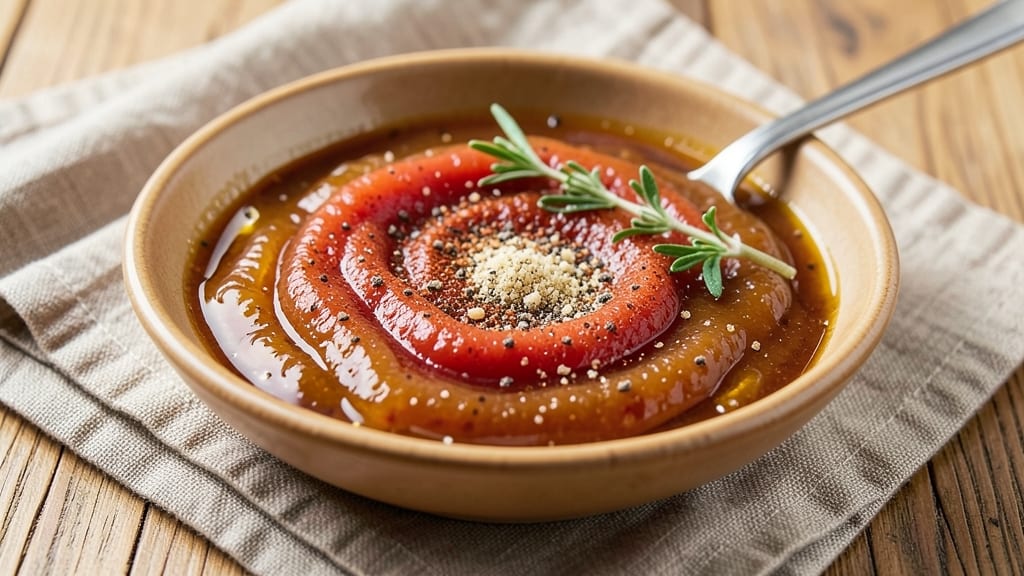
This apricot jam BBQ sauce transforms grilling into a sweet-tart experience that caramelizes beautifully on the grill. The fusion of apricot jam and smoky spices creates a glaze that's rich, balanced, and packed with depth—far beyond store-bought versions.
I developed this recipe after craving a sauce that could stand up to bold flavors while adding a touch of fruity brightness.
The secret lies in simmering apricot jam with vinegar and tomato paste until the flavors meld into a velvety, slightly sticky consistency. Smoked paprika and garlic powder add warmth, while a hint of chili flakes (optional) introduces just enough heat to complement the sweetness.
This sauce isn't just for grilling—it excels as a marinade, dipping sauce, or even a glaze for roasted vegetables.
What sets this recipe apart is its versatility. Use it on ribs, chicken, or pork for a caramelized crust that crackles with every bite, or drizzle it over grilled corn for a sweet-tart twist.
The sauce thickens as it cooks, so you can adjust the consistency by adding water or simmering longer. Store it in the fridge for up to two weeks, or freeze for longer shelf life.
Perfect for summer cookouts or weeknight grilling, this sauce delivers restaurant-quality results with minimal effort. The blend of sweet, tangy, and smoky flavors creates a glaze that's impossible to resist. Let's get cooking!
Ingredients for apricot jam bbq sauce
Nine essential ingredients for a restaurant-quality apricot jam BBQ sauce that caramelizes perfectly on the grill.
| Ingredient | Amount | Notes |
|---|---|---|
| Apricot Jam 🍑 | 1 cup | High-quality, unsweetened preferred |
| Tomato Paste 🍅 | 2 tbsp | Squeeze tube or canned, unsalted |
| Apple Cider Vinegar 🍏 | ½ cup | For tangy balance, not white vinegar |
| Smoked Paprika 🌶️ | 1 tbsp | For deep smoky flavor, not sweet |
| Garlic Powder 🧄 | 1 tsp | Freshly ground preferred |
| Ground Black Pepper 🌶️ | ½ tsp | Freshly cracked for intensity |
| Chili Flakes 🔥 | ½ tsp | Optional for subtle heat |
| Granulated Sugar 🍚 | 1 tbsp | Adjusts sweetness if needed |
| Water 💧 | ¼ cup | For thinning if needed |
| Extra-Virgin Olive Oil 🫒 | 1 tbsp | For richness and finishing |
The apricot jam is the foundation—look for unsweetened varieties at specialty stores like Whole Foods or Trader Joe's for the best balance of fruit and natural sweetness. Smoked paprika is non-negotiable; Penzeys brand delivers the deepest smoky flavor without overpowering. For tomato paste, San Marzano canned or squeeze tubes from Trader Joe's work perfectly—they're concentrated and unsalted, giving you more control over seasoning. Apple cider vinegar adds that essential tang, so don't substitute with white vinegar unless you're prepared for a sharper flavor profile. If you're sensitive to heat, omit the chili flakes entirely—they're optional but add a subtle kick that complements the sweetness beautifully.
No smoked paprika? Substitute with liquid smoke (1/4 tsp) plus an extra 1/4 tsp sweet paprika for a similar effect, though the flavor won't be identical. Running low on apple cider vinegar? Balsamic vinegar at half the amount works in a pinch, but it will alter the sauce's balance slightly. The sauce thickens as it cooks, so if you prefer a thinner consistency, add water in 1-tbsp increments while simmering. For a quicker version, you can reduce the water to 2 tbsp and adjust to taste at the end. The olive oil at the finish isn't just for richness—it adds a silky texture that makes the sauce cling beautifully to grilled meats.
This sauce thickens further as it sits, so store it in a glass jar with a tight seal in the fridge for up to 2 weeks. For longer storage, freeze in ice cube trays—perfect for single-use portions. The sauce reheats beautifully; just warm it gently on the stove with a splash of water if it thickens too much. Leftovers on the grill? No problem—simply reheat and brush on fresh. The flavors actually deepen over time, making this an ideal make-ahead sauce for summer cookouts. Portion into small containers if you're prepping for a crowd—it disappears fast!
Why You'll Love This Recipe
- Pantry Magic: I swear by this one—just 5 ingredients, no fancy tools. The jam and vinegar do all the work while you stir.
- Sweet-Smoky Balance: That apricot jam gives it a tangy sweetness, but the smoked paprika? It turns it into something totally unexpected—like a BBQ sauce you didn’t know you needed.
- Weeknight & Weekend: Slather it on grilled chicken for a quick dinner or drizzle it over baked beans for a lazy Sunday. It’s the kind of sauce that works everywhere without trying too hard.
- No-Waste Winner: A little goes a long way, and the leftovers? They keep for weeks in the fridge. Honestly, I’ve had this sitting around for months—still just as good.
Step-by-step instructions for apricot jam BBQ sauce
This sauce delivers a perfect balance of sweet and tangy—ideal for grilling or basting.
Combine Base Ingredients in a Saucepan
In a medium saucepan, combine the 1 cup apricot jam, 2 tablespoons tomato paste, 0.5 cup apple cider vinegar, and 1 tablespoon granulated sugar. Stir over medium heat until the mixture reaches a gentle simmer, which should take about 3-4 minutes. The sugar will help round out the tartness of the vinegar while the tomato paste adds depth.
Watch closely as the mixture begins to bubble—this is when the flavors start to meld. If the sauce thickens too quickly, add 1-2 tablespoons of the 0.25 cup water to keep it smooth. The goal is a thick, pourable consistency that will caramelize beautifully on the grill later. Don't rush this step; letting the base cook evenly ensures a cohesive sauce.
Add Spices and Simmer for Depth
Reduce the heat to low and stir in the 1 tablespoon smoked paprika, 1 teaspoon garlic powder, 0.5 teaspoon ground black pepper, and 0.5 teaspoon chili flakes. Let the sauce simmer for 5-7 minutes, stirring occasionally, until the spices are fully incorporated and the mixture thickens slightly. The smoked paprika will infuse a rich, woodsy aroma, while the garlic and chili add layers of complexity.
You'll notice the sauce darkening slightly as it reduces—this is normal and indicates the flavors are developing. If the sauce becomes too thick before the spices meld, add more of the 0.25 cup water, 1 tablespoon at a time, until it reaches a glossy, medium-thick consistency. The sauce should coat the back of a spoon but still flow freely. This balance is key for both basting and caramelizing on the grill.
Finish with Olive Oil and Adjust Consistency
Remove the saucepan from heat and stir in the 1 tablespoon extra-virgin olive oil. This step adds richness and helps the sauce cling better to meats. Let the sauce rest for 5 minutes—this allows the flavors to settle and the texture to stabilize. Taste and adjust seasoning if needed; you may want to add a pinch more black pepper or chili flakes for heat, or a touch more sugar to balance the tang.
The olive oil also enhances the sauce's glossy finish, making it more appealing and ensuring it caramelizes beautifully when exposed to high heat. If the sauce is still too thick after resting, thin it with a splash of water or apple cider vinegar until it reaches a consistency that's ideal for basting—thick enough to coat but fluid enough to drip and caramelize. Transfer the sauce to a clean jar or bowl and let it cool slightly before using.
Test and Perfect the Caramelization
For best results, use the sauce immediately or store it in an airtight container in the refrigerator for up to 1 week. When ready to use, reheat the sauce gently over low heat, stirring occasionally, until it reaches a smooth, pourable consistency. The sauce is designed to caramelize beautifully on the grill, so apply it generously to meats like ribs, chicken, or pork, basting frequently for a glossy, sticky finish.
For extra caramelization, brush the sauce onto the meat in the last 5-10 minutes of grilling. The high heat will transform it into a sticky, sweet-tart glaze that clings perfectly. If the sauce thickens too much while reheating, thin it with a splash of water or apple cider vinegar to maintain the ideal consistency. Serve immediately for the best texture and flavor—this sauce is at its peak when fresh and warm.
Pro Tips For Making Apricot Jam Bbq Sauce
- Simmer Slow and Steady: This isn’t a race—low heat for 20-30 minutes lets the apricot jam’s natural sweetness meld with the tomato paste without burning. I used to rush it, and the sauce ended up tasting like caramelized sugar and nothing else. Let it bubble gently, and you’ll get that deep, balanced flavor.
- Warm the Jam First: Cold apricot jam clumps like glue when you toss it in hot liquid. Microwave it for 10-15 seconds or warm it in a small saucepan until it’s loose and pourable. Trust me, your sauce will be smoother and less likely to seize up mid-stir.
- Balance the Vinegar: Apple cider vinegar cuts through the sweetness, but too much makes the sauce taste harsh. Start with 1 tablespoon, taste as you go, and add another only if needed. I’ve ruined batches by overdoing it—your sauce should taste tangy, not sour.
- Toast the Spices: Bloom the smoked paprika and garlic powder in a dry pan for 30 seconds before adding liquid. This wakes up their flavors and prevents them from clinging to the bottom of your pot like sad, flavorless dust. (Yes, even if you’re impatient like me.)
Common mistakes when making this dish
Over-Simmering the Sauce
One of the biggest mistakes is letting the sauce simmer too long, which burns the apricot jam and creates a bitter, ashy flavor. I’ve ruined batches by walking away—don’t make that mistake!
Keep a close eye on the sauce and remove it from heat as soon as it reaches a glossy, medium-thick consistency. The goal is a balance between reduction and preservation of fruit sweetness. 🔥
Skipping the Resting Period
After mixing in the olive oil, resist the urge to use the sauce immediately. Letting it rest for 5 minutes allows the flavors to meld and the texture to stabilize.
I’ve learned this the hard way—rushing leads to a sauce that’s either too thin or clumps when applied to meat. Patience here ensures a smooth, clingy glaze every time.
Using Low-Quality Apricot Jam
The jam is the heart of this sauce, so don’t skimp on quality. Store-bought, overly sweetened jams can make the sauce cloying and unbalanced. I recommend unsweetened apricot jam from brands like Bon Appétit or Whole Foods Market.
These provide a more complex flavor profile that stands up to the smoky spices and tangy vinegar.
Ignoring Consistency Adjustments
If your sauce turns out too thick or too thin, don’t panic—it’s easily fixable. For a thicker sauce, simmer it longer; for a thinner one, add water or apple cider vinegar in small increments.
I’ve had to adjust sauces mid-cook, and it always works out. The key is to taste as you go and make gradual changes. A sauce that’s too thick won’t caramelize properly on the grill.
Adding Heat Too Late
If you’re adding chili flakes for heat, incorporate them at the beginning with the other spices—not as an afterthought. Adding heat later can make the sauce taste uneven or overly spicy in spots.
I’ve found that distributing the chili flakes evenly from the start ensures a balanced, consistent heat throughout the sauce.
Not Testing the Sauce Before Grilling
Always taste your sauce before using it on the grill. Adjust the sweetness, tang, or heat as needed—this is your chance to fine-tune the flavor. I’ve had to add a pinch of sugar or a splash of vinegar at the last minute, and it’s always made a world of difference.
A well-balanced sauce is the secret to a perfect glaze. ✨
Nutrition facts
Frequently asked questions
Can I substitute apricot jam with other fruit preserves?
Yes! You can use peach, plum, or mango jam in a 1:1 ratio for a similar sweet-tart balance. For deeper flavor, try fig jam (reduce vinegar to 1/4 cup) or raspberry jam (add 1/2 tsp cinnamon for warmth). Avoid overly sweet jams—they'll make the sauce cloying. Always taste and adjust sweetness with vinegar or sugar.
How do I adjust the heat level in this sauce?
For milder heat, reduce chili flakes to 1/4 tsp or omit entirely. For spicier sauce, add 1/2 tsp cayenne pepper with the spices or 1 tsp hot sauce at the end. Pro tip: Let the sauce rest 10 minutes after adding heat to mellow the burn. Balance is key—start conservative and adjust to taste.
Can I make this sauce without vinegar?
While vinegar adds essential tang, you can substitute with lemon juice (use 1/4 cup + 1 tsp sugar to balance acidity) or balsamic glaze (reduce to 2 tbsp). Without acid, the sauce will taste flatter and lack the bright contrast to the apricot's sweetness. If substituting, taste frequently and adjust sweetness/spices accordingly.
How long does this sauce keep, and can I freeze it?
Store in an airtight glass jar in the fridge for up to 2 weeks. For longer storage, freeze in ice cube trays—perfect for single-use portions. Thaw overnight in the fridge. The sauce thickens when refrigerated, so reheat gently with 1 tsp water per 1/2 cup sauce. Avoid freezing with olive oil (it can separate)—add it fresh after thawing.
What's the best way to use this sauce on the grill?
Apply in 3 stages: First brush 5 minutes before grilling, then every 10 minutes until meat is nearly done. For maximum caramelization, add a final coat in the last 5 minutes of cooking. Works best on ribs, chicken, or pork—avoid delicate fish (the acidity can "cook" it too quickly). For vegetables, toss with 1 tbsp olive oil and grill until charred.