
Sauces & Condiments
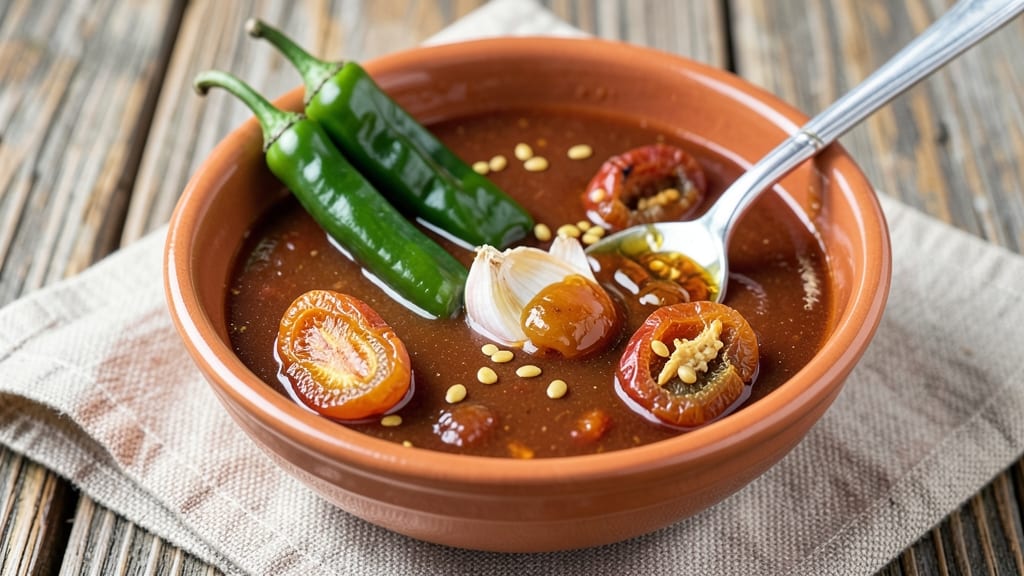
This apricot hot sauce recipe transforms sweet, ripe apricots into a bold, balanced condiment that bridges the gap between sweet and spicy. The secret lies in simmering dried apricots with vinegar and chili peppers until the flavors meld into a vibrant, fruity heat that lingers on the palate.
I developed this recipe after craving a sauce that could stand up to both grilled meats and delicate seafood—something with depth but not overpowering spice.
The process is straightforward but requires patience: apricots steep in vinegar to soften, then blend with chili peppers, garlic, and mustard seeds for a smooth yet textured finish. Straining ensures a silky consistency, while a final touch of honey or sugar balances the acidity and heat.
This sauce isn’t just for dipping—it elevates tacos, marinades, and even cocktails with its unexpected sweetness.
What makes this sauce special is its versatility. The apricot’s natural sweetness tames the heat, creating a complex flavor profile that works with everything from spicy wings to fresh oysters.
A single batch keeps in the fridge for weeks, making it a pantry staple for anyone who loves bold, fruity heat. The key is letting the flavors develop during simmering—don’t rush it.
For best results, use a mix of dried apricots and fresh chili peppers (like jalapeños or habaneros) for a well-rounded heat level. Adjust the sweetness to your taste by adding more honey or reducing the vinegar.
This sauce is a game-changer for anyone tired of one-note hot sauces—it’s fruity, tangy, and just spicy enough to leave you wanting more.
Ingredients for apricot hot sauce
Eight simple ingredients create a vibrant, fruity hot sauce that’s perfect for dipping or cooking.
| Ingredient | Amount | Notes |
|---|---|---|
| Dried Apricots 🍑 | 1 cup | Chopped into small pieces |
| White Vinegar 💧 | 1 ½ cups | For acidity and preservation |
| Fresh Jalapeño Peppers 🌶️ | 4 whole | Seeds removed for mild heat |
| Garlic Cloves 🧄 | 4 cloves | Minced for aromatic depth |
| Yellow Mustard Seeds 🌾 | 1 tbsp | Toasted for subtle crunch |
| Honey 🍯 | ¼ cup | Balances heat and sweetness |
| Salt 🧂 | 1 tsp | Enhances all flavors |
| Black Peppercorns 🌶️ | ½ tsp | Freshly cracked for warmth |
| Fresh Cilantro 🌿 | ¼ cup | Chopped for freshness (optional) |
| Water 💧 | ½ cup | For thinning consistency |
The dried apricots are the star here—look for plump, moist ones at the grocery store, not the shriveled kind. Trader Joe's or Whole Foods usually have the best quality. If you can’t find dried apricots, soak fresh apricots in hot water for 10 minutes to soften them first. The jalapeños should be bright green and firm—no wrinkly or yellowing peppers. For extra heat, swap in habaneros or serranos. Toasting the mustard seeds in a dry pan for 30 seconds before adding them deepens their flavor—don’t skip this step if you’ve got time.
No honey? Maple syrup or agave work in a pinch, but honey’s floral notes balance the heat perfectly. Running short on vinegar? Apple cider vinegar gives a slightly sweeter tang. The cilantro is totally optional—some people love it, others find it overpowering. If you’re sensitive to spice, remove the jalapeño seeds completely or use just 2 peppers instead of 4. For a smoother sauce, strain it through a fine-mesh sieve after blending. If you prefer texture, skip the straining—just blend everything until smooth.
This sauce keeps for 3-4 weeks in the fridge, so make a big batch. Store it in a clean glass jar with a tight lid. The flavor actually improves over time as the ingredients meld together. If you want to extend shelf life, add an extra splash of vinegar when storing. It freezes beautifully too—portion into ice cube trays for single-serving dips. Label your jar because it’ll disappear fast once you taste how good it is.
Why You'll Love This Recipe
- No Chopping Needed: I just toss dried apricots straight into the pot—no soaking, no peeling, no mess. The vinegar handles all the rehydrating while you chop one jalapeño and a few garlic cloves. That’s it. Honestly, I’ve made this while scrolling through my phone.
- Sweet Heat Magic: The dried apricots caramelize into the vinegar, turning it into a sticky, fruity base that balances the jalapeño’s kick. Add a pinch of mustard seeds, and suddenly you’ve got depth—like a cross between BBQ and salsa, but better. My husband dips chips in it before I even finish stirring.
- Game for Any Meal: Slather it on grilled chicken, drizzle it over tacos, or toss it into marinara for pasta. I keep a jar in the fridge for when I’m craving something unexpected—like apricot-glazed pork chops or even a spicy fruit salsa. It’s the kind of sauce that makes you think, “Why didn’t I do this sooner?”
- Lasts a Month (Seriously): This sauce only gets better with time. The flavors meld like a fine wine, and the vinegar preserves it so it doesn’t spoil. I make a big batch once a month, and it’s always gone before the next one’s ready. Plus, dried apricots are cheaper than fresh fruit—so you’re saving money while making something fancy.
Step-by-step instructions for apricot hot sauce recipe
This fruity, fiery sauce comes together in just 30 minutes—no fancy equipment needed.
Toast the Mustard Seeds and Prepare the Base
Heat a small dry skillet over medium heat. Add the 1 tablespoon yellow mustard seeds and toast them for 2-3 minutes until they turn a deep golden brown and smell nutty. Watch them closely—they burn fast, and you want that toasty aroma, not bitter smoke.
While the seeds toast, combine the 1 cup chopped dried apricots, 1.5 cups white vinegar, and 0.5 cup water in a medium saucepan. Bring to a gentle boil over medium-high heat, then immediately reduce to a simmer. Let it cook for 10 minutes until the apricots soften and the liquid reduces slightly—you'll see the mixture darken and thicken just a bit. This step builds the fruity foundation of your sauce.
Add Jalapeños and Garlic for Depth
Remove the 4 whole fresh jalapeño peppers from their seeds (keep stems intact) and slice them into thin rings. Add them to the simmering apricot mixture along with the 4 minced garlic cloves. Stir gently and let everything cook for 5-7 minutes—you'll notice the jalapeños soften and release their bright green color into the sauce. The garlic should infuse the mixture with its aromatic punch, but don't let it brown.
Here's where the magic happens: The acidity from the vinegar preserves the jalapeños' heat while mellowing their sharpness. You'll want to taste the sauce at this point—if it's too mild, you can add a pinch more salt or a tiny bit of extra jalapeño. But don't worry, we'll balance it next.
Sweeten, Season, and Simmer to Perfection
Stir in the 0.25 cup honey and 1 teaspoon salt, then add the toasted mustard seeds. Let the mixture simmer for another 10 minutes—this is where all the flavors meld together. You'll see the sauce thicken slightly and develop a beautiful amber color. The honey will balance the heat while adding a subtle caramel note that rounds out the fruitiness.
Crack the 0.5 teaspoon black peppercorns in a mortar and pestle (or crush lightly with a rolling pin) and add them to the sauce. Stir in the 0.25 cup chopped fresh cilantro—this adds freshness that cuts through the sweetness and heat. Let everything cook together for 2 more minutes, then remove from heat.
Blend and Rest for Maximum Flavor
Let the sauce cool slightly (about 5 minutes), then transfer it to a blender or food processor. Blend until completely smooth—you want a silky texture with no visible chunks. If the sauce is too thick after blending, add 1-2 tablespoons of hot water to reach your desired consistency. The sauce should coat the back of a spoon but still pour easily.
Transfer the hot sauce to a clean glass jar and let it sit at room temperature for 30 minutes before refrigerating. This resting period lets the flavors develop and deepen. Once chilled, the sauce will keep in the fridge for up to 2 weeks—or you can process it in a water bath for shelf-stable storage. The longer it sits, the more complex the flavors become.
Pro Tips For Making Apricot Hot Sauce
- SOAK THE APRICOTS FIRST: Skip the dry apricots—soak them in hot water for 10-15 minutes before blending. This makes them plump, soft, and way easier to puree, so you don’t end up with a gritty, uneven sauce. (Yes, even if you’re in a hurry.)
- REMOVE JALAPEÑO SEEDS IF YOU WANT HEAT CONTROL: I learned this the hard way—whole jalapeños with seeds turn this sauce into a mouth-on-fire disaster. Either remove seeds entirely or leave them in for extra kick, but don’t assume "a little heat" means you can skip it.
- SIMMER LOW AND SLOW: High heat turns vinegar into vinegar fumes and burns the garlic. Keep it at a gentle simmer for 15-20 minutes—just until the flavors meld. Trust me, the sauce will taste deeper if you resist the urge to rush.
- TOAST THE MUSTARD SEEDS: Dry-toast the yellow mustard seeds in a separate pan for 30 seconds until they sizzle and smell nutty. Then add them to the sauce—they’ll release their flavor better and give it a subtle, complex depth instead of just a generic tang. (Skip this, and you’re missing out.)
Wine and beer pairings for these flavors
Sweet and Spicy Wine
Pair your apricot hot sauce with a dry Riesling from Germany’s Mosel region—its crisp acidity and bright citrus notes cut through the sauce’s sweetness while complementing the jalapeño’s heat. I love Dr. Loosen Blue Slate—its mineral finish balances the fruity complexity beautifully. 🍷
Craft Beer Balance
A Belgian witbier like Stella Artois or Hoegaarden works wonders with this sauce. The coriander and orange peel notes in these beers harmonize with the apricot’s sweetness, while their effervescence cleanses the palate between spicy bites.
For a bolder option, try a honey wheat ale—the caramel undertones mirror the sauce’s honeyed depth.
Unexpected Cocktail Twist
Use this sauce as a mixer in a gin-based cocktail—add 1 oz apricot hot sauce to 2 oz gin, ½ oz lime juice, and ½ oz simple syrup with ice.
Shake and strain into a chilled glass. The apricot’s sweetness balances the gin’s botanicals, while the heat adds a spicy kick. Garnish with a lime wheel for a refreshing twist. 🍹
Red Wine Contrast
For grilled meats or hearty dishes, a Pinot Noir from Oregon’s Willamette Valley enhances the sauce’s depth.
The wine’s red fruit notes (like cherry and raspberry) echo the apricot’s sweetness, while its earthy undertones complement the mustard seeds. Domaine Serene is a reliable choice—it’s smooth enough to not overpower the sauce’s complexity.
Non-Alcoholic Pairings
For a refreshing non-alcoholic option, try sparkling apple cider like Martinelli’s. The effervescence and apple sweetness mirror the sauce’s fruity notes, while the acidity balances the heat. Serve it chilled in a glass with a slice of apple for a crisp, palate-cleansing pairing. 🍏
Nutrition facts
Frequently asked questions
Can I substitute dried apricots with fresh ones?
Yes! Use 1.5 cups fresh apricots instead, but first peel, pit, and chop them into small pieces. Soak the fresh apricots in hot water for 10 minutes before cooking to soften them—this mimics the texture of dried apricots. The flavor will be slightly fresher, but the drying process in the recipe helps concentrate the sweetness.
How do I adjust the heat level in this sauce?
For milder heat, remove the seeds and membranes from the jalapeños before cooking. For extra spice, add 1-2 habanero peppers (seeds included) or leave the jalapeño seeds in. You can also blend in ½ teaspoon of cayenne pepper for a smoother, lingering heat. Always taste as you go!
What’s the best way to use this apricot hot sauce?
This versatile sauce works as a dip for fries or veggies, a marinade for grilled chicken or pork, or a finishing sauce for tacos and bowls. Try drizzling it over seared scallops or mixing into mayonnaise for a spicy condiment. The sweetness makes it perfect for balancing spicy Asian dishes too!
Can I make this sauce without a blender?
After simmering, strain the sauce through a fine-mesh sieve to remove apricot pieces and jalapeños. For texture, leave some seeds or finely chop the peppers before adding them back. The result will be slightly chunkier but still delicious. A potato masher works too for breaking up any remaining fruit pieces.
Why does my sauce taste too vinegary?
If the vinegar flavor overpowers, balance it by adding 1-2 extra tablespoons of honey or ½ teaspoon of sugar while simmering. Let it cook for an additional 5 minutes to meld the flavors. For a smoother sauce, reduce the vinegar by ¼ cup next time—water or broth can help maintain acidity without the sharpness.