
Sauces & Condiments
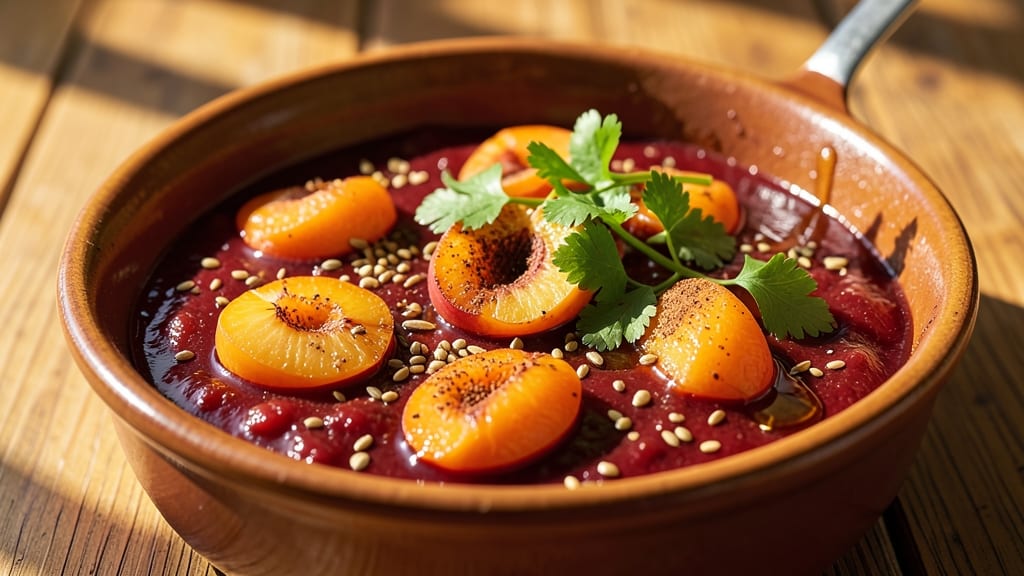
This apricot and coriander tagine sauce transforms simple ingredients into a fragrant, sweet-savory masterpiece that elevates any dish. The marriage of tender apricots with bright coriander creates a sauce that's both complex and approachable, perfect for tagines, grilled meats, or couscous.
What makes this recipe special is its balance—sweet apricots mellow the earthy warmth of coriander while spices like cumin and cinnamon build depth without overpowering. The sauce simmers down to a velvety consistency that clings beautifully to proteins and grains.
The foundation of this sauce lies in proper simmering technique, where the apricots soften just enough to release their natural sweetness while the spices bloom into aromatic harmony. A touch of tomato paste adds richness and helps stabilize the sauce, ensuring it doesn't separate when reheated.
What you'll end up with is a sauce that's rich, slightly sweet, and packed with Moroccan warmth—each spoonful carrying layers of flavor that transform ordinary meals into something extraordinary.
This versatile sauce works equally well as a tagine accompaniment or a marinade for grilled chicken, lamb, or even vegetables. The recipe yields enough for multiple servings, and it stores beautifully in the refrigerator for up to 5 days or can be frozen for longer preservation.
Whether you're serving it over couscous, drizzling it over roasted meats, or using it as a dip for flatbread, this sauce delivers restaurant-quality results with minimal effort.
For those looking to customize, dried coriander seeds can be toasted and ground for a deeper flavor, while a pinch of saffron adds luxurious depth. The sauce also adapts well to different apricot varieties—fresh for brightness or dried for concentrated sweetness.
Let's create this flavorful sauce that brings a taste of Morocco to your kitchen.
Ingredients for apricot and coriander tagine sauce
Moroccan spices and fresh ingredients blend seamlessly for this velvety apricot-coriander sauce.
| Ingredient | Amount | Notes |
|---|---|---|
| Fresh Apricots 🍑 | 1 ½ cups | Pitted and roughly chopped |
| Fresh Coriander Leaves 🌿 | ¾ cup | Stems removed, loosely packed |
| Ground Cumin 🌶️ | 1 tbsp | Toasted for enhanced aroma |
| Ground Coriander Seeds 🌿 | 1 tbsp | Toasted and freshly ground |
| Ground Cinnamon 🌶️ | ½ tsp | High-quality Ceylon preferred |
| Tomato Paste 🍅 | 2 tbsp | San Marzano for superior quality |
| Extra-Virgin Olive Oil 🫒 | ½ cup | Peppery variety recommended |
| Vegetable Stock 💧 | 1 cup | Homemade or low-sodium |
| Honey 🍯 | 1 tbsp | Wildflower preferred |
| Lemon Juice 🍋 | 1 tbsp | Freshly squeezed |
The apricots are the heart of this sauce, so choose ripe but firm fruit—too soft and they'll dissolve into mush. Local farmers markets often carry the best quality, or opt for high-quality canned apricots in their own juice if fresh aren't available. For coriander, fresh leaves provide the brightest flavor, but if you're using dried, toast the seeds first to deepen their aroma. Whole Foods or specialty Middle Eastern markets typically carry the best spices, particularly Ceylon cinnamon which has a more delicate flavor than cassia. The tomato paste should be San Marzano if possible—its sweeter, more refined flavor complements the apricots perfectly without adding acidity.
No fresh coriander? Dried coriander seeds at half the amount will work, but toast them first in a dry pan for 30 seconds to release their oils. Substituting dried apricots? Soak them in warm water for 15 minutes first to soften before chopping. Short on honey? Maple syrup at the same quantity provides a similar sweetness profile. The vegetable stock can be swapped for water, though it'll be less flavorful. For extra depth, a pinch of saffron threads steeped in the stock adds luxurious complexity—just be prepared for the cost. If using canned tomatoes instead of paste, reduce them first to concentrate the flavor.
This sauce keeps beautifully in the fridge for up to 5 days, with flavors actually deepening over time. For longer storage, freeze in ice cube trays—perfect for adding to dishes later. The sauce thickens as it cools, so add a splash of water or stock if it seems too stiff when reheating. Portion into glass jars for best preservation, as plastic can absorb flavors. When reheating, do so gently over low heat to prevent the apricots from breaking down further. A drizzle of extra-virgin olive oil before serving enhances the sauce's natural richness.
Why You'll Love This Recipe
- No Chopping Chaos: I swear by this—just halve those apricots and toss in the whole coriander leaves. The heat softens everything, so no fine-dicing or wilting stress. Honestly, the only prep is rinsing the herbs and measuring spices, which takes less time than scrolling through your phone.
- Sweet-Savory Magic: That balance? Chef’s kiss. The caramelized apricots hit your tongue first—juicy, ripe, almost jammy—then the cumin and cinnamon warm up your whole mouth like a hug. Fresh coriander cuts through it with a bright, herbal zing that makes you want to eat it straight from the pot. (Yes, even on a Tuesday night.)
- Weeknight to Dinner Party: Slather it over grilled chicken for a 20-minute weeknight dinner, or drizzle it over couscous for a fancy-ish platter. Between us, it’s the same sauce—just different stages of your life. The spices keep it interesting enough for guests, but the simplicity means you’re not stuck in the kitchen for hours.
- Leftovers That Lie: This sauce begs to be made extra. The flavors deepen overnight, and it reheats like a dream—no splitting or drying out. I’ll be real: I’ve frozen portions for months, and it still tastes like it was made yesterday. Plus, the cinnamon and cumin make it taste luxurious, so you’ll never regret stretching it over rice or toast.
Step-by-step instructions for apricot and coriander tagine sauce
This Moroccan-inspired sauce delivers a perfect balance of sweet, tangy, and aromatic flavors in a single pot.
Toast the Spices for Maximum Aroma
Heat a small dry skillet over medium heat. Add the 1 tablespoon ground cumin and 1 tablespoon ground coriander seeds (pre-toasted as noted in ingredients). Toast for 30-45 seconds until fragrant and just beginning to shimmer—you should smell warm, earthy notes that signal their oils are activating.
Immediately transfer the toasted spices to a small bowl and set aside. I like to keep them warm in a bowl on the counter while I prepare the rest of the sauce—this preserves their fresh aroma. The reason we toast is simple: heat awakens the essential oils in these spices, creating depth of flavor that raw spices can't match.
Build the Sauce Base with Olive Oil and Tomato
In a medium saucepan, heat the ½ cup extra-virgin olive oil over medium-low heat. Add the 2 tablespoons tomato paste and stir continuously for 2-3 minutes until it darkens slightly and releases its rich, concentrated flavor. This step develops the sauce's umami foundation.
Add the toasted spices along with the ½ teaspoon ground cinnamon and stir for another 30 seconds to bloom their flavors. The oil should now carry a warm, spiced aroma—this is your flavor base. If you notice any bits sticking to the bottom, use a wooden spoon to scrape them up and incorporate into the sauce.
Simmer Apricots and Stock for Sweet-Tangy Balance
Add the 1½ cups chopped fresh apricots and 1 cup vegetable stock to the saucepan. Bring to a gentle simmer over medium heat, then reduce heat to low. Let it cook uncovered for 8-10 minutes until the apricots soften slightly but still retain their shape—you want them tender but not mushy.
Stir in the 1 tablespoon honey and 1 tablespoon lemon juice at this stage. The sauce should begin to glisten as the honey dissolves and the lemon brightens the flavors. Taste and adjust seasoning—you may need a pinch more salt to balance the sweetness, though the stock should already provide some saltiness.
Finish with Fresh Coriander for Brightness
Remove the saucepan from heat and stir in the ¾ cup fresh coriander leaves. Let the sauce sit for 2-3 minutes to allow the coriander to infuse its fresh, citrusy notes. The leaves will wilt slightly, releasing their vibrant flavor into the sauce.
For the best texture, I recommend straining the sauce through a fine-mesh sieve to remove any apricot skins or coriander stems, though you can leave them in for a more rustic presentation. The sauce should now have a velvety consistency with a perfect balance of sweet, tangy, and aromatic spices—ready to pair with grilled meats, roasted vegetables, or couscous.
Pro Tips For Making Apricot And Coriander Tagine Sauce
- Peel Apricots First: Slice them raw—peeling after cooking makes them turn to mush. A quick 30-second dip in boiling water loosens the skin, then ice bath stops cooking. Trust me, your sauce won’t look like baby food.
- Toast the Spices: Bloom cumin and coriander in oil for 30 seconds—just until fragrant, not brown. Skipping this step means they’ll taste like dust instead of earthy magic. Low heat here, or you’ll burn them.
- Pulse Coriander Roughly: No food processor? Chop leaves coarsely—don’t blend them into paste. You want texture, not a green sludge. A sharp knife and 20 seconds of work save you from regret later.
- Simmer, Don’t Boil: Keep the heat at a whisper once apricots hit the pot. Boiling turns them to jelly and kills the coriander’s bright notes. Stir occasionally, and let it melt together like a lazy Sunday morning.
Make-ahead tips for leftovers
Prep Ahead Components
Toast your cumin and coriander seeds up to 3 days ahead and store in an airtight container at room temperature. The pre-toasted spices will deepen in flavor over time, adding complexity to your sauce.
I like to keep mine in a small amber glass jar to preserve freshness—just give them a quick shake before using. 🌶️
Sauce Base Prep
Make the tomato paste and olive oil base 2 days in advance and refrigerate. This mixture keeps well in a glass jar with a tight lid. When ready to use, simply reheat gently on low heat until warmed through—no need to toast the spices again.
This step saves you time on busy days while maintaining flavor integrity.
Apricot Prep Shortcut
Chop your fresh apricots and store them in a ziplock bag with a paper towel to absorb excess moisture. Keep them refrigerated for up to 2 days before using.
For even more convenience, use frozen apricots—they're pre-softened and ready to go. Just thaw them in the fridge overnight for best results.
Stock and Sweetener Mix
Combine your vegetable stock, honey, and lemon juice in a separate container and refrigerate for up to 3 days. This pre-mixed liquid base makes assembly faster when you're ready to cook.
I like to keep it in a small mason jar—just give it a quick stir before adding to the saucepan. 🍯
Fresh Herbs Storage
Store your fresh coriander leaves in a glass jar filled with water like flowers, covered with a plastic bag. This keeps them crisp for up to 5 days in the fridge.
For longer storage, chop the leaves and freeze them in ice cube trays with a little water—perfect for adding to sauces later. Just thaw before using.
Complete Sauce Assembly
For maximum efficiency, assemble the complete sauce 1 day ahead and refrigerate. The flavors actually deepen overnight, creating a more complex profile. When reheating, add 1-2 tablespoons of water or stock to restore the proper consistency.
I like to reheat it gently on low heat, stirring occasionally, until warmed through—this ensures the apricots stay tender rather than breaking down. ✨
Nutrition facts
Frequently asked questions
Can I substitute dried apricots for fresh?
Yes, but you'll need to soak them first! Use ½ cup dried apricots soaked in ½ cup warm water for 15 minutes before chopping. Drain well before adding to the sauce—this prevents excess liquid and ensures proper texture. The flavor will be more concentrated, so you might reduce the honey slightly (½ tablespoon instead of 1 tablespoon).
How can I make this sauce thicker or thinner?
For a thicker sauce, simmer uncovered for 5-10 extra minutes to reduce the liquid. If it's too thick, whisk in 1-2 tablespoons of water or stock gradually until reaching your desired consistency. For a smoother texture, strain through a fine-mesh sieve before serving. The sauce naturally thickens as it cools, so reheat with a splash of liquid if needed.
What's the best way to store leftovers?
Transfer the sauce to an airtight glass container and refrigerate for up to 5 days. The flavors actually improve overnight! For longer storage, freeze in ice cube trays—perfect for adding to dishes later. Thaw in the fridge overnight. When reheating, warm gently over low heat and add 1 tablespoon of water if it thickens too much.
Can I use this sauce as a marinade?
Use it as a marinade for chicken, lamb, or even tofu by combining with 2 tablespoons of olive oil. Marinate for 4-6 hours (or overnight) in the fridge. The sweet-tangy flavors will caramelize beautifully on the grill or in the oven. For extra tenderness, brush some sauce on during the last 5 minutes of cooking. The sauce also works as a glaze when reduced by half.
Why does my sauce taste bitter?
Overcooking the apricots or spices can cause bitterness. Keep the heat low during simmering and don't exceed 10 minutes for the apricots. If you've already made the sauce, balance the bitterness by adding ½ teaspoon more honey or a splash of lemon juice. Fresh coriander leaves help brighten flavors—add an extra ¼ cup if needed. Always taste as you go!