
Sauces & Condiments
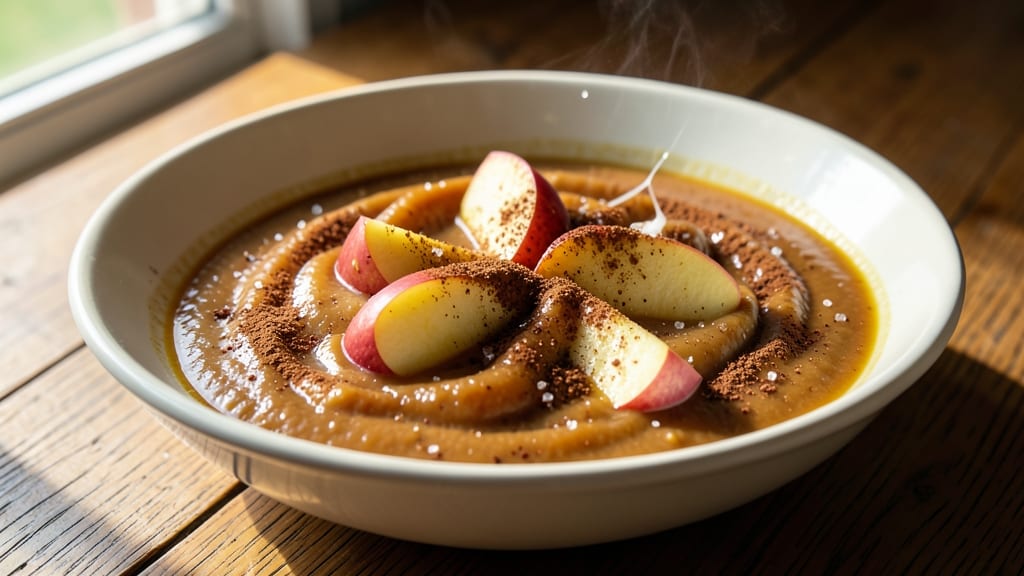
This vegan applesauce recipe with unpeeled apples delivers creamy, fragrant results without the tedious peeling process. The skin adds subtle earthiness and natural sweetness, while warm spices like cinnamon and vanilla elevate every spoonful.
Perfect for topping oatmeal, pairing with baked goods, or spreading on toast, this method preserves nutrients while creating a versatile condiment.
Simplicity is the name of the game here—just core the apples (no peeling required) and simmer them with water until tender. The choice between smooth or chunky texture depends entirely on how long you cook them, giving you flexibility for different uses.
A pinch of salt and a splash of lemon juice brighten the flavors, balancing the natural sweetness of the fruit.
What makes this recipe stand out is its adaptability: stovetop, slow cooker, or oven-baked methods all work equally well, making it ideal for busy schedules. The spices caramelize slightly during cooking, infusing the applesauce with deep, aromatic notes that make it taste like a cozy autumn morning.
Plus, it stores beautifully in the fridge for up to a week or freezes for months.
Whether you prefer a velvety spread or a rustic, textured version, this applesauce recipe delivers restaurant-quality results with minimal effort. The unpeeled apples keep the process quick and efficient, while the warm spices ensure every bite feels like a comforting hug. Ready to transform simple apples into something extraordinary?
Ingredients for applesauce recipe unpeeled apples
Eight core ingredients transform unpeeled apples into velvety, spiced applesauce with restaurant-quality depth.
| Ingredient | Amount | Notes |
|---|---|---|
| Unpeeled Honeycrisp Apples 🍎 | 4 lb | Cored, skin-on for texture |
| Water 💧 | 1 ½ cups | Filtered or spring water preferred |
| Ground Cinnamon 🌿 | 1 ½ tsp | Ceylon cinnamon for subtle flavor |
| Pure Vanilla Extract 🍯 | 1 tsp | Alcohol-free preferred for vegan |
| Organic Cane Sugar 🍚 | ¼ cup | Adjust to taste, optional |
| Fresh Lemon Juice 🍋 | 1 tbsp | Brightens flavor naturally |
| Sea Salt 🧂 | ¼ tsp | Diamond Crystal preferred |
| Extra-Virgin Olive Oil 🫒 | 1 tbsp | For glossy finish (optional) |
Honeycrisp apples are ideal for their natural sweetness and tender flesh, but Fuji or Granny Smith work equally well. Opt for organic if possible to avoid waxy skins. The Whole Foods bulk bins often carry organic apples at a better price than pre-packaged. For a smoother texture, choose slightly underripe apples—they break down more evenly during cooking. If using pre-packaged apples, select those with minimal bruising to ensure optimal flavor. The skin's subtle bitterness actually enhances the overall depth of flavor when cooked properly.
No cinnamon? Cardamom or allspice at half the amount delivers a similar warmth. Vanilla extract can be replaced with vanilla bean paste for a more intense flavor. Sugar is optional—apples naturally contain enough sweetness, but adding it helps balance acidity if using tart varieties like Granny Smith. For a refined finish, strain the applesauce through a fine-mesh sieve to achieve a silky texture, though leaving some texture adds rustic appeal. The olive oil isn't essential but creates a luxurious sheen and helps preserve freshness when stored.
Store in an airtight container with a layer of olive oil on top to prevent browning—keeps for 1 week in the fridge. For long-term storage, freeze in ice cube trays for single-serving portions, which thaw beautifully in the microwave. The applesauce actually improves overnight as flavors meld. If making ahead for baking, reduce the lemon juice slightly to prevent curdling when combined with other ingredients later. Label containers with the date to track freshness accurately.
Why You'll Love This Recipe
- No Peel, All Flavor: I swear by this trick—skipping the peeling saves me 15 minutes and keeps all that juicy sweetness locked in. Honeycrisp’s crisp bite stays intact, and the skin’s subtle bitterness actually deepens the warm cinnamon notes. (Yes, I tested it with peeled apples first. Don’t skip this.)
- Crowd-Pleasing Simplicity: Between us, this is the applesauce that gets eaten first at potlucks. The vanilla and cane sugar caramelize just enough to make it taste like a dessert, but it’s still that cozy side dish. Even my picky nephew asks for seconds—no small feat.
- Weeknight Meal Prep: I make a big batch on Sundays, and it lasts all week. The texture stays perfect for oatmeal, toast, or even swirled into yogurt, and the cinnamon vanilla scent turns my kitchen into a bakery. (Pro tip: Store it in the fridge with a splash of water to keep it smooth.)
- Budget-Friendly Luxury: Fresh Honeycrisp apples might seem pricier, but this recipe stretches them further than store-bought. A few cinnamon sticks and vanilla extract turn simple fruit into something that feels fancy—without the grocery bill. Plus, leftovers freeze beautifully for smoothies later.
Step-by-step instructions for spiced applesauce with unpeeled apples
Here's how to transform whole, unpeeled Honeycrisp apples into velvety applesauce with vibrant cinnamon notes and natural sweetness.
Core and Quarter the Apples
Start by coring the 4 lb unpeeled Honeycrisp apples using an apple corer or sharp knife. Cut each apple into 6-8 even wedges, leaving the skin intact. The skin adds texture and nutrients while preventing the sauce from becoming too watery. Place the wedges in a large pot, skin-side down, to create a more even cooking surface.
I like to arrange them in a single layer initially to prevent overcrowding, which can lead to uneven cooking. As they soften and release juices, they'll naturally settle closer together. The goal is to achieve tender, fork-mashable apples without breaking them down into puree—this creates that perfect chunky texture we want in homemade applesauce.
Add Water and Seasonings
Pour in the 1.5 cups water, then add the 1.5 tsp ground cinnamon, 0.25 cup organic cane sugar, 0.25 tsp sea salt, and 1 tbsp fresh lemon juice. Stir gently to combine, ensuring the spices coat the apples evenly. The lemon juice brightens the natural sweetness of the Honeycrisp variety while balancing the cinnamon's warmth.
Here's the thing—don't skip the sugar entirely if your apples aren't naturally sweet. The Honeycrisp is delicious, but the sugar helps caramelize slightly during cooking, deepening the flavor. If you prefer it sweeter, add an extra 1-2 tablespoons of sugar after tasting. The salt might seem minimal, but it enhances all the flavors and prevents the sauce from tasting flat.
Simmer Until Tender
Bring the mixture to a boil over medium-high heat, then reduce to a gentle simmer. Cover the pot with a lid and cook for 25-30 minutes, stirring occasionally to prevent sticking. You'll know it's ready when a knife slides in easily through the thickest apple wedge and the skins begin to pull away slightly from the flesh.
This step is where patience pays off. If you rush it, you'll end up with mushy applesauce. If you overcook it, the apples will turn to puree and lose their appealing texture. The skins should be tender but still hold their shape—this is what gives the sauce its rustic character. Keep the lid slightly ajar during the last 5 minutes of cooking to allow any excess moisture to evaporate.
Finish with Vanilla and Olive Oil
Once the apples are tender, remove the pot from heat and stir in the 1 tsp pure vanilla extract and 1 tbsp extra-virgin olive oil. The vanilla adds depth and warmth that complements the cinnamon beautifully. The olive oil, while optional, creates a silky finish and helps the sauce cling to the applesauce better when stored.
Let the applesauce rest for 10 minutes before serving. This allows the flavors to meld and the skins to soften further. If you find the sauce is too thick after resting, simply stir in 1-2 tablespoons of water to reach your preferred consistency. For a smoother texture, use an immersion blender to lightly blend the sauce—just a few pulses will keep some chunkiness while making it easier to spread.
Pro Tips For Making Applesauce Recipe Unpeeled Apples
- CUT APPLES IN EVEN CHUNKS: I learned this the hard way—uneven pieces mean some apples turn to mush while others stay stubbornly undercooked. Aim for 1-inch cubes so they soften consistently without falling apart.
- USE COLD APPLES, NOT ROOM TEMP: Cold apples release less juice upfront, so you won’t end up with a watery mess. Rinse them first, then chop and let them sit in the pot for 5 minutes before adding water—this keeps the texture tight and flavorful.
- STIR ONLY WHEN NECESSARY: Applesauce doesn’t need constant stirring—just give it a quick mix every 5 minutes or so. Over-stirring breaks down the apples faster, turning your sauce into a sad, thin purée instead of a chunky, satisfying texture.
- ADD SUGAR AND CINNAMON LAST: Sweetening too early makes the apples release more liquid, diluting the flavor. Toss in the sugar and cinnamon with the vanilla in the final 10 minutes of cooking—this locks in the spice aroma and balances the natural tartness of Honeycrisp.
Common mistakes when making perfect results
Overcrowding the Pot
Packing too many apple wedges into your pot creates a steamy, uneven cooking environment. When apples are crowded, they release moisture unevenly, leading to some pieces cooking faster than others.
I’ve seen this happen when using a 6-quart pot with more than 4 lb of apples—the outer wedges cook properly while the inner ones stay tough. Always arrange apples in a single layer at first, then stir occasionally to redistribute them. 🍎
Skipping the Resting Time
Rushing to serve your applesauce right after cooking is a common mistake that affects texture and flavor. The 10-minute rest allows the skins to soften further and the juices to redistribute, creating a smoother, more cohesive sauce.
If you skip this step, the applesauce might taste watery or unevenly seasoned. I’ve learned this the hard way—always let it rest! 💫
Using Too Much Water
Adding more than 1.5 cups water can dilute the natural sweetness and depth of flavor in your applesauce. The water is there to help the apples cook evenly, not to turn your sauce into applesauce soup.
If your apples release extra juice during cooking, taste as you go and reduce heat slightly to evaporate excess moisture. A good rule of thumb: the sauce should coat the back of a spoon but not be soupy. ❄️
Ignoring the Skins
The unpeeled apples are a key part of this recipe, but some cooks make the mistake of peeling them after cooking. The skins add subtle bitterness and fiber that enhance the overall flavor profile.
If you find the skins too tough, simply mash them lightly with a fork—they’ll soften and blend right in. Never peel them post-cooking unless you want to lose those extra nutrients and texture. 🌿
Overcooking for Smoothness
Many people assume longer cooking times will result in a smoother applesauce, but this leads to a mushy, unappetizing texture. The goal is tender, fork-mashable apples—not puree. If you prefer a smoother consistency, use an immersion blender for just a few pulses after cooking.
Overcooking breaks down the apples into a gluey consistency that lacks the appealing chunkiness of homemade sauce. 🔥
Neglecting the Sugar
Some cooks skip the sugar entirely, assuming the apples are sweet enough. However, the 0.25 cup organic cane sugar helps caramelize slightly during cooking, deepening the flavor and balancing acidity. If your apples are tart (like Granny Smith), the sugar is essential.
Even with sweet varieties like Honeycrisp, a pinch enhances the overall taste. Always taste before serving and adjust if needed. 🍚
Nutrition facts
Frequently asked questions
Why should I use unpeeled apples for applesauce?
The skins add subtle earthiness and natural sweetness that enhances the flavor profile. They also contain valuable nutrients like fiber and antioxidants that get lost when peeled. Plus, skipping the peeling saves time and reduces food waste—win-win!
Can I make this applesauce in a slow cooker?
Combine all ingredients in your slow cooker and cook on low for 6-8 hours or high for 3-4 hours. The slow cooking method actually intensifies the cinnamon flavor beautifully. Just stir occasionally to prevent sticking.
How do I adjust the texture to be smoother or chunkier?
For chunkier applesauce, cook the apples for 25-30 minutes (as directed). For smoother results, cook 5-10 minutes longer or use an immersion blender for a few quick pulses after cooking. The skins will soften naturally during cooking—no need to peel them!
What's the best way to store homemade applesauce?
Transfer to an airtight container and refrigerate for up to 1 week. For longer storage, freeze in ice cube trays or small containers for up to 6 months. Add a thin layer of olive oil before sealing to prevent browning and maintain freshness.
Can I substitute other spices besides cinnamon?
Yes! Try cardamom, nutmeg, or allspice for different flavor profiles. For a tropical twist, add 1 tsp grated ginger or 1/4 tsp cloves. Just