
Sauces & Condiments
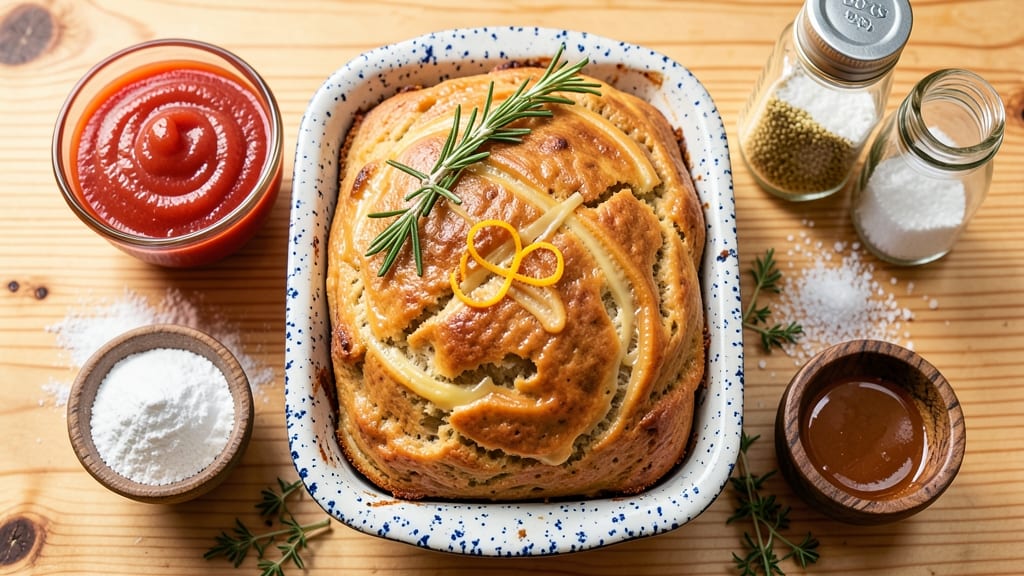
This applesauce loaf bread recipe transforms ordinary bread into a moist, sweetly aromatic loaf that pairs perfectly with butter or jam. The secret lies in replacing some of the liquid with unsweetened applesauce, creating a tender crumb and subtle apple flavor without overpowering the bread.
I developed this recipe after years of baking dense, dry loaves—until I discovered how applesauce could elevate texture and taste.
The beauty of this recipe is its simplicity: just a few pantry staples and 30 minutes of active time before baking. The applesauce keeps the bread incredibly moist, while a touch of cinnamon adds warmth and depth.
Whether you're a seasoned baker or a beginner, this loaf delivers restaurant-quality results with minimal effort. The crust stays soft for days, making it ideal for sandwiches or serving alongside breakfast.
What sets this loaf apart is its foolproof method—no kneading required, and the dough comes together in a bowl. The baking process yields a golden-brown crust with a tender interior, infused with just the right amount of apple sweetness.
Perfect for coffee mornings, lunchtime sandwiches, or as a comforting side dish, this bread is a game-changer for home bakers.
For extra indulgence, brush the baked loaf with a simple honey glaze or sprinkle with coarse sugar before serving. Store wrapped at room temperature for up to 3 days, or freeze for longer shelf life. Here’s how to make it—simple, satisfying, and impossible to resist.
Ingredients for applesauce loaf bread
This loaf requires just twelve ingredients to transform ordinary bread into a moist, aromatic masterpiece.
| Ingredient | Amount | Notes |
|---|---|---|
| All-Purpose Flour 🌾 | 4 cups | Sifted for even texture |
| Unsweetened Applesauce 🍎 | ½ cup | No sugar added preferred |
| Granulated Sugar 🍚 | ¼ cup | Light brown sugar for depth |
| Active Dry Yeast 🍞 | 2 ¼ tsp | Ensure package is fresh |
| Warm Water 💧 | 1 ¼ cups | 110°F for optimal yeast activation |
| Unsalted Butter 🧈 | ½ cup | Softened, full-fat preferred |
| Large Egg 🥚 | 1 whole | Room temperature for even mixing |
| Ground Cinnamon 🌿 | 1 ½ tsp | Freshly ground for aromatic flavor |
| Salt 🧂 | 1 tsp | Diamond Crystal preferred |
| Milk 🥛 | ¼ cup | Whole milk for richness |
| Vanilla Extract 🍯 | 1 tsp | Pure, high-quality extract |
| Coarse Sugar 🍚 | 2 tbsp | For topping before baking |
The flour is the foundation—King Arthur or Gold Medal brands yield the best texture. Unsweetened applesauce is non-negotiable here; brands like Mott’s or Starkist work perfectly. For the yeast, Fresh Start or Saf-Instant ensures reliable activation without proofing time. The butter should be European-style if available—its higher fat content delivers unmatched richness. Whole milk enhances moisture retention, while vanilla extract from McCormick or Goya adds depth without overpowering the apple flavor.
No unsweetened applesauce? Pureed steamed apples work beautifully—just strain out any pulp. Substitute maple syrup for sugar at a 1:1 ratio, though the loaf will have a more pronounced sweetness. Dairy-free? Swap milk for unsweetened almond milk and butter for coconut oil, though texture may vary slightly. The cinnamon can be replaced with 1 tsp pumpkin pie spice for a different warmth profile. For a quicker rise, use instant yeast at the same measurement—no proofing required.
Store the baked loaf wrapped in a clean kitchen towel at room temperature for up to 5 days to maintain softness. For longer storage, wrap tightly in plastic wrap and freeze for up to 3 months. To revive, thaw at room temperature for 1 hour or warm in a 200°F oven for 10 minutes. The crust stays fresh longest when sliced and toasted—no need for preservatives—just the natural moisture from the applesauce. Portion into individual slices for easy grab-and-go sandwiches.
Why You'll Love This Recipe
- No Yeast Nightmare: I mix the dough in one bowl—no fancy kneading, no waiting for gluten to develop. The applesauce does half the work, keeping it tender without the fuss of handling sticky dough.
- Sweet Without Syrup: That touch of sugar and applesauce? It’s like a cinnamon roll’s cozy cousin—warm, lightly sweet, and just enough to make toast feel like a treat. (Yes, even on a Tuesday night.)
- Leftovers That Last: Slice it fresh and freeze half—thaw in the toaster for crispy, buttery toast in seconds. My kids grab it straight from the fridge for lunch; no reheating needed.
- Pantry Magic: Flour, sugar, yeast—ingredients you already own. Swap the applesauce for pumpkin in fall, or add a pinch of cinnamon for holidays. It’s the bread equivalent of a blank canvas.
Step-by-step instructions for applesauce loaf bread
Here's how to create a tender, moist loaf with perfect apple flavor infusion.
Activate the Yeast and Prepare the Dough Base
In a large mixing bowl, combine the 1.25 cups warm water (around 110°F) with the 2.25 tsp active dry yeast. Let it sit for 5-10 minutes until the mixture becomes frothy and bubbly—this confirms the yeast is active. If it doesn't foam, your yeast may be old or the water too hot.
In a separate bowl, whisk together the 4 cups all-purpose flour, 0.25 cup granulated sugar, 1.5 tsp ground cinnamon, and 1 tsp salt. Sift the flour first for an even texture, then add the dry ingredients. Create a well in the center and pour in the yeast mixture along with the 0.5 cup unsweetened applesauce, 0.25 cup milk, 1 tsp vanilla extract, and 0.5 cup softened unsalted butter.
Mix and Knead Until Elastic
Using a dough hook attachment on a stand mixer, combine all ingredients on low speed for 2 minutes until a shaggy dough forms. Increase speed to medium and knead for an additional 5-7 minutes until the dough is smooth, elastic, and pulls away from the sides of the bowl. The dough should be slightly tacky but not sticky.
If the dough feels too dry, add 1 tablespoon warm water at a time until it reaches the proper consistency. For a sticky dough, add 1 tablespoon flour incrementally. Once kneaded properly, the dough should pass the "windowpane test"—stretch a small piece gently until it's translucent without tearing.
First Rise for Flavor Development
Lightly grease a large mixing bowl with a bit of softened butter and place the dough inside. Cover the bowl with a clean kitchen towel or plastic wrap and let it rise in a warm place (like a turned-off oven with a bowl of hot water) for 1-1.5 hours, or until the dough has doubled in size. The dough should feel light and springy when pressed gently.
I like to place the bowl in a slightly warm spot—this helps the yeast work efficiently without overheating. If your kitchen is cool, extend the rising time by 30 minutes. The goal is to develop maximum flavor and structure before shaping.
Shape and Second Rise for Perfect Loaf
Punch down the risen dough to release air, then turn it out onto a lightly floured surface. Divide the dough into two equal portions and shape each into a smooth, oval loaf. Place the loaves seam-side down in two greased 9x5-inch loaf pans (or one large pan if making one loaf). Cover with a towel and let rise for another 30-45 minutes until the dough domes slightly above the pan edges.
For an even rise, ensure the loaf pans are properly greased—this prevents sticking and helps create a beautiful crust. The dough should feel firm but still spring back when pressed lightly. If the dough rises too quickly, it may collapse during baking, so keep an eye on it during this final rise.
Bake to Golden Perfection
Preheat your oven to 350°F and place a baking sheet on the lower rack. Sprinkle the tops of the loaves with the 2 tbsp coarse sugar for a sweet crust. Bake for 30-35 minutes until the bread is deep golden brown and sounds hollow when tapped on the bottom.
For a foolproof test, insert an instant-read thermometer into the center of the loaf—it should read 190-200°F. If the tops brown too quickly, tent the loaves with aluminum foil during the last 10 minutes of baking. The internal temperature is more reliable than color alone for determining doneness.
Pro Tips For Making Applesauce Loaf Bread
- MEASURE THE APPLESAUCE AFTER DRAINING: Store-bought applesauce is packed with water—skip the "1 cup" label and drain it in a fine-mesh strainer for 10 minutes first. I used to eyeball it and ended up with a gummy loaf; now I weigh it (about 12 oz drained = 1 cup) for consistency every time.
- LET THE YEAST BLOAT IN SUGAR-FREE WATER: Mix your yeast with warm water before adding sugar—it activates faster without competition. After 5 minutes, stir in the sugar and flour. I learned this the hard way when my first batch took twice as long to rise because the yeast was sluggish.
- DON’T OVERMIX THE DOUGH: Once you add the flour, stop stirring after 30 seconds—just until combined. Kneading this dough too much develops gluten, and you’ll end up with a dense, chewy loaf instead of that classic tender crumb. Feel for shaggy edges, not smoothness.
- USE A DULL KNIFE FOR SLICING: A sharp knife tears the dough; a slightly dull one gives cleaner seams. Score the loaf just deep enough to guide the rise—too deep and it’ll burst open prematurely. I now keep a butter knife in my bread drawer solely for this purpose.
Flavor customization for applesauce loaf bread
Sweet Spice Variations
Boost the cinnamon warmth by adding ½ tsp nutmeg or ¼ tsp cardamom to the dough—these spices deepen the apple flavor beautifully. For a gingerbread twist, replace the vanilla with 1 tsp molasses and add ½ tsp ground ginger.
I love a cranberry-apple variation by folding ½ cup dried cranberries into the dough before shaping. 🍎
Fruit Infusions
Swap the applesauce for peach or pear purée (about ½ cup) to create a summery loaf. For a tropical vibe, mix ¼ cup unsweetened mango purée with the applesauce.
Blueberry lovers can fold ½ cup fresh blueberries into the dough after the first rise—they’ll burst with juice as the bread bakes. Always reduce liquid by 2 tbsp if adding extra fruit to maintain dough consistency.
Nutty Add-Ins
Fold ½ cup chopped walnuts or pecans into the dough for texture contrast. Toast the nuts first at 350°F for 5 minutes to enhance their flavor. For a savory-sweet option, add ¼ cup sunflower seeds and reduce the cinnamon to 1 tsp.
I recommend storing nutty loaves in an airtight container to prevent them from drying out too quickly.
Glaze Enhancements
Drizzle the baked loaf with a simple honey glaze (mix 2 tbsp honey with 1 tbsp milk) for extra shine. For a spiced glaze, whisk 2 tbsp cream cheese with 1 tsp cinnamon and brush it on warm bread.
A caramel drizzle (melt ¼ cup brown sugar with 1 tbsp butter) adds rich sweetness. Let glazes set for 10 minutes before slicing to prevent soggy crusts.
Dairy-Free Adaptations
Replace the milk with unsweetened almond milk and the butter with ½ cup coconut oil (melted). For a richer texture, use ¼ cup applesauce as the only fat. The dough may feel slightly denser, so increase the rise time by 15 minutes.
Store dairy-free loaves in a paper bag to maintain freshness longer—this helps trap moisture better than plastic.
Herbal Twists
Infuse the dough with 1 tbsp fresh rosemary or thyme finely chopped, or add ½ tsp dried lavender for a floral note. Pair lavender with 1 tsp lemon zest to balance its floral intensity.
For a savory herbal loaf, reduce the sugar to ¼ cup and add 1 tbsp chopped sage. Herbal loaves pair wonderfully with sharp cheeses like goat cheese or aged cheddar. ✨
Nutrition facts
Frequently asked questions
Why does this applesauce bread stay moist longer than regular loaves?
The unsweetened applesauce replaces some of the liquid and fat in traditional recipes, creating a denser crumb structure that retains moisture for days. The natural pectin in applesauce also helps bind water molecules, preventing dryness. Store it wrapped in a clean kitchen towel to maintain that fresh-baked texture!
Can I make this recipe without a stand mixer?
Mix the ingredients by hand in a large bowl using a wooden spoon, then knead the dough directly on a lightly floured surface for about 8-10 minutes. The dough should become smooth and elastic. For best results, use the windowpane test—stretch a small piece until it's translucent without tearing.
What's the best way to tell when the bread is fully baked?
Look for three key signs: the internal temperature should reach 190-200°F when measured with an instant-read thermometer, the crust should be deep golden brown, and it should sound hollow when tapped on the bottom. If the top browns too quickly, tent with aluminum foil for the last 10 minutes of baking.
How can I add extra sweetness without making the dough too sticky?
For a sweeter loaf, replace up to 2 tablespoons of the granulated sugar with coarse sugar for topping, or add 1-2 tablespoons of maple syrup to the dough. Reduce the milk by 1 tablespoon if the dough feels too wet. A honey glaze after baking also adds sweetness without altering the dough's consistency.
What's the best way to reheat sliced applesauce bread?
For the crispest crust, toast slices in a toaster or toaster oven for 1-2 minutes until golden. To warm without browning, place slices on a baking sheet and heat in a 300°F oven for 5 minutes. Never microwave—it makes the bread gummy. Store slices in an airtight container between uses for up to 3 days.