
Sauces & Condiments
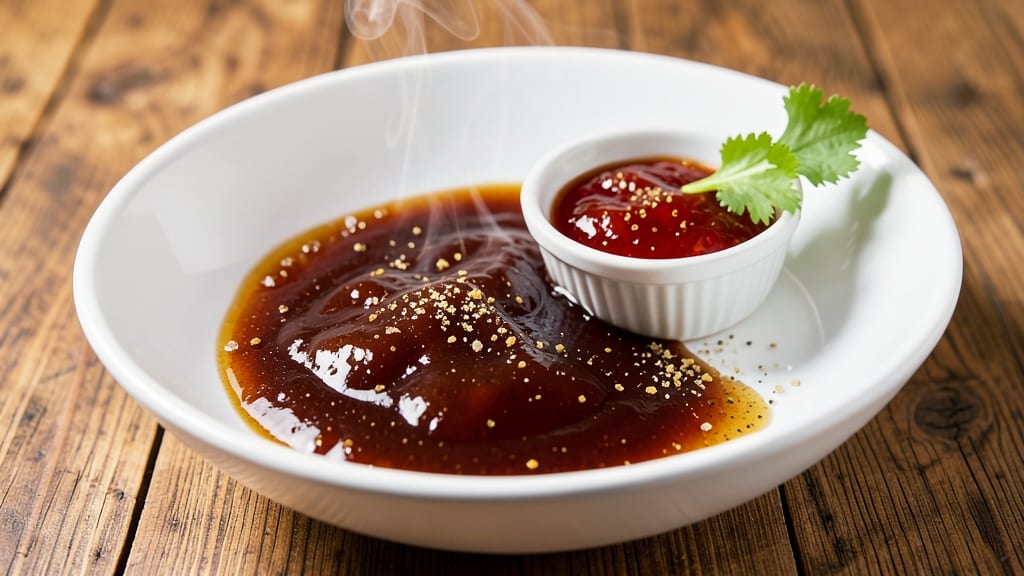
This Applebee's dumpling sauce recipe unlocks the celery-crowned creaminess that makes every bite unforgettable. 🌟 The secret lies in balancing salty soy, tangy vinegar, and sweet sugar—just like the restaurant version—while adding a touch of celery seed for that signature depth.
What sets this apart is how the sauce transforms simple dumplings into a restaurant-worthy meal with minimal effort. The magic happens in the saucepan, where a simple simmer of soy sauce, vinegar, and sugar creates a glossy, velvety base.
Adding cornstarch transforms it into a thick, clingy sauce that coats dumplings perfectly, while celery seed and garlic powder deliver that familiar, comforting flavor. This isn’t just a dipping sauce—it’s the star of the dish.
What you’ll end up with is a smooth, aromatic sauce that’s rich enough to stand alone but bright enough to complement any dumpling. The celery seed adds a subtle, earthy note that elevates the sauce beyond basic soy-based versions, making it taste like it came straight from the restaurant.
It’s foolproof, adaptable, and ready in just 15 minutes. Perfect for homemade dumplings, potstickers, or even as a glaze for roasted meats. Let’s make this sauce—it’s the little detail that turns a good meal into a great one.
Ingredients for applebee's dumpling sauce
Eight essential ingredients blend into the velvety sauce that turns dumplings into restaurant-worthy bites.
| Ingredient | Amount | Notes |
|---|---|---|
| Low-Sodium Soy Sauce 🍶 | ½ cup | High-quality brand preferred |
| White Vinegar 💧 | ¼ cup | Distilled preferred for balance |
| Granulated Sugar 🍚 | ¼ cup | White or brown preferred |
| Cornstarch 🌾 | 1 tbsp | For thickening consistency |
| Ground Celery Seed 🌿 | 1 tsp | Key for signature flavor |
| Garlic Powder 🧄 | ½ tsp | Freshly ground preferred |
| Water 💧 | ¼ cup | Room temperature preferred |
| Diamond Crystal Kosher Salt 🧂 | ¼ tsp | Adjust to taste |
The soy sauce anchors this recipe—Kikkoman or La Choy deliver consistent quality, but any low-sodium brand works. Vinegar should be white and distilled (Heinz or Maid of Honor are reliable), as apple cider vinegar can introduce unwanted sweetness. Celery seed is non-negotiable for that signature depth; Penzeys or bulk spice sections carry the best quality. For the sugar, white granulated ensures smooth texture, though light brown adds subtle molasses notes if you prefer warmth. The cornstarch must be Argo or Bob's Red Mill—other brands can leave a grainy aftertaste.
No celery seed? Dried celery flakes at half the amount work in a pinch, though texture differs. Short on vinegar? Lemon juice at equal measure mimics acidity, but flavor shifts slightly. The garlic powder can be replaced with fresh minced garlic (1/4 tsp) for brightness, though it burns faster. For a smoother sauce, whisk cornstarch into cold water first before adding to the hot mixture—this prevents clumping. If your sauce is too thin after thickening, a quick simmer with an extra 1/2 tsp cornstarch slurry fixes it instantly.
This sauce maintains peak freshness for 1 week refrigerated in an airtight container, though flavor deepens over time. For longer storage, freeze in ice cube trays—thaw and reheat gently for perfect consistency. The sauce reheats beautifully; simmer 2-3 minutes on low heat with a splash of water if it thickens too much. Portion into small jars for dumpling dipping stations—one batch covers 24 potstickers or 12 dumplings. Garnish with extra celery seed before serving for that restaurant touch.
Why You'll Love This Recipe
- Pantry Magic: I swear by this sauce because it’s made from things I already have—no special trips to the store. Just a splash of vinegar, a pinch of celery seed (yes, that’s it), and a quick stir. Zero fuss, all flavor.
- Umami Bomb: That low-sodium soy and sugar combo? It’s the secret weapon—sweet, salty, and tangy in one bite. The celery seed adds this weirdly addictive depth that makes it taste restaurant-quality without the markup.
- Dip Everything: It’s not just for dumplings. I drizzle it on grilled chicken, toss it with noodles, or even use it as a marinade. Honestly, I’ve lost track of how many ways I’ve repurposed this stuff—it’s my go-to for quick meals.
- Leftovers That Last: A small batch keeps for weeks in the fridge, and it only takes 10 minutes to reheat. I make double batches because it’s cheaper than buying sauce, and I always end up using it before it expires. Smart move.
Step-by-step instructions for Applebee's dumpling sauce
This is how I recreate that signature celery-crowned sauce—rich, tangy, and perfectly balanced every time.
🍳 Step 1: Create the Base with Soy Sauce and Vinegar
In a medium saucepan, combine the 0.5 cup low-sodium soy sauce and 0.25 cup white vinegar. Bring to a gentle simmer over medium heat—you should hear a soft bubbling but not a vigorous boil. This combination forms the foundational tang that defines the sauce's character.
Let it simmer for 2-3 minutes until the mixture reduces slightly and the aroma becomes more concentrated. The vinegar will mellow out as it cooks, but don't let it boil dry—this is where the sauce's balance begins. I like to stir occasionally with a wooden spoon, scraping up any bits that stick to the bottom of the pan.
🍳 Step 2: Sweeten and Season with Sugar and Spices
Add the 0.25 cup granulated sugar, 1 tsp ground celery seed, 0.5 tsp garlic powder, and 0.25 tsp Diamond Crystal kosher salt to the simmering mixture. Stir well to dissolve the sugar completely—this is crucial for an even flavor distribution. The celery seed is the secret ingredient that gives the sauce its signature depth and slightly herbal note.
Continue simmering for 3-4 minutes until the sugar is fully incorporated and the mixture thickens slightly. You'll notice the sauce become glossy and slightly syrupy—this is when the flavors start to meld together. Taste at this stage; if it needs more salt, adjust with a pinch, but the original amount should be spot-on for balance.
🥘 Step 3: Thicken with Cornstarch Slurry
In a small bowl, whisk together the 1 tbsp cornstarch and 0.25 cup water until smooth—this creates a slurry that will thicken the sauce evenly. Pour this mixture slowly into the saucepan while stirring constantly with a wooden spoon. The cornstarch needs to be fully incorporated to avoid lumps.
Return the sauce to a gentle simmer and cook for 2-3 minutes until it thickens to a glossy, spoonable consistency. You're aiming for a sauce that coats the back of a spoon but isn't gluey. If it thickens too quickly, add 1-2 tablespoons of water to adjust the texture. The sauce should be smooth, with no visible cornstarch granules.
⏰ Step 4: Cool and Serve with Perfect Texture
Remove the sauce from heat and let it cool for 5-10 minutes—this resting period allows the flavors to fully develop and the sauce to reach its ideal consistency. The sauce will thicken slightly more as it cools, so don't over-thicken it at the end.
Once cooled, transfer the sauce to a serving dish or small saucepan. If you're serving it immediately, reheat gently over low heat—just enough to warm through without breaking the emulsion. This sauce is best served warm, drizzled generously over chicken and dumplings, biscuits, or even as a dipping sauce for fries.
Pro Tips For Making Applebee'S Dumpling Sauce
- STIR CONSTANTLY AT FIRST: This sauce demands attention—don’t walk away when you first add the cornstarch slurry. The moment you mix it in, keep stirring like your life depends on it for the first 30 seconds. I learned this the hard way when my sauce turned into a grainy mess because I got distracted. A smooth sauce starts with relentless stirring.
- USE COLD WATER FOR SLURRY: Whisk your cornstarch with cold water before adding it to the hot sauce. I used to use warm water, and the sauce would clump or thicken unevenly. Cold water keeps the cornstarch suspended longer, giving you time to stir it in properly. Trust me, this small step makes a real difference in texture.
- MEASURE VINEGAR PRECISELY: That white vinegar isn’t just flavor—it’s the balance. Too much, and your sauce tastes harsh; too little, and it’s flat. Use a measuring spoon, not a splash. I once eyeballed it and ended up with a sauce that tasted like a science experiment gone wrong. Precision here guarantees that signature tang you crave.
- TOAST THE CELERY SEED: Lightly toast the ground celery seed in a dry pan for 10 seconds before adding it to the sauce. This wakes up its flavor without burning it. I was skeptical until I tried it—now it’s non-negotiable. The aroma alone makes the sauce taste deeper and more complex. (Yes, even if you’re impatient like me.)
Best sauces and condiments for this recipe
Signature Celery Seed
The ground celery seed is non-negotiable for that authentic Applebee's taste. I always use Penzeys brand because it delivers the most robust, earthy flavor without bitterness. If you can't find it, dried celery flakes work in a pinch, but use only ½ tsp—they're less potent.
The seed adds a subtle herbal depth that balances the soy and vinegar beautifully. 🌿
Soy Sauce Quality Matters
Not all soy sauces are created equal for this recipe. I recommend low-sodium Kikkoman or La Choy for consistent results—they have the right balance of saltiness and umami. If using regular soy sauce, reduce the kosher salt to ¼ tsp to avoid over-salting.
The sauce should be tangy but not overpowering. For extra depth, add ½ tsp fish sauce if you're feeling adventurous.
Vinegar Swaps and Adjustments
White vinegar is the standard, but distilled brands like Heinz or Maid of Honor work best. For a slightly fruitier note, substitute lemon juice at the same measurement, though the flavor will shift.
If your vinegar is too strong, add ½ tsp extra sugar to balance the acidity. The vinegar should mellow during simmering, creating a smooth, tangy base.
Sweetness Control
Granulated sugar ensures a clean, smooth texture, but light brown sugar adds subtle molasses warmth if you prefer. If your sauce tastes too sweet, add 1-2 tbsp extra vinegar to cut through it.
For a healthier option, use monk fruit sweetener at ½ the amount, though the flavor profile will differ slightly. Taste as you go—this sauce needs that perfect sweet-savory balance.
Thickening Troubleshooting
If your sauce clumps after adding cornstarch, whisk the slurry thoroughly before pouring it in. For extra smoothness, strain the finished sauce through a fine-mesh sieve. If it's too thick, thin with 1 tbsp water at a time.
If too thin, simmer with ½ tsp extra cornstarch mixed into 1 tsp water until desired consistency is reached. The goal is a glossy, spoonable texture that clings to dumplings.
Storage and Reheating
Store in an airtight container in the fridge for up to 1 week, or freeze in ice cube trays for longer storage. To reheat, simmer on low heat with 1 tbsp water until warmed through—never microwave, as it can break the emulsion.
The sauce thickens slightly when cold, so adjust with water if needed. Garnish with extra celery seed before serving for that restaurant touch. 💫
Nutrition facts
Frequently asked questions
Can I make this dumpling sauce without celery seed?
You can substitute with ½ tsp dried celery flakes, but the flavor won't be identical. For a similar earthy depth, try ½ tsp ground caraway seeds or ¼ tsp dried thyme. The celery seed is key for that signature Applebee's taste, though!
How do I adjust the sauce for spicier dumplings?
Add ¼ tsp red pepper flakes or ½ tsp sriracha to the finished sauce for heat. For a smokier kick, stir in ¼ tsp smoked paprika during the simmering stage. Always taste first—the sauce should complement, not overpower, the dish.
Will this sauce work for non-dumpling dishes?
It's perfect for glazing grilled chicken, drizzling over mashed potatoes, or even as a dipping sauce for spring rolls. The balance of sweet, tangy, and savory makes it versatile for many dishes. Try it on roasted vegetables too!
Why did my sauce get grainy after thickening?
This usually happens when cornstarch isn't fully dissolved in the slurry. Always whisk it thoroughly until smooth, then add to the hot sauce while stirring constantly. If it happens, strain through a fine-mesh sieve to remove any lumps.
Can I make this sauce ahead of time?
Yes! Store it in an airtight container in the fridge for up to 1 week. For longer storage, freeze in ice cube trays and thaw in the fridge. Reheat gently on low heat with a splash of water to restore its smooth texture.