
Sauces & Condiments
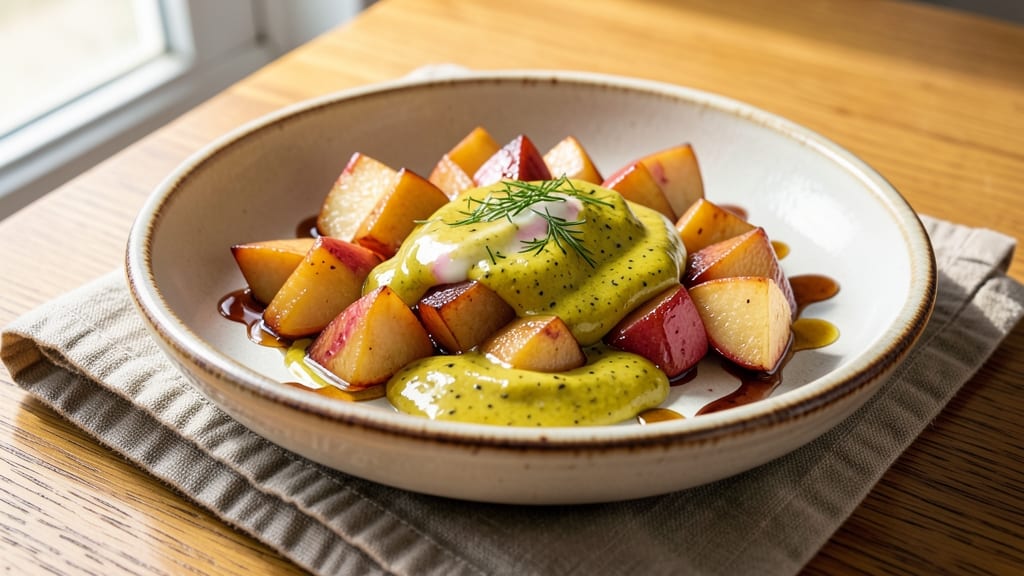
This apple horseradish sauce recipe delivers a perfect balance of sharp horseradish and sweet apple—ideal for cutting through rich meats like roast beef or pork. The secret lies in cooking the apples until tender, which softens their acidity and enhances the sauce’s depth. You’ll need just 15 minutes of prep time, and the flavors only improve as it sits.
The sauce’s magic comes from combining prepared horseradish with caramelized apples, a touch of vinegar for brightness, and a hint of sugar to round out the heat. A splash of crème fraîche or yogurt adds creaminess without overpowering the bold flavors.
This isn’t just a condiment—it’s a flavor enhancer that elevates any dish it touches.
Perfect for serving alongside holiday roasts, sandwiches, or even as a tangy dip, this sauce keeps well in the fridge for up to a week. The sharpness mellows slightly over time, making it even more versatile.
Whether you’re hosting a dinner party or prepping for meal prep, this recipe is your go-to for adding a sophisticated kick.
For extra depth, add a pinch of black pepper or a dash of smoked paprika. Store in an airtight container, and you’ll have a condiment that’s always ready to transform your meals. Let’s make this sauce—it’s easier than you think!
Ingredients for apple horseradish sauce
Sweet apples and sharp horseradish—just these ten ingredients transform rich dishes instantly.
| Ingredient | Amount | Notes |
|---|---|---|
| Honeycrisp Apples 🍎 | 2 medium | Peeled, cored, diced small |
| Prepared Horseradish 🌶️ | ½ cup | Mild or hot variety preferred |
| Crème Fraîche 🧈 | ½ cup | Full-fat for creaminess |
| Apple Cider Vinegar 💧 | 2 tbsp | For brightness |
| Granulated Sugar 🍚 | 2 tbsp | Balances sharpness |
| Extra-Virgin Olive Oil 🫒 | 2 tbsp | For richness |
| Fresh Lemon Juice 🍋 | 1 tbsp | Brightens flavor |
| Ground Black Pepper 🌶️ | ¼ tsp | Freshly ground preferred |
| Smoked Paprika 🌶️ | ¼ tsp | Optional for depth |
| Salt 🧂 | ½ tsp | Kosher or sea salt |
Start with apples—Honeycrisp or Fuji work best (they hold up to cooking). Trader Joe's or Whole Foods usually have them prepped and ready, but grab a knife if you're at a regular grocery store. The horseradish? Bulk bins at specialty stores have fresher, less processed versions—look for bright color and no sliminess. Crème fraîche is non-negotiable here (it's creamier than sour cream), but full-fat Greek yogurt works in a pinch. For the vinegar, stick with apple cider—it complements the apples perfectly.
No crème fraîche? Sour cream thinned with a splash of milk gets you close, though it's not quite as rich. Horseradish too strong? Mix in a little extra apple cider vinegar to mellow it out. Want more depth? Add a dash of Dijon mustard or a pinch of cayenne. The sugar can be swapped for maple syrup if you're avoiding refined sugar. For the apples, if you burn them while cooking, just start over—they need to be tender but not caramelized (that's for another sauce).
This sauce tastes even better the next day once the flavors meld. Store in an airtight container with a thin layer of olive oil on top to preserve freshness for up to 1 week in the fridge. Freezes beautifully for 3 months—perfect for holiday prep. Portion into small jars so you always have a ready-to-use condiment. The sharpness mellows slightly over time, making it even more versatile for sandwiches or dips.
Why You'll Love This Recipe
- Five-Ingredient Magic: I swear by this lineup—just apples, horseradish, crème fraîche, vinegar, and sugar. No fancy techniques, no hidden pantry raids, and the sauce comes together while you’re still debating what to eat for dinner. Honestly, the prep is so simple I’ve made it drunk (don’t tell my friends).
- Sweet-Spicy Kick: That Honeycrisp apple adds juicy sweetness while the horseradish brings the heat—like a hug for your taste buds with a side of whoa. The crème fraîche smooths it out, so it’s tangy but never harsh, and the apple cider vinegar ties everything into a bright, balanced punch.
- Game for Any Plate: Slather it on roasted pork chops, drizzle it over grilled salmon, or toss it with buttered noodles—it’s the MVP of weeknight meals. Between us, I’ve even used it as a dip for carrot sticks when I’m too tired to cook. (Yes, even on a Tuesday night.)
- Leftovers That Don’t Let You Down: This sauce keeps for ages in the fridge, and the flavor only deepens over time. I’ve had it last me three days, and it’s still just as good—no sad, watery sauces here. Plus, the crème fraîche keeps it rich, so you won’t regret making extra.
Step-by-step instructions for apple horseradish sauce
Here's how to balance sweet, tangy, and spicy flavors for a sauce that's bold yet refined.
Cook the Apples Until Tender
In a medium saucepan, combine the diced honeycrisp apples, the 2 tablespoons of granulated sugar, and the 2 tablespoons of apple cider vinegar. Cook over medium heat for 8-10 minutes, stirring occasionally, until the apples soften and release their juices. You'll see the mixture turn translucent and smell sweetly fruity.
I like to press the apples gently with a wooden spoon during the last 2 minutes of cooking—this helps break them down further and releases more natural sweetness. The apples should be fork-tender but not mushy, as they'll continue to cook slightly when mixed with the other ingredients.
Blend the Sauce Components
Transfer the cooked apples to a food processor or blender. Add the 0.5 cup of prepared horseradish, the 0.5 cup of crème fraîche, the 2 tablespoons of extra-virgin olive oil, and the 1 tablespoon of fresh lemon juice. Pulse or blend until completely smooth, scraping down the sides as needed to ensure even blending.
Here's the thing—don't skip the blending step. The texture should be velvety, not chunky, so you get that perfect balance between smoothness and the subtle bite of the horseradish. If it's too thick, add 1 tablespoon of water at a time until it reaches a pourable consistency, but not too thin.
Season and Simmer for Depth
Return the blended mixture to the saucepan and place it over low heat. Stir in the 0.25 teaspoon of smoked paprika, the 0.25 teaspoon of ground black pepper, and the 0.5 teaspoon of salt. Let the sauce simmer gently for 5-7 minutes, stirring occasionally, until it thickens slightly and the flavors meld together.
Taste the sauce as it simmers—this is where you can adjust the balance. If it needs more brightness, add a splash more lemon juice. If it's too sharp, a pinch more sugar will help. The sauce should be tangy but not overwhelming, with a subtle sweetness from the apples and a gentle kick from the horseradish.
Cool and Rest Before Serving
Remove the sauce from heat and let it cool to room temperature. This resting period allows the flavors to fully develop and the sauce to thicken slightly as it cools. I know it's tempting to serve it immediately, but trust me—waiting 10-15 minutes makes a noticeable difference in texture and flavor.
Once cooled, transfer the sauce to a clean jar or airtight container. It will keep in the refrigerator for up to 5 days, making it perfect for meal prep. The flavors actually improve over time, so it's great to have on hand for sandwiches, roasted meats, or even as a dip.
Pro Tips For Making Apple Horseradish Sauce
- Grate, Don’t Chop: DESCRIPTION: Horseradish loses its punch when it’s pulverized into a paste. Use a box grater or microplane for the freshest bite—just a few seconds of work makes a real difference. (And if you’re using jarred horseradish, skip this step entirely—it’s already been pre-grated for you.)
- Sweat the Apples: DESCRIPTION: Toss diced Honeycrisp apples with a pinch of sugar and let them sit for 5 minutes before adding vinegar. This draws out their juices and softens the texture, so your sauce isn’t watery or grainy. (Yes, even if you’re impatient like me.)
- Whisk in Stages: DESCRIPTION: Horseradish is a sneaky ingredient—it’ll make your sauce curdle if you dump it all in at once. Mix the crème fraîche and vinegar first, then slowly fold in the horseradish while tasting. Stop when it’s sharp but not overpowering. (Your future self will thank you.)
- Balance the Vinegar: DESCRIPTION: Apple cider vinegar adds tang, but too much turns your sauce into a sad, puckery mess. Start with 1 tablespoon, taste, then adjust—you can always add more, but you can’t take it out. (I learned this the hard way after making a batch that tasted like a salad dressing.)
Troubleshooting this dish
Too Sharp?
If your sauce tastes overwhelmingly spicy, balance it by adding 1 teaspoon more granulated sugar or 1 tablespoon apple cider vinegar to mellow the horseradish. Simmer for another 2-3 minutes to let the flavors integrate. For a smoother texture, blend again briefly to redistribute the ingredients. 🌶️
Too Thin?
Sauce consistency matters! If it’s too runny, simmer uncovered for 5-7 minutes to reduce the liquid. Alternatively, stir in 1 teaspoon cornstarch mixed with 1 tablespoon cold water and cook until thickened. Avoid over-blending—chunky bits add texture and prevent a gluey finish.
Apples Too Tart?
Underripe apples can make the sauce taste overly acidic. To fix this, add ½ teaspoon more sugar or 1 teaspoon honey while simmering. For future batches, cook the apples for an extra 2 minutes to soften their natural acidity.
A splash of lemon juice can also brighten the flavor without adding tartness. 🍎
Horseradish Too Mild?
If the horseradish flavor is weak, increase it by 1 tablespoon and blend again. For extra kick, add ½ teaspoon cayenne pepper or a dash of hot sauce.
Let the sauce sit for 10 minutes before tasting—sometimes the heat develops over time. Fresh horseradish (grated yourself) is always stronger than prepared versions.
Sauce Separated?
If the sauce splits into layers, gently reheat it over low heat while whisking constantly. The crème fraîche may separate if the sauce gets too hot, so keep the temperature below 160°F. For a quick fix, blend again briefly to re-emulsify. Avoid adding extra liquid—this will worsen the separation.
Storage Issues?
If your sauce develops mold or an off smell within 5 days, it’s time to toss it. To prevent spoilage, store it in an airtight container with a thin layer of olive oil on top.
For longer storage, freeze in ice cube trays—thaw portions as needed. The sauce should keep its quality for 3 months in the freezer. ❄️
Nutrition facts
Frequently asked questions
Can I use regular horseradish instead of prepared horseradish?
Yes, but you'll need to grate it fresh first! Use 2 tablespoons of freshly grated horseradish (about 1 small root) for every 0.5 cup of prepared horseradish in the recipe. Fresh horseradish is much stronger, so start with less and adjust to taste. The texture will be slightly grainier, so blend thoroughly for a smooth sauce.
What's the best way to serve this apple horseradish sauce?
This versatile sauce works beautifully with roasted meats like pork tenderloin or beef, but it's also perfect for sandwiches, especially corned beef or pastrami. Try it as a dip with pretzels or crackers, or drizzle it over mashed potatoes for a tangy twist. For holiday meals, it pairs wonderfully with turkey or ham. The sharpness cuts through rich flavors beautifully!
How do I adjust the heat level for kids or sensitive palates?
For milder versions, reduce the prepared horseradish to 0.25 cup and add 1 extra tablespoon of apple cider vinegar to balance the flavor. You can also mix in 1 tablespoon honey or maple syrup to further mellow the heat. For children, serve it on the side so they can add as much as they like. The sweet apples will still shine through!
Can I make this sauce without dairy?
Replace the crème fraîche with 0.5 cup of coconut yogurt or cashew cream for a dairy-free version. The texture will be slightly lighter, but the flavors will still be vibrant. For extra richness, add 1 tablespoon olive oil to compensate. The sauce will still keep its tangy-sweet balance without dairy.
Will this sauce work with other fruits instead of apples?
Yes, but apples work best because their natural sweetness balances the horseradish perfectly. For a different twist, try peaches (use 1 cup diced, cooked until soft) or pears (remove seeds first). Just remember that other fruits may change the flavor profile—peaches will be sweeter, while pears might add a more floral note. Adjust sugar to taste!