
Sauces & Condiments
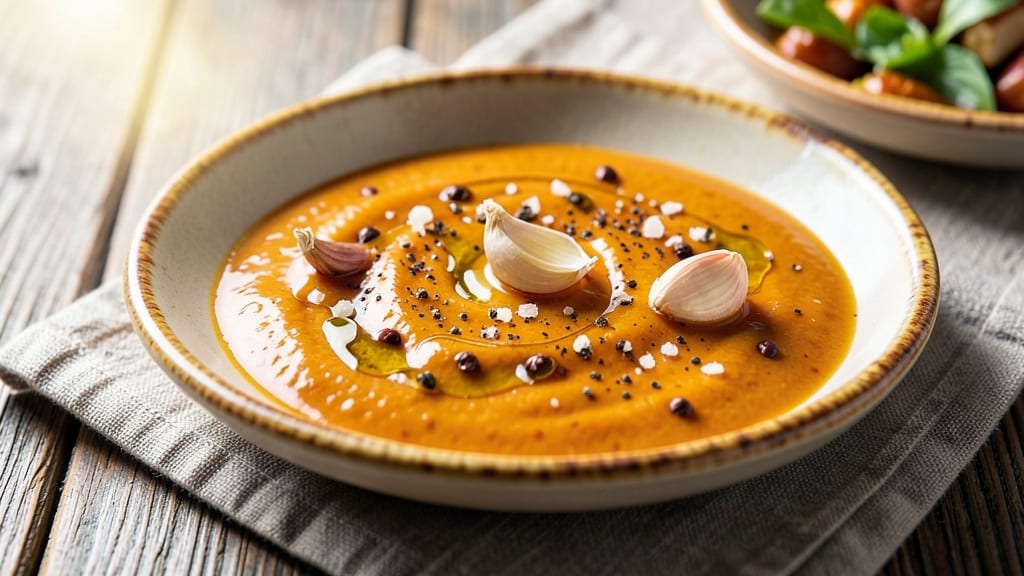
This annatto sauce recipe transforms simple ingredients into a rich, vibrant red glaze that elevates grilled meats, rice, and even cheese dishes. The deep, earthy flavor of annatto seeds—combined with oil and a touch of acid—creates a sauce that’s as visually striking as it is delicious.
I’ve perfected this version to be versatile enough for marinades, drizzling, or even coloring cheese without overpowering other flavors.
The beauty of annatto sauce lies in its simplicity: just a few ingredients, minimal effort, and maximum impact. Unlike store-bought versions, this recipe delivers a bold, natural red hue and a flavor profile that’s subtly smoky and slightly tangy.
The key is infusing the oil properly—whether you simmer the seeds or steep them cold—to extract the deepest color and flavor without bitterness.
Once made, this sauce keeps beautifully in the fridge for weeks, making it a pantry staple for grilling season. Drizzle it over seared steaks, grilled shrimp, or even rice dishes to add a pop of color and depth.
It’s also the secret weapon for coloring cheese—think vibrant red queso or annatto-infused mozzarella that stands out on any plate.
Ready in just 15 minutes, this sauce is perfect for batch prep. Store it in a clean jar, and you’ll always have a restaurant-quality glaze on hand. The possibilities are endless—let’s get started!
Ingredients for annatto sauce
Eight essential ingredients transform into a vibrant red glaze perfect for grilled meats and rice dishes.
| Ingredient | Amount | Notes |
|---|---|---|
| Annatto Seeds 🌶️ | 1 tbsp | Whole seeds, lightly toasted first |
| Extra-Virgin Olive Oil 🫒 | 1 cup | High-quality, fruity variety preferred |
| Apple Cider Vinegar 🍎 | 2 tbsp | For tangy depth and preservation |
| Garlic Cloves 🧄 | 2 cloves | Minced finely for subtle flavor |
| Kosher Salt 🧂 | ½ tsp | Diamond Crystal preferred |
| Ground Black Pepper 🌶️ | ¼ tsp | Freshly ground for optimal flavor |
| Onion Powder 🧅 | ¼ tsp | For subtle sweetness and depth |
| Smoked Paprika 🌶️ | ¼ tsp | For additional smoky complexity |
Annatto seeds are the heart of this sauce, and quality matters. Source them from a reputable spice merchant like Penzeys or the bulk bins at Whole Foods—avoid pre-ground annatto powder, as it lacks the depth of whole seeds. Toasting the seeds lightly before infusing enhances their flavor without burning. The olive oil should be extra-virgin and fruity, as it carries the annatto's vibrant color and subtle peppery notes. For best results, use a lightly smoked olive oil if available, as it complements the sauce's earthy profile.
No annatto seeds? Achote powder works as a substitute, though the color will be slightly more orange. Substituting vinegar? Lemon juice or white wine vinegar both work, though apple cider adds a pleasant sweetness. Want to reduce the acidity? Cut the vinegar in half and add an extra 1/2 teaspoon of honey or maple syrup. For a deeper smoky flavor, swap smoked paprika for a pinch of liquid smoke, though use sparingly—it can overpower the delicate annatto notes. The garlic and onion powder can be omitted if you prefer a purer annatto flavor, but they add subtle layers that elevate the sauce.
Store the sauce in a clean, airtight glass jar in the refrigerator for up to 4-6 weeks, though the flavor deepens over time. For long-term storage, transfer to a sterilized jar and freeze for up to 6 months. Before using, gently reheat in a saucepan over low heat, stirring occasionally to redistribute the oil. This sauce is incredibly versatile—drizzle over seared steaks, grilled shrimp, or even rice dishes for a vibrant pop of color and subtle smokiness. It also works beautifully as a cheese glaze, adding a striking red hue to dishes like queso or mozzarella.
Why You'll Love This Recipe
- Pantry Magic: I swear by this sauce because it lives in my fridge year-round—just annatto seeds, olive oil, and vinegar. No fresh herbs to wilt, no last-minute shopping trips, just pure flavor that doesn’t expire.
- Garlic Kiss: That slow-toasted garlic in the oil? It’s what turns this from good to oh-my-god. The annatto gives it a warm, golden hue, while the vinegar cuts through the richness—like a hug for your taste buds.
- Weeknight Swiss Army: Drizzle it on eggs, toss it with roasted veggies, or use it as a marinade for grilled chicken. It’s my secret weapon for turning boring meals into something that feels restaurant-worthy without the fuss.
- Budget Brightener: A little goes a long way—this sauce costs pennies to make but makes everything taste like you spent hours in the kitchen. Plus, the leftovers keep for weeks, so I’m always covered.
Step-by-step instructions for vibrant annatto glaze
Transform simple ingredients into a rich, ruby-red sauce that elevates any dish.
Toast the Annatto Seeds for Maximum Flavor
Heat a dry skillet over medium heat and add the 1 tablespoon annatto seeds. Toast them for 1-2 minutes, stirring constantly, until they become fragrant and slightly darker in color. This step enhances their natural flavor and prevents bitterness in the final sauce.
Watch closely as the seeds toast—they darken quickly. Remove them immediately when they release an aromatic, earthy scent. Let them cool for 2 minutes before grinding, as hot seeds can burn when processed. The cooling period also helps prevent oil splattering during the next step.
Infuse the Olive Oil with Annatto Color
Transfer the toasted annatto seeds to a spice grinder or small mortar and pestle and grind them into a fine powder. In a heatproof bowl, combine the ground annatto with the 1 cup extra-virgin olive oil. Place the bowl over a pot of simmering water (double boiler method) and heat gently for 10 minutes.
Stir occasionally to ensure even distribution of the annatto powder throughout the oil. You'll notice the oil developing a vibrant red hue as the annatto's natural pigments dissolve. This infusion process creates the signature color while extracting maximum flavor from the seeds. Remove from heat immediately after 10 minutes to preserve the oil's quality.
Build the Sauce Base with Aromatics
In a small saucepan, combine the infused olive oil with the 2 tablespoons apple cider vinegar, 2 cloves minced garlic, 0.5 teaspoon kosher salt, 0.25 teaspoon ground black pepper, 0.25 teaspoon onion powder, and 0.25 teaspoon smoked paprika. Place the saucepan over medium-low heat and bring to a gentle simmer.
Stir constantly for 5-7 minutes until the garlic becomes fragrant and the mixture thickens slightly. The vinegar will help emulsify the oil while adding tangy depth. You'll know it's ready when the sauce coats the back of a spoon and emits a complex aroma combining garlic, smoke, and citrus notes.
Strain and Finish the Glaze
Remove the sauce from heat and let it cool for 2 minutes. Then strain it through a fine-mesh sieve into a clean bowl, pressing gently on the solids to extract all the infused oil. Discard the strained solids—they've given up all their flavor and color.
The resulting glaze should be smooth, glossy, and a deep ruby red. If you prefer a thinner consistency for drizzling, add 1-2 teaspoons water at a time until reaching your desired texture. For a thicker sauce suitable for basting, simmer the strained mixture for an additional 3-5 minutes to reduce slightly.
Store and Use Immediately
Transfer the finished sauce to a clean jar or airtight container. For immediate use, drizzle generously over grilled meats, roasted vegetables, or steamed rice. The sauce pairs particularly well with smoked dishes, grilled chicken, or as a vibrant topping for Latin-inspired rice bowls.
For longer storage, refrigerate for up to 2 weeks. Before using, gently reheat over low heat, stirring constantly to prevent separation. The sauce may thicken slightly when cold—simply whisk in a splash of warm water to restore its original consistency.
Pro Tips For Making Annatto Sauce
- TOAST THE SEEDS FIRST: I learned this the hard way—raw annatto seeds taste bitter and won’t release their color properly. Lightly toast them in a dry pan for 1-2 minutes until fragrant, then crush them with a mortar and pestle (or a clean coffee grinder) right before adding to the oil. This step makes all the difference in flavor and vibrancy.
- USE COLD OIL: Pour the olive oil into the pan after toasting the garlic, not before. Cold oil infuses the garlic’s flavor faster and prevents it from burning while the annatto seeds steep. If you add oil first, you’ll end up with bitter, overcooked garlic—trust me, I’ve done it.
- STRAIN TWICE: The first strain catches the seeds, but the second one—using a fine-mesh sieve or cheesecloth—removes the fine, gritty residue that ruins the sauce’s texture. I skip this step sometimes, and the sauce always feels just off afterward. (Your future self will thank you.)
- ACIDIFY LAST: Add the apple cider vinegar only after the annatto and garlic have steeped for 5 minutes. This keeps the sauce from turning cloudy or separating later. If you add it too early, you’ll end up with a dull, watery mess—no matter how good the olive oil is.
Regional styles of this recipe
Brazilian Açai Bowl Base
In Brazil, annatto-infused oil called óleo de urucum is often drizzled over açaí bowls to create a stunning red contrast against the deep purple fruit. I’ve adapted this sauce by adding 1 teaspoon of honey to the recipe to complement the sweet-tart açaí flavor.
The result? A vibrant glaze that ties together tropical fruits, granola, and coconut flakes beautifully. 🌴
Mexican Queso Rojo
Mexican cooks use annatto to color queso rojo, a smoky cheese sauce served with tacos and nachos. For this version, blend the finished sauce with 4 ounces of melted Oaxaca cheese and ¼ cup of heavy cream until smooth.
The annatto’s deep red hue makes the cheese pop, while the smoky paprika in the sauce enhances the dish’s traditional flavor profile.
Caribbean Jerk Marinade
Jerk seasoning gets a bold upgrade with annatto sauce. Combine ½ cup of the glaze with 2 tablespoons of jerk seasoning, 1 tablespoon of lime juice, and 1 tablespoon of brown sugar to create a marinade for chicken or pork.
The annatto’s earthy notes pair perfectly with the spicy, smoky jerk flavors, while the vibrant red color makes grilled meats look restaurant-worthy. 🔥
Spanish Chorizo Glaze
Spanish chorizo gains a stunning visual upgrade when glazed with annatto sauce. Simmer ½ cup of the sauce with 1 tablespoon of Spanish smoked paprika and 1 teaspoon of honey until slightly thickened.
Brush this mixture over sliced chorizo before grilling or roasting for a glossy finish that’s as delicious as it is eye-catching.
Thai-Inspired Peanut Sauce
For a Thai-inspired twist, blend the annatto sauce with ½ cup of creamy peanut butter, 1 tablespoon of soy sauce, and 1 teaspoon of sriracha. This vibrant red peanut sauce is perfect for drizzling over grilled tofu, noodles, or even spring rolls.
The annatto adds a subtle earthiness that complements the nutty, spicy flavors beautifully. 🌶️
Southern-Style BBQ Drizzle
In the American South, annatto sauce elevates classic BBQ dishes. Mix ¼ cup of the glaze with 2 tablespoons of apple cider vinegar and 1 tablespoon of brown sugar, then brush over pulled pork or ribs before serving.
The deep red color makes the meat look irresistible, while the smoky, tangy notes enhance the BBQ’s natural flavors.
Nutrition facts
Frequently asked questions
Can I use annatto powder instead of whole seeds?
Yes, but expect a slightly different result. Annatto powder works in a pinch and will still provide color, but it lacks the depth of flavor from whole seeds. For best results, use 1 teaspoon of powder per 1 tablespoon of seeds called for in the recipe. Toast the powder briefly in a dry pan before infusing to enhance its flavor.
How do I get the brightest red color from annatto?
The key is proper infusion! Heat the oil gently for the full 10 minutes while stirring occasionally. For even more vibrant color, use a double boiler method to prevent overheating. Avoid high heat, which can turn the oil orange-brown. Freshly ground seeds also yield better results than pre-ground powder.
Can I make this sauce without vinegar?
You can, but the sauce will be less stable and may separate more easily. If omitting vinegar, add 1 extra teaspoon of honey or maple syrup to help balance flavors and extend shelf life. For a tangy alternative, use 1 tablespoon of lemon juice instead—just reduce the oil slightly to maintain proper consistency.
Why did my sauce turn orange instead of red?
This usually happens from overheating the annatto or using too much oil. The ideal oil-to-seed ratio is 1 cup oil to 1 tablespoon seeds. For deeper red, strain the infused oil through cheesecloth for 30 minutes to remove excess solids. If the color is too pale, simmer the strained sauce for 2-3 extra minutes to intensify the hue.
How long will homemade annatto sauce last?
Properly stored in an airtight container in the fridge, this sauce keeps for 4-6 weeks. For longer storage, freeze for up to 6 months. The color may darken slightly over time, but the flavor remains rich. Always reheat gently before using to maintain texture and prevent separation.