
Sauces & Condiments
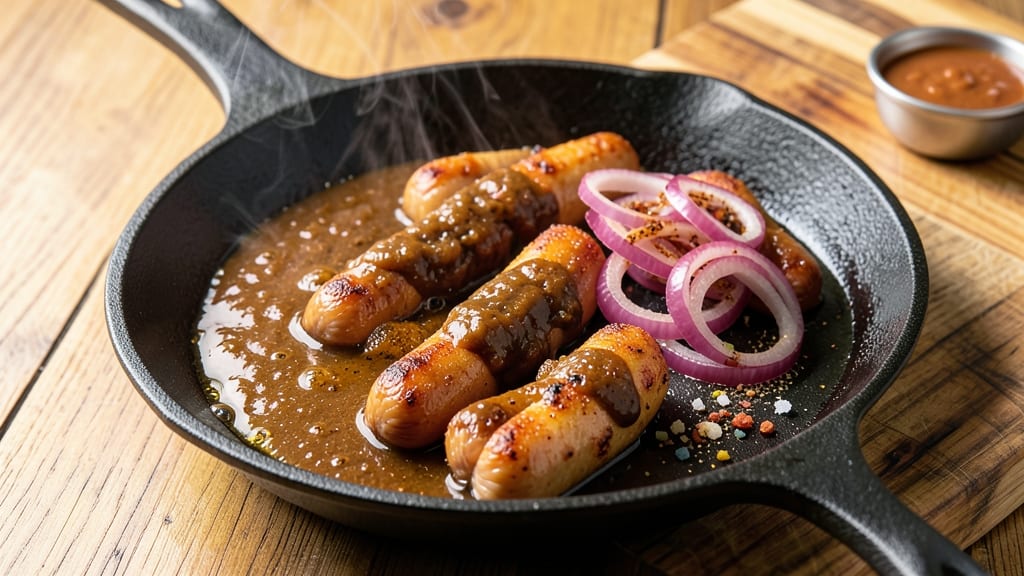
Angelo's Coney Island sauce delivers that iconic smoky, tangy-sweet balance that makes hot dogs legendary. This velvety tomato-chili blend simmers down to a rich, slightly spicy sauce with just the right amount of vinegar bite—no shortcuts, no substitutes.
The secret lies in slow reduction, where onions caramelize and spices meld into a harmonious depth that transforms ordinary hot dogs into something unforgettable.
What sets this sauce apart is its simplicity combined with precision. You'll work with just a handful of ingredients—tomato paste, vinegar, spices, and a touch of sugar—but each plays a critical role in achieving that signature Coney Island flavor.
The sauce develops its signature richness through a 30-minute simmer, allowing flavors to fully integrate without burning or overpowering each other. No fancy techniques required, just patience and attention to balance.
By the time you're done, you'll have a sauce that's perfectly balanced—sweet enough to satisfy, tangy enough to cut through the grease, and smoky enough to transport you to the boardwalk.
The texture is velvety yet not overly thick, clinging beautifully to hot dogs, fries, or even as a dipping sauce for onion rings. This is the kind of sauce that turns a simple meal into a nostalgic experience.
Once you've mastered the base, you can easily customize it with optional additions like Worcestershire sauce for deeper umami or a pinch of mustard for extra tang.
Store it in the fridge for up to two weeks, where the flavors only deepen over time. Ready to create the sauce that made Coney Island famous?
Ingredients for angelo's coney island sauce
Nine simple ingredients transform into Coney Island's iconic smoky, tangy-sweet sauce.
| Ingredient | Amount | Notes |
|---|---|---|
| Tomato Paste 🍅 | 2 tbsp | High-quality, no sugar added |
| Yellow Onions 🧅 | 1 whole | Medium size, finely chopped |
| White Vinegar 🍶 | ½ cup | White or apple cider vinegar |
| Granulated Sugar 🍚 | 2 tbsp | Light brown sugar for depth |
| Chili Powder 🌶️ | 1 tbsp | Smoked paprika for authentic flavor |
| Ground Cumin 🌿 | 1 tsp | Toasted for deeper aroma |
| Garlic Powder 🧄 | 1 tsp | Freshly ground preferred |
| Black Pepper 🌶️ | ½ tsp | Freshly cracked for heat |
| Salt 🧂 | 1 tsp | Kosher salt for balance |
| Water 💧 | 3 cups | Room temperature preferred |
The onions are your flavor foundation—yellow onions caramelize beautifully, but red or Vidalia work too if that's what you've got. For the best quality, grab a fresh onion from the grocery store's produce section (the ones in bags often sit too long). The tomato paste? No sugar added is key—it keeps the sauce from getting cloyingly sweet. I always buy the 26-ounce can from Trader Joe's or the bulk section at Whole Foods, but any quality brand works. The vinegar should be white, but apple cider vinegar adds a subtle fruitiness if you prefer that twist.
No smoked paprika? Regular chili powder plus a pinch of liquid smoke gets you close—just don't overdo it. Short on cumin? Ground coriander at double the amount mimics that earthy depth. The garlic powder can be swapped for 1 fresh clove minced, but it'll burn faster during simmering. For the sugar, light brown adds molasses notes, but white granulated works fine if that's all you've got. The water should be room temperature—cold water can shock the sauce and slow down the caramelization process.
This sauce tastes even better the next day as flavors meld. Store it in a glass jar in the fridge for up to 2 weeks. The texture thickens as it cools, so give it a quick stir before using. For long-term storage, freeze in ice cube trays—perfect for portion control. If it thickens too much, just add a splash of water or vinegar to thin it out. The sauce pairs perfectly with hot dogs, fries, or even as a marinade for grilled meats.
Why You'll Love This Recipe
- Pantry Magic: I swear, this sauce comes together with stuff you already have—no fancy ingredients, no last-minute grocery runs. That tangy vinegar kick and caramelized onions? Pure flavor without the fuss.
- Sweet Heat Balance: Honestly, the sugar and chili powder combo is genius—it’s got that bright, slightly sweet punch with just enough kick to make your taste buds sing. (Yes, even on a Tuesday night.)
- Game for Any Meal: Slather it on hot dogs, toss it with pasta, or drizzle it over eggs—this sauce is my secret weapon for breakfast, lunch, or dinner. My kids ask for it on tacos, and my husband pours it over pizza.
- Lasts Like a Champ: Between us, this sauce keeps for weeks in the fridge and freezes like a dream. I make a big batch on Sundays, and it’s still there when I need a quick, crave-worthy fix. Budget-friendly? Absolutely.
Step-by-step instructions for Angelo's Coney Island sauce
This sauce builds layer by layer—sweet, smoky, and rich—just like Angelo's original.
Bloom the Spices in Tomato Paste
Heat a large saucepan over medium heat and add the 2 tbsp tomato paste. Let it cook undisturbed for 2-3 minutes until it darkens slightly and releases its deep, caramelized aroma. This step develops the sauce's foundation—don't rush it.
Once the tomato paste is fragrant, add the finely chopped yellow onion and stir to coat. Cook for 3-4 minutes until the onions soften and begin to caramelize at the edges. This ensures your sauce won't taste raw or bitter later. The onions should be translucent but not browned—save that for the next step.
Add Vinegar and Sugar for Depth
Pour in the ½ cup white vinegar and 2 tbsp granulated sugar all at once. Stir well to combine, then increase heat to medium-high and let the mixture simmer vigorously for 5 minutes. You'll see it bubble and reduce slightly—this is when the sauce starts building its signature tangy-sweet balance.
Watch closely as the vinegar cooks off. The sauce should reduce by about ¼ and develop a glossy sheen. If it starts to stick, add ¼ cup water to keep it moving. This step prevents a gummy texture later and ensures a silky finish. The aroma will shift from sharp vinegar to something more complex and inviting.
Build the Smoky Base
Reduce heat to medium-low and add the 1 tbsp chili powder, 1 tsp ground cumin, 1 tsp garlic powder, ½ tsp black pepper, and 1 tsp salt. Stir constantly for 2 minutes to toast the spices—you'll smell their warm, earthy notes deepen. This is where the sauce gets its signature smoky depth.
Next, pour in the 3 cups water all at once. Bring to a gentle simmer (small bubbles at the edges) and let it cook uncovered for 15-20 minutes. Stir occasionally to prevent sticking. The sauce should thicken noticeably, coating the back of a spoon. If it reduces too quickly, add ¼ cup water to maintain consistency.
Simmer to Perfection
Once the sauce reaches a smooth, velvety consistency, reduce heat to low and let it simmer for another 10 minutes. Taste and adjust seasoning—you might need a pinch more salt or sugar to balance the flavors. The sauce should be rich, slightly sweet, with a lingering smoky heat.
For the final touch, stir in 1 tbsp additional tomato paste (if you have any left) to deepen the color and flavor. Let the sauce sit off heat for 5 minutes—this resting period allows the flavors to meld completely. Serve warm over hot dogs or as a dipping sauce for fries. The longer it sits, the better it tastes!
Pro Tips For Making Angelo'S Coney Island Sauce
- Cook Onions Low: I learned this the hard way—sautéing onions on high heat for this sauce turns them bitter and dull. Keep the heat at a steady simmer (around medium-low) until they’re soft and translucent, not browned. That sweet, mellow base is what makes the sauce sing.
- Deglaze With Vinegar: Don’t just splash in the white vinegar at the end—add it after the onions soften and before the tomato paste. Let it bubble for 30 seconds to cut through the onions’ raw edge, then stir in the paste. This balances the acid early, so it doesn’t fight the sugar later.
- Skip The Over-Stirring: Once the tomato paste and vinegar mix, resist the urge to stir constantly. Let it cook uncovered for 5–7 minutes without touching—this helps the sugar caramelize and deepen the flavor. Stirring too soon just thins it out.
- Use Less Sugar At First: Taste the sauce before adding all the sugar. The vinegar and chili powder already bring sweetness, so start with half the amount, then adjust. Too much sugar makes the sauce cloying; better to add a pinch later than regret it.
Troubleshooting this dish
Sauce Too Thin?
If your sauce ends up watery after simmering, don't panic—simmering uncovered for an extra 5-10 minutes will help thicken it naturally.
For a quicker fix, mix 1 tbsp cornstarch with 2 tbsp cold water, stir it into the sauce, and simmer for 2-3 minutes until it reaches your desired consistency. I've found that reducing heat to low and letting it cook slowly prevents splattering while concentrating the flavors. 🔥
Burnt or Bitter Taste?
A burnt or bitter flavor usually means the onions or spices cooked too long. For future batches, keep a close eye on the sauce after adding vinegar—it should simmer gently, not boil vigorously.
If you catch it early, add 1-2 tbsp water to dilute the intensity and balance the flavors. A splash of lemon juice can also help brighten the sauce and mask any bitterness.
Not Tangy Enough?
The vinegar is key to that signature tang, but if your sauce lacks brightness, add 1-2 tbsp additional white vinegar and simmer for 3-5 minutes to let it mellow. For a deeper tang, a pinch of Worcestershire sauce (about ½ tsp) adds umami complexity without overpowering.
I've also found that a quick taste test during the simmering stage helps—adjust as you go to hit that perfect balance.
Grainy or Chunky Texture?
If your sauce has visible chunks, it likely means the onions weren't cooked long enough before adding the spices. Next time, let the onions caramelize for an extra 2-3 minutes until they're soft and translucent. For a smoother texture, strain the sauce through a fine-mesh sieve after simmering.
If you prefer a slightly rustic texture, leave it as is—some chunkiness adds character, especially if you're serving it over hot dogs or fries.
Too Sweet or Overpowering?
If your sauce tastes cloyingly sweet, reduce the sugar next time to 1 tbsp instead of 2 tbsp. For an overpowering vinegar taste, balance it with a pinch of salt or a splash of water to dilute.
If the spices are too strong, add a bit more tomato paste to mellow them out. Taste as you go—this sauce is all about balance, and small adjustments make a big difference. 💫
Sauce Separates When Stored?
Sauce separation happens when fats or oils rise to the top during storage. Before using, give it a gentle stir and reheat it slowly over low heat while stirring constantly. If it's still separating, add 1 tbsp cornstarch slurry (mixed with water) to help emulsify it.
For future batches, store it in a glass jar and let it cool completely before sealing to prevent condensation, which can cause separation.
Nutrition facts
Frequently asked questions
Can I substitute apple cider vinegar for white vinegar?
Yes! Apple cider vinegar adds a subtle fruity depth that works beautifully. Just use the same ½ cup measurement, and you'll get a slightly more complex flavor profile with hints of apple. The tangy balance remains intact, though white vinegar gives a sharper, more traditional Coney Island bite.
How do I make this sauce spicier?
Add ½ to 1 teaspoon of cayenne pepper or red pepper flakes during the simmering stage. For heat without dryness, a dash of hot sauce (like Tabasco) works too. Start with less—you can always add more, but you can't take it out! Let it simmer for 2-3 minutes after adding to mellow the raw heat.
What's the best way to store leftover sauce?
Store in a glass jar in the fridge for up to 2 weeks. The flavors actually improve over time! For longer storage, freeze in ice cube trays (perfect for portion control) or airtight containers. Thaw overnight in the fridge—never microwave directly from frozen to preserve texture.
Can I use this sauce for other dishes besides hot dogs?
It's fantastic on grilled chicken, burgers, or even as a marinade for steak. The tangy-sweet profile also works well with fries as a dipping sauce. For vegetarian options, try it with portobello mushrooms or black beans for a smoky twist.
Why does my sauce taste different from Angelo's original?
Every home cook's version varies slightly based on ingredients and technique. The key is balancing sweet, tangy, and smoky elements. If yours tastes too sweet, reduce sugar next time. Too tangy? Cut back on vinegar. The original recipe relies on quality ingredients—using fresh spices and no-sugar-added tomato paste makes the biggest difference!