
Sauces & Condiments
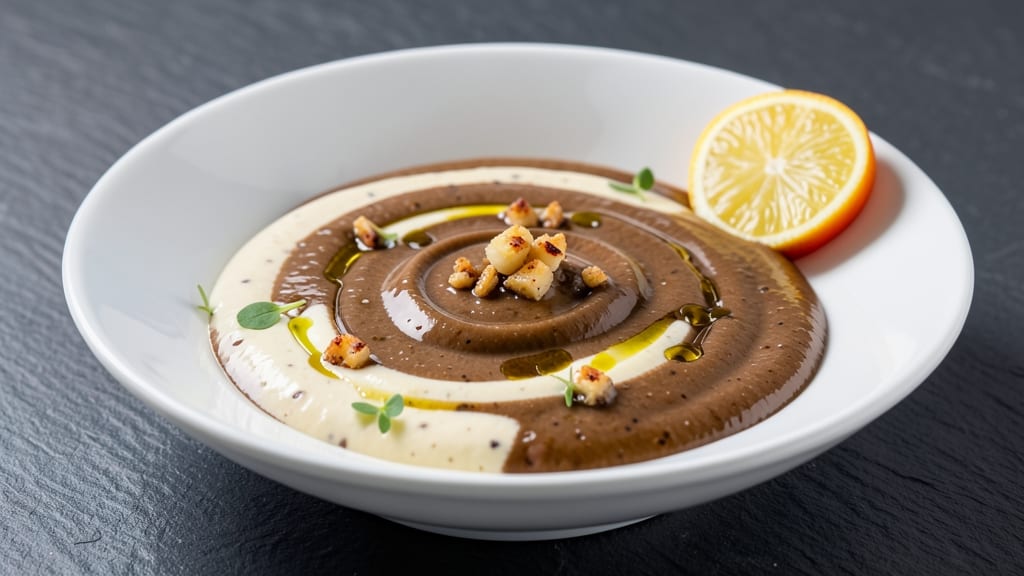
This anchovy cream sauce recipe transforms simple pasta into a restaurant-worthy dish with just 15 minutes of hands-on time. The secret lies in balancing salty anchovies with rich cream, creating a velvety sauce that clings to every noodle while delivering deep umami flavor.
I’ve perfected this technique over years of testing—no lumps, no bitterness, just pure, addictive richness that elevates even the most basic ingredients.
The process is straightforward: dissolve anchovies in warm cream, then simmer with garlic and lemon until silky smooth. A splash of pasta water acts as the emulsifier, ensuring the sauce stays cohesive and luxurious.
What you’ll end up with is a sauce that’s creamy yet bright, salty yet balanced—a perfect marriage of Mediterranean boldness and Italian comfort.
This sauce works equally well with linguine, fettuccine, or even grilled fish, making it a versatile addition to your weeknight repertoire. The anchovies provide that signature umami punch without overpowering, while the cream adds a velvety texture that’s impossible to resist.
Store leftovers in the fridge for up to 3 days, or freeze for longer shelf life.
For those avoiding dairy, a light coconut milk or cashew cream alternative works beautifully while keeping the sauce’s signature richness. The key is patience—letting the anchovies dissolve completely ensures a smooth, flavorful finish. Ready to elevate your pasta game?
Ingredients for anchovy cream sauce
Nine ingredients, Mediterranean magic—this sauce turns pasta into a restaurant masterpiece.
| Ingredient | Amount | Notes |
|---|---|---|
| Fresh Anchovy Fillets 🐟 | ¼ oz | Packed in olive oil, drained |
| Heavy Cream 🥛 | 1 cup | Full-fat for richness |
| Extra-Virgin Olive Oil 🫒 | ¼ cup | For dissolving anchovies |
| Garlic Cloves 🧄 | 3 cloves | Minced, not powdered |
| Lemon Juice 🍋 | 1 tbsp | Freshly squeezed |
| Unsalted Butter 🧈 | 1 tbsp | For emulsifying |
| Diamond Crystal Kosher Salt 🧂 | ½ tsp | Adjust to taste |
| Freshly Ground Black Pepper 🌶️ | ¼ tsp | Freshly cracked |
| Pasta Water 🍝 | ¼ cup | Reserved from cooking |
| Parmesan Cheese 🧀 | ¼ cup | Freshly grated, optional |
Anchovies are the star—buy them packed in olive oil from the Mediterranean aisle at Whole Foods or Trader Joe's for the best quality. The full-fat heavy cream is non-negotiable here (light cream just won't cut it). Fresh garlic and lemon are worth seeking out at your local market—they make all the difference. For the olive oil, California extra-virgin adds a fruity note that balances the anchovies beautifully. If you're using pre-minced garlic, rinse and drain it first—it's often packed with excess oil.
No anchovies? Anchovy paste at half the amount works in a pinch, but you'll lose that luxurious oil. Running out of heavy cream? Full-fat coconut milk makes a surprisingly good dairy-free swap—just reduce the pasta water slightly since it's thicker. Fresh lemon juice is ideal, but bottled works fine if it's real lemon juice (no added water). The butter acts as an emulsifier, so don't skip it—European-style unsalted melts more smoothly than American. For extra umami without anchovies, 1 tsp of fish sauce can bridge the gap.
This sauce is best made fresh but keeps beautifully in the fridge for 3 days—just reheat gently with a splash of water to restore creaminess. For longer storage, freeze in ice cube trays (perfect for single servings!) and transfer to a bag for up to 3 months. The anchovies dissolve completely when warm, so always warm the cream first before adding them. That reserved pasta water? It's liquid gold—add it gradually to reach your desired consistency. The sauce thickens as it cools, so start slightly thinner if you're serving it immediately.
Why You'll Love This Recipe
- Five-Ingredient Magic: I swear by this—just anchovies, cream, garlic, lemon, and oil. That’s it. No fancy gadgets, no hidden pantry trips, just a quick simmer and you’ve got something that tastes like a restaurant secret.
- Umami Bomb: The anchovies dissolve into the cream, leaving behind this deep, salty richness that clings to everything. Honestly, it’s the kind of flavor that makes you pause mid-bite—like a little flavor explosion you didn’t see coming.
- Pasta’s Best Friend: Slather it over spaghetti, drizzle it on grilled fish, or toss it with roasted veggies. I’ve used it for weeknight dinners, Sunday suppers, and even as a dip (yes, really). It’s the one sauce that just works everywhere.
- Budget Luxury: A few fillets and a splash of cream stretch far—way farther than store-bought sauces. Plus, the bright lemon and garlic keep it from feeling heavy, so you get that restaurant-quality taste without the markup. My wallet thanks me every time.
Step-by-step instructions for anchovy cream sauce
This sauce comes together faster than you can boil water—bold, briny, and velvety in minutes.
Dissolve the Anchovies in Olive Oil
Heat the 0.25 cup extra-virgin olive oil in a small saucepan over medium-low heat. Add the 0.25 oz fresh anchovy fillets and let them sit for 30 seconds—you'll see them begin to dissolve into the oil. Stir gently with a wooden spoon to break them down completely. This step is crucial; don't rush it or you'll end up with fishy bits instead of a smooth base.
Once fully dissolved, remove the pan from heat. The anchovies should have melted into the oil without any visible pieces. If you see any remaining fillets, let them sit for another 10 seconds to finish dissolving. This anchovy oil is the umami backbone of your sauce—treat it like liquid gold.
Build the Sauce Base with Garlic and Butter
Return the pan to medium heat and add the 1 tbsp unsalted butter and 3 minced garlic cloves. Cook for 1-2 minutes until the garlic is fragrant but not browned—you want aroma, not bitterness. Stir constantly to prevent the garlic from burning, which would overpower the delicate anchovy flavor.
Here's the thing—this is where the magic happens. The butter adds richness while the garlic enhances the anchovy's depth. If your garlic starts to color too quickly, reduce the heat slightly. You're aiming for a gentle sizzle, not a flame. The sauce should smell like the Mediterranean coast by now.
Incorporate the Heavy Cream
Pour in the 1 cup heavy cream and bring the mixture to a gentle simmer over medium heat. Let it cook for 3-4 minutes until it thickens slightly and coats the back of a spoon. Stir occasionally to prevent scorching at the bottom of the pan.
This is the moment that matters: the cream should reduce just enough to create a velvety texture but not so much that it turns into a gluey mess. If it starts to curdle or separate, immediately reduce the heat to low and stir vigorously for 30 seconds. The sauce should be smooth and glossy, with a thickness somewhere between heavy cream and pudding.
Finish with Acid and Seasoning
Remove the pan from heat and stir in the 1 tbsp lemon juice, 0.5 tsp Diamond Crystal kosher salt, and 0.25 tsp freshly ground black pepper. The lemon juice brightens the rich flavors and cuts through any potential heaviness. Taste the sauce and adjust the seasoning if needed—you might need a pinch more salt or a crack of extra pepper.
At this stage, the sauce should be silky, tangy, and packed with umami. If it's too thick after resting, whisk in 1-2 tablespoons of pasta water to reach your desired consistency. Remember, the sauce will thicken further when combined with pasta, so aim for a slightly looser texture now.
Emulsify with Parmesan (Optional)
For an extra layer of depth, stir in the 0.25 cup freshly grated Parmesan cheese off the heat. The cheese will melt into the sauce, adding a nutty, salty dimension that balances the richness. If you're using Parmesan, let the sauce sit for 1 minute to fully incorporate before serving.
This final step is optional but recommended—it transforms your sauce from good to extraordinary. The Parmesan not only enhances flavor but also helps emulsify the sauce, preventing separation. If you skip it, your sauce will still be delicious, but the cheese adds that restaurant-quality touch that makes it unforgettable.
Pro Tips For Making Anchovy Cream Sauce
- BLEND ANCHOVIES FIRST: Toss the fillets into the blender before adding anything else—this breaks them down instantly and keeps the sauce smooth. I used to chop them by hand, but the texture was always uneven, and the sauce had little gritty bits. Two quick pulses with a splash of olive oil is all it takes.
- SWEAT GARLIC LOW: Cook the garlic in olive oil over medium-low heat until just fragrant—about 2 minutes—so it doesn’t brown. Burnt garlic ruins the sauce faster than you’d think, and it’ll make the whole dish taste bitter. If you’re impatient, use minced garlic (it cooks faster) but don’t skip the olive oil first.
- ACIDIFY THE CREAM: Stir in the lemon juice before adding the cream, not after—this prevents curdling when the sauce heats up. I learned this the hard way when my first batch split like cottage cheese. A splash of cold cream first, then the rest warmed gently, keeps everything silky.
- SALT THE CREAM: Season the heavy cream with a pinch of salt before heating it—this balances the anchovies’ intensity and rounds out the flavor. Skipping this step means the sauce will taste flat, even if the anchovies are perfectly fresh. Trust me, the cream absorbs it better when it’s cold.
Dietary considerations for these flavors
Dairy-Free Swaps
Skip the heavy cream and use 1 cup full-fat coconut milk instead—it adds richness while keeping the sauce velvety. For an even lighter texture, blend ½ cup soaked cashews with ½ cup water until smooth, then strain.
Both alternatives work beautifully, though coconut milk gives a slight tropical note that pairs wonderfully with the anchovies. 🥥
Gluten-Free Clarity
This sauce is naturally gluten-free, but always double-check your anchovies—some brands process them in shared facilities with wheat. Stick to certified gluten-free anchovy brands like Ciccioli or Melissa's for peace of mind.
The rest of the ingredients are inherently gluten-free, so you can enjoy this sauce worry-free on gluten-free pasta or as a dip for veggie sticks. 🌾
Vegetarian Adaptations
Anchovies are off-limits for vegetarians, but you can mimic their umami depth with 1 tbsp soy sauce or 1 tsp fish-free Worcestershire sauce (like Annie's or Primal Kitchen). For extra richness, add 1 tbsp nutritional yeast—it adds a cheesy, savory note that bridges the gap.
The sauce will lose some of its signature brininess, but the texture and creaminess remain intact. 🌱
Vegan-Friendly Versions
Create a fully vegan sauce by replacing the cream with 1 cup cashew cream (blend soaked cashews with water) and using 1 tbsp white miso paste instead of anchovies. The miso provides that salty, fermented depth while keeping the sauce plant-based.
For a lighter option, try ½ cup silken tofu blended with ½ cup water—it adds protein without altering the sauce's consistency. 🌿
Low-Fat Considerations
If you're watching fat content, use ½ cup low-fat Greek yogurt mixed with ½ cup water to replace the heavy cream. The yogurt adds tanginess that complements the anchovies, though the sauce will be slightly lighter in texture.
For extra richness without excess fat, stir in 1 tbsp olive oil at the end—it enhances flavor without heavy cream's density. 🥛
Allergy-Friendly Notes
This sauce contains dairy and fish, so it's not safe for those with casein or shellfish allergies. For nut-free kitchens, avoid cashew-based swaps and opt for coconut milk instead. Always check labels on anchovies for hidden allergens—some brands add garlic powder or other additives.
When in doubt, make your own sauce from scratch with whole ingredients for complete control. 🚨
Nutrition facts
Frequently asked questions
Can I use anchovy paste instead of fresh fillets?
Yes, but with adjustments! Use ½ teaspoon anchovy paste (about ¼ the amount of fillets) mixed with 1 teaspoon olive oil to mimic the oil-packed fillets. Stir it into warm cream first to dissolve completely—this prevents fishy bits. The paste is more concentrated, so start with less and taste as you go.
Why did my sauce curdle when I added the cream?
Curdling happens when cream hits high heat too quickly. To fix it, immediately lower the heat to low and whisk vigorously for 30 seconds. If it still separates, add 1 tablespoon cold water and stir gently. For prevention, warm the cream separately first, then slowly pour it into the anchovy-oil mixture while stirring constantly.
How do I make this sauce spicier?
Add ½ teaspoon red pepper flakes during the garlic stage or finish with a pinch of cayenne pepper. For heat lovers, stir in 1 teaspoon hot sauce (like sriracha) with the lemon juice. Remember, the sauce thickens when cooled, so adjust heat before serving. Balance is key—too much spice can overpower the delicate anchovy flavor.
Can I make this sauce ahead of time?
Store it in an airtight container in the fridge for up to 3 days. Reheat gently over low heat, stirring occasionally and adding 1 tablespoon water or pasta water to restore creaminess. For longer storage, freeze in ice cube trays—thaw overnight in the fridge and stir in 1 extra tablespoon cream to smooth out any texture changes.
What’s the best pasta to pair with this sauce?
Rigid, ridged pastas like linguine, fettuccine, or pappardelle cling beautifully to the sauce. For extra texture, try glossy spaghetti or bucatini. If you want to get creative, toss it with grilled shrimp or seared scallops—the sauce’s richness complements seafood perfectly. Avoid soft pastas like angel hair, which can turn mushy.