
Sauces & Condiments
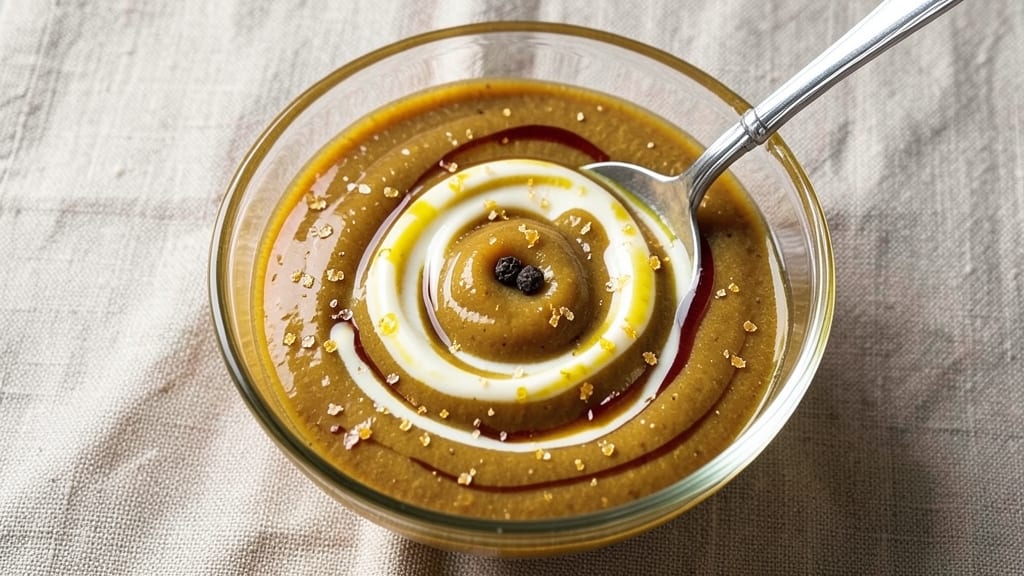
This American mustard sauce recipe delivers that signature tangy kick that elevates burgers, hot dogs, and fries to new heights. The secret lies in balancing sharp mustard with just the right amount of vinegar and sweetness, creating a sauce that's bold yet smooth.
I've perfected this recipe over years of testing—no shortcuts, just reliable flavor that stands up to any meal.
The foundation starts with yellow mustard and apple cider vinegar, which cut through richness while adding depth. A touch of sugar balances the sharpness, and optional ingredients like honey or garlic powder let you customize it for different dishes.
What makes this sauce special is its versatility—it works as a condiment, a glaze, or even a marinade base.
What you'll end up with is a glossy, tangy sauce that's easy to make but impossible to resist. It keeps well in the fridge for up to two weeks, so you can batch it ahead for quick meals.
The texture is perfectly smooth, with just the right amount of cling to coat every bite.
Use it on burgers, drizzle it over fries, or toss it with grilled chicken for instant flavor. This isn't just another condiment—it's a game-changer for any dish that needs that classic American mustard zing.
Ingredients for american mustard sauce
Eight simple ingredients for that classic American mustard sauce everyone loves.
| Ingredient | Amount | Notes |
|---|---|---|
| Yellow Mustard 🍯 | ¾ cup | Dijon or American-style preferred |
| Apple Cider Vinegar 🍏 | ½ cup | Unfiltered for extra depth |
| Granulated Sugar 🍬 | ¼ cup | Light brown sugar for caramel notes |
| Extra-Virgin Olive Oil 🫒 | ¼ cup | For smooth texture and richness |
| Garlic Powder 🧄 | 1 tsp | Optional for savory depth |
| Onion Powder 🧅 | ½ tsp | Balances the tang |
| Dried Mustard Powder 🌶️ | ½ tsp | Boosts mustard flavor |
| Salt 🧂 | ½ tsp | Kosher or sea salt |
| Black Pepper 🌶️ | ¼ tsp | Freshly ground preferred |
| Honey 🍯 | 1 tbsp | Optional for extra sweetness |
The mustard is the star—Dijon or American-style gives the best balance of sharpness and smoothness. Trader Joe's and Whole Foods carry great options, but any good-quality yellow mustard works. Apple cider vinegar should be unfiltered (the cloudiness means more flavor). I usually grab mine from the baking aisle at Target—it's cheaper than the fancy vinegar section. The sugar? Light brown adds subtle caramel notes, but white works fine if that's what you've got. For the olive oil, California Olive Ranch is my go-to—affordable and reliable.
No Dijon? Yellow mustard plus a pinch of sugar mimics it well. Short on vinegar? White vinegar or lemon juice in a pinch (though flavor will shift slightly). Want it sweeter? Swap honey for maple syrup—same effect, different depth. The garlic and onion powders are optional but add serious savory punch. If you're using them, toast the spices in a dry pan for 30 seconds first—trust me, it makes a difference. And if you're feeling fancy, add a dash of smoked paprika for a BBQ twist.
This sauce keeps beautifully—2 weeks in the fridge in an airtight jar. The texture stays glossy if you give it a quick stir before using. For extra shelf life, add a thin layer of olive oil on top before sealing. Freezes for 3 months too, though the texture might separate slightly (just whisk it back together). I always double the batch—one for burgers, one for fries. The leftovers? Perfect for glazing grilled chicken or tossing with roasted veggies.
Why You'll Love This Recipe
- Here’s the thing: this sauce doesn’t spoil quickly, and it actually improves over time. Store it in the fridge for a few days, and the flavors meld into something even richer. I’ll be real—sometimes I make a big batch just so I don’t have to think about it later. Budget-friendly? Absolutely. Time-saving? Even more so.
- Five-Ingredient Magic: I swear, this sauce is the kind of recipe that makes me feel like a genius—just whisk together yellow mustard, vinegar, sugar, olive oil, and garlic powder. No peeling, no chopping, no stress. Honestly, if I had a dollar for every time someone asked what was in it, I’d buy a better whisk.
- Tangy-Sweet Balance: That first bite? The apple cider vinegar cuts through the richness of the mustard while the sugar softens the edge, and the garlic powder adds this just-right depth. It’s not too sharp, not too sweet—it’s the kind of sauce that makes you pause mid-bite and think, “Wait, why don’t I do this more often?”
- Works Everywhere: Slather it on burgers, drizzle it over roasted chicken, or toss it with fries—this sauce is my secret weapon for weeknight dinners. Between us, I’ve even used it as a dip for veggies when I’m too tired to cook. It’s the kind of versatile that makes me feel like I’m always winning in the kitchen.
Step-by-step instructions for American mustard sauce
This tangy, rich sauce comes together in minutes with simple ingredients.
Whisk Together the Wet Ingredients
In a medium bowl, combine the 0.75 cup yellow mustard, 0.5 cup apple cider vinegar, and 0.25 cup granulated sugar. Give it a quick stir to dissolve the sugar completely—you want a smooth base before adding anything else. The vinegar will start to mellow out as it mixes, but don't worry, the tang will come back strong as you cook it.
Next, drizzle in the 0.25 cup extra-virgin olive oil while whisking continuously. This is where the sauce starts to take on that velvety richness. If you're using the optional 1 tbsp honey, add it now and whisk until fully incorporated. The honey will add a subtle sweetness that balances the sharpness of the vinegar beautifully.
Season and Blend the Dry Ingredients
Now it's time to build the depth of flavor. Add the 1 tsp garlic powder, 0.5 tsp onion powder, 0.5 tsp dried mustard powder, 0.5 tsp salt, and 0.25 tsp black pepper to the bowl. Stir everything together until the dry ingredients are fully distributed and no clumps remain. You're looking for a smooth, thick mixture that coats the back of a spoon.
Here's the thing—don't skip the dried mustard powder. It might seem redundant since you're already using yellow mustard, but it adds an extra layer of mustardy complexity that takes this sauce from good to restaurant-quality. The garlic and onion powders will give it a subtle savory note that pairs perfectly with burgers and fries.
Simmer Until Thick and Glossy
Transfer the mixture to a small saucepan and place it over medium heat. Let it come to a gentle simmer, then reduce the heat to low to maintain a slow, steady bubble. You want to see tiny bubbles breaking the surface but not a vigorous boil—this keeps the sauce from separating.
Simmer for 8-10 minutes, stirring occasionally with a wooden spoon. You'll notice the sauce thickening and becoming glossy as the liquid reduces. It should coat the back of your spoon smoothly without being gluey. If it thickens too quickly, add 1-2 teaspoons of water to loosen it up. The goal is a sauce that's thick enough to cling to food but still pours easily.
Cool and Adjust to Perfection
Remove the saucepan from heat and let the sauce cool for 5-10 minutes. This resting period allows the flavors to meld together and the sauce to reach its ideal consistency. Taste it now—you might find it needs a little more sweetness or tang. If it's too sharp, add a touch more honey. If it needs more depth, stir in a splash of apple cider vinegar.
Transfer the sauce to a clean jar or airtight container. It will continue to thicken as it cools completely, so don't worry if it looks a bit loose while it's still warm. This sauce keeps well in the refrigerator for up to 2 weeks, making it perfect for batch prep. When you're ready to use it, give it a quick stir to restore its smooth texture.
Pro Tips For Making American Mustard Sauce
- STIR CONSTANTLY AT FIRST: This sauce thickens fast—watch it like a hawk for the first 2 minutes after adding sugar. I learned this the hard way when I walked away for "just a second" and ended up with a gluey mess instead of a smooth, glossy sauce.
- USE REAL APPLE CIDER VINEGAR: That cheap imitation vinegar in the salad dressing aisle? Skip it. Real apple cider vinegar has depth and a slight fruitiness that makes this sauce sing. If you’re in a pinch, use white vinegar, but taste it first—it’ll be sharper and less balanced.
- WHISK IN THE OIL SLOWLY: Dumping olive oil in all at once makes the sauce split. Instead, drizzle it in while whisking vigorously—about 1 teaspoon at a time. This keeps the mustard emulsified and prevents that dreaded oil-and-vinegar separation.
- TASTE AS YOU GO: Don’t wait until the end to check the seasoning. After adding vinegar and sugar, take a bite—you’ll spot any flat spots or overpowering tang right away. Adjust with a pinch more sugar or a splash of vinegar while it’s still warm, not after it cools.
Wine and beer pairings for this recipe
Crisp White Wine
For this tangy, vinegar-forward sauce, I always reach for a dry Riesling or Sauvignon Blanc—their bright acidity mirrors the apple cider vinegar and cuts through rich foods like burgers or fried chicken.
A Washington State Riesling (like Chateau Ste. Michelle) has that perfect balance of crispness and subtle sweetness that won’t clash with the mustard’s sharpness. 🍷
If you prefer something lighter, a New Zealand Sauvignon Blanc (like Kim Crawford) brings zesty citrus notes that complement the honey in the sauce. Both wines stay refreshing enough to cleanse your palate between bites of saucy, greasy goodness.
Hoppy IPAs
For beer lovers, a West Coast IPA with its bold hop bitterness stands up beautifully to the mustard’s tang. I love pairing this sauce with a Stone Ruination IPA—the citrusy hops and piney notes create a perfect contrast.
The bitterness in the beer actually enhances the mustard’s sharpness, making each bite more complex. 🍺
If you’re serving this with fried foods, a Belgian Witbier (like Hoegaarden) works surprisingly well—the coriander and orange peel notes bridge the gap between the sauce’s sweetness and the vinegar’s bite. Just avoid heavy stouts or malty porters that might overpower the delicate balance.
Light Lager Pairing
A classic American lager (like Bud Light or Miller Lite) is my go-to for casual gatherings—it’s light enough to let the sauce shine without competing. The crisp, clean finish helps highlight the mustard’s depth without adding extra flavors.
This is especially great for backyard cookouts where you want something easy and crowd-pleasing. ❄️
For a craft twist, try a German Helles Lager (like Weihenstephaner)—its subtle malt sweetness complements the honey in the sauce while keeping the drink refreshing. It’s like a sophisticated upgrade from the basic lager without being too heavy.
Non-Alcoholic Options
Don’t drink alcohol? No problem—a sparkling apple cider (like Martinelli’s) mirrors the vinegar and apple notes in the sauce perfectly. The bubbles also help cleanse your palate between bites.
For something more savory, a ginger beer (like Feather Ginger Beer) adds a spicy kick that pairs well with the mustard’s heat. 🍏
If you’re serving this with fried foods, a lemon-lime soda (like Sprite or 7-Up) works surprisingly well—the citrus notes echo the vinegar while keeping things light and refreshing. It’s a crowd-pleaser that won’t overpower the main event.
Nutrition facts
Frequently asked questions
Can I make this sauce without simmering?
The simmering step is crucial for developing the sauce's glossy texture and balanced flavor. If you skip it, the sauce will stay too thin and the vinegar's sharpness won't mellow properly. However, you can reduce the simmer time to 5 minutes for a quicker version (though it won't be as rich). For a no-cook option, whisk all ingredients together and let them sit for 30 minutes to blend flavors—just know it'll be thinner and less cohesive.
What's the best way to store leftover sauce?
Transfer the cooled sauce to an airtight glass jar and store it in the fridge for up to 2 weeks. For longer storage, freeze it in 1-tablespoon portions (perfect for single servings). When reheating, warm gently in a saucepan over low heat or microwave in 10-second bursts while stirring. The texture may thicken further—just add 1 teaspoon of water if needed.
Can I substitute honey with something else?
Yes! For a 1:1 swap, use maple syrup (adds earthy depth) or agave (neutral sweetness). For a fruity twist, try 1 tablespoon of apple jam or 1 teaspoon of vanilla extract. If you're avoiding sugar entirely, omit the honey and increase the vinegar by 1 tablespoon to maintain balance. The key is keeping the sauce's sweet-tang contrast.
Why did my sauce separate?
Separation usually happens when the sauce cools too quickly or if you didn't whisk enough during simmering. To fix it, place the jar in a bowl of warm water for 5 minutes to gently reheat, then whisk vigorously until smooth. For prevention, always simmer on low heat and stir frequently. If the issue persists, add 1 teaspoon of olive oil or a splash of vinegar and whisk again.
How can I use this sauce beyond burgers and fries?
This versatile sauce works as a marinade for grilled chicken or pork chops, a glaze for roasted vegetables, or a dip for pretzels and mozzarella sticks. Try drizzling it over mac and cheese or mixing it into deviled eggs for a tangy kick. For a sweet application, brush it on baked apples or drizzle over vanilla ice cream (the heat balances the creaminess perfectly). The possibilities are endless!