
Sauces & Condiments
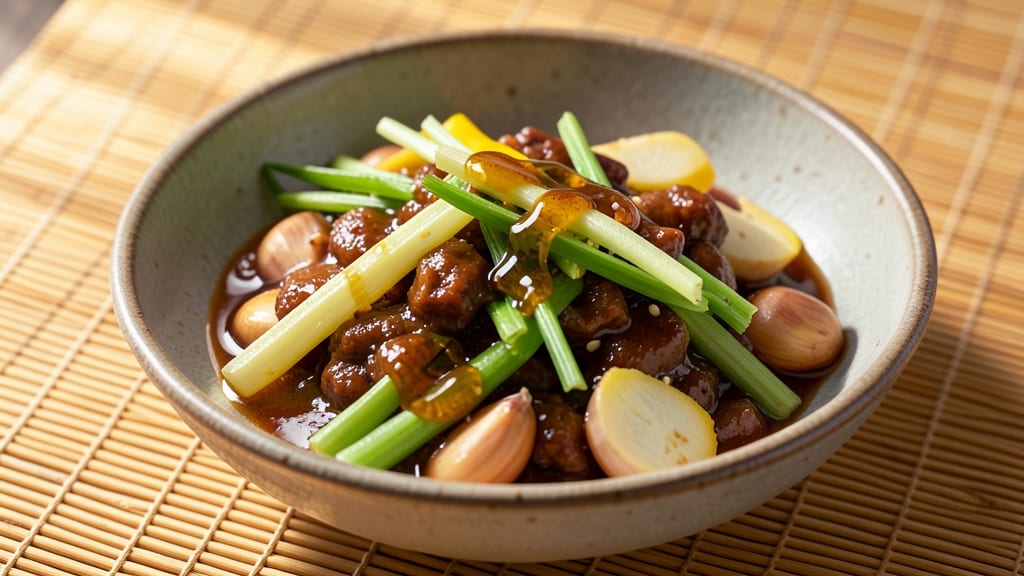
This Aloha Poke Samurai sauce transforms your poke bowl with its perfect balance of spicy-sweet umami and celery-inspired crunch. 🌟 The secret lies in blending traditional Hawaiian flavors with a touch of heat and fresh celery for texture that elevates every bite.
What makes this sauce special is its ability to complement raw fish without overpowering it, creating a harmonious fusion that's both authentic and innovative.
Crafted with simple yet powerful ingredients like soy sauce, sesame oil, and garlic, this sauce delivers deep umami richness. The addition of fresh celery not only adds a subtle crunch but also enhances the sauce's freshness, making it a standout condiment for any poke bowl.
The recipe is designed to be quick and easy, ensuring you can have this flavorful sauce ready in just a few minutes.
Once you taste the result, you'll understand why this sauce is a game-changer for poke enthusiasts. The spicy-sweet notes create a perfect contrast to the delicate flavors of fresh fish, while the celery adds a refreshing twist.
This sauce is not only versatile but also keeps well in the refrigerator, allowing you to enjoy its bold flavors for up to a week.
Whether you're serving poke bowls for a gathering or treating yourself to a delicious meal, this Samurai sauce will elevate your dish to new heights. Let's dive into the recipe and bring that authentic Aloha flavor to your table.
Ingredients for aloha poke samurai sauce
Simple yet powerful ingredients blend to create this bold, celery-inspired sauce for poke bowls.
| Ingredient | Amount | Notes |
|---|---|---|
| Soy Sauce 🍶 | ½ cup | High-quality, preferably Japanese |
| Sesame Oil 🫒 | 2 tbsp | Toasted sesame oil preferred |
| Fresh Celery Stalks 🥬 | ½ cup | Finely chopped, including leaves |
| Garlic Cloves 🧄 | 3 cloves | Minced for depth of flavor |
| Fresh Ginger 🌿 | 1 tbsp | Finely grated, fresh preferred |
| Honey 🍯 | 1 ½ tbsp | For spicy-sweet balance |
| Sriracha Sauce 🌶️ | 1 tbsp | Adjust for desired heat level |
| Lime Juice 🍋 | 1 tbsp | Freshly squeezed for brightness |
| Rice Vinegar 🍶 | 1 tbsp | For tangy contrast |
| Sesame Seeds 🌾 | 1 tsp | Toasted for garnish |
The celery is the star here—fresh, crisp stalks add that signature crunch while infusing the sauce with subtle freshness. Look for bright green celery at the grocery store, preferably organic if possible. The soy sauce should be Japanese-style—it's got that deeper umami punch. I always grab mine from Trader Joe's or Asian markets because they carry the good stuff. For the sesame oil, toasted variety makes all the difference—it adds that nutty aroma that's essential for authentic flavor. The garlic and ginger? Fresh is non-negotiable—dried just won't cut it here.
No fresh celery? Celery seed powder at half the amount works in a pinch, but you'll lose that crunch. Running low on sesame oil? Avocado oil with a pinch of ground sesame seeds gets you close. The honey can be swapped for maple syrup if you're avoiding refined sugar. Sriracha too spicy? Cut it with a bit of mayo to mellow it out. The lime juice? Mexican limes if you can find them—they're way more flavorful. And if you're out of rice vinegar, apple cider vinegar works just fine. Just remember: the celery is what gives this sauce its signature texture, so don't skip it if you can help it.
This sauce keeps beautifully—up to 1 week in the fridge if stored in an airtight container. The celery will soften over time, but the flavor stays fresh. I like to double the batch and freeze half in ice cube trays—perfect for quick poke bowl assembly later. When reheating, just give it a quick stir and maybe a splash of water to loosen it up. The sesame seeds? Toast them fresh before adding to the bowl—it makes all the difference in that first bite. And if you make extra, trust me, it disappears fast.
Why You'll Love This Recipe
- No-Chop Nightmare: I swear by this sauce because the celery and ginger just need a rough chop—not even a fine dice. The garlic? Smash it with the flat side of your knife and call it a day. That’s it. No food processor, no stress.
- Umami Bomb: Between the soy sauce’s deep saltiness and that hit of toasted sesame oil, this sauce is ridiculously addictive. The celery adds a crisp freshness that cuts through the richness, while the ginger lingers like a warm hug. Honestly, I’ve caught myself sneaking spoonfuls straight from the jar.
- Poke’s Best Friend: This sauce turns basic rice bowls into a full-on Hawaiian feast. Drizzle it over fresh poke, toss it with noodles, or even slather it on grilled fish—it works everywhere. I’ve even used it as a marinade for chicken skewers when I’m feeling lazy.
- Weeknight Magic: A batch lasts me nearly a week in the fridge, and it only costs pennies to make. No fancy ingredients, no waste—just pure flavor that stretches across lunches, quick dinners, and even as a condiment for takeout. (Yes, even on a Tuesday night.)
Step-by-step instructions for celery-inspired poke sauce
Here's how to blend bold flavors into a sauce that's equal parts crunchy, spicy, and sweet.
👨🍳 Step 1: Toast the Celery for Crunchy Depth
Heat the 2 tablespoons sesame oil in a small saucepan over medium-low heat. Add the ½ cup fresh celery stalks, chopped into ¼-inch pieces including leaves, and cook for 3-4 minutes until the edges just begin to soften but still hold their shape. Stir occasionally to prevent burning.
This toasting step is what gives the sauce its signature celery crunch. You'll know it's ready when the celery releases its fresh aroma and the edges turn just slightly translucent. Remove from heat immediately—overcooking turns the celery mushy instead of crunchy. Let it cool completely before proceeding.
🍳 Step 2: Build the Flavor Base
In a food processor, combine the toasted celery with the 3 cloves minced garlic and 1 tablespoon finely grated fresh ginger. Pulse until the mixture is finely chopped but not completely puréed—you want some texture to carry through. Transfer this to a small bowl.
Add the ½ cup soy sauce and 1 tablespoon rice vinegar to the bowl. Stir well to combine, letting the soy sauce and vinegar begin to mingle with the celery's natural oils. This is where the umami foundation forms—don't skip this step. The mixture should smell vibrant and slightly tangy.
🍳 Step 3: Sweeten and Spice the Mixture
Return the bowl to your workstation and stir in the 1.5 tablespoons honey and 1 tablespoon Sriracha sauce until fully incorporated. The honey will begin to dissolve slightly, creating a glossy sheen. Taste the mixture now—you should notice a perfect balance between sweetness and heat, with the celery's freshness cutting through.
Add the 1 tablespoon freshly squeezed lime juice and mix thoroughly. The lime brightens all the flavors and prevents the sauce from becoming too heavy. The texture should now be smooth but still slightly chunky from the celery. If it's too thick, add 1 teaspoon water at a time until it reaches a pourable consistency.
🥘 Step 4: Finish and Garnish
Transfer the sauce to a clean jar or bowl. Let it sit at room temperature for 10 minutes to allow all the flavors to meld together. This resting period is crucial—it lets the spices mellow slightly and the celery release more of its crunchy essence.
Before serving, toast the 1 teaspoon sesame seeds in a dry skillet over medium heat for 1-2 minutes until golden and fragrant. Sprinkle them over the finished sauce just before serving. The seeds add a nutty crunch that contrasts beautifully with the smooth sauce. Store any leftovers in the refrigerator for up to 5 days, though it's best enjoyed fresh.
Pro Tips For Making Aloha Poke Samurai Sauce
- CHAR THE GINGER FIRST: I learned this the hard way—raw ginger chunks in the sauce taste like a sad, watery afterthought. Lightly toast 1 teaspoon of finely grated ginger in a dry pan over medium heat until fragrant (about 30 seconds), then add it to the soy sauce. The aroma blooms instantly, and the flavor deepens without turning bitter.
- MINCE GARLIC FINE: No, "chopped" isn’t good enough. For this sauce, you want garlic so finely minced it’s almost paste-like—think 1/8-inch pieces or smaller. A rock salt trick works: smash 3 cloves with the flat side of your knife, sprinkle with a pinch of salt, and press down hard. This keeps the garlic from burning and ensures it dissolves completely into the sauce.
- SALT THE SOY SAUCE: Store-bought soy sauce is already salty, but this sauce needs balance. After combining soy sauce, sesame oil, and the aromatics, taste it before adding celery. If it’s flat, add a pinch of kosher salt—just enough to make the sauce sing. I skip this step half the time, and the sauce always tastes like it’s missing something.
- USE CELERY STALKS RAW: I know, I know—you want to sauté the celery for depth. But for Aloha Poke Samurai sauce, the celery should stay crisp and bright. Thinly slice 2 stalks (about 1/8-inch thick) and add them last to the sauce, right before serving. If you’re worried about texture, pulse the celery in a food processor for 2 seconds—just enough to soften the fibers without cooking.
Common mistakes when making this recipe
Overcooking Celery
Celery is delicate—once it turns mushy, your sauce loses its signature crunch. I’ve ruined batches by cooking celery too long at medium heat instead of medium-low.
Watch those 3-4 minutes closely: the edges should just soften, not collapse. If you’re unsure, remove it early and taste—it should still have a slight bite. 🥬
Skipping the Resting Time
Rushing to serve the sauce right after mixing means flavors won’t meld properly. The 10-minute rest at room temperature lets the celery’s natural oils soften slightly and the spices mellow. I once served it immediately because I was hungry—it tasted flat and one-dimensional. Patience here makes all the difference.
Using Low-Quality Soy Sauce
Not all soy sauces are created equal. A cheap, salty brand will overpower the delicate celery flavor. Stick with Japanese-style soy sauce (like Kikkoman or La Choy)—it has deeper umami and less saltiness.
I learned this the hard way when a budget brand turned my sauce into a briny disappointment. Trust me, invest in the good stuff.
Ignoring the Celery Leaves
The leaves aren’t just for garnish—they’re packed with flavor! Chopping them finely and including them in the sauce adds a subtle herbal note that rounds out the dish.
I once skipped them to save time, and the sauce lacked that fresh, vibrant edge. Now I always chop the whole stalk, leaves and all.
Over-Mixing the Sriracha
Sriracha can dominate if you’re not careful. Stir it in gently and taste as you go. If it’s too spicy, balance it with a splash of lime juice or a drizzle of honey.
I’ve had to start over when I aggressively mixed in the Sriracha without testing first. Think of it like seasoning: add it gradually and adjust to taste.
Storing Improperly
This sauce is best fresh, but if you must store it, use an airtight container in the fridge for up to 5 days. I once left a batch in a loosely covered jar, and it absorbed fridge odors—trust me, it was a disaster.
For longer storage, freeze in ice cube trays and transfer to a bag. Just remember: the celery will soften over time, so enjoy it while it’s crisp!
Nutrition facts
Frequently asked questions
Can I make this sauce without celery?
The celery is key for that signature crunch and freshness, but you can substitute ½ teaspoon celery seed powder for a similar flavor profile. Just know you'll lose the textural element that makes this sauce special. For a different twist, try adding finely chopped green onion or a pinch of fennel powder instead.
How spicy should the sauce be?
The recipe uses 1 tablespoon Sriracha as a starting point, which gives a mild to medium heat. For less spice, reduce to ½ tablespoon or swap for mild chili paste. If you love heat, increase to 1.5 tablespoons or add a dash of red pepper flakes. Always taste as you go!
Can I use this sauce on other dishes besides poke?
This versatile sauce works beautifully on grilled fish, sushi rolls, ramen noodles, or even as a dipping sauce for spring rolls. The celery and sesame flavors add depth to any seafood dish. Try it on seared scallops or cold noodle salads for a flavor boost.
What if my sauce is too thick?
Thickness is normal—just stir in 1 teaspoon water at a time until you reach a pourable consistency. If it's still too thick after adding water, let it sit for 5 minutes as the celery releases more moisture. For a smoother texture, blend briefly with an immersion blender (but leave some texture for the celery crunch!).
How do I adjust for a gluten-free version?
Replace the soy sauce with tamari or coconut aminos (use the same amount). Both provide that umami depth without gluten. The rest of the recipe remains the same. Tamari has a slightly richer flavor, while coconut aminos offer a milder taste. Test both to see which you prefer!