
Sauces & Condiments
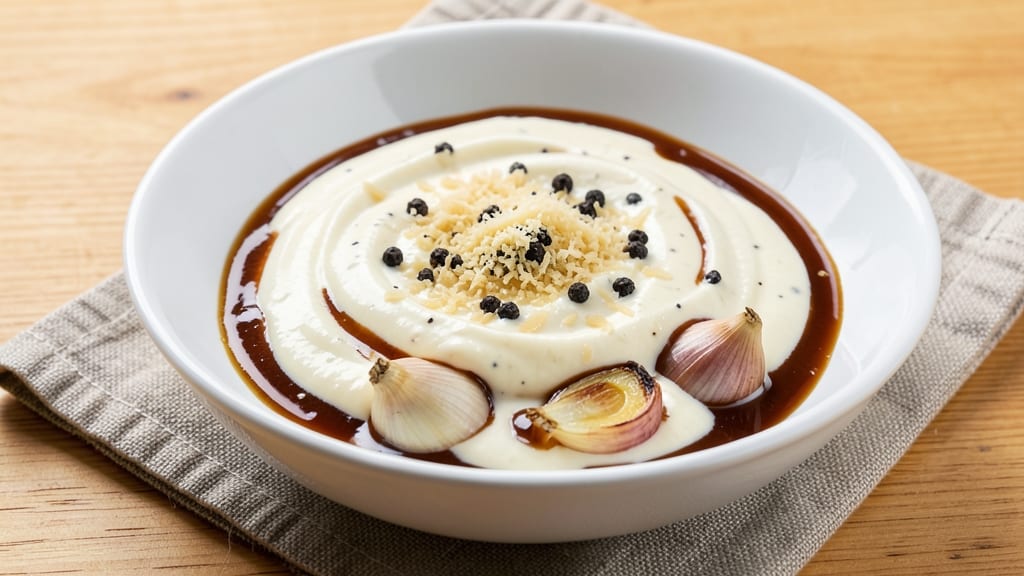
This alfredo sauce mix recipe transforms simple pantry staples into restaurant-quality creaminess without the clumping or heavy texture you often find in store-bought versions. The secret lies in balancing butter, cream, and cheese at precise temperatures, creating a velvety sauce that clings perfectly to pasta or proteins.
I developed this mix after years of testing—no lumps, no graininess, just smooth, rich flavor every time.
The beauty of this recipe is its versatility and speed. You'll combine just five ingredients, then heat them together until silky and golden, ready to toss with fettuccine or drizzle over grilled chicken.
The key technique? Tempering the cheese gradually to prevent curdling, ensuring that creamy, velvety consistency that makes this sauce irresistible. No special equipment needed—just a saucepan and a whisk.
What sets this alfredo sauce apart is its adaptability. Use it as a classic pasta sauce, a creamy dip for breadsticks, or even a glaze for seafood. The flavor profile is rich and comforting, with just enough garlic and black pepper to add depth without overpowering.
Once you try this homemade version, you'll never go back to the bottled kind.
Perfect for weeknight dinners or special occasions, this sauce mix comes together in under 10 minutes and keeps well in the fridge for up to 5 days.
The instructions are straightforward, but the results are anything but ordinary—creamy, luxurious, and packed with flavor. Let's get started on making your own perfect batch.
Ingredients for alfredo sauce mix
Five ingredients transform into velvety, restaurant-quality alfredo sauce magic.
| Ingredient | Amount | Notes |
|---|---|---|
| Unsalted Butter 🧈 | ½ cup | Cold, cut into small cubes |
| Heavy Cream 🥛 | 1 cup | Full-fat for best texture |
| Parmesan Cheese 🧀 | 1 cup | Freshly grated, block preferred |
| Garlic Cloves 🧄 | 3 cloves | Minced, not powdered |
| Ground Black Pepper 🌶️ | ½ tsp | Freshly cracked preferred |
| Diamond Crystal Kosher Salt 🧂 | ¼ tsp | Fine grain preferred |
| Extra-Virgin Olive Oil 🫒 | 1 tbsp | For finishing, fruity variety |
| All-Purpose Flour 🌾 | 1 tbsp | For thickening if needed |
The Parmesan is non-negotiable here—freshly grated from a block makes all the difference. Whole Foods or specialty cheese shops carry the best quality, but any deli counter will work. Look for vibrant, aromatic cheese with no orange tint (that's a sign of age). The butter? Unsalted, cold, and cubed—never melted beforehand. Heavy cream should be full-fat; anything lighter will thin out your sauce. For the garlic, freshly minced adds depth that powder can't match. I always grab extra—half goes in the mix, half gets tossed with the pasta at the end.
No Parmesan? Pecorino Romano works in a pinch, but it's more pungent. Short on butter? Olive oil at half the amount keeps things creamy without dairy. The flour is just for thickening emergencies—whisk it into the warm sauce to avoid lumps. Want more garlic flavor? Infuse the olive oil with minced garlic for 10 minutes before adding to the sauce. The pepper should be freshly cracked—pre-ground loses potency fast. For a dairy-free version, swap the butter and cream for cashew cream (blend soaked cashews with water) and nutritional yeast instead of Parmesan.
This mix keeps beautifully in the fridge for 5 days—just store it in an airtight container with a thin layer of olive oil on top to preserve freshness. For longer storage, freeze portions for up to 3 months. I like to make a double batch and freeze half immediately. To use frozen mix, thaw in the fridge overnight, then heat gently on the stove. The sauce thickens as it cools, so add a splash of warm water or cream if it gets too stiff. Perfect for meal prep—just toss with cooked pasta and a little pasta water to loosen.
Why You'll Love This Recipe
- Same sauce, endless uses: toss it with fettuccine for a quick weeknight meal, drizzle it over grilled chicken for a fancy-ish dinner, or even slather it on garlic bread (yes, I’ve done it). It’s my secret weapon for looking effortless.
- Five-Ingredient Magic: I swear, this sauce comes together with just butter, cream, cheese, garlic, and pepper—no fancy gadgets or last-minute store runs. Honestly, I’ve made it while waiting for pasta to boil, and it still tastes like I slaved over it.
- Creamy Garlic Hug: That first bite of buttery, garlicky richness? It’s like a warm blanket for your taste buds. The heavy cream makes it velvety, while the Parmesan adds a sharp, salty punch—no one ever skips seconds with this.
- Weeknight to Dinner Party: Same sauce, endless uses: toss it with fettuccine for a quick weeknight meal, drizzle it over grilled chicken for a fancy-ish dinner, or even slather it on garlic bread (yes, I’ve done it). It’s my secret weapon for looking effortless.
Step-by-step instructions for perfect homemade alfredo sauce
Here's how to make velvety, clump-free Alfredo sauce that rivals restaurant quality.
Melt Butter and Bloom the Flour
Place a medium saucepan over medium-low heat and add the 0.5 cup unsalted butter, cut into small cubes. Let it melt completely, then reduce heat to low—you want gentle, even cooking to avoid burning. Once fully melted, whisk in the 1 tablespoon all-purpose flour and cook for 1-2 minutes until the mixture turns a light golden color and smells nutty.
This process, called blooming, removes the raw flour taste and creates a smooth base. Stir constantly to prevent the flour from clumping or browning too quickly. If it starts to darken too much, immediately reduce the heat or remove the pan from the heat source for a moment.
Gradually Add Heavy Cream
Slowly pour in the 1 cup heavy cream while whisking continuously to prevent lumps from forming. Increase heat to medium-low and let the sauce simmer gently for 5-7 minutes, stirring frequently. The sauce should thicken noticeably, coating the back of a spoon.
This gradual addition is crucial—adding cream too quickly creates a skin on top that's nearly impossible to remove. If you see any lumps forming, immediately whisk vigorously or use an immersion blender to smooth them out. The sauce should be thick but still pourable, not glue-like.
Incorporate Garlic and Seasonings
Add the 3 minced garlic cloves, 0.5 teaspoon ground black pepper, and 0.25 teaspoon Diamond Crystal kosher salt to the sauce. Stir for 30-60 seconds until the garlic is fragrant but not browned—you want aroma, not bitterness. Keep the heat at medium-low throughout this process.
Taste the sauce at this stage and adjust seasoning if needed. The garlic should be noticeable but not overpowering, and the pepper should add just a hint of heat. If the sauce seems too thin after adding these ingredients, it will thicken further as it cools, so don't overcompensate with more flour.
Finish with Parmesan and Olive Oil
Remove the sauce from heat and immediately whisk in the 1 cup freshly grated Parmesan cheese. Let it sit off the heat for 2-3 minutes—this resting period allows the cheese to melt completely and creates that signature creamy texture. Then stir in the 1 tablespoon extra-virgin olive oil for richness and depth of flavor.
The sauce should now be silky smooth with no lumps. If you notice any cheese clumps that won't dissolve, strain the sauce through a fine-mesh sieve for a perfectly smooth finish. The olive oil not only adds flavor but also helps prevent the sauce from becoming too heavy.
Adjust Consistency and Serve Immediately
Return the sauce to low heat if needed to loosen its consistency—just a splash of pasta water or warm milk works wonders. The sauce should coat the back of a spoon but still flow easily. Taste one final time and adjust seasoning with more salt or pepper if necessary.
Serve immediately over hot pasta or use as a base for baked dishes. The sauce will continue to thicken slightly as it sits, so don't worry if it looks a bit loose when first served. For best results, keep the sauce warm in a slow cooker or double boiler until ready to serve, stirring occasionally to maintain even consistency.
Pro Tips For Making Alfredo Sauce Mix
- Melt Butter Slowly: I learned this the hard way—dumping cold butter into the pan and watching it seize up like a stubborn mule. Instead, cut the butter into small cubes (about ½-inch) and let them melt gradually over medium-low heat. This keeps the sauce from breaking or curdling when you add the heavy cream later.
- Grind Garlic Fine: Minced garlic? Too aggressive. Smash those cloves with the flat side of your knife first, then finely grate them—you want a paste, not chunks. This ensures even distribution and prevents any lingering garlic bits that’ll turn your creamy sauce into a textured mess.
- Strain the Cheese: Skip the food processor for Parmesan—it turns your sauce into a gritty nightmare. Instead, use a fine-mesh strainer or cheese cloth to press the grated cheese, removing any powdery bits or stems. The result? Silky smoothness that clings to pasta like it’s supposed to.
- Temper the Cream: Heavy cream straight from the fridge is a one-way ticket to lumpy sauce. Warm it slightly (just until it’s lukewarm to the touch) before adding it to the butter. This small step guarantees a velvety emulsion instead of a scrambled mess. (Yes, even if you’re impatient like me.)
Creative variations of this dish
Classic Pasta Twist
This sauce isn't just for fettuccine—try it with pappardelle or tagliatelle for an authentic Italian experience. The wide noodles create a perfect surface area for the creamy sauce to cling beautifully. For extra indulgence, toss in sautéed mushrooms or roasted chicken just before serving. 🍝
Creamy Dip Perfection
Transform your alfredo into a decadent dip by thinning it slightly with warm chicken broth or white wine. Serve with garlic bread, baked ziti, or crispy breadsticks for a crowd-pleasing appetizer. Add a sprinkle of fresh parsley for color and brightness—it elevates the presentation instantly.
Protein Upgrade
Elevate your sauce into a main dish by adding grilled shrimp, seared scallops, or crispy prosciutto. The creamy texture contrasts perfectly with the protein's texture. For a vegetarian option, stir in sautéed spinach or roasted butternut squash in the final minutes of heating.
Baked Alfredo Magic
Create a baked alfredo casserole by layering cooked pasta, sauce, and mozzarella cheese in a baking dish. Top with breadcrumbs and bake at 375°F for 15-20 minutes until golden. The oven melts the cheese perfectly, creating a bubbly, golden crust that's irresistible.
Global Fusion Twists
Give your sauce an Asian-inspired twist by adding soy sauce (1 tsp) and sesame oil (½ tsp) for umami depth. Or try a Mexican version by stirring in chipotle powder (½ tsp) and lime zest (1 tsp) for a smoky, tangy kick.
Both variations work beautifully with rice noodles or tortellini.
Breakfast Alfredo
Start your day with alfredo by using it as a creamy base for breakfast pasta with scrambled eggs or crispy bacon. For a decadent brunch, drizzle it over pancakes or waffles with a sprinkle of maple syrup and chopped pecans.
The rich, creamy texture makes it a perfect weekend treat. 🥞
Nutrition facts
Frequently asked questions
Why does my alfredo sauce get grainy or clumpy?
Graininess usually happens when cheese melts too quickly or butter burns. Always melt butter over low heat and whisk continuously when adding cream. For cheese, remove the sauce from heat immediately after adding it and let it rest for 2-3 minutes—this prevents lumps. If clumps appear, strain through a fine-mesh sieve or blend briefly with an immersion blender.
Can I make this sauce without heavy cream?
Yes! For a lighter version, substitute heavy cream with whole milk (though texture will be thinner) or half-and-half. For dairy-free, use full-fat coconut milk (canned, not carton) or cashew cream (blend soaked cashews with water). The sauce will be less rich but still creamy. Adjust thickness by simmering longer or adding a cornstarch slurry.
How do I prevent the sauce from separating or breaking?
Separation happens when sauce cools too quickly or contains too much liquid. Keep heat at medium-low throughout cooking and stir frequently. If the sauce splits, whisk in 1 tablespoon cold butter or 1 teaspoon cornstarch mixed with water while heating gently. For extra insurance, temper the cheese by mixing it with a little warm sauce before adding it all at once.
What's the best way to reheat leftover alfredo sauce?
Reheat gently over low heat in a saucepan, stirring constantly to prevent scorching. Add 1-2 tablespoons warm water or milk if the sauce thickens too much. For microwave reheating, cover with a damp paper towel and heat in 20-second intervals, stirring between each. Never boil—this causes separation. The sauce will thicken as it cools, so adjust consistency before serving.
Can I make this sauce ahead of time?
Store in an airtight container in the fridge for up to 5 days. For longer storage, freeze in portions for 3 months. To reheat frozen sauce, thaw overnight in the fridge, then warm gently on the stove. The texture may change slightly after freezing—add a splash of warm cream or milk to restore creaminess if needed. Never refreeze thawed sauce.