
Sauces & Condiments
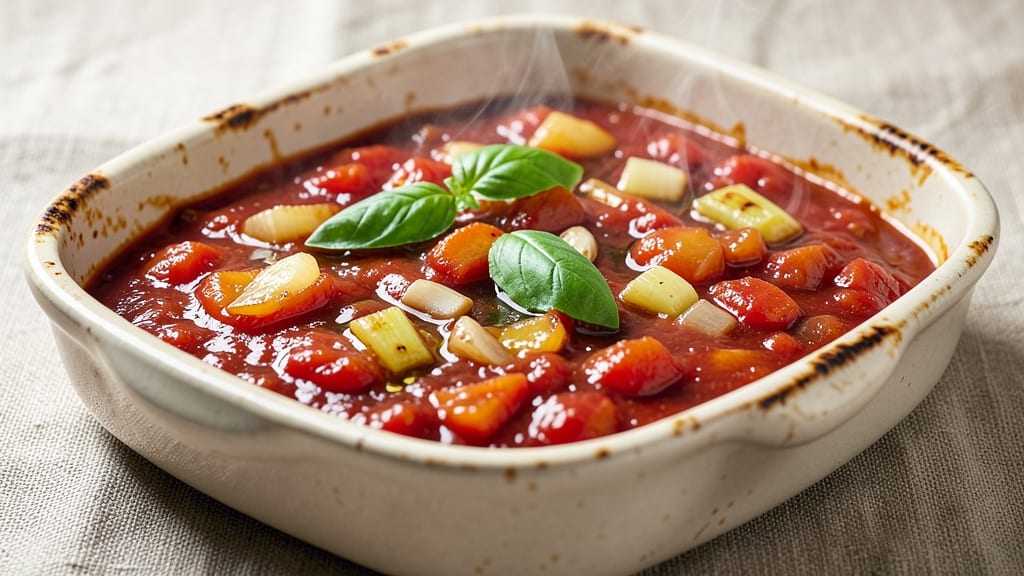
This authentic Italian lasagna sauce recipe unlocks the secret to restaurant-quality flavor using a hidden San Marzano tomato technique that transforms ordinary ingredients into deeply layered umami richness.
The key lies in slow simmering, proper tomato selection, and a balance of aromatics that creates that signature Italian depth—something you won't find in jarred versions.
What makes this sauce truly authentic is the attention to detail in each step, from proper onion sweating to the right simmering time that develops complex flavors.
The foundation begins with quality ingredients: San Marzano tomatoes for their natural sweetness and low acidity, combined with aromatic vegetables like celery and carrots for that classic soffritto base.
A touch of red wine adds brightness, while a slow reduction allows the flavors to meld into a velvety, concentrated sauce with perfect texture.
This isn't just any tomato sauce—it's the kind that makes lasagna layers melt together without turning mushy, creating that perfect balance of rich, savory, and slightly sweet notes.
What sets this sauce apart is its versatility—use it for lasagna, as a pasta sauce, or even as a marinade for meats. The slow cooking process ensures maximum flavor extraction, while the proper seasoning balance makes it adaptable to different dishes without overpowering them.
By the time you're done, you'll have a sauce so rich and flavorful that it becomes the star of any Italian meal, not just a supporting player.
The best part? This sauce tastes even better the next day as the flavors continue to develop. Store it properly in the refrigerator for up to five days or freeze it for months, ensuring you always have authentic Italian flavor at your fingertips.
Let's create this sauce that will elevate your lasagna to new heights.
Ingredients for authentic italian lasagna sauce
Nine ingredients transform into restaurant-quality lasagna sauce with San Marzano magic.
| Ingredient | Amount | Notes |
|---|---|---|
| San Marzano Tomatoes 🍅 | 4 cans | Whole, peeled, no salt added |
| Extra-Virgin Olive Oil 🫒 | ½ cup | High quality, fruity variety |
| Yellow Onion 🧅 | 1 whole | Medium, finely chopped |
| Carrot 🥕 | 1 whole | Medium, finely diced |
| Celery Stalks 🌿 | 2 whole | Medium, finely chopped |
| Garlic Cloves 🧄 | 4 cloves | Fresh, minced |
| Dry Red Wine 🍷 | ½ cup | Bold, like Cabernet Sauvignon |
| Tomato Paste 🍅 | 2 tbsp | High quality, no sugar added |
| Fresh Basil Leaves 🌿 | ¼ cup | Packed, chopped |
| Salt 🧂 | 1 tsp | Diamond Crystal preferred |
| Ground Black Pepper 🌶️ | ½ tsp | Freshly ground |
The San Marzano tomatoes are non-negotiable here. Look for the DOP certification—those little labels mean you're getting the real deal. I grab mine from Whole Foods or Trader Joe's when they're in season, but Amazon Fresh delivers them year-round if you're not near a specialty store. The canned tomatoes should be packed in their own juice, not water—this keeps them sweet and flavorful. For the soffritto base (onion, carrot, celery), buy fresh and chop them yourself—pre-diced veggies lose their flavor fast. The extra-virgin olive oil? Use something you'd drizzle on bread—none of that cheap cooking oil stuff.
No San Marzano tomatoes? Crushed tomatoes in a pinch, but you'll notice the difference in sweetness. Running low on red wine? Beef broth with a splash of balsamic works in a bind. Fresh basil? Dried oregano at one-third the amount gets you close. The tomato paste can be those squeeze tubes from Trader Joe's—no waste, keeps forever. For the soffritto, don't skip the onion sweating—this is where all the flavor develops. Low and slow for 10 minutes until it's translucent. The garlic should be added last so it doesn't burn, but don't skip it—it's the secret to that authentic Italian depth.
This sauce tastes even better the next day as the flavors meld. Store it in a glass jar in the fridge for up to 5 days, or freeze for 6 months in airtight containers. I always make a double batch—one for lasagna, one for pasta. The sauce thickens as it cools, so you can thin it with a splash of water or broth if needed. For lasagna, use about 2 cups per layer—it'll be enough to coat everything without making it soggy.
Why You'll Love This Recipe
- No-Sofrito Struggle: I swear by this version because it skips the tedious chopping of fresh herbs—just a simple soffritto of onion, carrot, and celery in olive oil until it’s sweet and golden. The San Marzano tomatoes handle the rest, giving you that deep, rustic flavor without the fuss of a full herb blend.
- Tomato Magic: That first taste of the reduced San Marzano sauce—sweet, rich, and just slightly tangy—is what makes this worth every minute. The slow simmer pulls out all the natural sugars, leaving you with a sauce that’s actually worth layering between lasagna sheets, not just drowning them.
- Weeknight Workhorse: Between us, this sauce is my go-to for game days, potlucks, or when I need to feed a crowd without stressing. It reheats like a dream, freezes perfectly, and even tastes better the next day—because let’s be real, leftovers are the real MVP here.
- Budget-Friendly Luxury: Honestly, this recipe proves you don’t need expensive ingredients to make something feel special. The San Marzano tomatoes and EVOO might sound fancy, but they stretch to feed a family for days, and the soffritto veggies are pantry staples. Frugal? Yes. Delicious? Absolutely.
Step-by-step instructions for authentic Italian lasagna sauce
This sauce delivers the deep, complex flavors of Nonna's kitchen—where San Marzano tomatoes shine.
Sauté the Soffritto for Flavor Foundation
Heat the 0.5 cup extra-virgin olive oil in a large pot over medium heat. Add the finely chopped yellow onion, finely diced carrot, and finely chopped celery stalks (this trio is called soffritto). Cook for 10-12 minutes until the vegetables soften and their colors deepen to a golden hue.
Here's the thing—don't rush this step. The vegetables should break down completely, releasing their sweetness and forming a thick paste at the bottom of the pot. This is your flavor base, so take your time. If the onions start to brown too quickly, reduce the heat slightly to medium-low and keep stirring occasionally.
Add Aromatics and Deglaze
Once the soffritto is tender, add the 4 minced garlic cloves and cook for 30 seconds until fragrant. Be careful not to let the garlic burn—it should smell sweet and pungent, not bitter. Immediately pour in the 0.5 cup dry red wine and stir constantly, scraping up all the browned bits from the bottom of the pot.
Let the wine simmer for 3-4 minutes until it reduces by half. This step is crucial because it concentrates the flavors and removes any alcohol sharpness. You'll know it's ready when the wine's volume has noticeably decreased and the sauce begins to thicken slightly. This is where the sauce starts to come together—don't skip the wine reduction!
Build the Tomato Base
Stir in the 2 tbsp tomato paste and cook for 1-2 minutes until it darkens slightly and blends completely with the soffritto. This step deepens the sauce's color and adds a concentrated tomato flavor that carries through the entire dish.
Now add the 4 cans San Marzano tomatoes, crushing them by hand as you pour them in. I like to use my fingers to break up the tomatoes slightly—this helps them blend more smoothly into the sauce. Add the 1 tsp salt and 0.5 tsp ground black pepper, then bring the mixture to a gentle simmer over medium-low heat.
Simmer and Develop Complexity
Let the sauce simmer uncovered for 45-60 minutes, stirring occasionally. This long cooking time is essential—it allows the flavors to meld and develop that authentic Italian depth. You'll see the sauce reduce and thicken as it cooks, with the oils from the tomatoes rising to the surface.
About 15 minutes before the sauce is done, stir in the 0.25 cup chopped fresh basil leaves. The basil will wilt and infuse the sauce with its bright, fresh flavor. Taste the sauce and adjust the seasoning if needed—you want it to be rich, balanced, and full of umami without being overly salty. The sauce should coat the back of a spoon but still be smooth and velvety.
Finish and Prepare for Layering
Once the sauce reaches your desired consistency, remove it from heat and let it cool slightly. This sauce is perfect for lasagna—it's rich enough to stand up to layers of cheese and pasta but still bright enough to let the flavors shine through.
I like to let it sit at room temperature for 10-15 minutes before using it in lasagna. This allows the flavors to settle and the sauce to thicken just a bit more, ensuring it doesn't become watery when layered. The sauce should be warm but not boiling when you use it—this helps it meld beautifully with the other components of your lasagna.
Pro Tips For Making Authentic Italian Lasagna Sauce
- Sweat, Don’t Burn: The onion-carrot-celery mix (soffritto) is the flavor foundation, but I learned this the hard way—low and slow is the only way. Too much heat turns it bitter, and that’s a flavor train wreck you can’t fix. Keep it at a gentle simmer, stirring occasionally, until the veggies are soft enough to disappear into the sauce.
- Crush Those Tomatoes: San Marzano tomatoes are sweet and juicy, but resist the urge to dump them whole into the pot. Roughly crush them by hand (or pulse briefly in a food processor) to release their juices and break down faster. This isn’t about texture—it’s about getting that deep, concentrated flavor into your sauce sooner.
- Salt the Soffritto First: Season the onion, carrot, and celery with a pinch of salt before cooking. This draws out moisture and helps them soften faster, plus it seasons the base of your sauce properly. Skip this, and you’ll end up with bland veggies that just soak up flavor instead of contributing it.
- Simmer Uncovered, Then Cover: Start the sauce uncovered on medium heat to let the alcohol (if using wine) and excess moisture evaporate—this concentrates the flavor. Once it thickens, cover loosely and reduce to a low simmer. Covering too soon traps steam and dilutes the sauce, turning it into a thin, watery mess.
Perfect pairings for authentic italian lasagna sauce
Pasta Pairing Perfection
This sauce transforms fettuccine into a showstopper—its rich texture clings beautifully to wide noodles. I serve it with 12 oz fettuccine tossed in 1 tbsp olive oil and finished with ¼ cup grated Parmigiano-Reggiano.
For extra luxury, add 2 tbsp chopped walnuts and 1 tbsp fresh basil right before serving. 🍝
Cheese Board Harmony
Pair this sauce with a Italian cheese board for an impressive appetizer. Include pecorino romano, mozzarella di bufala, and gorgonzola dolce—each cheese complements the sauce's umami depth differently.
Serve with crusty bread and olive oil for dipping. The contrast of creamy mozzarella against the sauce's acidity is pure magic.
Wine Pairing Secrets
A Chianti Classico (Sangiovese) is my go-to—its bright acidity and cherry notes cut through the sauce's richness. For white wine lovers, try a Vermentino from Sardinia; its citrusy profile balances the tomatoes beautifully. Avoid heavy reds like Cabernet Sauvignon—they'll overpower the delicate basil and wine notes in the sauce. 🍷
Unexpected Meat Pairings
This sauce elevates braised short ribs to new heights. Simmer 2 lbs bone-in short ribs in the sauce for 2 hours until fork-tender, then shred the meat and mix it back in.
The result? A sauce so rich it becomes a braising liquid and a condiment in one. Serve with creamy mashed potatoes for contrast.
Breadsticks with a Twist
Dip homemade breadsticks in this sauce for an irresistible appetizer. Brush the dough with garlic-infused olive oil and sprinkle with flaky sea salt before baking. The warm, buttery bread soaks up the sauce perfectly—just like at your favorite Italian trattoria. 🥖
Breakfast Reinvention
Yes, you read that right! Use this sauce as a breakfast sauce for scrambled eggs or shakshuka. Stir 2 tbsp of the cooled sauce into 4 eggs cooked with ¼ cup crumbled feta.
The sweetness of the tomatoes balances the eggs beautifully, creating a brunch dish that feels indulgent yet light. Trust me, your weekend mornings will never be the same. 🍳
Nutrition facts
Frequently asked questions
Can I substitute regular tomatoes for San Marzano in this sauce?
While you can use regular crushed tomatoes, you'll notice a difference in flavor. San Marzano tomatoes have a naturally sweeter, less acidic profile that makes this sauce truly authentic. For best results, look for high-quality canned tomatoes labeled "whole peeled" and crush them by hand for a smoother texture. If you must substitute, choose tomatoes with minimal added water or salt.
How do I adjust the sauce if it's too thick or too thin?
If your sauce is too thick after simmering, stir in 1-2 tablespoons of water or broth at a time until it reaches your desired consistency. For a thinner sauce, simmer it uncovered for an additional 10-15 minutes to reduce the liquid. The sauce should coat the back of a spoon but still be smooth and velvety. Remember, it will thicken slightly as it cools.
Can I make this sauce ahead of time?
This sauce tastes even better the next day as the flavors continue to develop. Store it in an airtight glass jar in the refrigerator for up to 5 days. For longer storage, freeze the sauce in airtight containers for up to 6 months. Let it thaw in the refrigerator overnight before using it in your lasagna.
Why does my lasagna sauce taste bland after cooking?
Bland sauce often results from not developing the flavors properly. Make sure you're using fresh garlic and letting the soffritto cook until it's deeply aromatic. Taste as you go and adjust seasoning gradually—adding salt too early can make the sauce taste flat. The long simmer time (45-60 minutes) is crucial for building depth. If needed, finish with a pinch of sugar to balance acidity or a splash of balsamic vinegar for brightness.
What's the secret to making this sauce taste more authentic?
The key lies in the technique: low and slow cooking with proper ingredient ratios. Use high-quality olive oil and let the soffritto (onion, carrot, celery) cook until deeply sweetened. The red wine reduction is essential for removing alcohol and concentrating flavors. Finally, the basil added at the end should be fresh—dried herbs won't give the same bright, fresh flavor. Patience is what transforms this into authentic Italian sauce!