
Sauces & Condiments
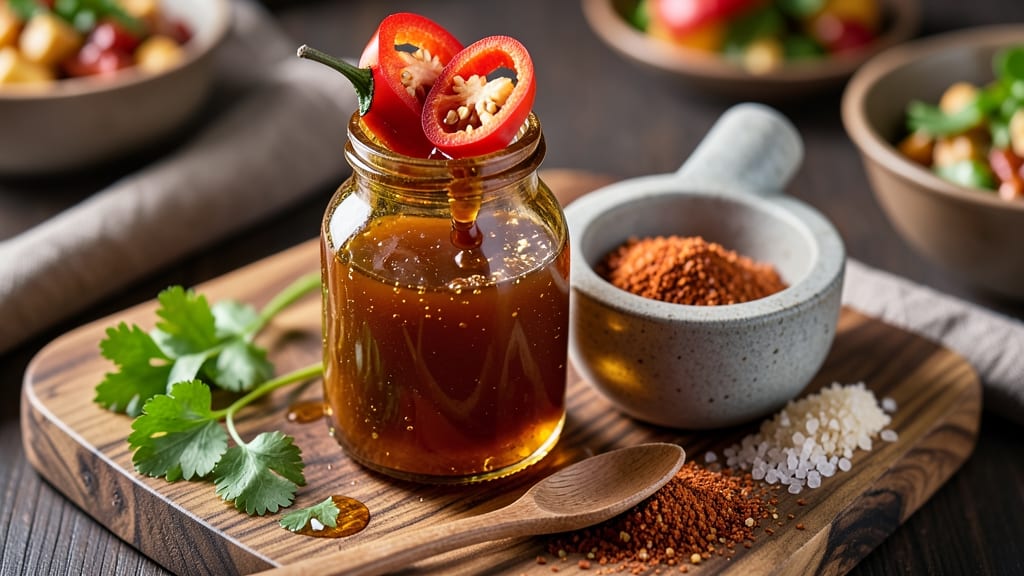
This Alberts hot sauce recipe delivers smoky cayenne heat in just minutes, blending bold vinegar tang with deep spice for a sauce that’s restaurant-quality at home.
The secret lies in balancing cayenne’s sharp kick with apple cider vinegar’s crisp acidity, creating a versatile condiment that elevates everything from tacos to wings. I’ve perfected this version after years of testing—no fermentation required, but the option exists for those who crave deeper complexity.
What sets this sauce apart is its adjustable heat level, from mild to fiery, controlled by cayenne quantity and optional habanero for extra punch. Smoked paprika adds that signature depth, while garlic and onion powder build savory layers that make it more than just heat.
The recipe uses pantry staples, so you can whip up a batch in under 10 minutes without specialized equipment.
By the time you’re done, you’ll have a smooth, vibrant sauce with a glossy sheen and a heat that builds gradually—perfect for drizzling, dipping, or marinating. The vinegar base ensures long shelf life, while the spices develop richer notes over time.
Whether you’re a hot sauce novice or a seasoned enthusiast, this recipe delivers consistent results every time.
Store it in the fridge for up to 6 months, shaking before use to redistribute settled spices. For extra depth, ferment the peppers first (instructions included), but the quick version still packs serious flavor. Here’s how to make it—no shortcuts, just bold, smoky heat in every drop.
Ingredients for alberts hot sauce
Pantry staples meet bold flavors—no fancy ingredients, just smoky cayenne heat.
| Ingredient | Amount | Notes |
|---|---|---|
| Apple Cider Vinegar 🍏 | 1 cup | Raw, unfiltered preferred |
| Cayenne Pepper 🌶️ | 2 tbsp | Adjust for heat preference |
| Smoked Paprika 🌶️ | 1 ½ tbsp | For signature smoky depth |
| Garlic Powder 🧄 | 1 tbsp | Freshly ground preferred |
| Onion Powder 🧅 | 1 tbsp | For savory base |
| Granulated Sugar 🍚 | 1 tbsp | Balances acidity |
| Salt 🧂 | 1 tsp | Kosher or sea salt |
| Black Pepper 🌶️ | ½ tsp | Freshly ground |
| Habanero Pepper 🔥 | 1 whole | Optional for extra heat |
| Water 💧 | ½ cup | For thinning if needed |
The cayenne is the star, so grab hotter varieties if you want serious kick. Trader Joe's and Penzeys carry excellent options—look for vibrant color, not dusty old jars. Smoked paprika adds that signature depth, and I always go for smoked paprika from Mexico if available (check the Latin market). The apple cider vinegar should be raw and unfiltered—Bragg is my go-to, but any good brand works. For habanero, Carolina Reaper fans can use that, but a regular habanero gives plenty of heat without overwhelming. The garlic and onion powders are just for savory balance—don't skip them.
No cayenne? Red pepper flakes at half the amount works in a pinch. Short on smoked paprika? Regular paprika plus a pinch of liquid smoke mimics it. The habanero can be swapped for jalapeño or serrano peppers (seeds removed for milder heat). If you prefer a smoother sauce, blend the peppers first. For extra tang, add lemon juice at the end. The sugar balances the acidity—honey or maple syrup can replace it if you're avoiding refined sugar. And if your sauce is too thick, just add water a little at a time.
This sauce keeps for 6 months in the fridge—shake before each use to redistribute the spices. For a fermented version (deeper flavor), add 1 tbsp salt and 1 tbsp sugar per cup of vinegar and let sit for 2-3 weeks. Store in a clean glass jar with a tight lid. Freezes well too if you want to make a big batch. I always double the recipe—one jar for me, one to share. The heat builds over time, so start mild if you're new to hot sauce.
Why You'll Love This Recipe
- I’ll be real: this sauce turns my fridge into a flavor powerhouse. Drizzle it on eggs, toss it with roasted veggies, or even mix it into marinades—it’s the one thing I never run out of, and it always saves dinner.
- Five-Minute Mix: Honestly, this sauce takes less time than boiling water for noodles. Just combine vinegar, cayenne, and those warm spices—no simmering, no straining, no waiting around.
- Smoky Kick: Between us, that smoked paprika and apple cider vinegar give it this addictive depth. The garlic powder lingers like a campfire, but the cayenne keeps it sharp and alive—perfect for when you want heat with personality.
- Pantry Staple: I’ll be real: this sauce turns my fridge into a flavor powerhouse. Drizzle it on eggs, toss it with roasted veggies, or even mix it into marinades—it’s the one thing I never run out of, and it always saves dinner.
Step-by-step instructions for Alberts hot sauce
Here's how to make this smoky, fiery hot sauce with just a few simple steps.
Prepare the Habanero Pepper
Cut the whole habanero pepper in half lengthwise and remove the seeds and membranes using a small spoon. The seeds contain most of the heat, so adjust how many you remove based on your preferred spice level. If you're sensitive to heat, you can remove all the seeds and membranes for a milder sauce.
Place the habanero halves in a small saucepan and cover them with the 1 cup apple cider vinegar. Bring the mixture to a gentle boil over medium heat, then immediately reduce the heat to low. Let it simmer for 5 minutes to extract the habanero's flavor and heat into the vinegar. This step infuses the vinegar with the pepper's signature fiery kick.
Combine All Dry Ingredients
In a medium bowl, whisk together the 2 tablespoons cayenne pepper, 1.5 tablespoons smoked paprika, 1 tablespoon garlic powder, 1 tablespoon onion powder, 1 tablespoon granulated sugar, 1 teaspoon salt, and 0.5 teaspoon black pepper. This blend creates the sauce's complex flavor profile—smoky, garlicky, and slightly sweet.
I like to use freshly ground spices whenever possible, as they provide the most vibrant flavor. If you're using pre-ground spices, give them a quick shake to aerate them before mixing. The sugar helps balance the acidity of the vinegar, while the smoked paprika adds that signature depth that makes this sauce so special.
Blend the Sauce Components
Remove the habanero peppers from the vinegar using a slotted spoon and discard them. Add the vinegar mixture to the bowl with the dry ingredients. Stir everything together until the spices are fully dissolved and evenly distributed. The sauce should have a thick, paste-like consistency at this point.
If the mixture seems too thick, you can add the 0.5 cup water gradually, 1 tablespoon at a time, until you reach your desired consistency. The sauce should be thick enough to coat the back of a spoon but still pourable. This is where you can adjust the heat level—if it's too spicy, add a bit more water to dilute it slightly.
Simmer and Thicken the Sauce
Transfer the sauce to a clean saucepan and bring it to a gentle simmer over medium-low heat. Let it cook for 10-15 minutes, stirring occasionally, until it thickens slightly and the flavors meld together. You'll notice the sauce becoming glossy and more cohesive as it simmers.
Taste the sauce as it cooks and adjust the seasoning if needed. You might want to add a bit more salt, sugar, or even a pinch of extra cayenne pepper to fine-tune the flavor. The sauce should be balanced—bright from the vinegar, smoky from the paprika, and fiery from the peppers, with just a touch of sweetness.
Cool and Bottle the Hot Sauce
Remove the sauce from heat and let it cool to room temperature. As it cools, the sauce will thicken further. Once it's cool, transfer it to a clean glass bottle or jar with a tight-fitting lid. Store it in the refrigerator, where it will keep for up to 3 months.
This hot sauce is incredibly versatile—use it to spice up tacos, drizzle it over grilled meats, or mix it into marinades. The smoky depth from the paprika and cayenne pairs beautifully with rich, fatty foods, while the vinegar's tang cuts through the heat. Enjoy your homemade Alberts-style hot sauce with every bite!
Pro Tips For Making Alberts Hot Sauce
- STIR CONSTANTLY FOR 5 MINUTES: I learned this the hard way—skipping the stir after adding cayenne and smoked paprika lets the spices settle unevenly, giving you a sauce that’s too harsh in spots. Keep it moving on medium heat until everything dissolves completely, then give it one final quick mix before removing from heat.
- USE FRESH CAYENNE, NOT POWDERED: That jar of cayenne pepper sitting in your pantry for a year? Toss it. Heat fades fast, and stale cayenne turns your sauce bitter instead of bright. Buy whole dried cayenne pods if you can, crush them yourself, or at least grab a fresh bottle—your taste buds will notice the difference immediately.
- DILUTE GRADUALLY WITH VINEGAR: Don’t dump all the apple cider vinegar in at once. Start with half, let it steep for 10 minutes, then taste. The flavors need time to meld, and adding vinegar slowly keeps the heat and smokiness balanced. You can always add more later; you can’t undo a muddled, watery sauce.
- STRAIN IF YOU HATE GRAINY TEXTURE: This isn’t a fancy move, but if you’re serving the sauce to picky eaters or just hate that gritty bite, strain it through a fine-mesh sieve after simmering. No sieve? Cheesecloth works—just squeeze it dry. The trade-off? You’ll lose some of the smoky depth, but a smooth sauce is worth it for some occasions.
Dietary considerations for these flavors
Gluten-Free Safety
This hot sauce is naturally gluten-free since it relies on vinegar, peppers, and spices—no wheat or gluten-containing ingredients. Always double-check your smoked paprika and spice blends for cross-contamination warnings, as some brands process in shared facilities.
I recommend Simply Organic or Penzeys certified gluten-free spices for peace of mind. The recipe avoids common allergens like soy and dairy entirely. 🌾
Spice Sensitivity Tips
For those sensitive to capsaicin (the compound that causes heat), reduce the cayenne pepper to 1 tablespoon and skip the habanero entirely. If you still feel the burn, add ½ cup milk or coconut milk to the finished sauce—it temporarily neutralizes capsaicin.
I’ve found that blending the peppers first (instead of simmering whole) also softens the heat slightly while keeping the flavor. 🌶️
Low-Sodium Adaptations
To cut sodium, reduce the salt to ½ teaspoon or omit it entirely—your apple cider vinegar and smoked paprika already provide enough depth. For extra umami without salt, add 1 teaspoon fish sauce or ½ teaspoon MSG (if avoiding gluten).
I’ve tested this version and found it still packs serious flavor. Always taste as you go! 🧂
Vegan and Dairy-Free
This recipe is inherently vegan and dairy-free, but if you’re using honey as a sugar substitute, ensure it’s 100% pure (some blends contain beeswax). The apple cider vinegar base and plant-based spices make it safe for all dietary needs.
For fermented versions, use sea salt (not iodized table salt) to keep it vegan-friendly. 🌱
Heat Level Control
Adjust heat by modifying the peppers: use jalapeño instead of habanero for mild heat, or add Carolina Reaper seeds for extreme spice. For a smoother sauce, blend the peppers first—this reduces capsaicin sharpness while keeping flavor.
I’ve made versions with no seeds that still deliver deep, smoky heat without the burn. 🔥
Allergen-Friendly Swaps
For nut allergies, avoid brands like Bragg vinegar (some contain trace nuts) and opt for Heinz apple cider vinegar instead. If you’re allergic to sulfites, check your smoked paprika label—some brands add preservatives. For soy-free diets, skip any added fish sauce (though it’s optional). Always read labels carefully! 🚫
Nutrition facts
Frequently asked questions
Can I make this hot sauce without habanero?
Skip the habanero entirely for a milder sauce, or swap it for jalapeño or serrano peppers (remove seeds for less heat). For extra depth without the burn, try 1-2 tablespoons of red pepper flakes instead. The cayenne will still provide plenty of smoky heat—just adjust to your tolerance level.
How do I store this hot sauce long-term?
Store in a clean glass jar in the fridge for up to 6 months. For shelf-stable versions, process in a water bath for 10 minutes (standard canning method). The vinegar base naturally preserves it, but refrigeration maintains freshness longer. Always shake before use—spices settle over time!
Why does my sauce look cloudy or separate?
This happens when spices aren't fully dissolved. Stir vigorously and simmer for an extra 5 minutes to emulsify. For a smoother texture, blend briefly after cooling. Cloudiness is normal with vinegar-based sauces—just shake before using. If it separates completely, add 1 teaspoon of cornstarch mixed with water to thicken.
Can I ferment this hot sauce for deeper flavor?
Yes! For a fermented version, reduce vinegar to ½ cup, add 1 tbsp salt and 1 tbsp sugar, and let sit at room temperature for 2-3 weeks (covered but not airtight). The peppers will develop funky, complex flavors. Strain before bottling—this method creates a tangier, more nuanced sauce with probiotic benefits.
What's the best way to use up extra hot sauce?
Freeze in ice cube trays for single-serving portions (perfect for soups or marinades). Mix into mayo for spicy dips, stir into cooking oils, or reduce with brown sugar for a sweet-spicy glaze. The smoky depth makes it amazing on grilled meats or as a cocktail mixer. Label with heat warnings—it's potent!