
Sauces & Condiments
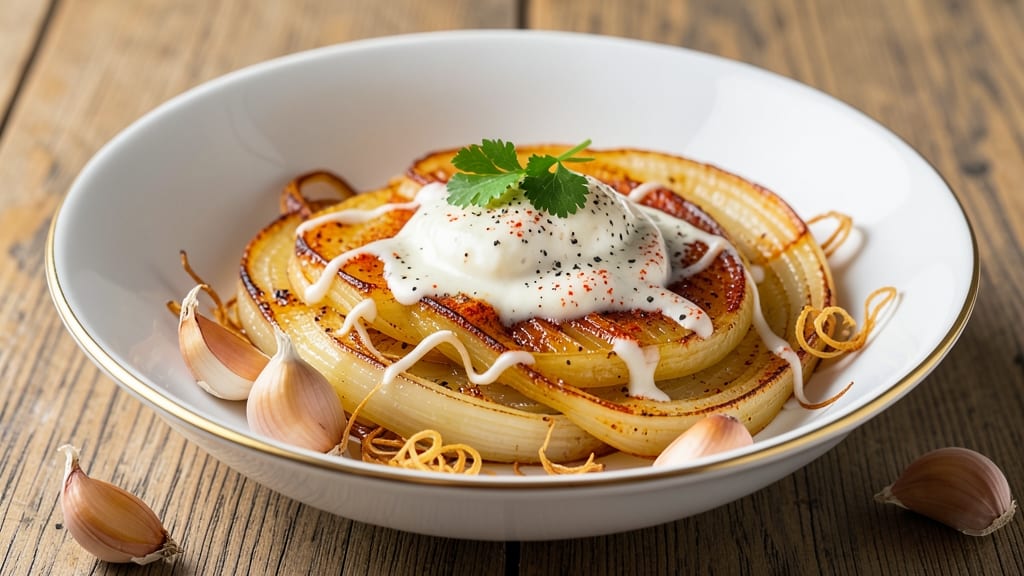
This Yassa onion sauce recipe brings the bold, tangy essence of Senegalese cuisine to your kitchen with its signature caramelized onions and vinegar-infused heat. 🔥 The sauce's unique balance of sweetness, acidity, and spice makes it a standout condiment or marinade for grilled chicken, fish, or even vegetables.
What sets this sauce apart is the slow caramelization of onions, which develops deep, complex flavors that pair perfectly with West African dishes.
The recipe combines simple yet essential ingredients: onions, garlic, mustard, vinegar, and a blend of spices like black pepper and cayenne. The process is straightforward—sautéing onions until they reach a rich, golden hue before adding vinegar and spices to create a sauce that’s both vibrant and versatile.
This method ensures the onions retain their natural sweetness while adding a subtle crunch, making every bite unforgettable.
Once prepared, this sauce can be stored in the refrigerator for up to a week or frozen for longer shelf life, making it a convenient addition to your meal prep.
Its tangy, spicy profile elevates any dish it touches, whether drizzled over grilled meats, mixed into salads, or used as a marinade. The depth of flavor comes from patience—letting the onions caramelize fully transforms this sauce from ordinary to extraordinary.
Perfect for those who love bold, flavorful condiments, this Yassa onion sauce is a game-changer for anyone looking to infuse their meals with the rich traditions of West African cuisine. Let’s get cooking and bring a taste of Senegal to your table!
Ingredients for yassa onion sauce
Nine simple ingredients transform into a bold, caramelized Yassa sauce with West African flair.
| Ingredient | Amount | Notes |
|---|---|---|
| Yellow Onions 🧅 | 2 lbs | Thinly sliced for even caramelization |
| Garlic Cloves 🧄 | 6 cloves | Minced for aromatic depth |
| White Vinegar 💧 | ½ cup | Distilled for tangy brightness |
| Dijon Mustard 🍽️ | 2 tbsp | High-quality for smooth texture |
| Cayenne Pepper 🌶️ | 1 tsp | Adjust for desired heat level |
| Ground Black Pepper 🌶️ | 1 tsp | Freshly ground for bold flavor |
| Olive Oil 🫒 | ¼ cup | Extra-virgin for richness |
| Salt 🧂 | 1 ½ tsp | Kosher or sea salt preferred |
| Fresh Ginger 🌿 | 1 tbsp | Finely grated for zesty kick |
| Honey 🍯 | 1 tbsp | Balances acidity and sweetness |
The onions are the heart of this sauce—yellow onions with their sweet, crisp texture caramelize beautifully. Grab 2 pounds from the grocery store's fresh produce section, where they're usually sold in mesh bags. Look for onions that feel firm and smell fresh; avoid any with soft spots or sprouting. Whole Foods or Trader Joe's often have excellent quality, but your local market will work too. Thinly slice them—about 1/8-inch thick—for even cooking. The longer you caramelize them, the deeper the flavor, so patience here is key. For extra authenticity, some Senegalese recipes use shallots, but onions give a more accessible sweetness that still delivers incredible depth.
No Dijon mustard? Yellow mustard works in a pinch, though it may be slightly grainier. Short on vinegar? Apple cider vinegar gives a milder tang, while white wine vinegar adds a touch of complexity. The honey can be swapped for maple syrup if you prefer, though it adds a distinct earthiness. For heat control, reduce the cayenne to 1/2 teaspoon if you're sensitive to spice, or add a pinch of smoked paprika for a different dimension. The ginger can be subbed with 1/2 teaspoon ground ginger, though fresh is always better. If you can't find extra-virgin olive oil, avocado oil or vegetable oil will work, though they lack the fruity richness. Penzeys or Burlap & Barrel carry excellent quality spices if you want to splurge, but the grocery store's basic brands are perfectly fine for this sauce.
This sauce keeps beautifully—store it in an airtight container in the fridge for up to 1 week, or freeze for 3 months. The flavors actually improve over time as the vinegar and spices meld. For easy use, portion into ice cube trays and freeze; thaw as needed for quick marinades or drizzles. The sauce thickens as it cools, so you can thin it with a splash of water or vinegar if needed. It pairs wonderfully with grilled meats, roasted vegetables, or even as a tangy dip. Double the batch—it disappears fast, especially when you're experimenting with different proteins.
Why You'll Love This Recipe
- Five-Ingredient Magic: I swear by this—just onions, garlic, vinegar, mustard, and a pinch of cayenne. That’s it. No fancy pantry trips, no last-minute store runs. The onions caramelize right in the pan while you chop, and by the time you’re stirring in the mustard, dinner’s already halfway there.
- Tangy Kick: Between us, this sauce is ridiculously good. The vinegar cuts through the sweetness of the onions, the Dijon adds depth, and that cayenne? It wakes up every bite. Honestly, I’ve used it on everything from grilled chicken to fries—each time, people ask for the recipe.
- Weeknight Savior: This is my go-to when I’m too tired to think. Toss it with chicken, drizzle it over rice, or slather it on sandwiches. It keeps well in the fridge too, so I make a big batch and use it all week. (Yes, even on a Tuesday night when takeout feels impossible.)
- Budget-Friendly Powerhouse: Onions and garlic are cheap, and a little vinegar and mustard stretch far. I’ve fed four people for under $10 with this sauce alone. Plus, it’s one of those recipes where the longer it sits, the better it tastes—so leftovers? They’re basically a bonus.
Step-by-step instructions for Yassa onion sauce
Here's the method to create bold Senegalese flavors with perfectly caramelized onions and balanced heat.
🍳 Step 1: Slow-Caramelize the Onions
Heat the 0.25 cup olive oil in a large, heavy-bottomed skillet over medium-low heat. Add the 2 lbs yellow onions in a single layer, stirring occasionally. The key here is patience—caramelization takes 45-50 minutes until the onions turn deep golden brown with rich, sweet aromas filling your kitchen.
Resist the urge to crank the heat. You're looking for gradual color development and moisture evaporation. When the onions reach that perfect caramel stage, remove them from the pan and set aside. They should be soft enough to mash slightly between your fingers, but still hold their shape. This foundational step builds the sauce's complex flavor profile.
🍳 Step 2: Build the Spiced Base
In the same skillet (no need to clean it—the fond is flavor gold), reduce the heat to medium and add the 6 cloves minced garlic cloves. Cook for 30 seconds until fragrant but not browned. Immediately add the 1 tbsp finely grated fresh ginger and stir for another 15 seconds to release its zesty aroma.
Next, whisk in the 2 tbsp Dijon mustard and 1.5 tsp salt until fully combined. Sprinkle in the 1 tsp cayenne pepper and 1 tsp ground black pepper, stirring constantly for 30 seconds to toast the spices and deepen their flavors. This aromatic foundation will carry through the entire sauce.
🥘 Step 3: Balance with Vinegar and Sweetness
Pour in the 0.5 cup white vinegar and the 1 tbsp honey, stirring vigorously to incorporate. The mixture will bubble vigorously as the acidity reacts with the residual heat. Let it simmer gently for 3-4 minutes until slightly reduced by about 20%—you'll notice the sauce thickens slightly and the raw vinegar sharpness mellows.
Return the caramelized onions to the skillet and stir everything together. Taste at this point—you should experience a balance of sweet, tangy, spicy, and umami flavors. If the sauce needs more depth, simmer for another 2 minutes to let the flavors meld completely. This is where the magic happens in Yassa sauce.
Remove the skillet from heat and let the sauce rest for 5 minutes. This resting period allows all the flavors to fully integrate. Taste again and make any final adjustments—perhaps a touch more honey to balance acidity, or an extra pinch of cayenne for more heat. The sauce should coat the back of a spoon with a glossy sheen, maintaining its vibrant color while carrying all the complex flavors we've built. Yassa sauce works best when served at room temperature, so if you're not using it immediately, transfer it to a clean jar and let it sit for 30 minutes before serving. This final resting period ensures peak flavor development.⏰ Step 4: Rest and Adjust
Pro Tips For Making Yassa Onion Sauce
- COOK ON LOW HEAT: The onions need time, not speed—start on medium and drop to low once they’re soft. I learned this the hard way when my sauce turned bitter from overcooking. Let them caramelize slowly, stirring often, until they’re deep amber, not burnt.
- SLICE ONIONS EVENLY: Thin, consistent slices cook uniformly and blend smoothly. Thick or uneven pieces? They’ll resist softening and leave texture issues. Use a sharp knife and aim for ⅛-inch slices—no one wants gummy bits in their sauce.
- ACIDIFY GRADUALLY: Don’t dump all the vinegar at once—add it in stages while tasting. The mustard and cayenne need time to mellow, and too much acid upfront can overwhelm. Start with half, let it marry, then adjust.
- STRAIN THE GARLIC: Mince the garlic fine, then strain it through a sieve after cooking to avoid grainy texture. I was skeptical until I tried it—it makes the sauce silky. Skip this, and you’ll taste every little speck.
Serving suggestions for yassa onion sauce
Grilled Protein Pairings
This sauce transforms grilled chicken thighs into a West African masterpiece—marinate them for 2-4 hours before grilling for maximum flavor infusion. The caramelized onions caramelize further on the grill, creating a beautiful crust. I love serving it with Yassa chicken over couscous or quinoa for a complete meal.
For seafood lovers, try brushing firm white fish like cod or halibut with the sauce during the last 5 minutes of grilling. 🔥
Salad Enhancements
Add 2 tbsp sauce to your favorite grain salad for an instant flavor boost. I toss it with farro or bulgur wheat, cherry tomatoes, cucumber slices, and parsley. The tangy-sweet sauce cuts through the earthiness of the grains beautifully.
For a protein-packed salad, add grilled shrimp or chickpeas to balance the richness. Store-bought kale salads also benefit from a drizzle—just 1 tsp per serving adds incredible depth.
Dipping Sauce Magic
Serve this sauce as a bold dip alongside crispy plantains or fried yuca for a Senegalese-inspired appetizer. The combination of sweet, spicy, and tangy flavors makes it irresistible.
I also love using it as a dip for grilled calamari rings—the vinegar tenderizes the squid while the caramelized onions add sweet contrast. For a vegetarian option, pair it with roasted eggplant slices or crudités like bell pepper strips and carrot sticks.
Breakfast Twist
Who says sauce is just for dinner? Use this Yassa sauce to elevate your breakfast game. Drizzle 1-2 tbsp over scrambled eggs or fried plantains for a West African-inspired morning. The sweetness balances the eggs perfectly while the heat gives you a morning kick.
I also love spreading it on toasted baguette slices with avocado and poached eggs for a brunch showstopper. The vinegar adds brightness that cuts through rich breakfast dishes beautifully.
Vegetable Glazes
Brush this sauce on roasted Brussels sprouts or grilled eggplant during the last 10 minutes of cooking to create a sticky, caramelized glaze. The onions will melt slightly, coating the vegetables in their sweet-spicy goodness.
For extra richness, toss the vegetables with 1 tbsp olive oil before brushing with the sauce. This works especially well with portobello mushrooms—their meaty texture soaks up all the flavor beautifully. 💫
Storage-Friendly Uses
Frozen Yassa sauce becomes a flavorful base for quick weeknight meals. Thaw 1-2 tbsp and stir into tomato-based pasta sauces for instant depth. I also use it as a marinade for tofu or tempeh before air-frying or pan-searing.
For a quick lunch, mix the sauce with Greek yogurt (equal parts) to create a tangy dip for pita chips or veggie sticks. The sauce's versatility makes it a pantry staple worth doubling up on!
Nutrition facts
Frequently asked questions
Can I make this sauce without caramelizing the onions?
The caramelization is what gives Yassa sauce its signature depth and sweetness, but if you're short on time, you can sauté the onions until soft (10-15 minutes) instead. The flavor will be less complex, but you'll still get that tangy-spicy profile. For best results, try to caramelize them at least halfway—aim for 20-25 minutes of cooking time.
What's the best way to adjust the heat level?
Start with the 1 tsp cayenne pepper as written, then taste and adjust. For milder heat, reduce to 1/2 tsp cayenne or swap it for 1/4 tsp smoked paprika. If you want more kick, add an extra 1/4 tsp cayenne or a pinch of red pepper flakes. Remember, the sauce will mellow slightly as it cools, so don't be shy with the spice!
How can I use this sauce if I don't eat meat?
This sauce is incredibly versatile for plant-based meals! Use it as a marinade for tofu or tempeh before grilling or pan-searing. Drizzle it over roasted vegetables like eggplant or sweet potatoes, or mix 2 tbsp sauce with Greek yogurt for a tangy dip with crudités or pita chips. The umami from the mustard and caramelized onions makes it work beautifully without meat.
Can I make this sauce in a slow cooker?
Sauté the onions in a skillet first until they start caramelizing, then transfer everything to a slow cooker. Cook on low for 3-4 hours, stirring occasionally. The slow cooking will intensify the flavors, but you may need to add 1-2 tbsp water if it gets too thick. The vinegar will mellow out more, creating a sweeter, milder sauce perfect for drizzling.
Why does my sauce look too thin?
If your sauce is too runny, it's likely because the onions didn't caramelize enough or the vinegar wasn't reduced properly. For a quick fix, simmer the sauce uncovered for 5-10 minutes to evaporate excess liquid. If it's still too thin, mash some of the caramelized onions to thicken it naturally. For a smoother texture, blend it briefly with an immersion blender (strain if you prefer no chunks).