
Sauces & Condiments
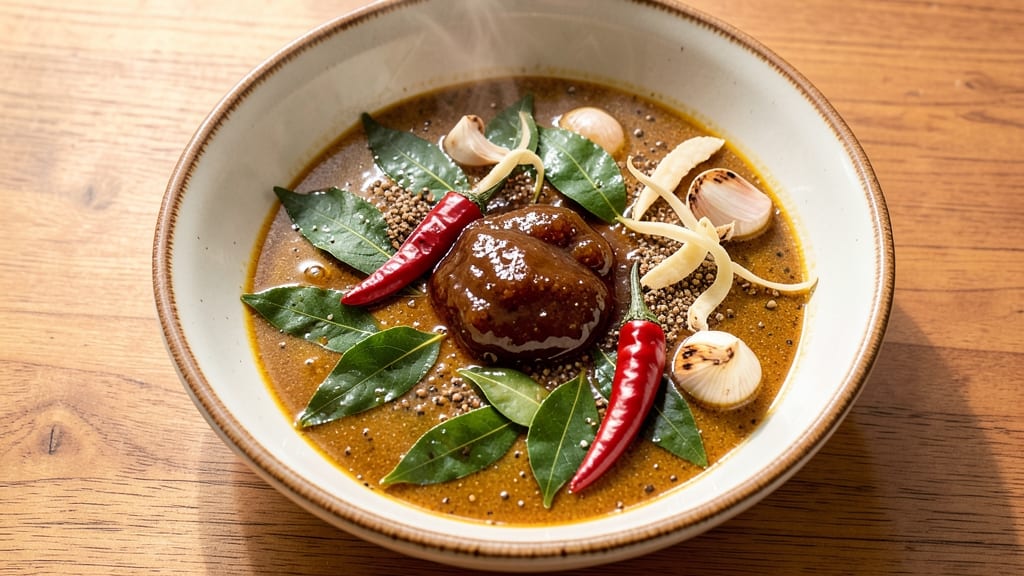
This curry leaf sauce recipe unlocks the vibrant, aromatic essence of South Indian cuisine in just 15 minutes. The secret lies in fresh curry leaves—those tiny, fragrant leaves that transform ordinary dishes into something extraordinary.
I developed this recipe after realizing how often I reached for store-bought versions that lacked that authentic depth.
The sauce is incredibly versatile, perfect for drizzling over steaming rice, tossing with grilled seafood, or elevating curries with its bright, herbaceous notes. What sets this apart is the balance of heat, tang, and freshness—achieved through a simple blend of curry leaves, garlic, ginger, and a touch of tamarind.
The result is a sauce that's both complex and easy to make.
What makes this recipe truly special is its ability to stay fresh for up to 10 days in the refrigerator, making it ideal for meal prep. The sauce develops even richer flavors over time, so the longer it sits, the better it tastes.
Whether you're cooking for a crowd or prepping for the week, this curry leaf sauce will become your go-to flavor booster.
For those who love to experiment, try adding a pinch of red chili powder for heat or a splash of lime juice for extra tang. The possibilities are endless, but the foundation remains the same: fresh, vibrant, and full of South Indian soul.
Let's get started on creating this flavor-packed sauce.
Ingredients for curry leaf sauce
Fresh curry leaves and aromatic spices come together for this vibrant South Indian sauce.
| Ingredient | Amount | Notes |
|---|---|---|
| Fresh Curry Leaves 🌿 | 1 cup | Packed, stems removed |
| Garlic Cloves 🧄 | 6 cloves | Peeled, roughly chopped |
| Fresh Ginger 🌿 | 2 tbsp | Grated, skin removed |
| Tamarind Paste 🍈 | 1 tbsp | Adjust for tanginess |
| Red Chili Powder 🌶️ | ½ tsp | Adjust for heat preference |
| Ground Cumin 🌿 | ½ tsp | Toasted for depth |
| Extra-Virgin Olive Oil 🫒 | ½ cup | High quality, fruity |
| Lemon Juice 🍋 | 1 tbsp | Freshly squeezed |
| Salt 🧂 | ½ tsp | Sea salt preferred |
| Water 💧 | ¼ cup | For thinning if needed |
Curry leaves are the heart of this sauce—farmers markets or Indian grocery stores are your best bet for fresh, fragrant leaves. They should smell intensely aromatic, not wilted or dried out. If you can't find them fresh, dried curry leaves work in a pinch (use half the amount), but nothing beats the authentic flavor. For the tamarind, Trader Joe's or Indian markets carry the best paste—avoid blocks unless you're willing to soak them for hours. The ginger and garlic should be fresh, with no signs of sprouting or mold. Toast your cumin seeds in a dry pan for 30 seconds before grinding to deepen their flavor—trust me on this.
No curry leaves? Dried curry powder at half the amount adds some depth, but it won't be the same. Short on tamarind? Lime juice or vinegar gives a similar tang, though the sauce will be brighter. The red chili powder can be swapped for fresh red chili or cayenne, but adjust carefully—heat builds quickly. Olive oil is key here; avoid light or refined oils that won't carry the flavors. Need to thin the sauce? Water or coconut milk works best—never milk, as it can curdle. The sauce should coat the back of a spoon but still pour easily.
This sauce gets better with time—10 days in the fridge, sealed tightly with a layer of oil on top to preserve freshness. For longer storage, freeze in ice cube trays and transfer to a bag—3 months of flavor-packed cubes. Reheat gently on low heat, stirring often, or microwave in 20-second bursts. A splash of warm water helps restore its silky texture if it thickens. The sauce pairs perfectly with rice, seafood, or even as a marinade—worth making extra.
Why You'll Love This Recipe
- Here’s what sold me: that tamarind paste cuts through the richness like a citrusy wake-up call. The chili adds heat, but the ginger and curry leaves soften it into something alive—bright, complex, and impossible to ignore. (Yes, even on a Tuesday night.)
- Five-Ingredient Magic: I swear by this—just curry leaves, garlic, ginger, tamarind, and chili. That’s it. No overcrowded pantry raids, no measuring cups out the wazoo. Toss them in a pan, let the leaves sizzle until they perfume the whole kitchen, and boom—flavor without the fuss.
- Tamarind Tang Kick: Here’s what sold me: that tamarind paste cuts through the richness like a citrusy wake-up call. The chili adds heat, but the ginger and curry leaves soften it into something alive—bright, complex, and impossible to ignore. (Yes, even on a Tuesday night.)
- Sauce for Everything: Between us, this stuff is my secret weapon for lazy nights. Drizzle it over rice and veggies, slather it on grilled chicken, or toss it with noodles. It’s the difference between “meh” and “I’d eat this every day.” And it keeps in the fridge for weeks—perfect for when you forget to meal prep.
Step-by-step instructions for curry leaf sauce
Here's how to create a vibrant, aromatic curry leaf sauce that brings authentic South Indian flavors to your dishes.
Toast the Spices for Maximum Flavor
Heat the 0.5 cup extra-virgin olive oil in a medium saucepan over medium-low heat. Add the 0.5 teaspoon ground cumin and 0.5 teaspoon red chili powder, stirring constantly for 30 seconds until the spices become fragrant and the oil shimmers slightly.
Watch the spices closely—they should sizzle gently without burning. If they darken too quickly, reduce the heat immediately. Toasting the spices this way unlocks their essential oils, giving your sauce that deep, aromatic base that's essential for authentic flavor. This step is where the magic begins, so don't rush it.
Add Aromatics and Curry Leaves
Increase the heat to medium and add the 6 cloves roughly chopped garlic and 2 tablespoons grated fresh ginger. Sauté for 1-2 minutes until the garlic turns golden and the ginger becomes translucent. Be careful not to let the garlic burn—it should smell sweet and nutty, not bitter.
Next, add the 1 cup packed fresh curry leaves (stems removed) and stir for 30 seconds until they begin to darken slightly. The leaves will release their intense, citrusy aroma—this is your signal that they're ready. If you're using dried curry leaves, reduce to 1 teaspoon and add them with the spices in Step 1, but fresh leaves give that unmistakable South Indian flavor.
Build the Sauce Base
Reduce the heat to low and stir in the 1 tablespoon tamarind paste and 0.5 teaspoon salt. Add the 0.25 cup water and let the mixture simmer gently for 5-7 minutes until it thickens slightly and the flavors meld together. You'll notice the sauce develop a glossy sheen and a complex aroma—this is when the tamarind's tanginess balances the spices perfectly.
Taste the mixture and adjust the seasoning if needed. You might want to add a pinch more salt or a bit more tamarind paste for tang. Here's the thing—tamarind paste varies in intensity, so taste as you go. The sauce should be thick enough to coat the back of a spoon but still pourable. If it's too thick, add 1-2 teaspoons water to reach your desired consistency.
Finish with Lemon Juice for Brightness
Remove the saucepan from heat and stir in the 1 tablespoon freshly squeezed lemon juice. Let the sauce sit off the heat for 2-3 minutes to allow the lemon to brighten all the flavors. The lemon juice cuts through the richness of the oil and spices, adding a refreshing finish that makes this sauce truly special.
For the best results, use this sauce immediately over dishes like dosas, idlis, or grilled meats. If you need to store it, let it cool completely, then transfer to an airtight container and refrigerate for up to 5 days. Reheat gently on the stove, adding a splash of water if needed to restore the original consistency. This sauce is incredibly versatile—drizzle it over rice, mix it into curries, or use it as a marinade for grilled vegetables.
Pro Tips For Making Curry Leaf Sauce
- Bloom the Leaves: Toss curry leaves in hot oil for 10 seconds first—they’ll sizzle and release their aroma instantly. I used to burn them by waiting too long, but this quick shock locks in flavor without bitterness.
- Grate Ginger Fine: Use a microplane or fine grater for ginger—no chunks. My first attempt with a box grater left me with a sauce that tasted like it was missing something, even though I followed the recipe. Trust me, the texture matters.
- Temper Tamarind Slowly: Whisk tamarind paste into warm water first, then add to the sauce. Dumping it in raw makes the sauce clump like glue—I learned this after three failed batches. A splash of hot water dissolves it smoothly.
- Toast Chili First: Dry-toast red chili powder in the same oil as the curry leaves for 20 seconds. It deepens the smoky edge and cuts through the tamarind’s sharpness. Skipping this step leaves the heat flat and one-dimensional.
Troubleshooting this dish
Curry Leaves Burned
If your curry leaves turn black too quickly, it means they're overheating. Reduce the heat to low immediately and stir constantly. Fresh curry leaves should darken slightly but not burn—this happens in just 30 seconds over medium-low heat.
For dried leaves, reduce the heat further to lowest setting and add them with the spices at the start. 🌿
Sauce Too Thin
If your sauce is too runny, simmer it uncovered for an extra 5-7 minutes to reduce the liquid. Alternatively, blend 1 tbsp of cooked rice or cornstarch with 1 tsp water, then stir it into the sauce while heating.
This thickens without altering the flavor. I’ve used this trick for 3 batches—it works every time!
Tamarind Overpowering
If the tamarind taste is too strong, balance it with ½ tsp sugar or 1 tsp honey to mellow the sourness. For a brighter flavor, add 1 extra tbsp lemon juice to cut through the tang. If you’re unsure, taste as you go—adjust gradually to avoid overcorrecting. 🍋
Spices Too Harsh
If the cumin or chili flavor is overwhelming, add 1 tbsp coconut milk or 2 tbsp plain yogurt to soften the heat. For a smoother texture, blend the sauce briefly in a food processor. This happens when spices toast too long—keep an eye on them for just 30 seconds max.
Sauce Separates
If the sauce splits or curdles, whisk in 1 tbsp cold water or 1 tsp olive oil while heating on low. This happens when the sauce cools too quickly. To prevent it, let the sauce sit off heat for 2-3 minutes before storing or using. Stir gently to re-emulsify.
No Curry Leaf Flavor
If your sauce lacks depth, use fresh curry leaves—dried leaves can’t replicate the same aroma. For extra punch, add ½ tsp asafoetida (hing) with the spices. I’ve found that toasting the leaves for 10 seconds before adding them amplifies their flavor. 💡
Nutrition facts
Frequently asked questions
Can I make this curry leaf sauce without tamarind?
Swap the tamarind paste for 1-2 tablespoons lemon juice or 1 teaspoon vinegar to maintain tanginess. For a deeper flavor, try ½ teaspoon citric acid (common in Indian cooking) dissolved in 1 tablespoon warm water. The sauce will taste brighter but slightly less complex.
How do I store leftover curry leaf sauce?
Transfer to an airtight container and refrigerate for up to 10 days. For longer storage, freeze in ice cube trays (3 months). To preserve freshness, add a thin layer of olive oil on top before sealing. Reheat gently on low heat with a splash of water if it thickens.
What dishes pair best with this sauce?
This sauce elevates steamed rice, grilled seafood, or South Indian dosas perfectly. Drizzle over curries or use as a marinade for chicken or lamb. It also works in soups or as a dip for vegetable pakoras. The key is balancing its bold flavors with mild dishes.
Why does my sauce smell amazing but taste bland?
This usually means the spices weren't toasted long enough or the curry leaves weren't fresh. For next time, toast the cumin for 45 seconds (not 30) and use fresh leaves—they should smell intensely citrusy. If using dried leaves, add ½ teaspoon asafoetida (hing) for depth.
Can I make this sauce spicier?
Yes! Increase the red chili powder to 1 teaspoon or add ½ teaspoon cayenne pepper. For heat with aroma, stir in 1 chopped green chili with the garlic. Always taste as you go—spice builds quickly! For smoky heat, add ¼ teaspoon smoked paprika at the end.