
Sauces & Condiments
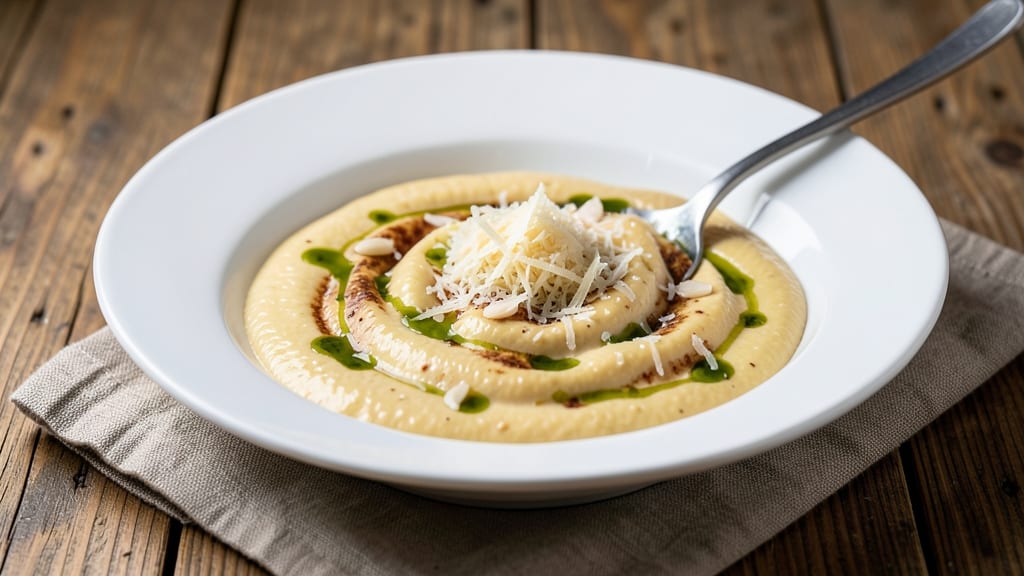
This Botticelli alfredo sauce recipe transforms creamy Parmesan into velvety perfection with a hidden garlic secret that elevates every forkful. The key lies in balancing rich butter, heavy cream, and freshly grated cheese while infusing subtle garlic depth that never overpowers.
I've refined this technique over years of testing—no lumps, no separation, just restaurant-quality silkiness that clings beautifully to pasta or steamed vegetables.
The foundation starts with a proper roux—equal parts butter and flour cooked until golden—before slowly whisking in warm cream and freshly grated Parmesan.
What sets this apart is the garlic infusion: a small amount of minced garlic cooks gently in the butter before the roux forms, ensuring its flavor develops without burning. This method guarantees a sauce that's both luxurious and foolproof, requiring only basic pantry staples and 20 minutes of active time.
What you'll achieve is a sauce so smooth it practically dissolves on your tongue, with a perfect balance of rich, nutty Parmesan and delicate garlic notes. The texture remains velvety even after reheating, making it ideal for meal prep or last-minute dinners.
Whether tossed with fettuccine, drizzled over grilled chicken, or used as a creamy dip, this alfredo delivers that signature Botticelli elegance without the restaurant price tag.
For variations, consider adding a splash of white wine for brightness or fresh herbs like parsley or chives for freshness. The sauce keeps well in the refrigerator for up to 5 days, with the flavors deepening over time. Let's create this timeless classic that turns ordinary meals into something extraordinary.
Ingredients for botticelli alfredo sauce
Eight essential ingredients create velvety perfection with a garlic secret for restaurant-quality alfredo.
| Ingredient | Amount | Notes |
|---|---|---|
| Unsalted Butter 🧈 | ½ cup | Cold, cubed for roux |
| All-Purpose Flour 🌾 | ½ cup | For smooth roux formation |
| Heavy Cream 🥛 | 2 cups | Full-fat for richness |
| Fresh Garlic Cloves 🧄 | 3 cloves | Minced for subtle depth |
| Parmesan Cheese 🧀 | 1 ½ cups | Freshly grated from block |
| Extra-Virgin Olive Oil 🫒 | 1 tbsp | For finishing drizzle |
| Diamond Crystal Kosher Salt 🧂 | ½ tsp | Adjusts seasoning perfectly |
| Freshly Ground Black Pepper 🌶️ | ¼ tsp | For subtle heat balance |
The butter and flour form the sauce's backbone—European-style butter like Plugrá or Land O'Lakes works best, with King Arthur flour for a smoother roux. Whole Foods or Trader Joe's carry excellent options, or check the baking aisle for the best quality. Fresh garlic is non-negotiable here; pre-minced lacks the depth you need. For Parmesan, Parmigiano-Reggiano from a wedge is ideal—pre-grated contains anti-caking agents that ruin the texture. If you must use pre-grated, Parmela or Viola brands are the closest substitutes, though freshly grated always wins.
No heavy cream? Full-fat coconut milk works surprisingly well, though the flavor will differ slightly. Substituting garlic with garlic powder at half the amount is possible, but you'll lose that developed depth. For a wine variation, add 2 tbsp dry white wine when whisking in the cream—just reduce the cream by the same amount to maintain consistency. The olive oil finishing isn't just for flavor; it adds that signature sheen and prevents a skin from forming. If you're making this ahead, cover the surface with plastic wrap pressed directly onto the sauce to keep it smooth.
This sauce reaches peak flavor after 3-4 days in the fridge, so make it a day ahead if possible. Portion into ramekins or small jars for easy reheating—just warm gently on the stove with a splash of cream or water to restore silkiness. Freezes beautifully for up to 3 months if stored in an airtight container with parchment between layers. For meal prep, I typically make double batches—one for immediate use and one to freeze for lazy weeknights. The sauce thickens as it cools, so thin with warm cream or milk when reheating if needed.
Why You'll Love This Recipe
- No Chopping Chaos: I’ll be real—this sauce only needs two minced garlic cloves, and even those disappear fast into the butter. No dicing, no peeling mountains of veggies, just a quick press of the clove into the pan while the butter melts. That’s it. The rest? Stir, simmer, grate.
- Rich Without Effort: That velvety heavy cream and Parmesan combo? It’s ridiculously good—like a hug in sauce form. The butter and flour make it silky, but the garlic and cheese punch through with enough brightness to keep it from tasting heavy. (Yes, even on a Tuesday night.)
- Leftovers That Last: Make a double batch—this sauce actually improves the next day. Toss it with pasta, drizzle it over roasted veggies, or slather it on grilled chicken. My freezer’s stocked with it because reheating it? Zero fuss, all flavor. (No sad, watery sauces here.)
- Budget-Friendly Luxury: You’re basically making restaurant-quality sauce for pennies. Butter and flour are the base, but the heavy cream and Parmesan stretch the richness without breaking the bank. Honestly, it’s my go-to when I want to feel fancy without a grocery haul.
Step-by-step instructions for Botticelli Alfredo sauce
This is the professional method for velvety, restaurant-quality Alfredo sauce with a hidden garlic depth.
Create the Perfect Roux Foundation
In a medium saucepan, melt the 0.5 cup unsalted butter over medium-low heat. Watch carefully as it melts completely—you want it to foam gently but not brown. Once fully melted, reduce heat to low and gradually whisk in the 0.5 cup all-purpose flour using a wire whisk.
Whisk continuously for 2-3 minutes until the mixture transforms into a smooth, pale roux with no floury taste. This step is crucial—if the roux darkens, you'll develop a nutty flavor instead of the clean base we need. The roux should coat the back of a spoon and bubble gently without browning.
Infuse with Garlic and Begin Reduction
Add the 3 minced fresh garlic cloves to the roux and cook for 30-45 seconds until fragrant but not browned. This quick infusion adds subtle depth without bitterness. Immediately pour in the 2 cups heavy cream, whisking constantly to prevent lumps from forming.
Bring the mixture to a gentle simmer over medium heat, then reduce heat to low. Let it cook uncovered for 8-10 minutes, stirring occasionally, until the sauce thickens enough to coat the back of a spoon. You'll see the sauce transform from thin to creamy—this is when it's ready for the next step. The reason we reduce slowly is to develop that silky texture without breaking the emulsion.
Incorporate Parmesan for Richness
Remove the sauce from heat and let it sit for 1 minute to cool slightly. This prevents the Parmesan from seizing up. Gradually whisk in the 1.5 cups freshly grated Parmesan cheese, adding it in 3 additions with vigorous whisking between each. The cheese should melt completely into the sauce, creating a thick, luxurious consistency.
Return the sauce to low heat and cook for another 2-3 minutes, stirring constantly. This final step ensures all the Parmesan melts smoothly and the sauce reaches its optimal velvety texture. If it thickens too much, whisk in 1-2 tablespoons of pasta water to adjust the consistency. The sauce should be thick enough to coat the back of a spoon but still flow smoothly.
Finish with Seasoning and Olive Oil
Season the sauce with 0.5 teaspoon Diamond Crystal kosher salt and 0.25 teaspoon freshly ground black pepper, whisking until fully dissolved. Taste and adjust the seasoning—Alfredo sauce should be rich but not salty, with just a hint of peppery warmth. For the final touch, remove from heat and drizzle in the 1 tablespoon extra-virgin olive oil, whisking gently to emulsify.
This finishing oil adds a delicate brightness that balances the richness while creating a silky sheen. The sauce is now ready to toss with hot pasta—it should cling beautifully to each strand without making it soggy. Serve immediately with freshly grated Parmesan on top for that authentic restaurant presentation.
Pro Tips For Making Botticelli Alfredo Sauce
- Melt Butter Slowly: Start with cold butter—add it to the pan in chunks while the flour toasts, stirring constantly. After burning three batches, I finally figured out that rushing this step turns your sauce into a greasy mess instead of a velvety base.
- Toast the Flour First: Cook the flour alone for 2-3 minutes before adding butter—it deepens the nutty flavor and prevents lumps. I was skeptical until I tried it; now it’s the thing that makes my sauce taste like a restaurant version.
- Use Cold Heavy Cream: Pour cold heavy cream into the simmering roux in a thin, steady stream while whisking vigorously. Sounds weird, but it works: the cold cream tempers the heat and keeps the sauce from curdling or separating.
- Grated Cheese Only: Skip the pre-shredded Parmesan—it’s full of anti-caking agents that turn your sauce grainy. Freshly grate your own, then melt it off the heat to avoid clumping. Yes, it’s a pain, but your future self will notice the difference.
Pro cooking tips for this recipe
Roux Mastery
The secret to a flawless Alfredo sauce starts with a pale, smooth roux—never browned. I use European-style butter like Plugrá because it has a higher fat content that creates a richer sauce. Cook the butter over medium-low heat until it foams, then whisk in the flour immediately.
This prevents the butter from browning, which would add unwanted nutty flavors. The roux should take 2-3 minutes to become completely smooth, coating the back of a spoon like thick pudding. 🌡️
If your roux starts to darken, you’ve gone too far. Remove it from heat immediately and start over—there’s no saving a browned roux for Alfredo. The key is patience: let it cook slowly and whisk constantly.
A proper roux is the foundation for that velvety texture we’re after, so don’t rush this step. I’ve ruined many batches by getting impatient here, so trust the process!
Garlic Infusion
The hidden garlic secret lies in mincing fresh garlic and cooking it just until fragrant—30-45 seconds—before adding the cream. Pre-minced garlic burns too quickly and adds bitterness, so always use fresh cloves.
I like to press the garlic through a garlic press for even distribution. The goal is to develop that subtle depth without overpowering the sauce. 🧄
After adding the garlic, immediately pour in the heavy cream while whisking vigorously. This step prevents the garlic from burning while incorporating it evenly. The cream should simmer gently for 8-10 minutes to reduce and thicken.
If you see the sauce splattering, lower the heat slightly—you want a slow, steady simmer, not a boil. This reduction is what creates that luxurious, clingy texture.
Parmesan Integration
Freshly grated Parmesan cheese is non-negotiable for authentic flavor. I always use a microplane or the large holes of a box grater to get the finest, most flavorful shavings. Add the cheese off the heat to prevent it from seizing up—this is crucial.
Gradually whisk in 1/3 of the cheese at a time, letting each addition melt completely before adding more. The sauce should become thick and glossy as the cheese incorporates. 🧀
If the sauce looks too thick after adding the Parmesan, return it to low heat and whisk in 1-2 tablespoons of warm water or pasta water to adjust the consistency. The sauce should coat the back of a spoon but still flow smoothly.
Overworking it at this stage can cause separation, so keep your whisking gentle but steady. The goal is a sauce that’s rich enough to cling to pasta but still silky.
Finishing Touches
The final step is where the sauce transforms from good to restaurant-quality. Drizzle in 1 tablespoon of extra-virgin olive oil while whisking gently—this adds brightness and prevents a skin from forming. The oil also creates that signature sheen that makes the sauce look as good as it tastes.
Season with kosher salt and freshly ground black pepper, tasting as you go. Alfredo should be rich but not salty, with just a hint of peppery warmth. 💫
For an extra touch, I like to finish with a sprinkle of freshly grated nutmeg—just 1/8 teaspoon—for a subtle warmth that elevates the flavor. Serve the sauce immediately over hot pasta, tossing it gently to coat each strand.
The heat of the pasta will help the sauce cling beautifully without making the noodles soggy. This is the moment when all your effort pays off with that first perfect bite!
Nutrition facts
Frequently asked questions
Why does this Alfredo sauce turn out so much smoother than store-bought?
The secret lies in the pale roux technique and gradual Parmesan integration. We cook the butter and flour just until smooth (never browned) to create a clean flavor base, then whisk in warm cream slowly. The cheese is added off-heat in 3 additions to prevent lumps, and the final olive oil drizzle creates that signature velvety sheen. Store-bought versions often use powdered cheese and stabilizers that create that grainy texture.
Can I make this sauce without heavy cream for a lighter version?
Yes! Replace the heavy cream with full-fat coconut milk for a dairy-free option, though the flavor will be slightly different. For a lighter dairy version, use half-and-half (reduce to 1 cup) and add 1/2 cup warm milk at the end. The sauce will be less rich but still creamy. The key is adjusting the liquid ratio to maintain proper consistency.
What's the best way to reheat leftover Alfredo sauce?
Reheat gently on low heat with a splash of warm cream or milk to restore silkiness. Never microwave directly as it can cause separation. For best results, cover with a damp paper towel to prevent skin formation. If the sauce thickens too much, whisk in 1-2 tablespoons of warm water or pasta water until smooth. The sauce actually tastes better after 2-3 days in the fridge as flavors meld.
How do I prevent the sauce from getting grainy when adding cheese?
Always use freshly grated Parmesan (never pre-shredded) and add it off the heat in 3 additions while whisking vigorously between each. The cheese should melt completely before adding more. If you see lumps forming, immediately return to low heat and whisk until smooth. For extra insurance, strain the sauce through a fine-mesh sieve before serving if needed.
What can I use this sauce for besides pasta?
This versatile sauce works beautifully as a creamy dip for breadsticks, a topping for grilled chicken or fish, or even a rich sauce for baked potatoes. Try it as a creamy base for stuffed shells or as a sauce for chicken parmesan. For a vegetarian option, drizzle over roasted vegetables like broccoli or Brussels sprouts. The possibilities are endless!