
Sauces & Condiments
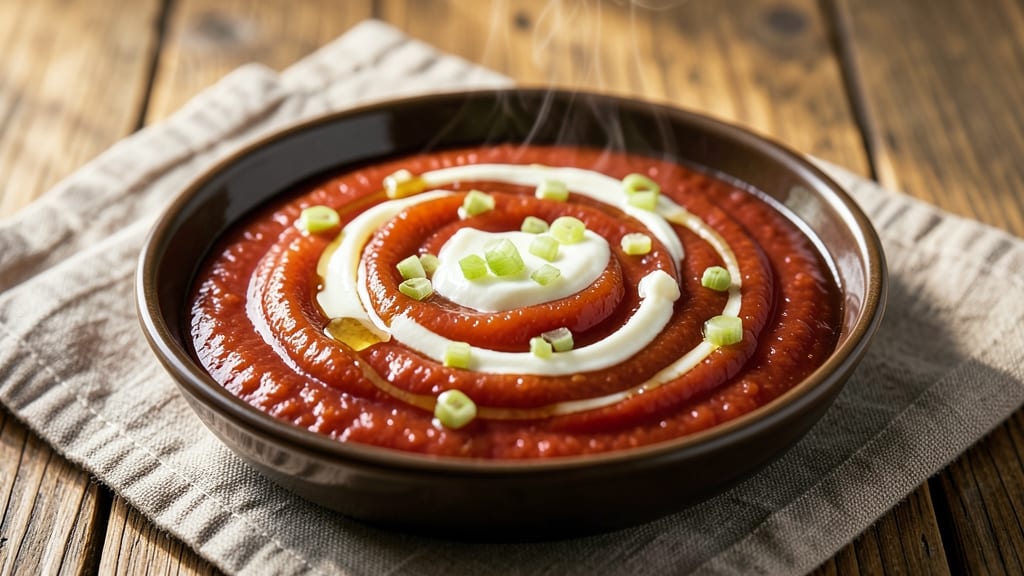
This Bois Boudran sauce recipe transforms humble ingredients into a velvety, umami-rich masterpiece that elevates any protein dish. Born in French cuisine, this sauce marries caramelized shallots, celery, and cream into a silky, aromatic base that clings beautifully to meats like veal or poultry.
The slow simmering process unlocks deep, complex flavors that store-bought versions simply can't match.
The magic lies in patience—letting the vegetables develop a golden hue before blending with cream creates that signature richness. This sauce works equally well as a table condiment or a finishing touch for roasted dishes.
Unlike many French sauces, Bois Boudran requires no advanced techniques, just precise timing and attention to heat control.
What you'll achieve is a smooth, velvety sauce with a balance of sweetness from caramelized shallots and earthy depth from celery. The texture remains luxurious whether served immediately or reheated, making it perfect for meal prep.
Its versatility extends beyond meats—drizzle over grilled vegetables or pair with crusty bread for a sophisticated starter.
Once mastered, this sauce becomes a pantry staple that transforms ordinary meals into restaurant-worthy experiences. The recipe yields about 2 cups, enough to generously coat a main dish or create leftovers for future use.
Store properly in the refrigerator for up to 5 days, or freeze for longer preservation—though fresh is always best.
Ingredients for bois boudran sauce
Eleven ingredients transform into a velvety sauce with restaurant-quality depth and complexity.
| Ingredient | Amount | Notes |
|---|---|---|
| Shallots 🧅 | 1 ½ lb | Peeled and thinly sliced |
| Celery Stalks 🥬 | 1 bunch | Trimmed and finely chopped |
| Tomato Paste 🍅 | ½ cup | High-quality, unsweetened |
| Heavy Cream 🥛 | 1 cup | Full-fat for richness |
| Unsalted Butter 🧈 | 4 tbsp | European-style preferred |
| Dry White Wine 🍷 | ½ cup | Sauvignon Blanc recommended |
| Chicken Stock 🥫 | 1 cup | Homemade or quality store-bought |
| Fresh Thyme 🌿 | ½ oz | Or 1 tbsp dried thyme |
| Garlic Cloves 🧄 | 4 cloves | Minced for depth |
| Diamond Crystal Kosher Salt 🧂 | 1 ½ tsp | Adjust to taste |
| Ground Black Pepper 🌶️ | ½ tsp | Freshly cracked |
The shallots are the foundation—French shallots from Whole Foods or a specialty market deliver the best sweetness. Look for firm, papery-skinned shallots with no green shoots. Celery should be crisp and pale green, not yellowing. If using dried thyme, Penzeys or bulk bins ensure potency. The tomato paste? San Marzano is ideal, but any high-quality canned paste works. For the wine, Sauvignon Blanc adds brightness, but any dry white will suffice. Chicken stock should be low-sodium to control seasoning later.
No white wine? Substitute with extra chicken stock—just add 1 tbsp lemon juice for acidity. Fresh thyme unavailable? Dried works at one-third the amount, but toast the leaves first for deeper flavor. The butter matters here—European-style melts more smoothly than American. For a lighter version, reduce cream to ½ cup and add ½ cup whole milk. The garlic can be roasted (400°F for 10 minutes) for a sweeter profile, though raw minced works just as well. Salt is adjusted at the end, so don't oversalt during cooking.
This sauce peaks after 3-4 days in the fridge—flavors meld beautifully. Store in a glass jar with a layer of plastic wrap pressed directly on the surface to prevent skin formation. Freezes for up to 3 months when portioned into ice cube trays. For reheating, warm gently over low heat, stirring constantly to maintain silkiness. A splash of cream or stock can revive thickness if needed. Leftovers make an excellent base for omelets or pasta sauces.
Why You'll Love This Recipe
- Five-Ingredient Magic: I swear by this sauce—just shallots, celery, tomato paste, cream, and butter. That’s it. No fancy prep, no hidden ingredients, just pure, rich flavor with minimal effort.
- Creamy-Rich Depth: The heavy cream and butter create this velvety texture that clings to everything—meat, pasta, even toast. Honestly, I’ve ruined perfectly good meals just to slather this on bread afterward.
- Weeknight Flexibility: Use it for weeknight dinners (hello, chicken or steak) or dress up a holiday meal. It’s my go-to for when I need something reliable but still feels special—no last-minute stress.
- Leftover Goldmine: This sauce actually tastes better the next day. I make a double batch on Sundays, freeze half, and pull it out for lazy nights. (Yes, even on a Tuesday night.)
Step-by-step instructions for slow-simmered tomato and celery sauce
Master this French technique for a rich, velvety sauce that builds depth through slow reduction.
Sauté Shallots and Celery Until Translucent
Heat 2 tablespoons of the unsalted butter in a heavy-bottomed saucepan over medium-low heat. Add the 1.5 lb peeled and thinly sliced shallots and 1 bunch trimmed and finely chopped celery stalks, stirring to coat evenly. Cook for 15-20 minutes, stirring occasionally, until the vegetables soften and turn translucent—they should look almost glass-like with no resistance when pierced with a fork.
The key here is patience. Rushing this step will lead to bitter flavors. If the vegetables begin to brown before softening, reduce the heat slightly. The remaining 2 tablespoons of butter will be used later for finishing, so don't add any extra fat.
Add Tomato Paste and Cook Until Deeply Flavorful
Increase heat to medium and stir in the 0.5 cup tomato paste, spreading it evenly over the vegetables. Cook for 5-7 minutes, stirring constantly, until the paste darkens and develops a deep caramelized aroma. This step is critical—it forms the sauce's foundational umami.
Next, add the 4 cloves minced garlic and 0.5 oz fresh thyme, stirring for 30 seconds until fragrant. Pour in the 0.5 cup dry white wine and scrape up any browned bits from the bottom of the pan. Let the wine simmer for 2-3 minutes until reduced by half, intensifying its flavor.
Deglaze and Simmer with Stock
Add the 1 cup chicken stock and bring to a gentle simmer. Partially cover the pan and reduce heat to low, letting the sauce cook for 30-40 minutes without stirring. This slow reduction allows the flavors to meld and develop complexity. The sauce should thicken noticeably, coating the back of a spoon when you test it.
After 30 minutes, check the consistency. If it's too thick, add 1-2 tablespoons of water to loosen it slightly. The sauce should coat a spoon but still be pourable. If it's too thin, continue simmering uncovered for another 10 minutes to reduce further.
Finish with Cream and Butter
Remove the pan from heat and stir in the 1 cup heavy cream and 1.5 tsp Diamond Crystal kosher salt. Return to low heat and simmer gently for 5-7 minutes, stirring occasionally, until the sauce thickens slightly and becomes velvety smooth. The cream should integrate completely, eliminating any streaks.
Finally, whisk in the remaining 2 tablespoons unsalted butter until melted and fully incorporated. Taste and adjust seasoning with ground black pepper—this sauce should be rich but balanced, with bright acidity from the wine and deep umami from the reduced vegetables.
Rest and Serve
Transfer the sauce to a clean saucepan and let it rest for 10-15 minutes at room temperature. This resting period allows flavors to fully develop and the texture to stabilize. Strain through a fine-mesh sieve if you prefer a silky-smooth consistency, or leave it slightly textured for added depth.
Serve immediately over pasta, grilled meats, or polenta. The sauce should cling beautifully to proteins and starches, delivering layers of sweetness from the caramelized shallots, herbal notes from the thyme, and a touch of acidity from the wine. For best results, use within 2-3 days or refrigerate for up to 5 days.
Pro Tips For Making Bois Boudran Sauce
- COOK SHALLOTS LOW AND SLOW: I learned this the hard way—blasting shallots on high heat turns them bitter. Instead, melt the butter first, then add them on medium-low and let them sweat for 8-10 minutes until translucent. Patience here means no sharp, overcooked taste ruining your sauce.
- SWEEP UP BROWNED BITS: That dark fond at the bottom of the pan? Don’t ignore it. After deglazing with a splash of liquid (even just a little wine or water), scrape every last bit with a wooden spoon. It’s packed with flavor that’ll thicken and deepen your sauce—trust me, your taste buds will notice.
- WHISK IN CREAM GRADUALLY: Dumping cold heavy cream all at once can curdle your sauce. Instead, temper it by whisking in a ladle at a time while keeping the heat at a gentle simmer. This keeps the sauce silky—no grainy lumps to ruin the texture.
- USE FRESH CELERY STALKS: Sounds weird, but it works: Skip the dried celery flakes. Fresh celery stalks add a bright, crisp backbone to the sauce that dried versions can’t match. Trim and chop them finely, then cook them right with the shallots for maximum flavor infusion.
Troubleshooting great bois boudran sauce
Sauce Too Thin?
If your sauce is thinner than expected after simmering, don’t panic—simmering uncovered for 10-15 extra minutes will help thicken it naturally. For immediate results, whisk in 1 tablespoon of cornstarch mixed with 2 tablespoons cold water until smooth, then return to low heat until slightly thickened.
Test consistency by dipping a spoon—it should coat the back but still be pourable. 🔥
Sauce Too Thick?
Over-reduced sauce? No problem! Thin it with warm chicken stock or heavy cream—add 1 tablespoon at a time, stirring constantly, until you reach the desired consistency.
Avoid cold liquids, as they can cause the sauce to separate. For a smoother texture, strain through a fine-mesh sieve after thinning. 💫
Grainy Texture?
If your sauce has a gritty texture, it’s likely from undercooked shallots or celery. To fix this, blend the sauce for 10-15 seconds until smooth, or strain it through a fine-mesh sieve for a silky finish. For future batches, ensure your vegetables are fully softened before adding other ingredients. 🥄
Separation Issues
If the sauce separates (e.g., cream floating on top), gently reheat it over low heat while whisking constantly. If the separation persists, whisk in 1 tablespoon of cold butter or a splash of cream to re-emulsify. Avoid high heat, as it can worsen the issue. 💡
Flat or Bland Flavor
Bland sauce? Boost umami by adding 1 teaspoon fish sauce or ½ teaspoon soy sauce (if not using wine). For depth, finish with a pinch of smoked paprika or a splash of balsamic vinegar to brighten the flavors. Taste as you go—adjust seasoning gradually. 🌶️
Preventing Future Mistakes
To avoid common pitfalls, always simmer gently—never boil. Use low and slow heat for even reduction, and stir occasionally to prevent sticking. For extra insurance, keep a small bowl of ice water nearby to quickly cool the sauce if it overheats. Patience is key—rushing leads to bitterness! ⏰
Nutrition facts
Frequently asked questions about Bois Boudran sauce
What makes this sauce different from other French tomato sauces?
Unlike classic tomato-based French sauces, Bois Boudran sauce builds its depth through caramelized shallots and celery rather than relying solely on tomatoes. The slow simmer with wine and cream creates a velvety texture with layers of sweetness and herbal notes that set it apart from more acidic tomato sauces like marinara or puttanesca.
Can I substitute white wine with something else?
Yes! If you don't have white wine, use 1 cup chicken stock plus 1 tablespoon lemon juice for acidity. For a non-alcoholic version, try apple cider vinegar (1 tablespoon) mixed with extra stock. The key is balancing the sauce's richness with acidity to prevent flat flavors.
How do I know when the shallots and celery are properly cooked?
The vegetables should become translucent and soft after 15-20 minutes of cooking, with no resistance when pierced with a fork. They should look glass-like, not browned. If they start to brown too quickly, reduce the heat immediately—this indicates they're cooking too fast and may burn.
What's the best way to reheat leftovers?
Reheat gently over low heat in a saucepan, stirring frequently to prevent separation. If the sauce thickens too much, add 1 tablespoon of warm stock or cream per cup of sauce. Never microwave—it can create a skin and ruin the texture. For best results, reheat only until warm, then finish with a pat of butter to restore silkiness.
Can I make this sauce ahead of time?
This sauce actually improves overnight as flavors meld. Store in an airtight container in the fridge for up to 5 days, or freeze for 3 months. For serving, reheat gently and adjust seasoning if needed. The texture may thicken further when refrigerated—thin with stock or cream as needed.