
Sauces & Condiments
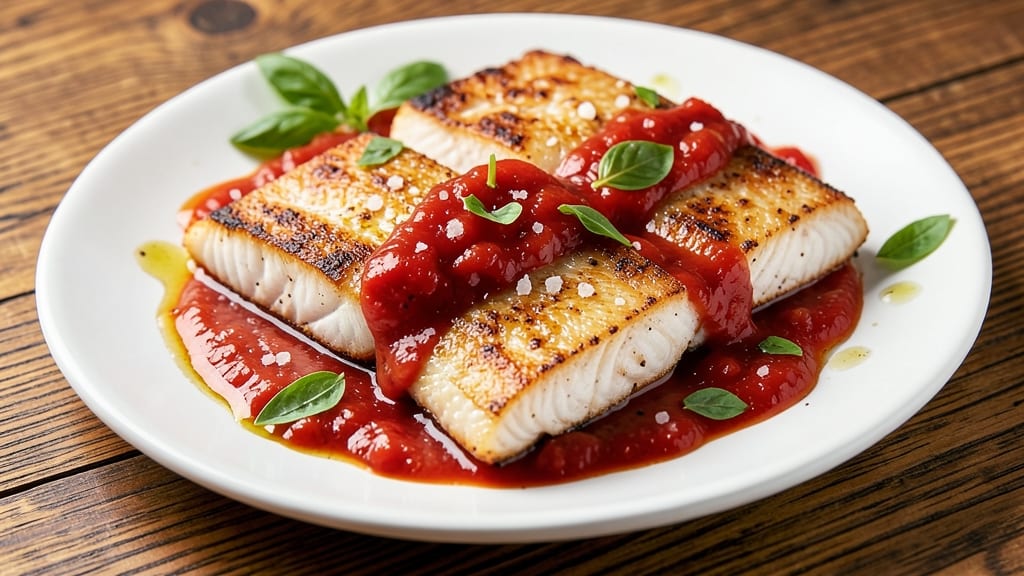
This baked cod in tomato sauce recipe delivers restaurant-quality results with minimal effort—silky flakes of fish enveloped in a bright, herb-infused sauce that tastes like a Mediterranean vacation.
The secret lies in a two-step process: searing the cod first to lock in moisture, then finishing it in the oven with a vibrant tomato sauce that balances acidity and richness. I've perfected this technique over countless dinner parties, and it never fails to impress even the most discerning guests.
The sauce is where the magic happens, combining fresh tomatoes, garlic, white wine, and a blend of fresh herbs that infuse the cod with layers of flavor without overpowering its delicate nature.
A touch of smoked paprika adds depth, while a splash of lemon juice brightens the dish at the end. The result is a sauce that's rich enough to stand alone but perfectly balanced to complement the tender cod.
By the time you pull this dish from the oven, you'll have perfectly cooked cod with flaky, moist flesh and a golden crust, all nestled in a sauce that's vibrant, aromatic, and full of Mediterranean character.
The aroma alone will have everyone gathering at the table, and the first bite delivers on that promise of restaurant-quality dining at home.
This recipe works beautifully as a weeknight dinner or an elegant meal for guests, and it pairs wonderfully with crusty bread, roasted vegetables, or a simple green salad.
The best part? It's ready in under 30 minutes, making it the perfect solution for when you want to impress without spending hours in the kitchen.
Ingredients for baked cod in tomato sauce
Pantry staples plus a few fresh finds for silky cod and bright tomato sauce.
| Ingredient | Amount | Notes |
|---|---|---|
| Cod Fillets 🐟 | 4 pieces | Skin-on, 6 oz each |
| Extra-Virgin Olive Oil 🫒 | 2 tbsp | For searing cod |
| San Marzano Tomatoes 🍅 | 14 oz | Canned, crushed by hand |
| Garlic Cloves 🧄 | 4 cloves | Minced for sauce |
| White Wine 🍷 | ½ cup | Dry variety like Sauvignon Blanc |
| Fresh Basil Leaves 🌿 | ¼ cup | Chopped, stems removed |
| Fresh Parsley 🌿 | ⅛ cup | Chopped, for garnish |
| Smoked Paprika 🌶️ | 1 tsp | For sauce depth |
| Lemon Juice 🍋 | 1 tbsp | Freshly squeezed |
| Salt 🧂 | 1 ½ tsp | Kosher or sea salt |
| Black Pepper 🌶️ | ½ tsp | Freshly ground |
| Fresh Thyme 🌿 | 2 sprigs | Leaves only, chopped |
| All-Purpose Flour 🌾 | 1 tbsp | For dredging cod |
The cod is everything here—look for fresh, skin-on fillets with vibrant color and no fishy odor. Whole Foods or your local fishmonger usually have the best quality. If you can't find San Marzano tomatoes, any high-quality canned tomatoes will work—just crush them by hand for that restaurant texture. The white wine should be dry; Sauvignon Blanc or Pinot Grigio are foolproof choices. Fresh herbs are non-negotiable for that Mediterranean vibe, so grab a bunch of basil and thyme at the store—Trader Joe's has great prices on these.
No white wine? Fish or vegetable stock with a splash of vinegar works in a pinch. Fresh herbs wilt fast, so dried basil at half the amount is better than skipping them. The smoked paprika adds depth without overpowering—Penzeys or any bulk bin will have good quality. For the flour dredge, all-purpose or bread flour both work, but don't skip it—they help create that golden crust. The lemon juice is key for brightness, so use freshly squeezed if you can—bottled won't cut it here.
Cod stays fresh for 1-2 days in the fridge, so use it within that window. The sauce reheats beautifully—keep it in the fridge for up to 5 days or freeze portions for 3 months. I always make extra sauce because it's perfect over pasta or toasted bread. Store the herbs in damp paper towels in a bag to keep them fresh longer.
Why You'll Love This Recipe
- One-Pan Magic: I swear by this recipe because it’s that kind of dish—just toss the cod, tomatoes, and garlic on a sheet pan, drizzle with olive oil and wine, and let the oven do the work. No chopping boards, no pots, no stress—just 20 minutes of hands-off baking.
- Wine-Infused Richness: That splash of white wine in the sauce? It’s the secret weapon. It cuts through the acidity of the tomatoes, deepens the flavor, and leaves you with a sauce that’s silky, bright, and ridiculously good—no heavy cream or complicated reductions needed.
- Weeknight to Weekend: Between us, this is my go-to for busy nights and impressing guests. Serve it over crusty bread for a casual dinner, or plate it with roasted veggies for a fancier spread. The same simple prep works for both—honestly, it’s the kind of recipe that makes me look like a better cook than I am.
- Leftovers That Don’t Suck: Most fish dishes turn into sad, dry meals the next day, but not this one. The tomato sauce keeps the cod moist, and the flavors only get better after a night in the fridge. I’ll often reheat a portion for lunch—warm it gently, add a squeeze of lemon, and boom, instant lunch you’ll actually eat.
Step-by-step instructions for baked cod in tomato sauce
Here's how to create tender, flaky cod bathed in a vibrant tomato-herb sauce.
Prepare the Cod for Perfect Texture
Pat the 4 pieces of skin-on cod fillets dry with paper towels—this ensures a crispy skin and even cooking. Place each fillet in a shallow dish and lightly dredge both sides with the 1 tablespoon of all-purpose flour, shaking off any excess. This creates a delicate crust that locks in moisture while adding texture.
I like to season each fillet immediately after dredging with about ⅓ teaspoon of salt and ⅛ teaspoon of black pepper. The skin will develop a beautiful golden crust while the flesh stays silky and flaky. Let the floured fillets sit at room temperature for 10 minutes before cooking—this helps them cook more evenly.
Build the Flavorful Tomato Sauce
Heat the 2 tablespoons of extra-virgin olive oil in a large oven-safe skillet over medium heat. Add the 4 cloves of minced garlic and sauté for 30 seconds until fragrant—don't let it brown or it'll turn bitter. Stir in the 1 teaspoon of smoked paprika and cook for another 10 seconds, stirring constantly.
Pour in the 14 ounces of crushed San Marzano tomatoes and the 0.5 cup of white wine. Bring to a gentle simmer, then reduce heat to low. Let it cook uncovered for 8-10 minutes, stirring occasionally, until the sauce thickens slightly and the alcohol flavor cooks off. This is where all the deep, savory flavors develop.
Sear and Bake the Cod
Carefully place the floured cod fillets skin-side down in the skillet with the sauce. Increase heat to medium-high and let them sear undisturbed for 3-4 minutes until the skin is golden brown and crispy. This step is crucial—it creates that perfect texture contrast between the crispy skin and tender flesh.
Once the skin is set, gently flip each fillet and spoon some of the sauce over the top. Transfer the skillet to a preheated 375°F oven and bake for 8-10 minutes, or until the cod is just opaque in the center and flakes easily with a fork. The sauce should bubble gently around the edges—this tells you it's working its magic on the fish.
Finish with Fresh Herbs and Bright Flavors
Remove the cod from the oven and let it rest for 2 minutes. Meanwhile, stir the 1 tablespoon of lemon juice, 0.25 cup of chopped fresh basil leaves, 0.125 cup of chopped fresh parsley, and 2 sprigs of chopped fresh thyme into the sauce. This final infusion brightens the dish and adds that fresh, herbaceous finish we all love.
Spoon the herb-kissed sauce over the cod fillets and serve immediately. The sauce should coat the fish beautifully, with the herbs floating on top for both visual appeal and flavor. Each bite should deliver perfectly flaky cod with a vibrant, balanced sauce that's neither too acidic nor too heavy.
Pro Tips For Making Baked Cod In Tomato Sauce
- Sear the Cod First: Hit the fillets with olive oil in a hot pan for 2 minutes per side before baking—this locks in moisture and adds a crisp edge that baked-only cod misses. (Yes, even if you’re impatient like me, don’t skip this step.)
- Crush Garlic Coarsely: Minced garlic burns fast in tomato sauce. Smash 3-4 cloves with the flat side of your knife instead—it infuses flavor without turning bitter. I learned this the hard way when my sauce tasted like ash.
- Deglaze with Wine Early: Pour the white wine into the pan before adding tomatoes. Let it bubble for 1-2 minutes to cook off the alcohol and build a richer base. This isn’t the prettiest method, but it’s the tastiest.
- Test Cod at 135°F: Fish is done when it flakes easily with a fork, but the internal temp should hit 135°F (63°C) for safety. Overcook it, and you’ll end up with dry, sad flakes. (Your future self will thank you.)
Serving suggestions for this recipe
Crusty Bread Pairing
Nothing complements the silky cod and bright tomato sauce like warm, crusty bread. I love using a baguette or ciabatta—slice it into thick pieces and toast until golden.
The bread soaks up the extra sauce beautifully, turning every bite into a flavorful experience. For an extra touch, brush the slices with garlic-infused olive oil before toasting. 🥖
Roasted Vegetable Medley
Add a colorful side of roasted vegetables to balance the richness of the cod. Toss zucchini, bell peppers, and cherry tomatoes with 1 tbsp olive oil, ½ tsp dried oregano, ½ tsp salt, and ¼ tsp black pepper.
Roast at 400°F for 20-25 minutes until tender and slightly caramelized. The sweetness of the roasted veggies contrasts perfectly with the tangy tomato sauce.
Simple Green Salad
A refreshing arugula salad with a light lemon vinaigrette cuts through the richness of the cod. Toss 4 cups arugula with 2 tbsp olive oil, 1 tbsp fresh lemon juice, ½ tsp Dijon mustard, and a pinch of salt.
Top with ¼ cup toasted pine nuts for crunch. The peppery bite of arugula and the crunch of pine nuts make this a perfect palate cleanser.
Wine Pairing
For a classic pairing, serve this dish with a crisp Italian white wine like Vermentino or Pinot Grigio. The bright acidity of these wines complements the tomato sauce beautifully, while their citrus notes echo the lemon juice in the dish.
If you prefer red, a light Chianti works well—just be sure it’s not too tannic to overpower the delicate cod. 🍷
Garnish for Extra Flair
Before serving, garnish each plate with a sprinkle of fresh parsley and a few lemon zest strips for a pop of color and freshness. A drizzle of extra-virgin olive oil adds a final touch of richness. These small details elevate the dish from homemade to restaurant-worthy without extra effort. ✨
Nutrition facts
Frequently asked questions
Can I use frozen cod instead of fresh?
Yes, but thaw it properly first! Place frozen cod in the refrigerator for 12-24 hours to thaw slowly. Never use cold water or microwave—this can create uneven cooking. Pat it completely dry before dredging to ensure crispy skin. The texture will be just as tender when cooked properly.
What if my cod skin doesn't get crispy?
This usually happens if the cod wasn't dry enough or the heat wasn't high enough. For next time, pat the fillets extra dry with paper towels and sear them at medium-high heat for 3-4 minutes undisturbed. Also ensure your skillet is hot before adding the cod. A splash of cold water in the pan before flipping can help create steam for crispiness.
How can I make this sauce ahead of time?
Make the sauce up to 2 days in advance and store it in an airtight container in the fridge. Reheat gently on the stove before adding the cod. For longer storage, freeze the sauce for up to 3 months. Thaw overnight in the fridge before using. The flavors actually deepen when made ahead!
Can I substitute white wine in the sauce?
Use ½ cup fish stock or ½ cup vegetable stock with 1 tablespoon white vinegar for acidity. Or try ½ cup orange juice for a bright twist. The key is maintaining the same liquid volume and acid balance. The sauce will still be delicious!
Why is my tomato sauce too acidic?
This often happens when the tomatoes are underripe or the cooking time is too short. Balance the acidity by adding 1 teaspoon sugar or ½ teaspoon honey to the sauce while it simmers. A pinch of salt also helps round out the flavors. For future batches, use fully ripe tomatoes and simmer the sauce for the full 8-10 minutes to mellow the acidity.