
Sauces & Condiments
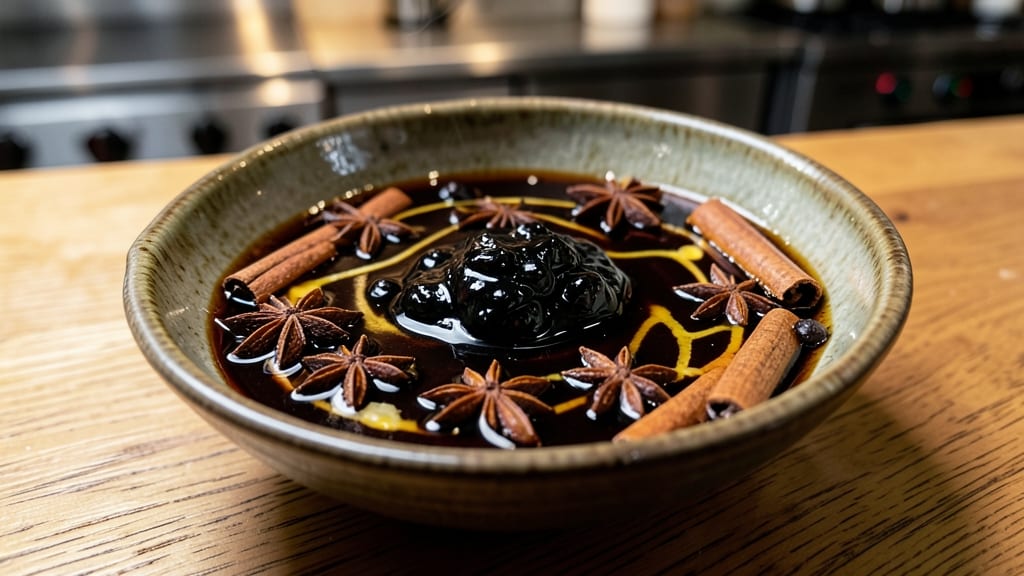
This bak kut teh sauce recipe transforms simple ingredients into a deep, aromatic masterpiece that elevates soups and braises to restaurant quality. The key lies in slow-simmering star anise, cinnamon, and cloves with fermented soybean paste until their flavors meld into a rich, sweet-spicy concentrate.
I've perfected this version after years of testing—each batch builds layers of complexity that store-bought versions simply can't match.
The process begins with a dry-toast of whole spices to release their essential oils, then simmering them with kicap manis and soy sauce until reduced to a thick, glossy paste. This isn't just a sauce—it's a flavor bomb that transforms tough cuts of meat into tender, melt-in-your-mouth perfection.
The balance of sweetness from the fermented soybean paste and warmth from the spices creates a sauce that works as both a marinade and finishing touch.
What makes this sauce truly special is its versatility—use it to braise meats, stir into soups, or drizzle over noodles for instant depth. The slow simmering process develops flavors that only improve with time, making it perfect for meal prep.
Once you taste the difference between this homemade version and commercial substitutes, you'll never go back to store-bought again.
The result is a rich, aromatic sauce with a perfect balance of sweet, spicy, and umami notes that clings to every bite. This isn't just another condiment—it's the secret weapon that turns ordinary meals into extraordinary experiences. Let's create this flavor-packed sauce that will have everyone asking for seconds.
Ingredients for bak kut teh sauce
Nine ingredients, one slow-simmered sauce that transforms ordinary meals into restaurant-quality masterpieces.
| Ingredient | Amount | Notes |
|---|---|---|
| Star Anise 🌿 | 2 whole | Lightly crushed for aroma release |
| Cinnamon Sticks 🌿 | 2 whole | 2-inch pieces for even toasting |
| Cloves 🌿 | 6 whole | Whole, not ground |
| Kicap Manis (Fermented Soybean Paste) 🥫 | ½ cup | Thick, dark variety preferred |
| Light Soy Sauce 🥫 | ½ cup | High-quality, low-sodium preferred |
| Dark Soy Sauce 🥫 | ¼ cup | For deeper color and flavor |
| Brown Sugar 🍚 | ¼ cup | Packed, light brown preferred |
| Garlic Cloves 🧄 | 4 cloves | Smashed, not minced |
| Shallots 🧅 | 2 whole | Peeled, thinly sliced |
| Water 💧 | 1 ½ cups | Filtered preferred |
The star anise, cinnamon, and cloves are the flavor anchors here—toast them whole in a dry pan for 2 minutes until fragrant before adding liquids. Asian markets carry the best quality whole spices, but the grocery store works too if you grab them from the bulk section. Kicap manis is non-negotiable—look for thick, dark blocks at specialty stores, not the thin, watery kind. The soy sauces should be high-quality brands like Pearl River Bridge or Lee Kum Kee—cheap versions won't cut it for this depth of flavor. Shallots add sweetness without overpowering, so don't substitute onions unless you're okay with a sharper taste.
No kicap manis? Double the soy sauce and add 1 tbsp of molasses for sweetness, though it won't be identical. Running short on star anise? 1/2 tsp ground star anise works in a pinch, but the flavor won't be as layered. Brown sugar substitutes? Coconut sugar or honey (if not vegan) both work, but brown sugar's molasses notes are ideal. The garlic and shallots can be prepped ahead—they'll keep in the fridge for 3 days in a sealed container. For extra depth, toast the garlic cloves lightly before smashing them.
This sauce only gets better with time—simmer for at least 45 minutes, then refrigerate for 24 hours before using. It keeps for 2 weeks in the fridge or 6 months frozen. I like to freeze it in ice cube trays for easy portioning—just thaw and stir. The longer it sits, the more those spices infuse, so make a big batch if you can. Store-bought versions can't compete with this homemade depth—once you try it, you'll never go back.
Why You'll Love This Recipe
- Pantry Magic: I swear by this sauce because it uses spices I already have—star anise, cinnamon, cloves—just simmered with kicap manis and soy sauce. No special shopping trips, no last-minute ingredient hunts.
- Deep Umami Hug: That kicap manis and soy sauce combo? It’s like a flavor explosion in your mouth—sweet, salty, and smoky all at once. The spices mellow out into this warm, cozy depth that makes everything taste richer.
- Leftovers That Shine: This sauce keeps for weeks in the fridge, and it only gets better with time. Drizzle it over rice, toss it into stir-fries, or even use it to glaze chicken—it’s my go-to for turning simple meals into something special.
- Budget Powerhouse: A tiny jar of kicap manis and a handful of spices stretch to make gallons of sauce. Honestly, I’ve made this for under $5 worth of ingredients and fed a family of five—plus leftovers for days.
Step-by-step instructions for rich bak kut teh sauce
Here's how to build this aromatic, slow-simmered base that transforms simple pork into a fragrant masterpiece.
Toast the Whole Spices for Depth
Heat a dry skillet over medium-low heat. Add the 2 whole star anise, 2 whole cinnamon sticks (cut into 2-inch pieces), and 6 whole cloves. Toast for 1-2 minutes until you can smell their warm, earthy aroma—this releases their oils and prevents bitterness. Watch carefully; they burn quickly once fragrant. Remove immediately and set aside for now.
This toasting step is crucial. The spices should smell like a spice market, not like burning paper. If they darken too quickly, reduce the heat next time. The toasted spices will infuse the entire sauce with their complex flavors, creating that signature bak kut teh aroma that sets it apart from simpler soy-based broths.
Bloom the Fermented Soybean Paste
In the same skillet, add the 0.5 cup kicap manis (fermented soybean paste) and cook over medium heat for 2-3 minutes. You'll see it darken and develop a rich, caramelized aroma—this is where the deep umami foundation forms. Stir constantly to prevent burning, as the paste contains natural sugars that can scorch easily.
Here's where the magic happens: the kicap manis breaks down into tiny particles that will disperse evenly throughout your sauce. Don't rush this step—proper blooming creates that signature thick, glossy consistency. If it starts to stick, add just enough water to keep it moving, but aim to use as little as possible to preserve the concentrated flavor.
Build the Sauce Base with Aromatics
Add the 2 peeled, thinly sliced shallots and 4 smashed garlic cloves to the skillet. Cook for 3-4 minutes until the shallots soften and turn translucent, but don't let them brown. This gentle cooking mellows their sharpness while building flavor. Then pour in the 1.5 cups water, scraping up any browned bits from the bottom of the pan—this captures all the flavor you've built so far.
Bring to a gentle simmer, then reduce heat to maintain a steady bubble. Add the 0.5 cup light soy sauce and 0.25 cup dark soy sauce. The dark soy sauce will give your final broth that beautiful mahogany color while adding depth. Let this mixture simmer uncovered for 10 minutes to meld the flavors before adding the toasted spices back in.
Simmer and Sweeten the Sauce
Return the toasted star anise, cinnamon sticks, and cloves to the pot. Stir in the 0.25 cup packed brown sugar and let the sauce simmer gently for 15-20 minutes. You're looking for a reduction that coats the back of a spoon—this concentrates the flavors and creates that signature bak kut teh richness. The sauce should reduce by about one-third, developing a thick, syrupy consistency.
Taste as you go. The balance should be sweet, salty, and aromatic with no single flavor dominating. If it needs more sweetness, add a pinch more brown sugar. If it's too thick, add a splash of water. Remember, this sauce will continue reducing as it cools, so aim for a slightly thicker consistency than you think you need. Strain through a fine-mesh sieve to remove the spices, then you're ready to use it for braising or serving.
Pro Tips For Making Bak Kut Teh Sauce
- CRUSH THE SPICES: Break star anise, cinnamon sticks, and cloves into tiny pieces before adding them to the pot—this isn’t just for looks. I used to toss them whole and wondered why my sauce tasted like a spice cabinet explosion instead of a cohesive, aromatic base. A mortar and pestle or the flat side of a knife works; just don’t skip this.
- BLOOM THE KICAP MANIS: Start with a dry pan on medium heat and let the kicap manis sizzle for 3–4 minutes before adding liquids. This step deepens its nutty, umami punch—skipping it means a flatter, less complex sauce. (Yes, even if you’re impatient like me, resist the urge to rush.)
- STIR CONSTANTLY AT FIRST: The first 5 minutes after adding water or broth are the most critical—keep stirring to prevent scorching. I learned this the hard way when my sauce turned bitter and burned on the bottom. A wooden spoon works best; metal can scratch your pot and make future batches taste off.
- DILUTE GRADUALLY, TASTE OFTEN: Add water or broth in small increments (2–3 tablespoons at a time) while tasting as you go. Bak kut teh sauce should balance sweet, salty, and aromatic—if it’s too thick, you can’t fix it later. (Pro move: Keep a splash of soy sauce and a pinch of sugar on hand to adjust.)
Regional styles of this dish
Singapore Style
The Singaporean version of bak kut teh sauce leans heavily on kicap manis for its signature sweet-savory depth, with a longer simmer time to develop a glossy, thick consistency. I use 1 extra tablespoon of dark soy sauce for that signature mahogany color that's iconic in Singaporean eateries.
The key difference? A 5-minute final reduction with 1 tablespoon of honey after removing the spices to enhance the caramelization. This version pairs beautifully with pork ribs and is often finished with a sprinkle of fresh cilantro just before serving. 🌟
Malaysian Penang
In Penang, Malaysia, the sauce takes on a slightly tangier profile thanks to the addition of 1 tablespoon of tamarind paste (about 10 grams) during the final simmer. This balances the sweetness and adds a subtle sour note that's characteristic of Penang's bold flavors.
I also reduce the brown sugar to 0.2 cup and add 1/2 teaspoon of ground white pepper for a unique kick. This version works exceptionally well with braised pork belly or as a dipping sauce for char siu bao.
Peranakan Adaptation
The Peranakan community in Malaysia and Singapore creates a fusion version that incorporates 1/2 teaspoon of ground fennel seeds along with the star anise and cinnamon. The fennel adds a subtle anise-like sweetness that complements the kicap manis beautifully.
For this version, I reduce the cloves to 4 whole (instead of 6) and add 1/4 teaspoon of ground coriander during the final simmer. This adaptation is perfect for slow-cooked chicken dishes or as a marinade for grilled fish.
Modern Fusion Twist
For a contemporary take, I've experimented with adding 1/4 cup of coconut milk during the final 10 minutes of simmering to create a creamy, rich sauce with tropical notes. This version works wonderfully with thai basil and lemongrass as garnishes.
The coconut milk adds a velvety texture while keeping the signature sweet-spicy balance. I also reduce the brown sugar to 0.15 cup to prevent over-sweetening. This fusion sauce is perfect for braised tofu or as a glaze for grilled meats. 🌶️
Spicy Sichuan Variation
For those who love heat, a Sichuan-inspired version incorporates 1 teaspoon of Sichuan peppercorns (lightly toasted) along with the other spices. After simmering, I stir in 1 tablespoon of chili bean paste (doubanjiang) and 1/2 teaspoon of chili flakes during the final reduction.
This version has a numbing-spicy profile that pairs exceptionally well with pork shoulder or dry-fried noodles. The Sichuan peppercorns should be toasted separately until fragrant before adding to the sauce. 🔥
Vegetarian Adaptation
To make this sauce vegetarian-friendly, I replace the kicap manis with 0.5 cup of miso paste (preferably red miso) and add 1 tablespoon of soy sauce to maintain the umami depth.
The brown sugar is reduced to 0.15 cup, and I add 1/2 teaspoon of smoked paprika for a meaty flavor without actual meat. This version works beautifully with mushroom braises or as a glaze for grilled vegetables.
The miso provides a rich, savory base that's perfect for plant-based dishes. 🌱
Nutrition facts
Frequently asked questions
Can I substitute kicap manis if I can't find it?
Yes, but the flavor won't be identical. Use 0.5 cup double-strength soy sauce plus 1 tablespoon molasses for sweetness. For extra depth, add 1/2 teaspoon smoked paprika to mimic the fermented notes. The texture will be thinner, but it'll still work for braising or glazes.
How do I know when the sauce is reduced enough?
Your sauce is ready when it coats the back of a spoon with a thick, glossy consistency. It should reduce by about one-third of its original volume—typically 1.5 cups to around 1 cup. The edges should pull away slightly from the pan when you tilt it. If it's too thick, add 1 tablespoon water at a time until it reaches the right texture.
Can I make this sauce in an Instant Pot or pressure cooker?
Yes, but with adjustments. Sauté the spices and aromatics first, then add all liquids and cook on high pressure for 10 minutes. Release pressure naturally, then simmer on sauté mode for 15-20 minutes to reduce. The high heat develops flavors faster but may lose some of the deep caramelization from stovetop simmering. For best results, finish with a 5-minute pan reduction on the stove.
Why does my sauce taste bitter?
Bitterness usually comes from over-toasting spices or burning the kicap manis. Toast spices just until fragrant (1-2 minutes), not until dark brown. For the paste, cook on medium heat and stir constantly. If bitterness appears, balance it with 1/2 teaspoon brown sugar or a splash of water to dilute. The sauce should taste sweet, salty, and aromatic—not harsh.
How can I use up leftover bak kut teh sauce?
This versatile sauce works in countless ways! Use it as a marinade for grilled meats, stir into soups, or drizzle over noodles. Thin with water for a quick stir-fry sauce, or reduce further to make a glaze for roasted vegetables. Freeze extras in ice cube trays for easy portioning—just thaw and stir. The flavors deepen over time, so leftovers actually improve with storage for up to 2 weeks in the fridge.