
Sauces & Condiments
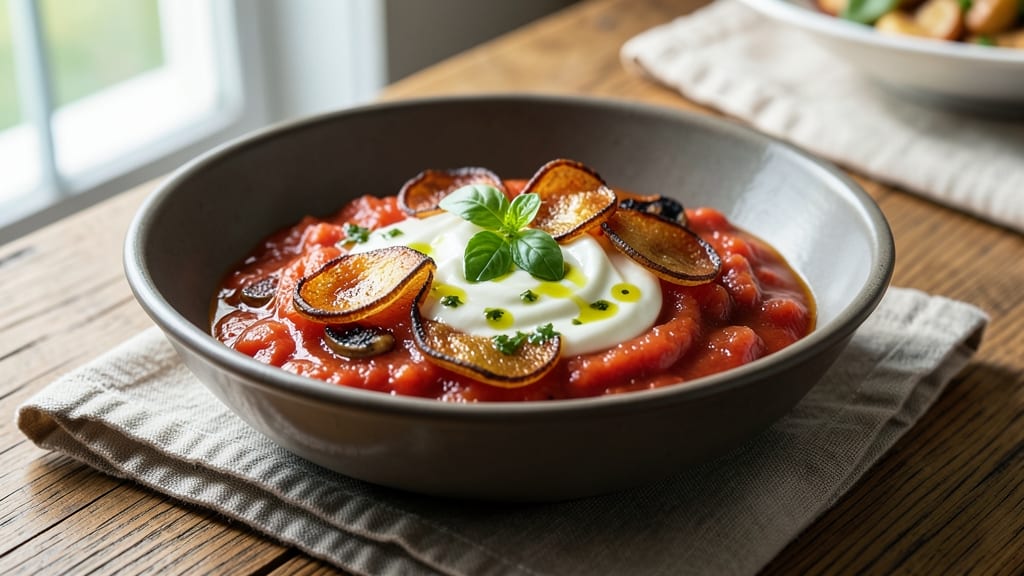
This award-winning vodka sauce recipe transforms simple pasta into a restaurant-worthy masterpiece with its velvet-smooth texture and perfectly balanced boozy depth.
The secret lies in simmering garlic and shallots until golden, then blending with vodka, tomato sauce, and heavy cream for a sauce that clings beautifully to every strand of pasta.
I’ve perfected this recipe over years of testing, ensuring the vodka’s sharpness is mellowed by rich tomato and cream without losing its signature warmth.
The sauce’s magic comes from patience—letting the vodka cook off completely before adding the cream prevents that telltale alcohol tang. A touch of Parmesan and basil at the end lifts the flavors, while a splash of pasta water keeps the sauce silky and cohesive.
This isn’t just a sauce; it’s a flavor bomb that elevates even the simplest fettuccine into something extraordinary. The result? A sauce so rich and complex, it’s won awards—and it’s easier to make than you’d think.
What sets this recipe apart is its versatility. Use it as a dipping sauce for crusty bread, a pizza topping with mozzarella and pepperoni, or a vegetarian powerhouse with roasted mushrooms and spinach.
The sauce freezes beautifully, too, so you can make a big batch and enjoy it all season long. Whether you’re feeding a crowd or treating yourself to a luxurious weeknight dinner, this vodka sauce delivers restaurant-quality results without the fuss.
Ready in just 30 minutes, this sauce requires minimal effort but maximum flavor. The key is balancing the ingredients precisely—too much vodka overpowers, too little leaves the sauce flat.
Trust the process, and you’ll have a sauce so good, it’ll make you question why you ever bought store-bought. Let’s get cooking!
Ingredients for award winning vodka sauce
Nine ingredients, one extraordinary sauce that turns ordinary pasta into a luxurious meal.
| Ingredient | Amount | Notes |
|---|---|---|
| Extra-Virgin Olive Oil 🫒 | ½ cup | High-quality for golden shallots |
| Shallots 🧅 | 2 whole | Thinly sliced, not minced |
| Garlic Cloves 🧄 | 6 cloves | Peeled, lightly crushed |
| Vodka 🍸 | ½ cup | High-proof, 80-proof preferred |
| High-Quality Tomato Sauce 🍅 | 2 cups | San Marzano preferred |
| Heavy Cream 🥛 | ¾ cup | Full-fat for richness |
| Parmesan Cheese 🧀 | ½ cup | Freshly grated, block preferred |
| Fresh Basil Leaves 🌿 | ¼ cup | Packed, stems removed |
| Diamond Crystal Kosher Salt 🧂 | ½ tsp | For seasoning |
| Freshly Ground Black Pepper 🌶️ | ¼ tsp | Light hand preferred |
The shallots and garlic are where the magic starts. Fresh shallots from the grocery store’s produce section (not the pre-minced jarred stuff) give the best flavor—look for firm, pale bulbs. Whole Food Market or Trader Joe's often carry the best quality. The vodka matters too—skip the cheap stuff. Smirnoff No. 21 or Grey Goose work perfectly, but any high-proof vodka will do. The key is letting them caramelize slowly before adding the vodka—this removes the alcohol’s sharpness while keeping its depth. I always double-check my shallots are sliced thinly enough to melt into the sauce without leaving chunks.
No San Marzano tomatoes? High-quality crushed tomatoes work in a pinch, but the flavor difference is noticeable. The heavy cream is non-negotiable—light cream or half-and-half won’t give that velvety texture. Fresh basil is ideal, but dried basil at one-third the amount works if you’re in a bind. Want to make this vegetarian? Skip the Parmesan and use nutritional yeast for a cheesy note. The sauce freezes beautifully, but add a splash of pasta water when reheating to restore that silky consistency. And trust me, the extra minute spent simmering the shallots until golden makes all the difference.
This sauce keeps for 5 days in the fridge, sealed tightly with plastic wrap pressed directly on the surface to prevent a skin from forming. For longer storage, freeze in ice cube trays—perfect for single servings later. Thaw overnight in the fridge before reheating. The sauce reheats beautifully, but if it thickens too much, just stir in a splash of pasta water or warm milk. I always make a double batch—one for dinner, one to freeze for lazy weeknights. The flavor actually improves after freezing, as the ingredients meld even more.
Why You'll Love This Recipe
- One-Pot Magic: I swear by this—just a single saucepan, 10 minutes of active time, and you’ve got something restaurant-worthy. No chopping mountains of veggies or simmering for hours; the vodka does the work while you stir once or twice.
- Umami Bomb: That first hit of aroma when the vodka boils off? Chef’s kiss. The shallots caramelize into sweetness, the garlic cloves deepen into nutty richness, and the tomato sauce ties it all together with a tangy, velvety finish—no weird aftertaste, just pure, addictive flavor.
- Weeknight Workhorse: Slap it on pasta for dinner, toss it into a casserole for tomorrow’s lunch, or drizzle it over grilled chicken for a last-minute guest night. It’s the kind of sauce that turns “what’s for dinner?” into “oh, that’s easy.”
- Budget Stretch: A bottle of vodka and a can of high-quality tomato sauce go a long way—this recipe makes enough to feed four, with leftovers that taste even better the next day. Honestly, I’ve had it reheated three times, and it’s still the star of the meal.
Step-by-step instructions for award-winning vodka sauce
Here's how to craft a velvety, restaurant-quality vodka sauce that clings perfectly to pasta.
Sauté Shallots Until Golden and Translucent
Heat the 0.5 cup extra-virgin olive oil in a heavy saucepan over medium-low heat. Add the 2 whole shallots, sliced paper-thin, and cook them gently for 8-10 minutes. Stir occasionally so they brown evenly rather than burn. You're aiming for a golden color and slight translucency—they should smell sweet and nutty, not bitter.
This low-and-slow approach prevents burning while developing maximum flavor. If the shallots start to darken too quickly, reduce the heat slightly. The oil should shimmer but not smoke—this ensures you're building flavor without creating harsh, bitter compounds. Remove the shallots with a slotted spoon and set them aside temporarily; you'll add them back later.
Cook Garlic and Deglaze with Vodka
In the same saucepan, add the 6 cloves garlic cloves, lightly crushed but not minced, and cook for 30 seconds over medium heat until fragrant. The garlic should turn golden around the edges but not brown—this takes seconds, so watch closely. Immediately pour in the 0.5 cup vodka and stir vigorously to deglaze the pan.
The vodka will sizzle dramatically at first, then reduce quickly. Let it simmer for 2-3 minutes until the alcohol burns off completely—you'll know it's ready when the pan smells like cooked shallots and garlic rather than raw alcohol. This step is crucial for developing depth of flavor while removing any harsh alcohol taste. Don't rush this reduction; proper cooking time ensures the vodka's essence transforms into rich, savory notes.
Build the Tomato Base
Add the 2 cups high-quality tomato sauce to the saucepan and bring to a gentle simmer over medium heat. Stir in the 0.5 tsp diamond crystal kosher salt and 0.25 tsp freshly ground black pepper, then return the shallots to the pan. Let the sauce cook uncovered for 15-20 minutes, stirring occasionally, until it thickens slightly and the flavors meld together.
You're looking for a sauce that coats the back of a spoon but still has a silky, flowing consistency. If it thickens too much, add 1-2 tablespoons of water to adjust the texture. The sauce should smell rich and complex, with layers of sweetness from the shallots, aromatic garlic, and the deep umami from the tomato. This is where the magic happens—the sauce develops its velvety texture and balanced flavors that make it truly exceptional.
Finish with Cream and Cheese
Reduce the heat to low and stir in the 0.75 cup heavy cream. Let the sauce simmer gently for 5 minutes, stirring occasionally, until it begins to thicken slightly from the cream's natural reduction. Then, remove the pan from heat and stir in the 0.5 cup freshly grated parmesan cheese until fully melted and smooth.
For the final touch, add the 0.25 cup fresh basil leaves, torn by hand, and stir just until wilted. This step adds freshness and vibrant color to balance the sauce's richness. Taste and adjust seasoning if needed—you might need a pinch more salt or pepper to enhance the flavors. The sauce should be velvety, slightly thick, and perfectly balanced between sweet, savory, and acidic notes.
Pro Tips For Making Award Winning Vodka Sauce
- Sweat Shallots Slow: I used to rush this step and end up with bitter, raw-tasting shallots in my sauce. Instead, cook them on medium-low heat for 8-10 minutes until they’re completely translucent and just starting to turn golden—no browning yet. This softens their sharpness and builds real flavor without burning.
- Use Cold Vodka: Pouring room-temperature vodka straight into the pan can make the sauce taste harsh and alcohol-forward. Chill the vodka first, then add it off the heat—let the residual heat do the work of evaporating the alcohol without boiling it off too fast. The sauce will taste cleaner and more balanced.
- Salt the Tomato Sauce: High-quality tomato sauce is already rich, but it’s often unsalted. Taste it first and add ½ teaspoon of salt per cup before mixing it into your vodka sauce. This step prevents a flat, one-dimensional flavor later—trust me, you’ll notice the difference when you taste the final sauce.
- Simmer, Don’t Boil: After adding the vodka, reduce the heat to low and let it simmer gently for at least 10 minutes. Boiling it off too fast turns the sauce bitter and reduces it too quickly. A slow simmer lets the alcohol dissipate evenly while deepening the tomato flavor—no rushing, even if you’re impatient.
Essential equipment for perfect results
Heavy Saucepan
This recipe demands a heavy-bottomed saucepan—I swear by my All-Clad Stainless Steel 3-Quart Saucepan for even heat distribution and responsive temperature control. The thick base prevents hot spots that can burn your shallots or create bitter flavors.
If you're on a budget, a Cuisinart MultiClad Pro or Calphalon Classic works beautifully. Avoid thin, lightweight pans—they cause temperature fluctuations that ruin delicate sauces like this one. 🔥
Immersion Blender
While this sauce doesn’t require blending, an immersion blender (like the Breville Immersion Blender) becomes invaluable if you want ultra-smooth texture. I use mine to gently blend in 1-2 tablespoons of reserved pasta water after cooking to adjust consistency without breaking the sauce’s velvety structure.
For the classic version, skip blending—just stir vigorously when incorporating the cream. A hand mixer won’t work here; immersion is the only way to maintain the sauce’s integrity.
Fine-Mesh Strainer
A fine-mesh strainer (I prefer the OXO Good Grips) is essential for removing any shallot skins or garlic bits that might have slipped into the sauce. These tiny particles can create an unpleasant texture, especially when the sauce cools.
I strain the finished sauce directly into a clean saucepan before adding the cream and cheese. For extra refinement, I double-strain through a cheesecloth-lined colander—worth the effort for restaurant-quality results. 💫
Wooden Spoon
Never use metal utensils when cooking shallots or garlic—they can scratch your pan and cause flavor contamination. A high-quality wooden spoon (like the Lodge Cast Iron Spoon) is your best friend here. It gently stirs without damaging the pan’s seasoning and won’t react with acidic ingredients.
I keep mine near the stove at all times for sauces like this. If you’re worried about bacteria, sanitize it in hot, soapy water between uses. A silicone spatula works too, but wood adds a subtle, traditional touch.
Measuring Spoons
Precision matters in this recipe, especially with kosher salt and black pepper. Invest in a set of stainless steel measuring spoons (like the OXO Stainless Steel Measuring Spoons) for accurate measurements.
A ½ teaspoon of salt can make or break the balance—too much makes the sauce taste flat, too little leaves it bland. I measure spices directly into the saucepan to avoid spills.
For the vodka, use a liquid measuring cup for exact ½ cup measurements—vodka’s alcohol content evaporates quickly, so accuracy ensures the perfect reduction. ⚡
Nutrition facts
Frequently asked questions
Why does this vodka sauce taste different than store-bought versions?
The secret lies in the golden shallots and proper vodka reduction. Most store-bought sauces use pre-minced garlic and jarred shallots, which lack freshness. Here, we caramelize whole shallots for 8-10 minutes to develop sweetness, then cook the vodka until completely evaporated (2-3 minutes) to eliminate harsh alcohol notes while preserving flavor depth. The heavy cream and Parmesan add richness that budget brands skip.
Can I make this sauce without heavy cream for a lighter version?
Replace the 0.75 cup heavy cream with 0.5 cup half-and-half plus 0.25 cup whole milk for a lighter texture. For extra richness without heaviness, stir in 1 tablespoon unsalted butter at the end. The sauce will still be velvety but with fewer calories. Taste and adjust salt—milk-based versions often need a pinch more.
What's the best pasta shape to pair with this vodka sauce?
This sauce clings beautifully to fettuccine or tagliatelle thanks to its creamy texture, but pappardelle or linguine work too. For maximum flavor absorption, choose wider noodles. If using penne or rigatoni, toss with extra sauce to coat the ridges. Pro tip: Reserve 1 cup pasta water before draining—it helps emulsify the sauce when reheating.
How do I prevent the sauce from curdling when reheating?
Never boil the sauce—keep heat at low-medium and stir constantly. If it thickens too much, whisk in 1-2 tablespoons warm pasta water or milk to restore silkiness. For frozen sauce, thaw overnight in the fridge and reheat gently. The key is patience: 5-7 minutes on low heat is all it needs. If you see separation, stir in a splash of cold water and heat again.
Can I add meat to make this a meat sauce?
Yes! Brown 1 pound ground beef or Italian sausage in the same pan before adding shallots, then proceed with the recipe. For extra depth, deglaze with 1 cup red wine after cooking the meat. Drain excess fat before adding tomato sauce. For a lighter option, use mushrooms or chickpeas instead of meat. The sauce's creamy base balances hearty additions perfectly.