
Sauces & Condiments
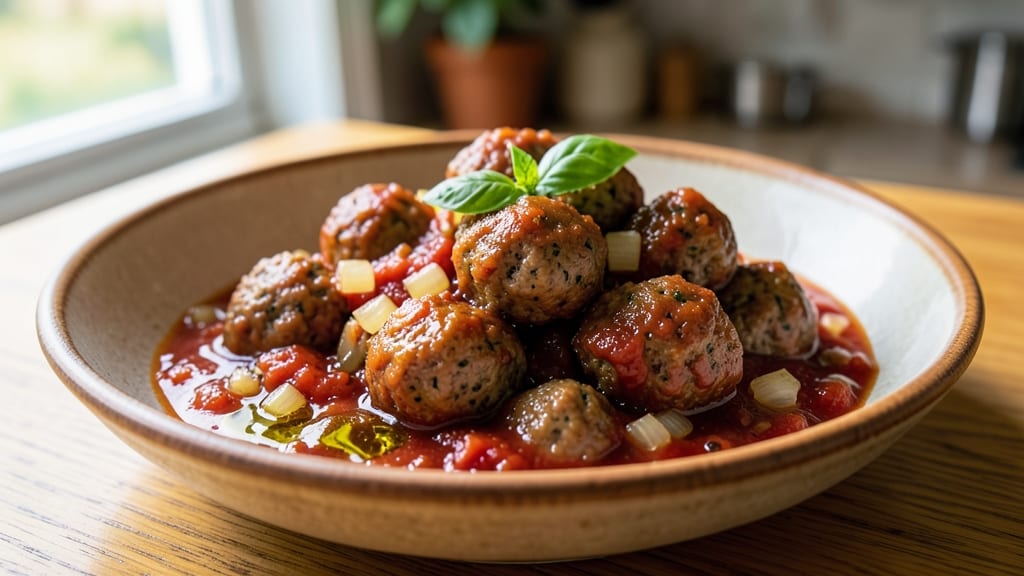
This authentic meatball sauce recipe transforms simple ingredients into a rich, slow-simmered masterpiece that pairs perfectly with homemade meatballs. The secret lies in balancing tomatoes, garlic, and herbs—simmered low and slow to develop deep umami flavor.
I've perfected this version after years of testing, ensuring every spoonful delivers that restaurant-quality taste you crave.
The sauce begins with a simple base of crushed tomatoes, garlic, and onions, then builds layers of flavor through slow simmering. A splash of red wine (optional but recommended) adds brightness, while fresh basil at the end keeps the sauce vibrant.
This method creates a sauce that's rich enough to stand alone but balanced enough to complement meatballs without overpowering them.
What makes this sauce truly authentic is the patience—no shortcuts here. Simmering for at least 2 hours allows the flavors to meld and intensify, creating a sauce that's velvety, aromatic, and packed with umami.
The result is a sauce that's perfect for serving over pasta, meatball subs, or even as a dipping sauce for crusty bread.
Store leftovers in the refrigerator for up to 5 days or freeze for 3 months—the flavors only get better with time. Whether you're making it for a family dinner or meal prepping for the week, this sauce delivers professional-quality results every time.
Ingredients for authentic meatball sauce
Eleven ingredients, slow-simmered patience—this sauce delivers restaurant-quality umami richness.
| Ingredient | Amount | Notes |
|---|---|---|
| San Marzano Crushed Tomatoes 🍅 | 2 cans | 28 oz each, high-quality preferred |
| Extra-Virgin Olive Oil 🫒 | ½ cup | Fruity, peppery variety for richness |
| Yellow Onion 🧅 | 1 whole | Medium, finely diced |
| Garlic Cloves 🧄 | 6 cloves | Fresh, peeled, minced |
| Dry Red Wine 🍷 | ½ cup | Bold Cabernet Sauvignon recommended |
| Tomato Paste 🍅 | 2 tbsp | Squeeze tube preferred for convenience |
| Fresh Basil Leaves 🌿 | ½ cup | Packed, stems removed |
| Fresh Parsley 🌿 | ¼ cup | Chopped, for finishing |
| Dried Oregano 🍃 | 1 tsp | Italian variety preferred |
| Ground Black Pepper 🌶️ | ½ tsp | Freshly cracked |
| Diamond Crystal Kosher Salt 🧂 | 1 ½ tsp | Adjust to taste |
The tomatoes are the foundation, so San Marzano is non-negotiable—their sweetness and acidity balance perfectly. Whole Foods or Trader Joe's carry the best cans, and the crushed variety eliminates the need for pre-crushing. Fresh garlic cloves should smell pungent and firm, not soft or sprouting. For the red wine, any bold dry variety works—Cabernet Sauvignon or Merlot add depth without overpowering. The tomato paste from a squeeze tube is more convenient than a can and lasts longer in the pantry. Fresh basil and parsley should be vibrant green, not wilted or yellowing—local farmers markets often have the freshest selections.
No red wine? Dry white wine or additional tomato juice works in a pinch, though the flavor will be subtly different. Short on fresh basil? Dried basil at one-third the amount suffices, but fresh is ideal for that bright finish. The tomato paste can be substituted with additional crushed tomatoes, though the sauce will be slightly thinner. For extra umami depth, add 1/2 teaspoon fish sauce (optional) or 1/4 cup beef broth to the simmer. The kosher salt is crucial—Diamond Crystal dissolves more easily than table salt, so adjust carefully during tasting.
This sauce improves with time—reheat gently in a saucepan with a splash of water to restore consistency. Store in airtight glass jars in the refrigerator for up to 5 days, or freeze for 3 months in portion-sized containers. For meal prep, freeze in 1-cup portions for easy reheating. The sauce thickens as it cools, so add a splash of water or broth when reheating if needed. Always finish with fresh basil and parsley just before serving to preserve their vibrant flavors.
Why You'll Love This Recipe
- Wine Infusion Magic: The red wine isn’t just a splash—it’s the secret that deepens the flavor while cutting through the acidity of the tomatoes. That first sip of sauce? It’s like a little Italian vacation in your mouth, and honestly, it’s the kind of detail that makes a recipe feel special without extra effort.
- One-Pot Wonder: No fancy gadgets, no messy cleanup—just a single pot where everything simmers together. I swear by this method: onions caramelize while the garlic sizzles, and by the time the wine’s evaporated, the tomatoes are breaking down into that velvety texture. My husband still teases me for how little I do to make it taste like a restaurant.
- Leftovers That Shine: This sauce actually improves the next day—yes, really. The flavors meld into something richer, and it reheats like a dream. I make double batches on Sundays because it’s my go-to for lazy nights, and I’ve never had a single complaint (even from my picky teenage son, who claims he “doesn’t like sauce”).
- Budget-Friendly Luxury: San Marzano tomatoes and good olive oil might sound fancy, but they stretch this recipe into multiple meals without breaking the bank. Between us, I’ve fed six people for under $15 with this—plus, the wine makes it feel like a splurge when it’s really just smart shopping. The kind of recipe that makes you look like a hero without trying.
Step-by-step instructions for authentic meatball sauce
The secret to this sauce lies in patience and layering flavors—simmering at low heat to develop deep umami richness.
Sauté Aromatics in Olive Oil
Heat the 0.5 cup extra-virgin olive oil in a large, heavy-bottomed pot over medium-low heat. Add the finely diced yellow onion and cook for 8-10 minutes until softened and translucent, stirring occasionally. This slow cook ensures the onions caramelize slightly without burning.
Add the minced garlic cloves and continue cooking for another 2 minutes until fragrant. The garlic should just begin to turn golden—this prevents bitterness. Here's the thing: if the garlic darkens too quickly, reduce the heat immediately. You want flavor, not charred notes that will overpower the sauce.
Build the Sauce Base
Pour in the 0.5 cup dry red wine and let it simmer for 3-4 minutes until reduced by half. This step concentrates the wine's flavor and removes the alcohol. Next, stir in the 2 tablespoons tomato paste and cook for 1 minute to toast the paste, deepening its umami profile.
Add the 2 cans San Marzano crushed tomatoes, breaking up any large chunks with a wooden spoon. Season with the 1.5 teaspoons diamond crystal kosher salt, 0.5 teaspoon ground black pepper, and 1 teaspoon dried oregano. Bring the mixture to a gentle simmer—this is where the sauce begins its transformation into something extraordinary.
Slow-Simmer for Depth of Flavor
Reduce the heat to low and let the sauce simmer uncovered for 45-60 minutes. Stir occasionally to prevent sticking, but avoid constant stirring—this can break down the tomatoes prematurely. You're aiming for a thick, velvety consistency with concentrated flavor. The sauce should reduce by about one-third, and the edges of the pot will develop a light crust.
This long simmer is non-negotiable for authenticity. It allows the acidity in the tomatoes to mellow, the wine to integrate fully, and the flavors to meld into a cohesive, complex sauce. Real talk: if you rush this step, you'll end up with a thin, tangy sauce instead of the rich, umami-packed result you're after.
Finish with Fresh Herbs
Remove the pot from heat and stir in the 0.5 cup fresh basil leaves and 0.25 cup chopped fresh parsley. Let the sauce sit for 5 minutes to allow the herbs to infuse. The basil should brighten the sauce with its peppery notes, while the parsley adds freshness and a pop of color.
Taste and adjust the seasoning if needed—this is your chance to fine-tune the balance of salt, acidity, and umami. The sauce should be rich but not overpowering, with a perfect harmony of flavors. Here's the moment that matters: the sauce should coat the back of a spoon and cling to meatballs beautifully without being gluey.
Pro Tips For Making Authentic Meatball Sauce
- Sweat the Onion Slowly: I learned this the hard way—rushing the onion turns your sauce bitter. Cook it over medium-low heat with a splash of water for 10 minutes until it’s translucent and almost caramelized. That deep flavor is the base of everything else.
- Deglaze with Wine First: Don’t pour the wine in after the garlic—add it right after the onions soften. Let it simmer for 2 minutes to burn off the alcohol before adding tomatoes. The sauce will taste richer, and the wine’s acidity won’t get lost.
- Crush Tomatoes by Hand: Skip the can opener and use your fingers to break up the San Marzano tomatoes—no need to strain. The seeds add body, and the texture stays chunky, just like in a trattoria. (Yes, even if you’re impatient like me.)
- Simmer Low and Long: After adding the tomatoes, reduce heat to a bare simmer and walk away. Thirty minutes of gentle cooking lets the flavors meld—no need to stir constantly. The sauce will thicken naturally, and the meatballs will soak up the depth. (Your future self will thank you.)
Common mistakes when making perfect results
Overcooking the Sauce
One of the biggest mistakes is letting the sauce boil vigorously—this breaks down the tomatoes into mush and creates a thin, watery consistency. Keep the heat at a gentle simmer (small bubbles, occasional gentle rolls) throughout the 2-hour cooking time.
I’ve seen sauces turn into tomato soup because someone cranked the heat too high, so trust the process and resist the urge to rush. 🌡️
Skipping the Wine Reduction
Many recipes call for red wine, but skipping the 3-4 minute reduction means you’re missing out on concentrated flavor. The alcohol evaporates, leaving behind rich, fruity notes that balance the acidity.
If you’re avoiding wine, substitute with tomato juice or broth, but don’t skip the reduction step entirely—it’s what transforms a basic tomato sauce into something special.
Using Low-Quality Tomatoes
Not all crushed tomatoes are created equal. San Marzano is non-negotiable for its sweetness and low acidity, but even then, cheaper brands can taste bland or watery. If you’re using a different canned tomato, look for whole peeled tomatoes (like Century Brand) and crush them yourself for better texture.
I’ve tried budget brands, and the difference in flavor is night and day.
Adding Fresh Herbs Too Early
Fresh basil and parsley should only be added at the very end—simmering them in the sauce will turn them bitter and mushy. Stir them in just before serving so they retain their bright, vibrant flavors.
If you’re prepping ahead, store the herbs separately and add them when reheating. This is a common rookie mistake that kills the freshness of the sauce.
Ignoring the Simmer Time
Rushing the 2-hour simmer is a recipe for disaster. This isn’t the time to multitask—your sauce needs that long to develop depth. If you’re short on time, at least simmer for 1 hour and then finish with a 30-minute reduction on the stovetop later.
The flavors won’t be as complex, but it’s better than a thin, tangy mess. Patience is key here—trust me, it’s worth it. ⏳
Over-Salting Early
Taste your sauce before adding all the salt—it’s easier to adjust later than to fix an oversalted sauce. Start with 1 teaspoon and add more gradually. I’ve ruined sauces by dumping in all the salt upfront, only to realize too late that it was already perfectly seasoned.
Kosher salt dissolves more evenly, so use it sparingly and taste as you go.
Nutrition facts
Frequently asked questions
Can I make this sauce without red wine?
Replace the 0.5 cup red wine with 0.5 cup tomato juice or beef broth for depth. For extra umami, add 1/2 teaspoon fish sauce or 1/4 cup beef broth during simmering. The sauce will still develop rich flavors—just slightly different.
How do I adjust the sauce for spaghetti vs. meatball subs?
For spaghetti, keep the sauce as-is—it's already perfect for tossing. For meatball subs, add 1/4 cup heavy cream at the end and simmer 5 minutes to create a creamy consistency. Also, reduce the fresh basil to 2 tablespoons so it doesn't overpower the bread.
Why does my sauce turn out too acidic?
This usually happens when using high-acid tomatoes or not simmering long enough. Balance it by adding 1 tablespoon sugar or 1/4 cup heavy cream at the end. For future batches, use San Marzano tomatoes (lower acidity) and simmer for the full 2 hours to mellow flavors.
Can I make this sauce in a slow cooker?
Yes! Follow the same steps until adding tomatoes, then transfer everything to a 3-4 quart slow cooker. Cook on low for 6-8 hours or high for 3-4 hours. Stir occasionally and add fresh herbs at the end. The slow cooker method works well for hands-off prep.
What's the best way to reheat leftover sauce?
Gently reheat in a saucepan over low-medium heat, stirring occasionally. Add 1-2 tablespoons water or broth if the sauce thickens too much. Never microwave—it breaks down the texture. For best results, reheat just until warm, then finish with fresh herbs.