
Sauces & Condiments
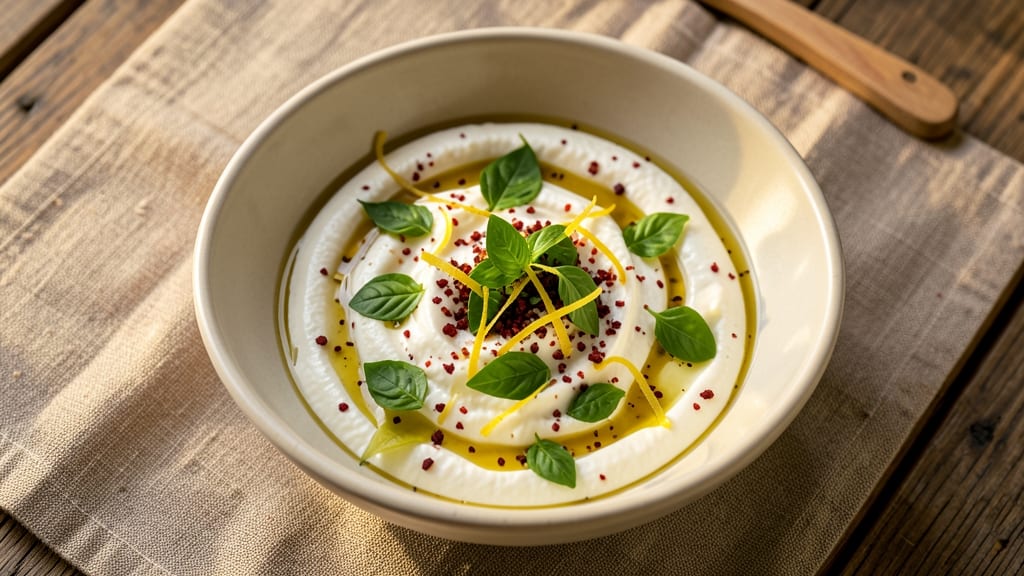
This creamy ricotta and basil arancini dipping sauce recipe transforms every bite of golden arancini into a moment of pure indulgence. The sauce delivers the perfect balance of tangy, herby richness that cuts through crispy breading while enhancing the cheesy, savory filling inside. The secret lies in fresh basil, which infuses the ricotta with bright, aromatic notes that elevate even the simplest arancini into something extraordinary.
What sets this sauce apart is its velvety texture—achieved through a simple blend of ricotta, garlic, and lemon zest—that clings to each golden sphere without overwhelming its flavors.
The recipe requires just five ingredients and takes less than 10 minutes to prepare, making it the ideal companion for any gathering where arancini are served. No cooking is needed; just stir, chill, and serve for a sauce that tastes even better as the flavors meld.
The result is a sauce that’s creamy yet light, with a subtle kick from red pepper flakes that lingers just enough to keep your palate engaged. It’s the kind of dip that disappears quickly—whether you’re serving it at a casual Sunday lunch or a festive Italian feast.
The sauce also doubles as a versatile condiment for other fried foods, proving its worth beyond the arancini bowl.
For best results, let the sauce sit for at least 30 minutes before serving to allow the basil and garlic to fully infuse. Store it in an airtight container in the refrigerator for up to 5 days, or freeze for longer shelf life.
This isn’t just a dipping sauce—it’s the finishing touch that turns a good meal into an unforgettable one.
Ingredients for arancini dipping sauce
Five simple ingredients create this velvety ricotta sauce that elevates every golden arancini bite.
| Ingredient | Amount | Notes |
|---|---|---|
| Whole Milk Ricotta Cheese 🧀 | 1 cup | Full-fat for creaminess |
| Fresh Basil Leaves 🌿 | ½ cup | Packed, stems removed |
| Garlic Cloves 🧄 | 2 cloves | Minced for infusion |
| Lemon Zest 🍋 | 1 tbsp | From 1 organic lemon |
| Extra-Virgin Olive Oil 🫒 | ¼ cup | High-quality, fruity |
| Crushed Red Pepper Flakes 🌶️ | ½ tsp | Adjust for heat preference |
| Sea Salt 🧂 | ¼ tsp | Diamond Crystal preferred |
Ricotta is the star here—full-fat for that luxurious creaminess—and Whole Foods or local Italian markets carry the best quality. Fresh basil makes all the difference; grab a bunch from the grocery store and pack the leaves tightly before measuring. The garlic should be freshly minced (pre-minced loses flavor fast), and Trader Joe's sells pre-minced garlic in a jar if you're in a pinch. Lemon zest is key for that bright, tangy kick—organic lemons have the most vibrant zest. For the olive oil, Californian or Italian varieties add the best fruity depth.
No red pepper flakes? Fresh red chili or cayenne at half the amount works too. Short on basil? Fresh parsley or cilantro can substitute, but reduce to 0.25 cup and add 0.25 tsp more lemon zest. The ricotta can be part-skim if that's all you have, though it won't be as rich. For extra tang, add 1 tsp lemon juice. If you're making this ahead, store the zest and garlic separately until ready to mix—keeps them fresher longer. The olive oil can be any good quality, but avoid the cheap stuff that tastes like soap.
This sauce keeps beautifully—5 days in the fridge sealed in an airtight container. For longer storage, freeze in 1-tbsp portions for easy dipping. The flavors meld even better after 30 minutes of chilling, so plan ahead. If it thickens too much, stir in 1 tsp extra olive oil. The sauce pairs perfectly with fried foods beyond arancini—try it with mozzarella sticks or calamari for a crowd-pleaser.
Why You'll Love This Recipe
- Five-Ingredient Magic: I swear by this combo—ricotta, basil, and garlic alone make it sing, but that lemon zest? It’s the secret that keeps me coming back. No fancy techniques, just blending what’s already in my fridge.
- Creamy Without Heavy: The ricotta gives it that luscious texture, but it’s light enough to drizzle over crispy arancini without turning them soggy. Honestly, I’ve tried store-bought dips, and this one actually improves the dish.
- Party-Proof Perfection: Make a big batch ahead—it stays fresh for days in the fridge, and the flavors deepen over time. I’ve served it at game nights, potlucks, and even as a last-minute appetizer when friends drop by.
- Budget Brightener: Fresh basil and garlic might seem like splurges, but a handful goes a long way here. The ricotta stretches further than you’d think, and olive oil is my go-to cheap upgrade for any dish. (Yes, even on a Tuesday night.)
Step-by-step instructions for creamy ricotta and basil velocity sauce
This sauce delivers velvety texture and bright flavor in minutes—perfect for enhancing crispy arancini.
Blend Fresh Basil and Garlic for Flavor Base
Combine the 0.5 cup fresh basil leaves and 2 cloves garlic in a food processor. Pulse until finely chopped—you want a paste-like consistency that releases aromatic oils. This ensures maximum flavor infusion without overpowering the delicate ricotta.
I like to add a pinch of the 0.25 tsp sea salt during this step to enhance the garlic's sweetness. Process for about 10-15 seconds until the mixture looks like finely minced herbs with no large chunks remaining. The bright green color indicates proper blending.
Whisk Ricotta with Olive Oil and Seasonings
In a medium bowl, combine the 1 cup whole milk ricotta cheese with the 0.25 cup extra-virgin olive oil. Use a whisk to blend until smooth—this creates a silky texture that clings beautifully to arancini. Add the basil-garlic mixture and whisk again until fully incorporated.
Next, stir in the 1 tbsp lemon zest and 0.5 tsp crushed red pepper flakes. The lemon zest brightens the ricotta's richness while the red pepper adds subtle heat. Taste and adjust seasoning with additional salt if needed—remember, the ricotta is already slightly salty from the initial pinch.
Rest and Adjust Consistency
Let the sauce sit at room temperature for 5-10 minutes. This resting period allows the flavors to meld and the ricotta to soften slightly, creating an even creamier texture. After resting, check the consistency—it should be thick but still pourable.
If the sauce is too thick, whisk in 1-2 tablespoons of warm water to reach your desired consistency. For extra richness, you can also add a splash of warm milk (about 1 tablespoon), but this is optional. The sauce should coat the back of a spoon smoothly without being runny.
Serve Immediately for Best Texture
Transfer the sauce to a serving bowl or small pitcher. The sauce is best served immediately while still cool but not cold—this ensures the ricotta maintains its creamy, velvety texture. For presentation, I like to garnish with additional fresh basil leaves torn by hand and a sprinkle of crushed red pepper flakes for color and heat.
Serve alongside warm arancini for the ultimate contrast—crispy golden balls paired with this cool, creamy sauce. The sauce should cling to each bite, enhancing the fried dough's flavor without overpowering it. Enjoy immediately for the best experience!
Pro Tips For Making Arancini Dipping Sauce
- Pulse the Garlic: Toss those cloves in the food processor with the ricotta first—just 2-3 quick pulses until they’re almost paste. I learned this the hard way: mincing by hand leaves uneven bits that overpower the sauce, while full-blown purée turns it bitter. You want tiny, even flecks that melt into the ricotta without fighting for attention.
- Dry the Basil: Pat the basil leaves thoroughly with a paper towel before chopping—no half-measures. Wet leaves dilute the sauce and make it watery when mixed with ricotta. I used to skip this, and the sauce always felt sad, like it needed a nap. Now? Bright, aromatic, and properly balanced.
- Warm the Oil Slowly: Heat the olive oil low and steady in a small saucepan—just until it’s shimmering, not smoking. Dumping cold oil into warm ricotta makes the sauce split, and you’ll end up with a greasy mess instead of a silky emulsion. Let the oil warm for 30 seconds first, then pour it in a thin stream while stirring.
- Zest First, Juice Later: Grate the lemon zest before juicing, and use a microplane—not a knife. The zest’s oils are more potent than you think, and a dull knife leaves bitter pith behind. Save the juice for last: a splash at the end brightens the sauce without making it curdle. (Yes, even if you’re impatient like me.)
Common mistakes when making perfect results
Over-Salting the Sauce
Ricotta already contains salt, so adding the full 0.25 tsp Diamond Crystal sea salt upfront can make the sauce taste too salty. Instead, taste as you go and add salt gradually—start with just ¼ tsp and adjust.
I often skip pre-salting the garlic-basil paste entirely and add salt only at the end. 🧂
Skipping the Resting Time
Rushing the 5-10 minute rest means the flavors won't meld properly, leaving the sauce tasting disjointed. The ricotta needs time to soften and absorb the garlic and lemon zest. I've learned this the hard way—always let it rest! The wait makes a huge difference in texture and flavor harmony. ⏳
Using Low-Quality Olive Oil
Cheap olive oil with a harsh, soapy taste will ruin this sauce. Stick to extra-virgin olive oil with fruity notes—brands like California Olive Ranch or Colavita work perfectly.
If your oil smells like paint thinner, toss it and grab a better bottle. The oil carries 25% of the sauce's flavor! 🫒
Over-Blending the Basil
Pulsing the basil until it turns into a green paste releases too much bitterness. Stop when it's just finely chopped with no large stems remaining. I aim for tiny, visible leaf pieces—not a smooth puree. This keeps the sauce bright and herbaceous rather than grassy. 🌿
Ignoring the Lemon Zest
The 1 tbsp lemon zest is what prevents the sauce from tasting flat. Without it, the ricotta becomes heavy and one-dimensional. I've made this mistake and can confirm—it's the difference between good and great. Zest adds brightness that balances the richness perfectly. 🍋
Serving Too Cold
Chilling the sauce for too long makes the ricotta grainy. Serve it at room temperature or slightly cool—never straight from the fridge. The ideal serving temp is about 60°F, where it remains creamy.
I keep it at room temp for 10-15 minutes before serving to maintain that velvety texture. ❄️
Nutrition facts
Frequently asked questions
Can I make this dipping sauce ahead of time?
Yes, you can prepare this sauce up to 5 days in advance! Store it in an airtight container in the refrigerator. For best texture, let it sit at room temperature for 10-15 minutes before serving to ensure it's creamy and smooth. The flavors actually improve with time, so it's perfect for meal prep.
What if I don't have fresh basil?
No problem! Use 0.25 cup fresh parsley or cilantro instead, but reduce the amount slightly. For extra brightness, add an additional 0.25 tsp lemon zest to compensate for the milder herbs. Dried basil won't work as well—it lacks the fresh, vibrant flavor needed for this sauce.
How can I adjust the heat level?
This recipe uses 0.5 tsp crushed red pepper flakes for a mild kick. For more heat, add 0.25-0.5 tsp extra flakes or a pinch of cayenne pepper. If you prefer no spice, simply omit the red pepper flakes entirely. The sauce will still be delicious—just without the subtle warmth.
Can I use this sauce for other fried foods?
This creamy ricotta sauce pairs beautifully with mozzarella sticks, calamari, or even chicken tenders. The rich, herby flavor complements crispy textures perfectly. Just adjust the serving temperature—keep it slightly cool (60°F) for the best texture with any fried dish.
Why does my sauce look grainy?
Graininess usually happens when the ricotta is too cold or the sauce sits in the fridge too long. Let it sit at room temperature for 10-15 minutes before serving, and avoid refrigerating it for more than 1 hour before use. If it's already grainy, whisk in 1 tsp extra olive oil to smooth it out. The texture should be velvety, not lumpy.