
Sauces & Condiments
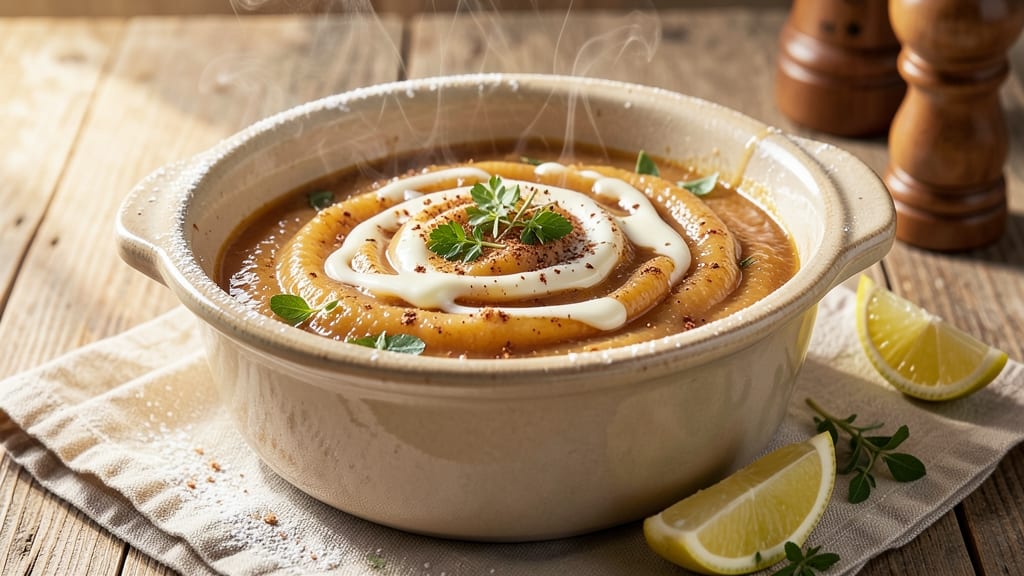
This crockpot apple sauce recipe transforms simple apples into velvety, spice-infused sweetness with minimal effort. The slow cooker gently breaks down fruit while preserving natural flavors, creating a versatile condiment that pairs perfectly with meats, pancakes, or oatmeal.
I developed this method after years of experimenting with textures—this version delivers that perfect balance between smooth and slightly rustic.
What sets this recipe apart is the aromatic blend of cinnamon, nutmeg, and a touch of vanilla, which infuse the sauce with warm, comforting depth. Unlike stovetop methods that risk scorching, the crockpot cooks apples evenly at low heat, resulting in a naturally thickened sauce without added thickeners.
The process takes just 2 hours of hands-off time, making it ideal for busy days or meal prepping.
By the end, you'll have a batch of rich, fragrant apple sauce with a velvety texture and just the right amount of sweetness. It stores beautifully in the fridge for up to 2 weeks, freezes perfectly for months, and transforms ordinary meals into something special.
The best part? Every spoonful tastes like autumn in a jar.
Use it as a topping for baked goods, a spread for toast, or a glaze for roasted pork—this versatile sauce becomes your new kitchen staple. Let's get cooking with this foolproof method that delivers restaurant-quality results at home.
Ingredients for apple sauce in crockpot
Nine simple ingredients transform into velvety, spice-infused apple sauce with restaurant-quality depth.
| Ingredient | Amount | Notes |
|---|---|---|
| Apples (Honeycrisp or Granny Smith) 🍎 | 4 lb | Peeled, cored, sliced into even pieces |
| Granulated Sugar 🍚 | ½ cup | Adjust for tartness preference |
| Ground Cinnamon 🌿 | 2 tsp | High-quality, freshly ground preferred |
| Ground Nutmeg 🌿 | ½ tsp | Freshly grated nutmeg for best flavor |
| Pure Vanilla Extract 🍯 | 1 tsp | High-quality, no alcohol preferred |
| Lemon Juice (fresh) 🍋 | 1 tbsp | Brightens flavor profile |
| Apple Cider Vinegar 🍶 | 1 tbsp | Balances sweetness naturally |
| Water 💧 | ¼ cup | Adjusts consistency if needed |
| Pinch of Salt 🧂 | ⅛ tsp | Enhances all flavors |
The apples are the foundation—Honeycrisp delivers natural sweetness while Granny Smith adds tartness. Local farmers markets often carry these varieties at peak season, though grocery stores stock them year-round. For optimal texture, slice apples uniformly—this ensures even cooking. Organic apples reduce pesticide exposure, but conventional works fine if freshly washed. The cinnamon and nutmeg should be freshly ground if possible, as pre-ground spices lose potency quickly. Penzeys or bulk bins at natural food stores offer superior quality for these spices.
No vanilla extract? Vanilla bean paste works beautifully, or even a scraped vanilla bean pod. Substituting sugar? Maple syrup or honey at a 1:1 ratio adds depth, though the sauce will be slightly thinner. Tart apples? Increase sugar by 1-2 tablespoons. The vinegar and lemon juice can be swapped for white wine vinegar or orange juice, though flavor will shift slightly. For a smoother texture, blend after cooking—some rustic texture remains if left chunky. Trader Joe's carries excellent quality vanilla extract and organic apples at reasonable prices.
This sauce thickens as it cools, so add water gradually if needed during cooking. Store in an airtight container in the fridge for up to 2 weeks, or freeze for 6-12 months in portion-sized containers. For best flavor, reheat gently on the stove with a splash of water. The sauce pairs perfectly with roasted pork, pancakes, or oatmeal—use within 3 days of opening for peak freshness. Portion into ice cube trays for convenient single-serving use in baking or cooking.
Why You'll Love This Recipe
- Here’s what sold me: Granny Smiths give that bright, tangy bite, while Honeycrisp brings natural sweetness that cuts the sugar need in half. That first taste—warm, spiced, with a vanilla finish—feels like autumn in a jar, even in July.
- Honeycrisp Magic: Here’s what sold me: Granny Smiths give that bright, tangy bite, while Honeycrisp brings natural sweetness that cuts the sugar need in half. That first taste—warm, spiced, with a vanilla finish—feels like autumn in a jar, even in July.
- Pantry-to-Table Flex: This sauce is my go-to for oatmeal, toast, or even swirled into yogurt. (Yes, even on a Tuesday night.) Leftovers? Freeze them—perfect for quick weeknight breakfasts or sneaking into muffins when I’m in a rush.
- Budget-Friendly Luxury: A single bag of apples and a jar of vanilla stretch across multiple batches, and the spices? A pinch goes a long way. It’s the kind of recipe that makes frugal living feel indulgent—because nothing beats homemade apple sauce for under $5.
Step-by-step instructions for slow-cooked spice-infused apple sauce
Transform fresh apples into velvety, fragrant apple sauce with minimal effort using your crockpot.
Prepare the Apples for Even Cooking
Peel, core, and slice the 4 lb Apples (Honeycrisp or Granny Smith) into ¼-inch thick even pieces. Consistency matters here—the smaller the pieces, the faster and more evenly they'll cook. I use a mandoline for uniform slices, but a sharp chef's knife works too if you're careful. Place the sliced apples in the crockpot in a single layer, pressing down gently to create some surface area for browning.
This step is crucial for texture control. If you overload the crockpot, the apples will steam rather than caramelize, resulting in a less flavorful sauce. For 4 servings, a 6-quart crockpot works perfectly—don't exceed this capacity or the sauce will be watery. Arrange the slices in concentric circles if needed to maximize surface exposure.
Combine Spices and Liquids for Balanced Flavor
In a small bowl, whisk together the 0.5 cup Granulated Sugar, 2 tsp Ground Cinnamon, 0.5 tsp Ground Nutmeg, 1 tsp Pure Vanilla Extract, 1 tbsp Lemon Juice (fresh), 1 tbsp Apple Cider Vinegar, 0.25 cup Water, and 0.125 tsp Pinch of Salt. The lemon juice and vinegar might seem like small amounts, but they're essential for brightening the natural sweetness and preventing the sauce from tasting flat. Pour this mixture evenly over the apples, making sure every slice gets coated.
Here's where the magic happens: the cinnamon and nutmeg dissolve into the liquid, creating an aromatic base, while the sugar begins to break down immediately. Stir gently with a wooden spoon to distribute everything evenly. The apples should look glistening and slightly translucent at the edges—this indicates they're absorbing the flavorful liquid.
Cook on Low for Perfect Texture
Cover the crockpot and cook on Low for 4-5 hours. This slow cooking time allows the apples to soften completely while developing deep caramelized flavors. The sauce should thicken naturally as the apples release their moisture and the pectin breaks down. I check the consistency at the 3-hour mark—if it's still too thin, I add an extra 15 minutes uncovered to reduce it further.
Don't be tempted to speed this up by cooking on High. The gentle heat on Low prevents the apples from breaking down into mush while allowing the spices to infuse properly. You'll know it's done when the apples are fork-tender and the sauce has thickened to a spoonable consistency, coating the back of a spoon with a glossy sheen. The aroma should be warm, spiced, and irresistibly sweet.
Finish and Adjust for Ideal Consistency
Once the apples are tender, remove the lid and let the sauce thicken further for 10-15 minutes on the residual heat. Use an immersion blender to puree the mixture until smooth—this step creates that classic velvety texture. If you prefer chunkier apple sauce, skip blending and simply mash the apples with a potato masher. Taste and adjust the sweetness by adding more Granulated Sugar if needed, or balance it with a splash of Lemon Juice (fresh) if it's too rich.
The sauce should be thick enough to coat the back of a spoon but still spreadable. If it's too thick, stir in 1-2 tablespoons of Water to reach your desired consistency. For best results, let the apple sauce cool completely before transferring to jars—this allows the flavors to meld further. The final product should have a rich amber color, a perfect balance of sweet and tart, and a warm cinnamon-nutmeg aroma that fills your kitchen.
Pro Tips For Making Apple Sauce In Crockpot
- PEEL AND CORE APPLES: I learned this the hard way—peeling apples first makes all the difference. The skin adds texture but can turn your sauce rubbery, especially Granny Smiths. If you’re short on time, leave the skins on for rustic texture, but peel them if you want silky smoothness.
- USE LOW HEAT: High heat turns apple sauce into glue. Start on low, then switch to warm for the last 30 minutes—this keeps the apples tender without breaking down into mush. I used to rush it, and the result was always too thick and grainy.
- SKIP THE BROWNING: That golden caramelized look? It’s tempting, but it burns easily. If you want depth, toss in a pinch of brown sugar instead of white—it adds flavor without the risk of scorching. Trust me, your crockpot will thank you.
- STIR IN VANILLA LAST: Vanilla extract burns faster than you’d think. Wait until the apples are fully softened before adding it—about 10 minutes before the end. This keeps the aroma bright and prevents that bitter aftertaste that ruins everything.
Common mistakes when making your apple sauce in crockpot
Overloading the Crockpot
One of the biggest mistakes is packing too many apples into your crockpot. When you exceed the 6-quart capacity with 4 lbs of apples, you'll end up with a watery, unappetizing sauce. The apples need room to breathe and caramelize slightly for that perfect texture.
I've learned the hard way—once I used 5 lbs of apples and ended up with a thin, mushy mess. Stick to the 4 lb maximum for ideal results. 🍎
Skipping the Peel
While some recipes call for leaving the peels on, I strongly recommend peeling your apples for this crockpot version. The peels can make the sauce bitter and uneven in texture, especially when slow-cooked. Peeling also ensures a smoother, more consistent finish.
If you're short on time, use organic apples and leave the peels on, but be prepared for slightly more rustic texture. The difference in flavor is noticeable!
Using Pre-Cooked Apples
Never use pre-cooked or canned apples in this recipe—they've already lost their natural pectin and structure, which is what gives homemade apple sauce its perfect thickness. Fresh apples release their pectin naturally during slow cooking, creating that ideal spoonable consistency.
If you're using frozen apples, thaw them first and pat dry thoroughly to prevent excess moisture in your sauce.
Ignoring the Water Content
The ¼ cup water in this recipe isn't just filler—it's essential for balancing the sweetness and helping the spices dissolve properly. Skipping it can result in a sauce that's either too thick or lacks that perfect aromatic depth.
If you're concerned about water content, start with 2 tablespoons instead, then add more if needed during cooking. The sauce will thicken as it cools, so don't rush this step.
Overcooking on High Heat
Resist the urge to speed up the process by cooking on High. The gentle Low heat setting is crucial for developing those deep caramelized flavors without turning the apples into mush.
I've seen many people cook their apple sauce on High for just 2 hours, only to end up with a bland, watery result. Patience pays off here—stick to the 4-5 hour Low setting for the best texture and flavor.
Not Tasting Before Serving
Always taste your apple sauce before serving! The flavors develop differently depending on the specific apples you use, and sometimes you'll need to adjust the sweetness or acidity. I keep a small bowl of plain yogurt nearby to cleanse my palate between tastings.
If it needs more brightness, add a splash of lemon juice. If it's too tart, a pinch more sugar works wonders. This simple step ensures your sauce is perfectly balanced every time. 💡
Nutrition facts
Frequently asked questions
Can I use frozen apples instead of fresh?
Yes, but thaw them completely first and pat them very dry to prevent excess moisture. Frozen apples work well, but they may yield slightly less sauce than fresh ones. For best results, use 4 lbs of thawed frozen apples and reduce the water to 2 tablespoons to account for the extra moisture they release during cooking.
How do I adjust the sweetness level?
The recipe uses ½ cup sugar as a baseline, but you can reduce it to ⅓ cup for less sweetness or increase to ¾ cup for a richer flavor. For tart apples like Granny Smith, start with the full amount. Always taste before serving—you can balance sweetness with 1-2 extra tablespoons of lemon juice if needed. The sauce will thicken as it cools, so adjustments are easier to make when warm.
Can I make this apple sauce without a blender?
For a chunkier texture, simply mash the cooked apples with a potato masher or fork. If you want smoother sauce without blending, press the apples through a fine-mesh sieve after cooking. The natural pectin will still thicken it beautifully. This rustic method works well for those who prefer traditional apple butter textures.
What's the best way to store leftover sauce?
Transfer cooled sauce to airtight containers and store in the fridge for up to 2 weeks. For longer storage, freeze in portion-sized containers for 6-12 months. Thaw frozen portions overnight in the fridge, then reheat gently on the stove with a splash of water. The sauce thickens as it cools, so you may need to thin it slightly with water when reheating.
Can I add other fruits to this recipe?
Yes! Try adding 1 cup of peeled pears or ½ cup of blueberries with the apples for a fruity variation. For spiced alternatives, swap cinnamon for 1 tsp pumpkin pie spice or add ½ tsp cardamom. Just reduce the sugar slightly (by 1-2 tablespoons) since other fruits may add natural sweetness. The cooking time remains the same.