
Sauces & Condiments
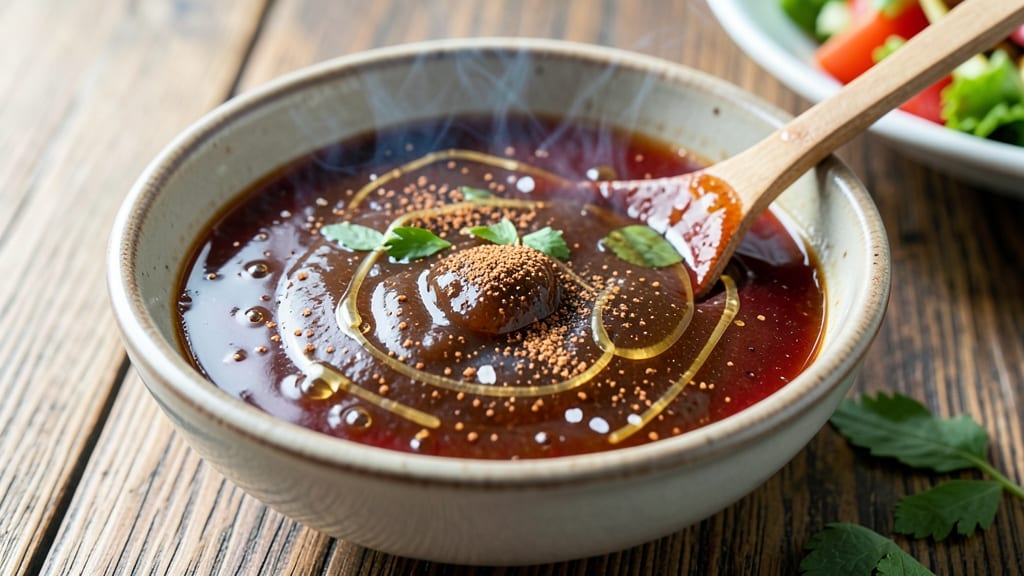
This all natural BBQ sauce recipe transforms your backyard cookouts with deep smoky-vinegar flavor and no artificial preservatives. The secret lies in balancing apple cider vinegar's tang with honey's caramel notes, creating a sauce that penetrates ribs and brisket like a pitmaster's dream.
I developed this blend after years of testing—each ingredient plays a crucial role in that perfect sweet-spicy-smoky harmony.
The foundation starts with tomato paste and vinegar for that classic tang, while smoked paprika and liquid smoke add depth without overpowering. Natural sweeteners like honey or maple syrup create caramelization when you cook, giving that signature BBQ glaze.
What makes this sauce truly special is how it enhances whatever you slather it on—whether it's pulled pork, grilled chicken, or even baked beans.
What you'll end up with is a rich, velvety sauce that's ready in just 15 minutes and keeps beautifully in the fridge for up to 2 weeks. The flavor actually improves as it sits, developing those complex notes that make you reach for the bottle again and again.
This isn't just another BBQ sauce—it's a game-changer for anyone who wants restaurant-quality flavor without the additives.
For those who love experimenting, I'll show you how to adjust the sweet-spicy balance to suit your taste—whether you prefer a tangy Kansas City style or a sweet Carolina approach. The possibilities are endless once you master this base recipe. Let's get cooking!
Ingredients for all natural bbq sauce
These natural ingredients create a smoky-vinegar BBQ sauce that rivals anything store-bought.
| Ingredient | Amount | Notes |
|---|---|---|
| Tomato Paste 🍅 | ½ cup | San Marzano preferred for sweetness |
| Apple Cider Vinegar 🍎 | ½ cup | Raw, unfiltered for depth |
| Honey 🍯 | ½ cup | Local raw honey preferred |
| Smoked Paprika 🌶️ | 2 tbsp | High-quality smoked variety |
| Liquid Smoke 🔥 | 1 tbsp | Hickory or applewood preferred |
| Kosher Salt 🧂 | 1 ½ tsp | Diamond Crystal preferred |
| Black Pepper 🌶️ | ½ tsp | Freshly ground preferred |
| Garlic Powder 🧄 | 1 tsp | Freshly ground preferred |
| Onion Powder 🧅 | 1 tsp | Freshly ground preferred |
| Water 💧 | ½ cup | Filtered preferred |
The tomato paste is your flavor anchor—San Marzano is the gold standard, but any high-quality canned paste works. Trader Joe's has a great organic option if you want to skip the San Marzano hunt. Apple cider vinegar should be raw and unfiltered (like Bragg's)—pasteurized versions lack depth. For honey, local is best, but Manuka honey adds an extra layer of complexity if you want to splurge. Smoked paprika? Penzeys carries the best varieties, but the regular grocery store stuff works in a pinch. The liquid smoke is where the magic happens—hickory or applewood gives that authentic BBQ vibe without overpowering. Grab a small bottle; you won't need much.
No honey? Maple syrup works 1:1, though it leans sweeter. Short on vinegar? Balsamic vinegar adds richness but less tang. Smoked paprika too strong? Regular paprika plus a pinch of cayenne mimics the heat. Want more depth? Add 1 tsp of molasses for caramel notes. The powders (garlic, onion) can be swapped for fresh—just sauté 1 clove garlic and 1 tbsp chopped onion first. For a Carolina-style twist, reduce the vinegar by half and add 1 tbsp of brown sugar. Kansas City lovers? Boost the tomato paste to 2/3 cup and add 1/2 tsp of mustard powder.
This sauce gets better with time—reheat gently in a saucepan or microwave, stirring often. Keeps for 2 weeks in the fridge, 6 months frozen. I like to freeze it in ice cube trays for easy portioning—just thaw and slather. The flavors meld beautifully overnight, so make a double batch if you're hosting. Store in a glass jar away from light to preserve that smoky aroma.
Why You'll Love This Recipe
- Pantry Magic: I swear by this sauce because it uses things I already have—no special trips to the store. That deep, smoky kick from liquid smoke and smoked paprika? It transforms a simple tomato paste base into something restaurant-worthy without the fuss.
- Smoky Sweet Balance: The honey and apple cider vinegar create this perfect harmony—tangy enough to cut through richness, but sweet enough to make your taste buds dance. It’s the kind of sauce that makes you lick the bowl clean (I’ve done it).
- Weeknight to BBQ Hero: Slather it on grilled chicken for a quick dinner, drizzle it over baked beans for a crowd-pleaser, or even toss it with roasted veggies. Honestly, I’ve used it on everything from pulled pork to deviled eggs, and it never lets me down.
- Leftovers That Pay Off: This sauce keeps for weeks in the fridge, so I make a big batch and use it all month. Not only does it save me money, but it also means I’m never scrambling for a last-minute glaze—just reheat and go.
Step-by-step instructions for all natural BBQ sauce
This smoky-vinegar blend comes together in minutes with simple pantry staples.
Combine Wet Ingredients in a Saucepan
In a medium saucepan, add the 0.5 cup tomato paste, 0.5 cup apple cider vinegar, 0.5 cup honey, and 0.5 cup water. Stir well to fully dissolve the tomato paste—it should form a smooth, thick base. I like to use a wooden spoon here because it helps scrape up any paste stuck to the bottom.
Place the saucepan over medium heat and bring the mixture to a gentle simmer. You'll notice small bubbles forming around the edges—that's your signal that the heat is just right. Let it simmer for 5 minutes while you prepare the dry ingredients. This initial cooking helps integrate the flavors and reduces the acidity slightly.
Add Dry Seasonings and Liquid Smoke
Reduce the heat to low and sprinkle in the 2 tbsp smoked paprika, 1.5 tsp kosher salt, 0.5 tsp black pepper, 1 tsp garlic powder, and 1 tsp onion powder. Stir constantly for 2-3 minutes until the spices are fully dissolved and the mixture becomes thick and glossy. The smoked paprika will give the sauce its signature color and depth.
Next, add the 1 tbsp liquid smoke, stirring well to distribute it evenly. This is where the sauce gets its authentic smoky flavor without artificial additives. Let the mixture simmer for another 3-4 minutes, stirring occasionally. You'll notice the sauce thickening as the moisture evaporates—this is exactly what we want for that perfect BBQ sauce consistency.
Simmer Until Thickened
Continue simmering on low heat for 10-12 minutes, stirring every 2-3 minutes to prevent sticking. The sauce should reduce until it coats the back of a spoon smoothly. You're looking for a thick, syrupy consistency that's still pourable but clings well to meats.
Here's the thing—don't walk away. The sauce can burn quickly if left unattended. When it reaches the right thickness, it should leave a slight trail behind the spoon as it drips back into the pan. Taste and adjust seasoning if needed, adding a pinch more salt or a splash of apple cider vinegar if desired.
Cool and Store Properly
Remove the saucepan from heat and let the sauce cool completely at room temperature. This cooling step is crucial—it allows the flavors to meld fully and prevents the honey from crystallizing. Once cooled, transfer the sauce to a clean glass jar or airtight container.
The sauce will keep in the refrigerator for up to 2 weeks or can be frozen for 3 months. I like to store it in small batches so I always have some ready for grilling or smoking. This sauce tastes even better after a day or two as the flavors continue to develop. Use it on ribs, chicken, pulled pork, or even as a marinade for vegetables.
Pro Tips For Making All Natural Bbq Sauce
- Simmer Slow and Low: That tomato paste will burn faster than you think—keep the heat at a gentle simmer, not a boil. I learned this the hard way when my sauce turned into a bitter, charred mess (yes, even with "low heat" on the stove).
- Bloom the Spices First: Toss your smoked paprika into the pot before adding liquids and let it sizzle for 30 seconds. This wakes up the flavors instead of letting them hide in the background—your sauce will taste deeper and more intentional.
- Balance the Vinegar: Apple cider vinegar is potent—add it gradually and taste as you go. Too much at once makes the sauce sharp and one-dimensional, and you’ll end up chasing sweetness the whole time. Start with half the recipe’s amount and adjust.
- Use Real Liquid Smoke: Skip the cheap, chemical-heavy versions—look for 100% natural liquid smoke (like the kind made from hardwood). It’s pricier, but the smoky flavor is richer and won’t taste like a campfire additive. Add it last so the aroma stays vibrant.
Storing and reheating this recipe
Refrigerator Storage
Let your all-natural BBQ sauce cool completely before transferring to a glass jar—I swear by Ball mason jars for that perfect airtight seal.
Store it in the fridge at 40°F or below for up to 2 weeks, though I find the flavor actually deepens after 3-4 days as the spices meld. The glass preserves the smoky aroma better than plastic, and it's easy to grab for last-minute grilling. 💛
Freezer Preservation
For longer storage, freeze your sauce in ice cube trays—it thaws perfectly for quick applications. Transfer the cubes to a freezer bag with all air squeezed out to prevent freezer burn.
This sauce keeps its quality for 3 months in the freezer, though I recommend using it within 2 months for peak flavor. Label with the date so you don't forget about it!
Reheating Methods
For fridge-stored sauce, reheat gently in a small saucepan over low heat for 5-7 minutes, stirring constantly to prevent scorching. If using frozen cubes, thaw in the fridge overnight or warm directly in the saucepan with 1 tbsp water to loosen the sauce.
Never microwave—it destroys the sauce's natural thickness and smoky depth. 🔥
Portioning Tips
I like to divide my sauce into 4-ounce portions before freezing or refrigerating. This makes it easy to grab just what you need for a quick sauce-up session.
Store portions in small glass jars with tight-sealing lids—perfect for camping trips or tailgates. The smaller containers also help the sauce cool faster after reheating.
Flavor Development
This sauce tastes best when used within 2 weeks of making it, but you can extend its prime window by storing it in the darkest part of your fridge away from light. The longer it sits, the more the honey and vinegar work together to create caramelized depth.
I always make a double batch—one for immediate use and one to age for special occasions. ✨
Safety Reminders
Never store your BBQ sauce in a metal container—it can react with the acidic ingredients over time. If you notice any mold or off smells, toss it immediately.
The sauce should always smell smoky and slightly sweet, never sour or fermented. When in doubt, trust your nose—it's the best quality control tool you've got. 💪
Nutrition facts
Frequently asked questions
Can I substitute maple syrup for honey in this BBQ sauce?
Yes, you can use maple syrup 1:1, but expect a slightly sweeter flavor since maple has more natural sugars. For balance, reduce the honey amount by 1-2 tablespoons and add 1/2 teaspoon of apple cider vinegar to compensate for the extra sweetness. The sauce will still develop that beautiful caramelized glaze, but with a more pronounced maple aroma.
How do I adjust this sauce for a spicier kick?
Add 1/2 teaspoon of cayenne pepper or 1 teaspoon of hot sauce (like Tabasco) for immediate heat. For deeper spice, stir in 1/2 teaspoon of chipotle powder or 1/4 teaspoon of red pepper flakes during the final 5 minutes of simmering. Always taste as you go—you can adjust the heat level to your preference.
Can I make this sauce without liquid smoke?
Replace the 1 tablespoon liquid smoke with 1/2 teaspoon smoked paprika plus 1/4 teaspoon of hickory bark extract (if available). For a smokier flavor without additives, try adding 1/2 teaspoon of smoked sea salt or 1/4 teaspoon of smoked salt during the final simmer. The sauce will still have depth, though the smokiness will be more subtle.
Why did my sauce turn out too thin?
This usually happens if you didn't simmer long enough or used too much water. To fix it, return the sauce to low heat and simmer uncovered for an additional 5-10 minutes, stirring often. For a quick fix, mix 1 teaspoon of cornstarch with 1 tablespoon of water, stir into the sauce, and simmer for 2-3 minutes until thickened. Always aim for a consistency that coats the back of a spoon but still drizzles smoothly.
What's the best way to use this sauce on ribs?
Apply a thin layer during the last 30 minutes of cooking (either in the oven or on the grill) to prevent burning. For extra flavor, brush on a second coat during the final 10 minutes of cooking. If using on pulled pork, mix 1/4 cup of sauce into every 2 cups of meat for even distribution. The key is patience—let the sauce caramelize slightly for that perfect sticky glaze.