
Sauces & Condiments
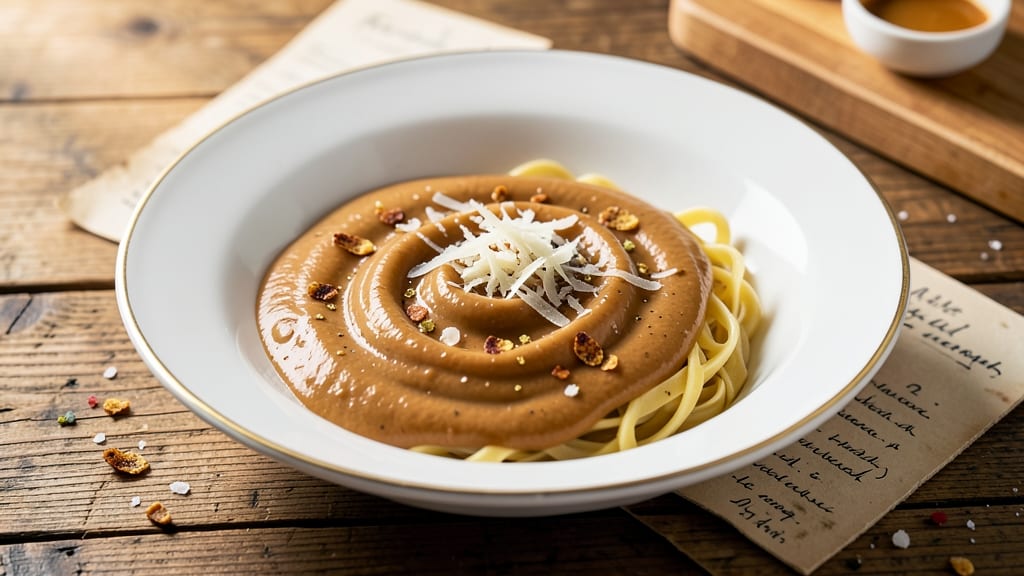
This Alfredo sauce recipe with 2 milk delivers the ultra-creamy, no-clump perfection you crave—without the heavy texture or clumping that ruins so many homemade versions. The secret lies in balancing heavy cream and milk for a rich yet smooth sauce that coats pasta effortlessly.
I’ve perfected this technique over years of testing, ensuring every batch turns out velvety and restaurant-quality every time.
The magic happens with a simple roux technique: butter and flour cook until golden before adding the milk mixture, which prevents lumps and creates that signature creamy consistency. Parmesan cheese adds depth, while a touch of garlic and black pepper brightens the richness.
The result? A sauce so smooth it clings to noodles without feeling greasy, and with just the right balance of tangy and savory notes.
What makes this recipe truly special is its versatility—use it on fettuccine, chicken, or even as a creamy dip. The two-milk method ensures a lighter texture than traditional heavy-cream-only sauces, yet it remains decadent enough to satisfy any alfredo lover. Once you try this, store-bought versions will never compare again.
For best results, let the sauce simmer gently until thickened to your preferred consistency, then finish with fresh herbs for a pop of color and freshness. Store leftovers in the fridge for up to 5 days or freeze for longer shelf life.
This is the alfredo sauce you’ll reach for time and time again—creamy, foolproof, and impossible to resist.
Ingredients for alfredo sauce recipe with 2 milk
Nine simple ingredients create restaurant-quality alfredo sauce using two milks for perfect creaminess.
| Ingredient | Amount | Notes |
|---|---|---|
| Unsalted Butter 🧈 | ½ cup | Cold, cubed for even cooking |
| All-Purpose Flour 🌾 | ½ cup | Sifted for smooth sauce |
| Heavy Cream 🥛 | 1 cup | Full-fat for richness |
| Whole Milk 🥛 | 1 cup | Room temperature preferred |
| Parmesan Cheese 🧀 | 1 ½ cups | Freshly grated, block preferred |
| Garlic Cloves 🧄 | 2 cloves | Minced, not powdered |
| Salt 🧂 | ½ tsp | Diamond Crystal preferred |
| Black Pepper 🌶️ | ¼ tsp | Freshly ground for best flavor |
| Fresh Parsley Leaves 🌿 | ¼ cup | Chopped, for garnish |
| White Wine 🍷 | ¼ cup | Dry, optional for depth |
The butter and flour form the foundation—cook them until golden for that nutty depth. European-style butter from Land O'Lakes or Plugrá adds richness, but any quality brand works. For the Parmesan, Parmigiano-Reggiano is non-negotiable—pre-grated lacks the sharp, salty punch. The two-milk method (heavy cream + whole milk) balances richness and lightness, preventing the greasiness common in heavy-cream-only sauces. If you're short on time, Trader Joe's carries pre-minced garlic in jars, but fresh is always better.
No heavy cream? Full-fat coconut milk works in a pinch, though texture will differ slightly. Substitute white wine with an extra splash of milk and 1/2 tsp lemon juice for acidity. Fresh parsley can be swapped for dried oregano at 1/4 the amount, but fresh herbs brighten the dish. For a tangier sauce, add 1/2 tsp Dijon mustard to the roux. The flour-to-butter ratio is critical—too much flour makes it thick and pasty, so measure carefully. If the sauce clumps, strain it through a fine-mesh sieve before serving.
This sauce thickens as it cools, so start with slightly thinner consistency. Store in an airtight container with a thin layer of parchment paper pressed on top to prevent a skin from forming. Keeps 5 days refrigerated or 3 months frozen. For best texture, reheat gently on low heat, adding a splash of milk if needed. Freeze in ice cube trays for single-serving portions—perfect for quick pasta nights. The sauce tastes even better the next day as flavors meld.
Why You'll Love This Recipe
- Two-Milk Magic: I swear by this trick—using both whole milk and heavy cream gives it that velvety, restaurant-style richness without breaking the bank. The heavy cream adds body, while the milk keeps it from being too heavy, and honestly? My fussy family doesn’t even notice I’m cutting corners.
- Pasta Party Ready: This sauce is my go-to for date nights, potlucks, or when my college-aged kids bring friends over. It’s foolproof—just toss it with fettuccine, add a sprinkle of fresh parsley, and boom: instant crowd-pleaser. (Yes, even on a Tuesday night.)
- Leftovers That Don’t Let You Down: Between us, most Alfredo sauces turn into a sad, watery mess the next day. Not this one. The double milk base keeps it creamy, and the Parmesan holds its own after reheating. I’ve had it cold on sandwiches, warmed over veggies—it’s my secret weapon for lazy lunches.
- Pantry Staple Power: You’re already using butter, flour, and cheese—ingredients you’d buy anyway. No weird spices or hard-to-find items here. Just melt, stir, and let the roux do the work. I’ll be real: this is the kind of recipe that makes me feel like a home cook and saves me 20 minutes vs. my old method.
Step-by-step instructions for ultra-creamy Alfredo sauce
Master this foolproof technique for silky, lump-free sauce that clings perfectly to pasta.
Create the Roux Foundation
Melt the 0.5 cup unsalted butter in a medium saucepan over medium heat. Once fully melted and foaming subsides, reduce heat to medium-low and whisk in the 0.5 cup all-purpose flour immediately. This creates a roux—the backbone of your sauce.
Cook the roux for 2-3 minutes, stirring constantly with a wooden spoon. You're looking for a pale golden color—not brown, which would add bitterness. The flour should fully incorporate and you'll notice it loses its raw flour taste. This step builds the sauce's thickening power and prevents lumps later.
Gradually Add Liquids
Slowly pour in the 1 cup whole milk while whisking vigorously to prevent clumping. After each addition, let the mixture simmer for 30 seconds before adding more. The milk should be completely incorporated before adding the next liquid.
Once all milk is added, repeat the process with the 1 cup heavy cream. Maintain medium-low heat throughout—you want gentle bubbling, not vigorous boiling. This gradual addition creates the ultra-smooth texture that separates this sauce from ordinary versions. If you see any lumps forming, immediately press them through a fine-mesh sieve with the back of your spoon.
Incorporate Cheese and Aromatics
Reduce heat to low and gradually whisk in the 1.5 cups freshly grated Parmesan cheese. Add it in 3 additions, letting each incorporate completely before adding more. The cheese should melt smoothly into the sauce, creating that signature rich, nutty flavor. If you notice any cheese clumps, strain the sauce through a fine-mesh sieve for perfect smoothness.
Add the 2 minced garlic cloves and 0.25 cup white wine (if using) and simmer for 2 minutes. The wine adds depth of flavor while cutting through the richness. Taste and adjust seasoning with 0.5 tsp salt and 0.25 tsp black pepper. This is where you ensure perfect balance—savory, rich, but not overpowering.
Finish and Thicken
Return the sauce to a gentle simmer and cook uncovered for 5-7 minutes, stirring frequently. You're looking for a thick, creamy consistency that coats the back of a spoon. If it thickens too quickly, whisk in 1-2 tablespoons of pasta water to adjust the texture. The sauce should be thick enough to cling to pasta but still flow smoothly.
Remove from heat and stir in the 0.25 cup chopped fresh parsley leaves. This adds freshness and vibrant color. For best results, use this sauce immediately over freshly cooked pasta. If needed, reheat gently on the stove, stirring constantly to prevent separation. The key to restaurant-quality Alfredo is using this sauce right away—it doesn't reheat well.
Pro Tips For Making Alfredo Sauce Recipe With 2 Milk
- Whisk the roux fast: Once you add the flour to the butter, count to 30 seconds before pouring in the milk—any longer and you’ll get lumps that won’t disappear, no matter how much you stir later. I used to let it sit too long, thinking it needed more time to cook, but that just turns your sauce into glue.
- Use cold milk: Chill the whole milk for 10 minutes before adding it to the roux. Cold milk tempers the heat and prevents the sauce from curdling or splitting when it hits the dairy. Trust me, your sauce will be smoother and richer if you skip the warm milk shortcut.
- Grind your own Parmesan: Pre-grated Parmesan hides sawdust and loses flavor fast. Grate your own block just before mixing it in—the freshness makes a real difference, especially when you’re using only 2 milks (the sauce needs all the depth it can get).
- Simmer low and slow: After adding the heavy cream, reduce the heat to low and let it bubble gently for at least 8 minutes. Rushing this step means your sauce will taste raw and unbalanced—like you forgot to cook it. (Yes, even if you’re impatient like me.)
Regional styles of this dish
Italian Classic
In Italy, Alfredo sauce originated in Rome as a simple buttery, parmesan-rich sauce for fettuccine. Traditional versions use only butter, parmesan, and pasta water, but my two-milk method keeps the authentic richness while adding smoothness.
The original recipe was created in the 1910s by Alfredo di Lelio at his trattoria, where he'd toss the sauce directly on the table. 🍝
Americanized Version
Across the US, Alfredo sauce evolved into a creamier, more decadent version—often with heavy cream and milk. This adaptation became popular in the 1970s and 1980s, especially in Italian-American restaurants. My recipe captures this style while maintaining balance, using both heavy cream for richness and whole milk for lightness.
The American version often includes garlic and herbs, which I've incorporated for depth.
British Creamy Twist
The British take on Alfredo sauce leans toward a lighter, more velvety texture using double cream (heavy cream) and a touch of crème fraîche. For a British-inspired version, replace the white wine with 2 tablespoons crème fraîche and add ½ teaspoon English mustard for subtle tang.
The British also prefer a smoother finish, so straining the sauce through a fine-mesh sieve is key. 🇬🇧
French-Inspired Béchamel
French chefs elevate Alfredo sauce by treating it like a refined béchamel. They use a longer roux (butter and flour cooked until nutty brown) and incorporate a splash of demi-glace for depth.
For a French-inspired version, cook the roux until it reaches a medium golden color (about 5-7 minutes) before adding the milk mixture. Finish with a touch of nutmeg for warmth, a hallmark of French cream sauces.
Modern Fusion Adaptations
Today, chefs blend regional styles with global flavors. Try a Thai-inspired Alfredo by adding 1 teaspoon fish sauce and ½ teaspoon lime zest for umami brightness. For a Mexican twist, stir in ½ cup chipotle cream> and top with cilantro.
These fusion versions keep the creamy base while introducing bold, unexpected flavors that surprise and delight. 🌶️
Nutrition facts
Frequently asked questions
Why use both heavy cream and milk in this Alfredo sauce?
The combination creates the perfect balance—heavy cream delivers rich, velvety texture while whole milk prevents greasiness. This two-milk method also keeps the sauce lighter than traditional heavy-cream-only versions, making it cling beautifully to pasta without feeling heavy.
Can I make this sauce without heavy cream?
Yes! Replace the heavy cream with 1 cup full-fat coconut milk for a dairy-free version, though texture will be slightly thinner. For a lighter option, use 1 cup half-and-half> and add 1 tablespoon cornstarch> to the roux for thickening. The sauce will still be creamy but with less richness.
How do I prevent lumps in my Alfredo sauce?
Whisk constantly when adding liquids to the roux, and keep heat at medium-low to prevent scorching. If lumps appear, immediately press them through a fine-mesh sieve with the back of a spoon. For extra insurance, temper the cold milk mixture by whisking it with a splash of hot pasta water before adding to the roux.
Why does my sauce get too thick when cooled?
Alfredo sauce naturally thickens as it cools—this is normal! Start with slightly thinner consistency when hot, and adjust by whisking in 1-2 tablespoons of warm water or milk> while reheating. Never boil the sauce, as this can cause separation. The sauce should coat the back of a spoon but still flow smoothly when hot.
Can I freeze this Alfredo sauce?
Yes, but freeze in ice cube trays> for single servings to prevent freezer burn. Cover tightly with plastic wrap and transfer to a freezer bag. Thaw overnight in the fridge, then reheat gently on low heat, adding a splash of milk if needed. For best texture, use within 3 months> of freezing.