
Sauces & Condiments
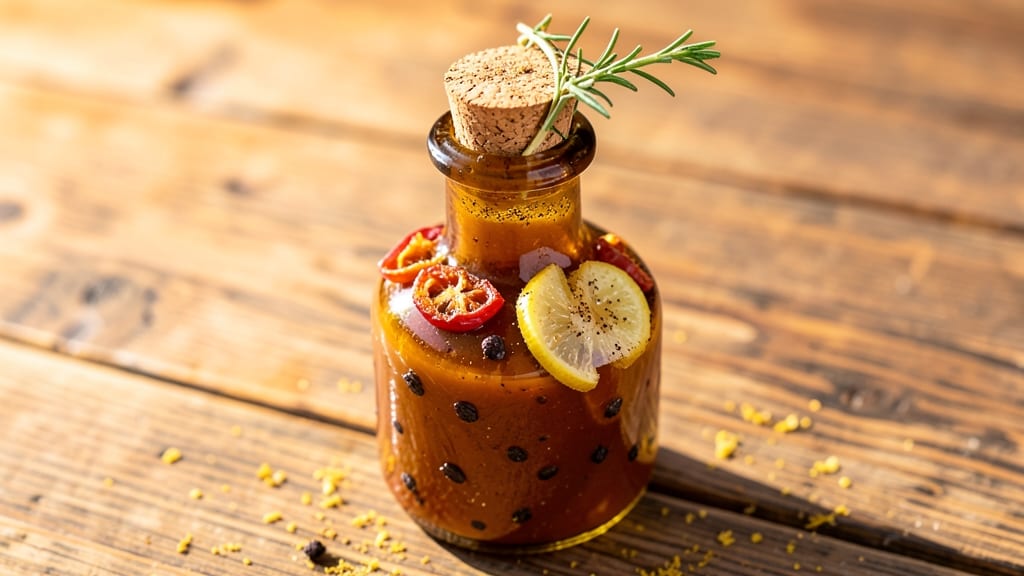
Barbados hot sauce delivers the bold, fiery punch of the Caribbean right to your kitchen counter—packed with Scotch bonnet peppers, jerk spices, and tangy vinegar for a condiment that transforms everything it touches. This recipe cuts through the heat with aromatic garlic, ginger, and allspice, creating a sauce that’s as complex as it is spicy. The secret lies in balancing the peppers’ intensity with sweet, smoky depth, ensuring every drop delivers authentic island flavor without overwhelming your dishes.
What sets this sauce apart is its versatility—use it to elevate grilled meats, seafood, or even as a finishing drizzle on soups and salads. The process is straightforward: blend, strain, and bottle, but the result is restaurant-quality heat that lingers.
Unlike store-bought versions, this sauce captures the true essence of Barbados, where Scotch bonnets reign supreme and jerk seasoning adds a signature smoky kick. The vinegar base ensures a long shelf life, so you can stock up for months of bold, fiery cooking.
By the time you’re done, you’ll have a vibrant, fiery sauce that’s ready to transform your meals. The blend of peppers and spices creates a perfect harmony of heat and aroma, while the tangy vinegar keeps the flavors bright and balanced.
This isn’t just a condiment—it’s a flavor bomb that turns simple dishes into something extraordinary. Whether you’re a jerk enthusiast or a heat-seeker, this sauce will become your new kitchen essential.
The best part? It’s easy to scale up or down, making it perfect for gifting or meal prep. Store it in sterilized bottles, and you’ll have a pantry staple that lasts for weeks. Let’s get started—your taste buds (and your dishes) will thank you.
Ingredients for barbados hot sauce
Scorch-hot peppers meet Caribbean spices—just ten ingredients for bold, fiery heat.
| Ingredient | Amount | Notes |
|---|---|---|
| Scotch Bonnet Peppers 🌶️ | 4 whole | Seeds removed for milder heat |
| White Vinegar 💧 | 1 ½ cups | Distilled preferred for brightness |
| Allspice Berries 🌿 | 2 tsp | Ground or whole, toasted |
| Garlic Cloves 🧄 | 6 cloves | Freshly minced for aroma |
| Fresh Ginger 🌿 | 1 tbsp | Grate finely, no peeling |
| Jerk Seasoning 🌶️ | 1 ½ tbsp | Homemade or store-bought |
| Brown Sugar 🍚 | 1 tbsp | Light or dark variety |
| Salt 🧂 | 1 ½ tsp | Kosher or sea salt |
| Ground Black Pepper 🌶️ | ½ tsp | Freshly cracked preferred |
| Cayenne Pepper 🔥 | ½ tsp | Adjust for extra heat |
Scotch bonnets are the star here, so grab fresh ones from a Latin market if possible—they pack more punch than store-bought. Wear gloves when handling them, and remove seeds for milder heat. The vinegar should be white and distilled—it keeps the sauce bright and tangy. For jerk seasoning, Trader Joe's or Penzeys have great blends, but a mix of thyme, cinnamon, and nutmeg works too. Fresh ginger and garlic are non-negotiable—they're what gives this sauce that authentic island depth.
No Scotch bonnets? Habanero peppers work in a pinch, but you'll need half the amount. Running low on jerk seasoning? Mix 1 tsp each of thyme, cinnamon, allspice, and nutmeg. The brown sugar balances the heat, so don't skip it—it caramelizes slightly during blending. If you want extra smokiness, add 1/4 tsp smoked paprika. For a smoother sauce, strain through a fine-mesh sieve after blending. The cayenne is optional but worth it if you love heat—start with 1/4 tsp and adjust to taste.
This sauce keeps for 6-8 months in sterilized bottles, so make a big batch. I like to use amber glass jars to preserve the color. If you see mold, toss it—vinegar-based sauces don't last forever. The flavor actually improves after a few weeks, so don't be afraid to let it sit. For gifting, use small, decorative bottles—they disappear fast. Freeze portions if you won't use them all at once.
Why You'll Love This Recipe
- No Chopping Chaos: I swear by this recipe because it’s basically hands-off after the initial prep. The Scotch bonnets and garlic get a quick blitz in the food processor—no dicing, no fuss—then it’s just simmering while you sip tea or scroll through memes. Honestly, the hardest part is deciding how much heat to handle.
- Heat with Depth: That first taste? Pure magic. The Scotch bonnet gives it fire, but the allspice berries and ginger add this warm, earthy backbone that makes it way more complex than your average hot sauce. Between us, it’s the kind of flavor that lingers—like a good spice trade secret.
- Party in a Bottle: This sauce is my secret weapon for game day, BBQs, or even a lazy Sunday brunch. Drizzle it on grilled chicken, mix it into marinades, or let your guests pour it over fries like it’s ketchup. (Yes, even on a Tuesday night.)
- Lasts Like a Champ: A single batch keeps in my fridge for weeks, and the vinegar base means it only gets better with age. I make a big batch in summer and use it all year—no waste, no regrets. Budget-friendly? More like flavor-friendly.
Step-by-step instructions for Barbados hot sauce
Let's create this bold, island-inspired hot sauce with layers of smoky jerk and fiery Scotch bonnet heat.
Prepare the Peppers and Aromatics
Start by carefully removing the stems and seeds from all 4 whole Scotch Bonnet Peppers. I always wear gloves when handling these—trust me, you don't want that heat on your fingers! Cut each pepper into quarters lengthwise, keeping the seeds and membranes out to control the heat level slightly. The peppers should be bright red inside, indicating freshness and maximum flavor.
In a small bowl, combine the 6 cloves Garlic Cloves (minced finely) and 1 tbsp Fresh Ginger (grated). I like to use a microplane for the ginger—it preserves more of the essential oils than pre-grated versions. Add the 2 tsp Allspice Berries and 1.5 tbsp Jerk Seasoning to this mixture. This aromatic blend forms the flavor backbone of your sauce, so don't skip toasting the allspice berries lightly in a dry pan for 30 seconds first—they'll release their warm, peppery notes that make this sauce uniquely Caribbean.
Simmer the Base Ingredients
In a medium saucepan, combine the 1.5 cups White Vinegar, 1 tbsp Brown Sugar, 1.5 tsp Salt, 0.5 tsp Ground Black Pepper, and 0.5 tsp Cayenne Pepper. Bring this mixture to a gentle boil over medium heat, then reduce to a simmer. Add the pepper quarters and stir gently to submerge them completely. Let this simmer uncovered for 10 minutes, stirring occasionally—this extracts the fiery oils and softens the peppers without cooking them to mush.
After 10 minutes, you'll notice the vinegar has turned a beautiful golden amber color and the peppers have softened slightly. This is when you add your prepared aromatic mixture. Stir well and continue simmering for another 15-20 minutes, until the peppers are completely tender but still hold their shape. The sauce should be thickened slightly but still pourable. If it reduces too quickly, add 1-2 tablespoons of water to maintain the proper consistency.
Blend and Strain for Smooth Perfection
Using a high-powered blender or food processor, carefully blend the pepper-vinegar mixture until completely smooth. I prefer a blender for this step—it creates a more emulsified, velvety texture. If you're using a food processor, you might need to pulse several times and scrape down the sides to ensure everything is fully incorporated. The sauce should be vibrant red with no visible pepper pieces.
Strain the blended mixture through a fine-mesh sieve into a clean bowl or jar. This step is crucial—it removes any remaining pepper skins or seeds that could make the sauce too fibrous. Press gently on the solids to extract every last drop of liquid. If you prefer a slightly textured sauce, you can skip straining, but I find the smooth version works best for dipping, drizzling, or cooking.
Rest and Adjust the Heat
Let the hot sauce cool completely to room temperature before tasting. This resting period allows all the flavors to meld together. Once cooled, taste and adjust the seasoning if needed. For more heat, add a pinch of Cayenne Pepper or a tiny bit of the reserved strained pepper solids. For balance, you might need a touch more Brown Sugar or Salt—this sauce should have a perfect harmony of sweet, smoky, and fiery flavors.
Transfer the finished hot sauce to a clean glass jar with an airtight lid. It will keep in the refrigerator for up to 3 months, with the heat actually intensifying over time as the flavors develop. For a longer shelf life, you can process it in a water bath for 10 minutes to sterilize the jars. This vibrant, complex hot sauce is ready to elevate everything from grilled meats to seafood dishes—just remember, a little goes a long way with this fiery Caribbean creation!
Pro Tips For Making Barbados Hot Sauce
- REMOVE PEPPER SEEDS FIRST: I learned this the hard way—leaving seeds in Scotch Bonnets turns your sauce into a fiery regret. Scoop out the white pith and seeds before chopping, then rinse the peppers under cold water to wash off residual capsaicin. Trust me, your taste buds will thank you later.
- CRUSH ALLSPICE DRY: Whole allspice berries? Skip it. Lightly toast them first, then crush with a mortar and pestle (or a heavy pan) until they’re tiny but not powder. This releases the flavor without turning your sauce into a gritty mess—just strain it later.
- SIMMER LOW AND LONG: Barbadian hot sauce isn’t about boiling—it’s about slow extraction. Keep the heat at a bare simmer (tiny bubbles, barely there) for at least 20 minutes. Rushing this step means weak, vinegary sauce instead of deep, layered heat.
- STRAIN TWICE FOR CLARITY: First strain through a fine-mesh sieve to catch ginger chunks and garlic. Then, for a silky finish, press the pulp through a cheesecloth or coffee filter. Yes, it takes 5 extra minutes, but the result is worth it—no grit, just pure flavor.
Troubleshooting this dish
Pepper Heat Control
If your sauce turns out too fiery, reduce the Scotch bonnet pepper count next time—start with 3 peppers instead of 4. For milder heat, remove all seeds and membranes before blending.
I’ve found that toasting the peppers for 30 seconds in a dry pan before simmering mellows the raw heat slightly while concentrating their flavor. 🌶️
Vinegar Balance Issues
If your sauce tastes too sharp, add 1-2 teaspoons of honey or brown sugar to sweeten the acidity. For a smoother finish, simmer the vinegar with 1/4 cup apple cider instead of water—it adds subtle fruitiness.
I once made a batch that was too tangy and fixed it by blending in 1/2 cup tomato paste for depth. 💧
Thickness Problems
For a thicker sauce, simmer the vinegar mixture uncovered for 25-30 minutes to reduce it further. If it’s too thin, blend in 1 tablespoon of cornstarch mixed with 1 tablespoon water and simmer for 5 more minutes.
My first attempt was too runny—I fixed it by adding 1/4 cup tomato paste during the final simmer. 🍲
Flavor Development
Let the sauce rest for 24 hours before tasting—flavors meld better over time. If it lacks depth, add 1/2 teaspoon of smoked paprika or 1/4 teaspoon of cinnamon to enhance the jerk profile.
I once had a batch that tasted flat until I added 1/2 teaspoon of fish sauce for umami richness. 🌿
Storage Solutions
For longer shelf life, sterilize jars in boiling water for 10 minutes before filling. If mold appears, discard immediately—vinegar-based sauces can still spoil. I store mine in amber glass bottles to protect from light, which can degrade flavors over time. 💡
Heat Adjustments
Need more heat? Add 1/4 teaspoon of cayenne or a pinch of habanero powder. For smokier flavor, char the peppers slightly over an open flame before blending.
I once made a batch that was too mild and fixed it by blending in 1/2 teaspoon of chili powder for extra kick. 🔥
Nutrition facts
Frequently asked questions
Can I substitute Scotch bonnet peppers with something milder?
Yes! For a milder version, use habanero peppers (half the amount) or jalapeños (reduce to 2 peppers). If you prefer no heat at all, swap them for 1 tbsp tomato paste and add 1/4 tsp smoked paprika for depth. The key is balancing the vinegar's tang with sweetness—adjust the brown sugar to taste.
How do I know when the sauce is ready to bottle?
The sauce is ready when it's smooth, vibrant red, and has a thick but pourable consistency. It should also smell like a mix of garlic, ginger, and charred peppers with a tangy vinegar aroma. Let it cool completely before bottling—this prevents condensation from forming inside the jars.
What are the best ways to use this hot sauce?
This sauce shines as a marinade for grilled meats (especially jerk chicken or pork), a drizzle for seafood (try it on shrimp or fish tacos), or a finishing touch for soups and stews. For extra boldness, mix 1 tbsp into mayo for a spicy dipping sauce. It also pairs perfectly with fried plantains or as a salsa base. A little goes a long way—start with 1/2 tsp per serving.
Why did my sauce turn cloudy after bottling?
Cloudiness usually means the sauce needs more time to settle or the vinegar wasn't fully incorporated. Stir well before using, or let it sit for 24 hours to see if it clears. If it stays cloudy, try blending in 1 tsp of honey to help emulsify the mixture. Always use sterilized jars to prevent spoilage.
Can I make this sauce without jerk seasoning?
Mix 1 tsp each of ground allspice, thyme, cinnamon, and nutmeg for a homemade jerk blend. For extra depth, add 1/4 tsp of ground cloves. If you love smokiness, toast the spices in a dry pan for 1 minute before adding to the vinegar. The sauce will still have that signature Caribbean warmth!