
Sauces & Condiments
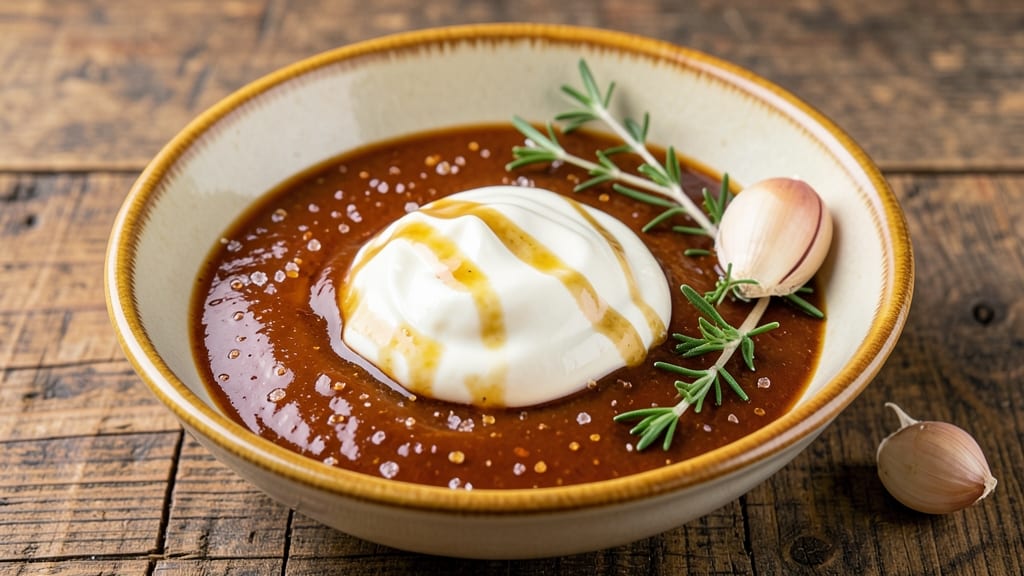
This balsamic cream sauce transforms ordinary meals into restaurant-worthy dishes with just five simple ingredients. The perfect balance of tangy balsamic and rich cream creates a velvety swirl that elevates pasta, dips, and more.
I developed this recipe after years of experimenting with balsamic reductions, and it never fails to impress—whether you're drizzling it over linguine or using it as a dip for crusty bread.
The secret lies in the slow reduction of balsamic vinegar, which deepens its flavor and caramelizes into a glossy, syrupy base. When combined with warm cream and a touch of butter, it creates a sauce that's silky smooth with just the right amount of acidity.
This version includes optional garlic and herbs for extra depth, but even without them, the sauce delivers bold, satisfying flavor.
What makes this sauce truly special is its versatility—it works as a pasta topping, a creamy dip, or even a glaze for roasted vegetables. The recipe yields about 1½ cups, perfect for two servings of pasta or enough to generously coat a platter of appetizers.
With just 15 minutes of active time and 30 minutes of simmering, you'll have a sauce that tastes like it took hours to prepare.
Store any leftovers in the refrigerator for up to a week, or freeze for longer storage. The flavors actually improve over time, making this the ideal make-ahead sauce for busy weeknights.
Whether you're serving a casual dinner or hosting a dinner party, this balsamic cream sauce will be the star of the show.
Ingredients for balsamic cream sauce
Five simple ingredients create restaurant-quality balsamic cream sauce for pasta, dips, and more.
| Ingredient | Amount | Notes |
|---|---|---|
| Balsamic Vinegar 🍷 | ½ cup | High-quality aged balsamic preferred |
| Heavy Cream 🥛 | 1 cup | Full-fat for best texture |
| Unsalted Butter 🧈 | 2 tbsp | Cold, cubed for easier melting |
| Granulated Sugar 🍚 | 1 tbsp | White or light brown sugar |
| Garlic Cloves 🧄 | 2 cloves | Minced, optional for extra depth |
| Fresh Thyme Leaves 🌿 | 1 tsp | Dried works at half the amount |
| Salt 🧂 | ¼ tsp | Kosher or sea salt preferred |
| Black Pepper 🌶️ | ⅛ tsp | Freshly cracked preferred |
The balsamic vinegar is the star—look for aged balsamic vinegar (not the cheap stuff) at Trader Joe's or Whole Foods. I grab the 16-ounce bottle from Trader Joe's—it's affordable and packs serious flavor. The heavy cream needs to be cold when you start, so pull it out of the fridge just before using. Butter? European-style unsalted melts smoother, but regular butter works fine. Sugar balances the acidity—don't skip it, even if you're using sweet balsamic.
No balsamic vinegar? Balsamic glaze from a tube is a decent pinch, but it's sweeter and lacks depth. Short on cream? Half-and-half works in a pinch, but the sauce will be lighter. The garlic and thyme are optional but add layers—if you skip them, just boost the salt slightly. Want extra richness? Add 1 tbsp extra butter at the end. For a tangier sauce, reduce the sugar to 1 tsp. And if you're using dried thyme, toast it in a dry pan for 30 seconds first—it smells amazing.
This sauce gets better with time—reheat gently on the stove with a splash of cream or water to loosen it. Keeps in the fridge for 1 week, covered tightly. For freezing, portion into ice cube trays first—3 months max. The sauce thickens as it cools, so don't stress if it looks too thick right after making. Just warm it through, and it'll be silky again. Perfect for making ahead for dinner parties—just reheat and serve.
Why You'll Love This Recipe
- Five-Ingredient Magic: I swear by this—just vinegar, cream, butter, sugar, and garlic. That’s it. No fancy gadgets, no last-minute grocery runs. Honestly, I’ve made it while my coffee brewed and still had time to watch the news.
- Sweet-Savory Balance: The sugar cuts the sharpness of the balsamic so cleanly, you won’t believe it. That first spoonful? Rich, tangy, with a whisper of caramelized garlic—like dessert sneaking into your dinner.
- Pasta’s Best Friend: Slather it over spaghetti, drizzle it on grilled chicken, or toss it with roasted veggies. I’ve used it for everything from weeknight dinners to fancy-ish dinner parties. It’s the one sauce that never lets me down.
- Leftovers That Lie: Between us, this sauce tastes better the next day. The flavors meld into this velvety, slightly thickened perfection. I make a double batch on Sundays—half goes on dinner, the rest gets reheated for lunches. No waste, all win.
Step-by-step instructions for balsamic cream sauce
This silky, tangy sauce comes together in minutes with simple techniques.
Simmer the Balsamic Vinegar and Sugar
Pour the 0.5 cup balsamic vinegar and 1 tablespoon granulated sugar into a medium saucepan. Bring to a boil over medium-high heat, then immediately reduce to medium-low. Let it simmer uncovered for 5-7 minutes until it reduces by about half and becomes syrupy.
Here's the thing - you want it to thicken but not burn. Watch closely as it darkens to a deep amber color. This reduction concentrates the flavor and creates that signature balsamic richness. If you see it getting too dark too fast, lower the heat slightly.
Add Butter and Garlic
Remove the pan from heat and let it cool for 1 minute. Add the 2 tablespoons cold cubed unsalted butter and the 2 minced garlic cloves. Stir until the butter melts completely, about 30 seconds. This step is where the sauce starts building its velvety texture.
Don't walk away - the butter should melt smoothly into the balsamic reduction. If you see any butter grains remaining, give it another 10 seconds of gentle stirring. The garlic will infuse quickly at this stage, adding subtle depth without overpowering.
Incorporate the Heavy Cream
Return the pan to medium-low heat and slowly pour in the 1 cup heavy cream while whisking constantly. Bring to a gentle simmer and cook for 3-4 minutes until the sauce thickens slightly and coats the back of a spoon. This is where the magic happens - the cream transforms into a luxurious base.
Keep the heat low to prevent curdling. You'll notice the sauce become glossy and thicken noticeably. If it starts to bubble vigorously, reduce the heat immediately. The sauce should be smooth with no lumps at this stage.
Season and Finish
Remove from heat and stir in the 1 teaspoon fresh thyme leaves, 0.25 teaspoon salt, and 0.125 teaspoon black pepper. Let it steep for 2 minutes to allow the thyme to infuse its aromatic qualities. The sauce should now have that perfect balance of sweet, tangy, and creamy flavors.
Taste and adjust seasoning if needed. I usually find this combination perfectly balanced, but if your balsamic was particularly strong, you might want to add a tiny pinch more sugar. The sauce will continue to thicken slightly as it cools, so don't worry if it looks a bit loose right now.
Pro Tips For Making Balsamic Cream Sauce
- Reduce Vinegar First: Simmer the balsamic vinegar alone for 3-4 minutes before adding cream—this concentrates the flavor and cuts the sharpness. I used to add it cold, and the sauce always tasted thin and acidic; reducing it first makes a real difference.
- Whisk in Butter Slowly: Temper the cream by whisking in cold butter a tablespoon at a time, or you’ll end up with a broken sauce. After burning through three batches, I finally realized the cream needs to stay warm but not curdle—patience here saves cleanup later.
- Toast Garlic Lightly: Sauté minced garlic in butter until fragrant but not browned—just 30 seconds max. Overcooking turns it bitter, and that’ll overpower the delicate creaminess. (Yes, even if you’re impatient like me.)
- Sweeten Last: Add sugar to the warm sauce off the heat, then stir until dissolved. Tossing it in early can make the vinegar’s acidity fight it, leaving you guessing if it’s sweet enough. A quick taste after stirring guarantees balance.
Troubleshooting great balsamic cream sauce
Sauce Too Thin?
If your sauce ends up too thin after simmering, don't panic! The most common cause is under-reducing the balsamic. Next time, simmer the balsamic and sugar for 8-10 minutes instead of 5-7 minutes—this creates a thicker base.
For immediate fixes, whisk in 1 teaspoon cornstarch mixed with 1 tablespoon cold water and simmer for 1-2 minutes until thickened. 💡
Sauce Separated?
Curdled cream is usually from adding cold cream to hot balsamic too quickly. Always warm the cream slightly (to 100°F) before adding it to the reduced balsamic mixture.
For a quick fix, whisk in 1 tablespoon cold butter and 1 tablespoon heavy cream while stirring constantly over low heat until smooth.
Bitter Aftertaste?
Over-reducing the balsamic creates bitterness. Keep a close eye on the reduction—it should take 5-7 minutes max. If it's too bitter, balance it by adding ½ teaspoon sugar or a pinch of salt. For extra richness, stir in 1 tablespoon extra butter at the end to mellow the flavors.
Grainy Texture?
Gritty texture usually means sugar didn't dissolve properly. Next time, stir the sugar into the balsamic vinegar until completely dissolved before boiling. For an immediate fix, strain the sauce through a fine-mesh sieve to remove any undissolved sugar or herb bits.
If butter didn't melt fully, reheat gently while stirring until smooth.
Not Tangy Enough?
If your sauce lacks tang, it might be from using balsamic glaze instead of vinegar. For extra tang, add 1 teaspoon lemon juice or ½ teaspoon apple cider vinegar at the end.
If using aged balsamic vinegar, reduce it for 1-2 extra minutes to concentrate the flavor. A splash of 1 tablespoon balsamic vinegar stirred in at the end also works well. 🌶️
Nutrition facts
Frequently asked questions
Can I make this sauce without heavy cream?
Yes! For a lighter version, substitute with 1 cup whole milk or ½ cup half-and-half plus ½ cup Greek yogurt to maintain creaminess. The texture will be slightly thinner but still delicious. If you're avoiding dairy entirely, coconut cream works surprisingly well—just reduce the sugar slightly since coconut cream is naturally sweet.
How do I store leftovers?
Store in an airtight container in the fridge for up to 1 week. The sauce thickens as it cools, so simply reheat gently with a splash of cream or water to restore its silky texture. For freezing, portion into ice cube trays first—this makes it easy to thaw just what you need. Frozen portions keep for 3 months but may separate slightly; stir vigorously when reheating.
What's the best way to reheat?
Gently reheat on the stove over low heat with a splash of cream or water to loosen the sauce. Never microwave directly as this can cause separation. For extra richness, add a pat of butter while warming. If the sauce thickens too much, thin with a few drops of warm water or milk. The sauce should be warm through but not boiling—just enough to melt the butter and restore its velvety consistency.
Can I use this sauce for dishes other than pasta?
This versatile sauce works beautifully as a creamy dip for bread or veggies, a glaze for roasted chicken or salmon, or even a topping for pizzas. For dips, serve at room temperature. For glazes, reduce the sauce slightly longer (up to 10 minutes) to achieve a thicker consistency. The creamy texture also pairs well with mashed potatoes or as a sauce for stuffed shells.
Why did my sauce turn out too sweet?
This usually happens when using overly sweet balsamic glaze instead of vinegar, or if you reduced the sugar time too long. To fix it, balance the sweetness by adding 1 teaspoon balsamic vinegar or ½ teaspoon lemon juice. For future batches, reduce the sugar to ½ teaspoon if using a particularly sweet balsamic vinegar. Taste as you go—you can always add more acidity but can't remove excess sweetness easily.