
Sauces & Condiments
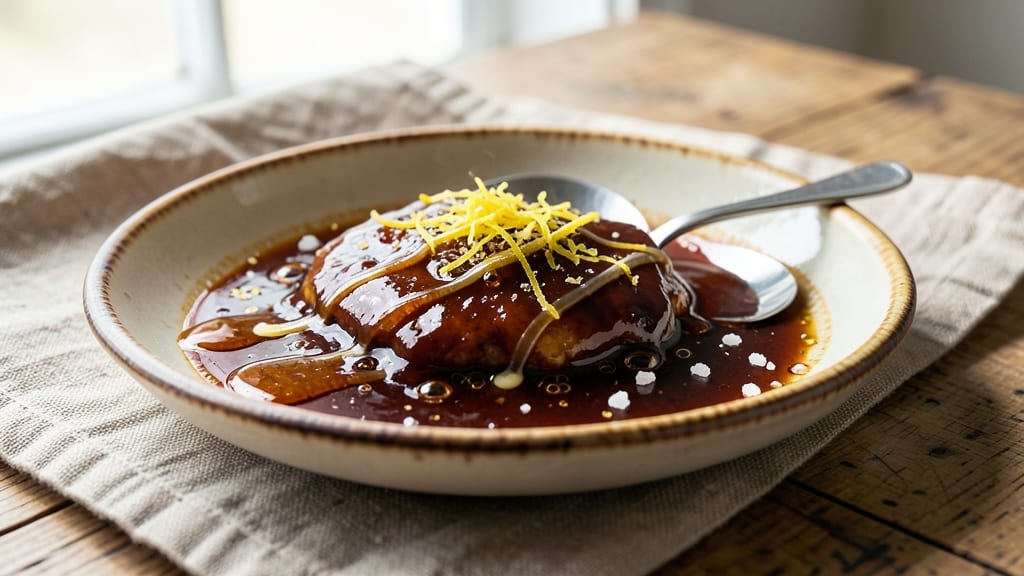
This balsamic brown sugar sauce transforms simple dishes into showstoppers with its rich, caramelized depth—perfect for glazing meats, drizzling over vegetables, or finishing desserts. The secret lies in simmering balsamic vinegar and brown sugar until thick and glossy, creating a sauce that balances tangy, sweet, and umami notes effortlessly.
I developed this recipe after realizing how versatile a simple reduction could be, elevating everything from grilled chicken to roasted Brussels sprouts.
The process is straightforward but requires patience: combining equal parts balsamic vinegar and brown sugar, then simmering until the mixture thickens into a glossy, syrupy consistency. A touch of butter at the end adds richness, while optional vanilla or citrus zest can enhance complexity.
This sauce isn’t just about sweetness—it’s about layering flavors that make every bite memorable.
What makes this sauce truly special is its adaptability. Use it as a glaze for pork chops or ribs, a drizzle for roasted vegetables, or even a finishing touch for vanilla ice cream. The caramelized edges and deep flavor profile turn ordinary dishes into restaurant-worthy meals without complicating the process.
With just five basic ingredients and minimal effort, you’ll have a sauce that’s as impressive as it is delicious. The key is letting it reduce slowly, ensuring a smooth, velvety texture that clings beautifully to any surface. Ready to elevate your cooking with this foolproof technique?
Ingredients for balsamic brown sugar sauce
Five simple ingredients transform into a restaurant-quality sauce that glows like caramelized magic.
| Ingredient | Amount | Notes |
|---|---|---|
| Balsamic Vinegar 🍷 | ½ cup | High-quality aged balsamic preferred |
| Light Brown Sugar 🍬 | ½ cup | Packed firmly for accuracy |
| Unsalted Butter 🧈 | 2 tbsp | Cold, cut into small pieces |
| Vanilla Extract 🌿 | ½ tsp | Pure vanilla for best flavor |
| Fresh Lemon Zest 🍋 | 1 tsp | Finely grated, optional but brightens |
| Diamond Crystal Kosher Salt 🧂 | ¼ tsp | For balancing sweetness |
The balsamic vinegar makes all the difference here—aged balsamic from Trader Joe's or Whole Foods has that rich, complex flavor. Look for bottles labeled 'aged' or 'extra-aged'—they're worth the extra few bucks. Brown sugar should be packed firmly into your measuring cup (no scooping from the bag). For the butter, European-style unsalted like Plugrá adds extra richness, but any good-quality butter works. I always grab extra vanilla extract since it's used in so many recipes—Nestlé Pure is my go-to for consistency.
No aged balsamic? Regular balsamic vinegar plus 1 tbsp honey gets you close, but it won't have that same depth. Skip the vanilla? Almond extract at half the amount works in a pinch, though it has a different character. The lemon zest is truly optional but adds this incredible brightness that cuts through the sweetness. For the salt, Diamond Crystal is my preference—it dissolves better than table salt and has a cleaner taste. If you're using sea salt, reduce to one-quarter teaspoon since it's more concentrated. This sauce actually tastes better the next day as the flavors meld.
Store any leftovers in a clean glass jar with a tight lid in the fridge for up to 2 weeks. The sauce thickens as it cools, so you can thin it with a splash of warm water if needed. For longer storage, freeze in ice cube trays—perfect for single-use portions. I always make a double batch because it disappears so fast. The sauce reheats beautifully—just warm gently on the stove or microwave for 10-15 seconds. Trust me, you'll want to keep this on hand for everything from glazing ribs to drizzling over roasted carrots.
Why You'll Love This Recipe
- Five-Ingredient Magic: I swear by this—just vinegar, sugar, butter, vanilla, and lemon zest. That’s it. No chopping, no peeling, no fancy techniques. The sauce simmers itself into existence while I handle the actual meal.
- Sweet-Tart Euphoria: Between us, the balance here is chef’s kiss—the deep, caramelized balsamic meets the bright citrus and vanilla. It’s rich but not heavy, tangy but not sour. Drizzle it on anything and suddenly, everything tastes like a dessert.
- Weeknight Superstar: This sauce is my go-to for lazy dinners: toss it with roasted chicken, stir it into yogurt for a dip, or glaze grilled fish. Honestly, I’ve even used it to jazz up plain pasta when I’m too tired to think. It’s that reliable.
- Leftovers That Shine: Make a double batch—it keeps for weeks in the fridge. That first spoonful of leftover sauce, warmed with a splash of water, is pure comfort. And because it’s just pantry staples, it’s one of those recipes where you won’t regret buying extra.
Step-by-step instructions for balsamic brown sugar sauce
This caramelized sauce comes together in minutes with a perfect balance of sweet, tangy, and rich flavors.
Combine Ingredients in a Saucepan
In a medium saucepan, combine the 0.5 cup balsamic vinegar and 0.5 cup packed light brown sugar. I like to use a heavy-bottomed pan for this step—it helps prevent scorching while creating that beautiful caramelization. Add the 2 tablespoons cold unsalted butter cut into small pieces, the 0.5 teaspoon vanilla extract, and the 1 teaspoon fresh lemon zest. Sprinkle in the 0.25 teaspoon Diamond Crystal kosher salt and give everything a quick stir to distribute the ingredients evenly.
Here's the thing—using cold butter is key. It melts gradually as the mixture heats, creating pockets of richness that get beautifully emulsified into the sauce. If you use softened butter, you risk breaking the sauce's silky texture later on.
Simmer Until Thickened
Place the saucepan over medium-high heat and bring the mixture to a gentle boil. Once boiling, reduce the heat to medium-low and let it simmer uncovered for 8-10 minutes. You'll see the mixture bubble vigorously at first, then gradually reduce as the liquid evaporates and the sugars caramelize. Stir occasionally with a wooden spoon, especially during the first 5 minutes, to prevent any sticking or burning at the bottom.
Watch for the sauce to thicken noticeably—it should coat the back of a spoon when you run your finger through it. The color will deepen from amber to a rich, dark caramel hue. If you notice any sugar crystals forming at the edges, stir them back into the sauce to dissolve completely. This is where the magic happens—the sugars break down into simple syrups that create that glossy, clingy finish.
Finish and Test for Perfection
Once the sauce has thickened to your desired consistency (it should be syrupy but still pourable), remove it from heat. Let it cool slightly for 2-3 minutes—this resting period allows the flavors to meld and the sauce to thicken further as it sits. Taste and adjust the seasoning if needed. You might want to add a pinch more salt to balance the sweetness, or a splash of water if the sauce has thickened too much.
For an extra touch of brightness, you can stir in ½ teaspoon more lemon zest or a drop of vanilla extract. The sauce should have a perfect harmony of sweet, tangy, and rich flavors with a subtle citrus note. If you're using it immediately, it will be at its peak consistency right now. For best results, let it cool completely before storing, as it will thicken further as it sits.
Store and Use (Optional)
Transfer the sauce to a clean jar or airtight container. If you're not using it immediately, let it cool to room temperature before sealing. This sauce keeps well in the refrigerator for up to 2 weeks, though I find it's best used within 5-7 days for maximum flavor. The texture will thicken as it chills, so you may want to whisk in a splash of water when reheating to achieve your preferred consistency.
This versatile sauce works beautifully as a glaze for grilled meats, a drizzle over roasted vegetables, or even a sweet-savory topping for cheese boards. The balance of flavors makes it perfect for both sweet and savory applications—trust me, you'll find countless ways to use up every last drop.
Pro Tips For Making Balsamic Brown Sugar Sauce
- Whisk on Medium-High: I used to simmer this sauce on low heat, thinking it was safer—wrong. Medium-high keeps the butter from separating and helps the sugar caramelize faster. You’ll see the sauce thicken in half the time, and it won’t clump like a gluey mess.
- Use Real Balsamic: That cheap "balsamic glaze" in a bottle? Skip it. The real stuff—aged balsamic vinegar—has depth and complexity that shortcuts can’t replicate. If you’re pinched, reduce good-quality balsamic vinegar yourself (simmer 1 cup for 10 minutes, then cool). Trust me, your sauce will taste like it belongs in a restaurant.
- Strain the Zest: Lemon zest is great, but bits of pith can make your sauce bitter. Rub the zest directly over the sauce, then strain it through a fine-mesh sieve. It’s a little extra work, but the smooth finish makes all the difference—especially if you’re drizzling this over delicate desserts or proteins.
- Finish with Cold Butter: Stir in the butter at the very end, when the sauce is off the heat. Cold butter emulsifies better, giving you a glossy, velvety texture instead of a greasy separation. (Yes, even if you’re impatient like me—just let it cool for 30 seconds first.)
Pro cooking tips for perfect results
Heat Control Secrets
Start with medium-high heat to bring the sauce to a boil quickly, but the real magic happens at medium-low. This lower heat prevents scorching while allowing the sugars to caramelize properly.
I’ve burned this sauce too many times by cranking the heat—trust me, patience pays off with a smoother, glossier finish. 🔥
Use a heavy-bottomed saucepan (like All-Clad or Le Creuset) to distribute heat evenly. Thin pans can create hot spots, leading to uneven caramelization. If you don’t have one, a stainless steel pan works too—just stir more frequently to prevent sticking.
Stirring Technique
Stir occasionally during the first 5 minutes to dissolve sugar crystals and prevent burning. After that, let the sauce simmer uncovered—this helps evaporate excess moisture and deepen the flavor. I’ve found that stirring too much can break the sauce’s silky texture, so resist the urge to constantly check it.
Watch for sugar crystallization at the edges. If you see hard, glossy bits forming, stir them back into the sauce immediately. These crystals won’t dissolve back in if left unattended, ruining your sauce’s smooth consistency.
Butter Timing
Adding cold butter at the start ensures it melts gradually, creating emulsified pockets of richness in the sauce. If you use softened butter, it can separate or create lumps, leading to a grainy texture. I like to cut the butter into pea-sized pieces for even melting.
For extra decadence, finish with a small pat of cold butter (about 1 extra tablespoon) swirled in at the very end. This adds a luxurious sheen and balances the tangy-sweet profile. Just let it melt gently off the heat—no stirring needed!
Consistency Check
The perfect sauce should coat the back of a spoon when you run your finger through it. If it’s too thick, whisk in 1 teaspoon warm water at a time until it reaches a syrupy, pourable consistency.
Over-thickened sauce can be stubborn, so don’t rush—patience ensures a glossy, clingy finish.
If the sauce is too thin, return it to low heat and simmer for 1-2 more minutes, stirring constantly. Avoid high heat, or you’ll risk burning the sugars and creating a bitter taste. A splash of balsamic reduction (simmered separately) can also help thicken it naturally.
Nutrition facts
Frequently asked questions
Can I substitute regular vinegar for balsamic?
Regular vinegar won't work—the balsamic's depth is essential! For a quick fix, mix ½ cup white vinegar with 1 tbsp honey and ½ cup brown sugar, but the flavor won't be as complex. If you're in a pinch, aged balsamic reduction (simmered down) is your best bet for that authentic taste.
How do I use this sauce on savory vs. sweet dishes?
For savory dishes like grilled chicken or pork chops, use it as a glaze—brush on during the last 5 minutes of cooking. For vegetables (try Brussels sprouts or carrots), drizzle 1-2 tablespoons after roasting. On desserts like vanilla ice cream or pound cake, use 1-2 teaspoons as a finishing drizzle. The key is balance: savory dishes need more sauce, while desserts just need a touch!
What if my sauce crystallizes or burns?
Crystallization happens when sugar hardens at the edges—just stir it back in immediately! If it burns, you've gone too hot. For next time, use medium-low heat consistently and stir occasionally. To fix burned bits, strain the sauce through a fine-mesh sieve to remove any charred particles before using.
Can I make this sauce without butter?
Yes! For a lighter version, replace the butter with 2 tablespoons olive oil or 1 tablespoon coconut oil. The sauce will still be rich but with a different texture. If you're avoiding dairy, the olive oil version works beautifully as a drizzle for salads or grilled veggies.
How long can I store leftovers, and how do I reheat?
Store in an airtight container in the fridge for up to 2 weeks. To reheat, warm gently in a saucepan over low heat or microwave for 10-15 seconds. If it thickens too much, whisk in 1 teaspoon warm water at a time. For longer storage, freeze in ice cube trays—perfect for single-use portions!