
Sauces & Condiments
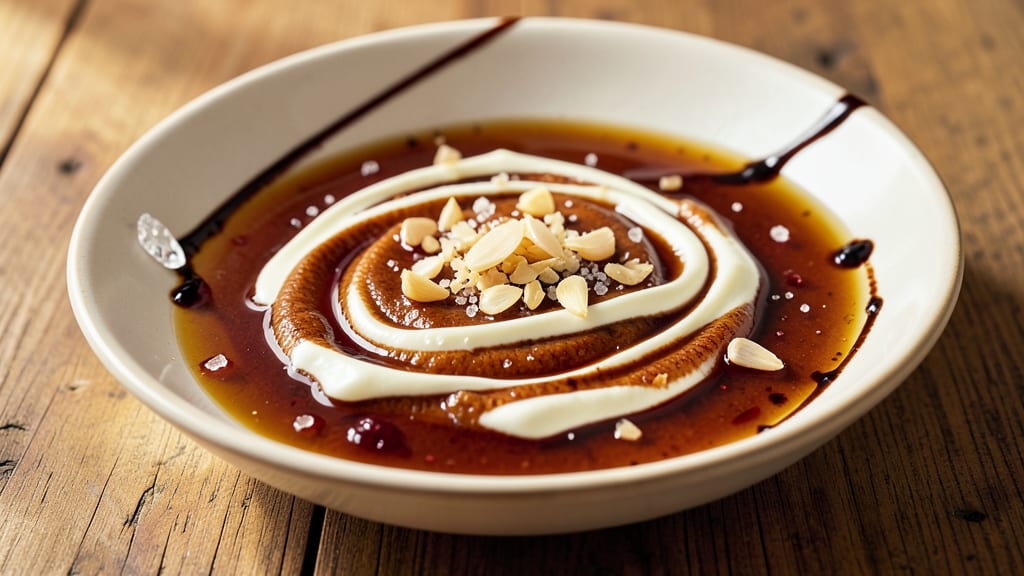
This balsamic brown butter sauce recipe transforms simple ingredients into a luxurious, nutty-sweet glaze that elevates everything from pasta to grilled meats. The rich, caramelized butter meets tangy balsamic for a balance that’s both bold and elegant—perfect for finishing dishes or drizzling over fresh bread.
I developed this sauce after years of perfecting the ratio of butter to vinegar, ensuring every drop delivers depth without overpowering.
The process is straightforward but requires attention to detail: brown the butter until fragrant and golden, then carefully reduce balsamic vinegar to a glossy syrup. A splash of cream or a pinch of salt at the end ties everything together, creating a sauce that’s silky yet complex.
This isn’t just a condiment—it’s a flavor enhancer that turns ordinary meals into restaurant-worthy creations.
What makes this sauce truly special is its versatility. Drizzle it over hot pasta, toss it with roasted vegetables, or use it as a glaze for seared steak. The nutty brown butter pairs beautifully with the vinegar’s tang, while optional additions like garlic or thyme add layers of aroma.
Once you taste the difference, store-bought versions won’t compare.
Store any leftovers in an airtight container in the refrigerator for up to 5 days, or freeze for longer shelf life. Reheat gently over low heat, stirring occasionally, to restore its velvety texture. This sauce is the secret weapon in my kitchen—simple to make, impossible to resist.
Ingredients for balsamic brown butter sauce
Eight simple ingredients create this luxurious balsamic brown butter sauce.
| Ingredient | Amount | Notes |
|---|---|---|
| Unsalted Butter 🧈 | ¾ cup | Cold, cubed for even browning |
| Balsamic Vinegar 🍷 | ½ cup | High-quality aged variety |
| Heavy Cream 🥛 | ¼ cup | Full-fat for richness |
| Granulated Sugar 🍚 | 1 tbsp | Balances acidity |
| Fresh Garlic Cloves 🧄 | 2 cloves | Minced for aromatic depth |
| Diamond Crystal Kosher Salt 🧂 | ½ tsp | Adjusts seasoning |
| Fresh Thyme Leaves 🌿 | ¼ tsp | Optional for herbal note |
| Extra-Virgin Olive Oil 🫒 | 1 tbsp | For thinning if needed |
The butter is the foundation—unsalted, high-fat, and cold so it browns beautifully. Plugrá or European-style butter has more flavor, but any good brand works. Balsamic vinegar? Look for aged or traditional at stores like Whole Foods or Trader Joe's—the darker, the better. Fresh garlic and thyme should smell vibrant, not musty. Sugar isn't just for sweetness; it helps balance the acidity of the vinegar. Trust me, the extra minute to find quality ingredients makes all the difference.
No heavy cream? Half-and-half or coconut cream works in a pinch, though the texture won't be as rich. Skip the sugar? Honey or maple syrup adds depth, but reduce by half. Olive oil is your secret weapon if the sauce thickens too much—just stir in a tablespoon at the end. Garlic hating? Omit entirely or swap for a pinch of garlic powder. The thyme is optional but adds a lovely herbal note that pairs perfectly with the nutty butter. If you're short on time, pre-minced garlic from a jar works, but fresh is always better.
This sauce keeps beautifully—5 days in the fridge in an airtight jar, or 3 months in the freezer. Reheat gently over low heat, stirring often, until smooth. For restaurant-quality results, make a double batch. The sauce thickens as it cools, so thin with a splash of warm water or olive oil if needed. Drizzle over everything: hot pasta, grilled steak, or even roasted Brussels sprouts. It's the kind of sauce that disappears fast.
Why You'll Love This Recipe
- Five-Ingredient Magic: I swear by this combo—just butter, balsamic, cream, sugar, and garlic. No fancy gadgets, no stress. The butter browns in minutes while I chop veggies or toss a salad. Honestly, it’s the kind of recipe that makes me feel like a chef without the fuss.
- Rich Umami Bomb: That first spoonful? Chef’s kiss. The brown butter adds a nutty depth, the balsamic cuts through with tang, and the garlic? It sings. The sugar balances everything so it’s never overpowering—just dangerously good. I’ll be real: I’ve drizzled it on toast just to taste it.
- Weeknight & Fancy Dates: Between us, this sauce is my secret weapon for both Taco Tuesday and dinner parties. Drizzle it over grilled chicken, pasta, or even roasted Brussels sprouts—it works. And if I’m feeling fancy, I’ll serve it with seared scallops. (Yes, even on a Tuesday night.)
- Leftovers That Save Me: Make a double batch and thank me later. The sauce thickens beautifully when refrigerated, so I can reheat it for stir-fries or toss it into omelets all week. Plus, the ingredients are cheap—heavy cream and butter stretch far, and balsamic lasts forever. My wallet and I are best friends now.
Step-by-step instructions for balsamic brown butter sauce
This sauce transforms simple ingredients into a luxurious, nutty-sweet glaze perfect for pasta or drizzling.
Brown the Butter Until Nutty and Golden
Cut the 0.75 cup unsalted butter into ½-inch cubes and place them in a medium saucepan over medium heat. Let them melt slowly, watching closely as they foam. Once the foam subsides, the butter will begin to turn pale golden—this is when the magic starts.
Continue cooking, stirring occasionally with a wooden spoon, until the butter reaches a deep golden brown color and emits a rich, nutty aroma. This should take about 5-7 minutes. If the butter starts to smoke or darken too quickly, immediately reduce the heat to medium-low to prevent burning. The goal is a caramelized, nutty flavor—not burnt bits.
Deglaze with Balsamic Vinegar and Sugar
Remove the pan from heat and carefully pour in the 0.5 cup balsamic vinegar and 1 tbsp granulated sugar. The vinegar will bubble vigorously—this is normal. Return the pan to medium heat and let the mixture simmer for 3-4 minutes, stirring constantly, until it thickens slightly and the vinegar's sharpness mellows into a glossy, syrupy consistency.
Here's the thing—if the mixture looks too thick, add 1 tbsp extra-virgin olive oil to loosen it. The sauce should coat the back of a spoon smoothly but still be pourable. If it's too thin, simmer for another 1-2 minutes to reduce it further. Taste and adjust the balance of sweetness and acidity—you might need a pinch more sugar or a splash of vinegar.
Infuse with Aromatics and Cream
Add the 2 minced garlic cloves, 0.5 tsp Diamond Crystal kosher salt, and 0.25 tsp fresh thyme leaves to the pan. Stir for 30 seconds over low heat until the garlic is fragrant but not browned—this prevents bitterness. Then, pour in the 0.25 cup heavy cream and stir gently to combine.
The cream will temper the acidity and add a velvety richness to the sauce. Let the mixture simmer for 1-2 minutes until it thickens slightly and the thyme releases its herbal notes. If the sauce starts to curdle, reduce the heat to lowest and stir constantly until it smooths out. This step ensures the sauce is balanced—sweet, tangy, and deeply aromatic.
Strain and Finish to Perfection
Line a fine-mesh strainer with cheesecloth or a coffee filter and strain the sauce into a clean bowl or saucepan. This step removes any butter solids or thyme stems, leaving you with a silky, glossy sauce. Return the strained sauce to low heat and let it warm through for 1-2 minutes, stirring occasionally.
Taste and adjust the seasoning—you might need a pinch more salt or a drizzle of balsamic vinegar to fine-tune the balance. The sauce should be vibrant, glossy, and ready to elevate any dish. For best results, use it immediately, but it will keep in the refrigerator for up to 3 days in an airtight container. Reheat gently over low heat, stirring frequently to prevent separation.
Pro Tips For Making Balsamic Brown Butter Sauce
- Brown Butter First: Melt the butter alone in the pan until it turns a deep golden brown—almost nutty—before adding anything else. I used to rush this step and ended up with butter that smelled like burnt toast instead of rich, caramelized flavor. The garlic and vinegar will join later, but the butter’s color is your cue to stop.
- Reduce Vinegar Slowly: Simmer the balsamic vinegar on medium-low heat until it’s syrupy and reduced by half. High heat turns it bitter faster than you’d expect—think dark amber, not black. Skim off any foam that rises; it’s just alcohol burning off, and you don’t want that sharp edge in your sauce.
- Whisk in Cream Gradually: Temper the heavy cream by adding it to the hot butter-vinegar mixture a splash at a time, whisking constantly. Dumping it all in at once? You’ll end up with scrambled cream instead of a silky sauce. Start with ¼ cup, let it warm, then add the rest.
- Toast Garlic Lightly: Sauté the minced garlic in the browned butter for 30 seconds max—just until fragrant, not golden. Overcooking turns it bitter, and you’ll taste it in every bite. If you’re impatient, pull the pan off heat for the last 10 seconds and let the residual heat finish it.
Wine and beer pairings for this balsamic brown butter sauce
Red Wine Pairings
This sauce’s nutty brown butter and tangy balsamic balance calls for a wine with similar depth and acidity. A Chianti Classico from Tuscany is my go-to—its bright cherry notes and earthy undertones mirror the sauce’s complexity.
The acidity cuts through the richness, while the tannins stand up to the butter’s creaminess. 🍷
For something lighter, try a Pinot Noir from Oregon or Burgundy. Its delicate red fruit flavors and silky texture won’t overpower the sauce but enhance its herbal thyme notes. Avoid heavy, oaked wines like Cabernet Sauvignon—they’ll clash with the balsamic’s brightness.
White Wine Options
If you prefer white, a dry Riesling from Germany or Alsace is perfect. Its crisp acidity and hints of honey complement the sauce’s sweet-tart profile, while mineral notes add brightness. Serve it slightly chilled to let the wine’s freshness shine alongside the warm butter.
For a bolder white, a Viognier with its floral and stone-fruit flavors pairs surprisingly well. The wine’s richness mirrors the sauce’s creaminess, while its citrus notes balance the balsamic’s tang. Both wines elevate the dish without competing for attention.
Beer Pairings
A Belgian witbier like Hoegaarden is my top beer choice—its coriander and citrus notes lift the sauce’s nutty depth, while the effervescence cleanses the palate. The beer’s subtle sweetness also harmonizes with the balsamic’s tang. 🍺
For a malty option, try a light amber ale with caramel and toffee flavors. Brands like New Belgium Fat Tire or Allagash White work beautifully, as their balanced sweetness and bitterness complement the sauce’s richness. Avoid heavy stouts or IPAs—they’ll overpower the delicate flavors.
Non-Alcoholic Options
For a refreshing non-alcoholic match, serve the sauce with a sparkling grape juice like Martinelli’s Sparkling Brut. Its bubbles and light fruitiness echo the sauce’s brightness without alcohol’s interference. A ginger beer with a squeeze of lemon also works—its spicy kick contrasts the sauce’s sweetness.
For a more substantial pairing, try a cold-brewed hibiscus tea (like Mexican jamaica). The tart, floral notes enhance the balsamic’s depth, while the tea’s natural sweetness balances the butter’s richness. Serve it over ice for a refreshing contrast.
Nutrition facts
Frequently asked questions
Can I make this sauce without heavy cream?
For a lighter version, replace the 0.25 cup heavy cream with 0.25 cup half-and-half or 0.25 cup coconut cream. The texture will be slightly thinner but still delicious. If you want to keep it dairy-free, try 0.25 cup unsweetened almond milk—though the sauce will be less rich. Adjust sweetness if needed with an extra pinch of sugar.
How do I prevent the sauce from curdling when adding cream?
To avoid curdling, always add the cream off the heat or over the lowest heat setting. Stir constantly while warming through, and never let it boil. If it starts to separate, immediately reduce heat and whisk vigorously. A splash of cold water can also help re-emulsify it. The key is patience—let the cream warm gradually to blend smoothly.
What's the best way to store leftovers?
Store in an airtight container in the fridge for up to 5 days. For longer storage, freeze in ice cube trays or small jars—thaw overnight in the fridge. Reheat gently over low heat, stirring frequently, until smooth. If it thickens too much, thin with a splash of warm water or olive oil. Never microwave—it can break the sauce's silky texture.
Can I use this sauce on cold dishes?
Yes! While it's best served warm, this sauce works beautifully on cold dishes too. Drizzle over chilled pasta salads, grilled vegetables, or even as a dip for crusty bread. The nutty butter and balsamic flavors stand up well to cold temperatures. For extra brightness, add a pinch of flaky salt or fresh herbs right before serving.
Why did my brown butter turn gray?
Gray butter happens when butter burns or overheats. The milk solids break down and oxidize. To fix it, immediately remove from heat and stir in 1 tbsp fresh balsamic vinegar or 1 tsp lemon juice—this helps neutralize the bitter flavors. For next time, watch closely and reduce heat to medium-low once it starts browning. The butter should be golden, not dark or gray.