
Sauces & Condiments
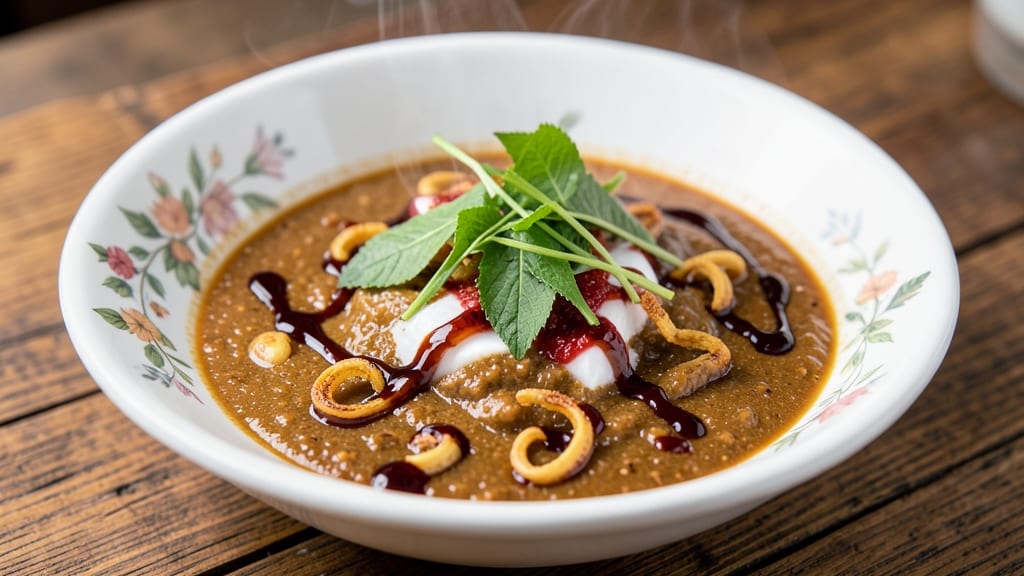
This Balinese peanut sauce recipe transforms simple ingredients into a nutty-spicy glaze that elevates stir-fries, satay, and grilled meats with rich depth. The secret lies in balancing creamy peanut butter with aromatic spices, tamarind's tang, and sweet soy's caramel notes—creating a sauce that's both complex and foolproof.
I developed this version after years of experimenting with regional variations, ensuring every spoonful delivers that perfect harmony of textures and flavors.
The foundation begins with toasted shallots and garlic, which form the aromatic base before ground peanuts and coconut milk create that signature velvety texture. A touch of chili flakes adds subtle heat, while tamarind brings the essential tang that cuts through the richness.
What makes this sauce truly special is its versatility—it clings beautifully to proteins and vegetables while remaining smooth enough to drizzle.
By the time you're done, you'll have a glossy, aromatic sauce that's thicker than a glaze but still silky enough to coat every bite. The peanut flavor shines through without overpowering, and the spices develop as they simmer, creating layers of complexity.
This isn't just a sauce; it's the kind of condiment that turns simple meals into restaurant-worthy experiences.
Use it immediately over grilled chicken, tofu, or vegetables, or store it in the fridge for up to two weeks. The consistency adjusts easily with water or coconut milk, so you can tailor it to your preferred thickness. Here's how to make it perfectly every time.
Ingredients for balinese peanut sauce
Simple pantry staples transform into a restaurant-quality sauce with just 12 ingredients.
| Ingredient | Amount | Notes |
|---|---|---|
| Natural Peanut Butter 🥜 | ¾ cup | Creamy, unsweetened preferred |
| Toasted Shallots 🧅 | ¼ cup | Finely chopped, light brown |
| Garlic Cloves 🧄 | 6 cloves | Minced, aromatic |
| Coconut Milk 🥥 | ½ cup | Full-fat for creaminess |
| Tamarind Paste 🍈 | 2 tbsp | Adjust for tang preference |
| Sweet Soy Sauce 🍶 | 2 tbsp | Kikkoman preferred |
| Red Chili Flakes 🌶️ | 1 tsp | Adjust for heat |
| Ground Cumin 🌿 | ½ tsp | Toasted for depth |
| Ground Coriander 🌿 | ½ tsp | Freshly ground preferred |
| Brown Sugar 🍚 | 1 tbsp | Light or dark |
| Lime Juice 🍋 | 1 tbsp | Freshly squeezed |
| Water 💧 | ¼ cup | For thinning as needed |
The peanut butter is the heart of this sauce, so pick one without additives—the creamy kind from Smucker's or Crazy Richard's works perfectly. For the shallots, toast them in a dry pan until golden—this step deepens their flavor dramatically. Garlic should be minced finely so it blends seamlessly. I always grab my tamarind paste from the international aisle at Whole Foods or Trader Joe's, where it's usually available in small, convenient tubes. The coconut milk? Full-fat is non-negotiable here—it creates that signature velvety texture that separates this sauce from the rest.
No tamarind paste? Substitute lime juice plus a pinch of sugar—it won't be identical, but you'll still get that bright tang. Running low on brown sugar? White sugar works in a pinch, though it won't caramelize as beautifully. The chili flakes can be swapped for fresh red chili or cayenne, but adjust the amount—fresh is hotter. For a deeper spice profile, toast the cumin and coriander seeds whole before grinding them. If you're making this ahead, store the dry spices together in a jar—they'll keep for months, while the wet ingredients last about 2 weeks in the fridge.
This sauce thickens as it cools, so start with the full 0.25 cup of water if you want it pourable right away. For a smoother texture, strain through a fine-mesh sieve after blending—worth the extra minute. Keeps beautifully in the fridge for up to 2 weeks, and freezes for 3 months if you want to make a big batch. I always double the recipe and freeze half—perfect for lazy weeknights when I'm craving that nutty-spicy kick without the effort.
Why You'll Love This Recipe
- Fewer Ingredients, Bigger Flavor: I swear by this—just five pantry staples (peanut butter, shallots, garlic, coconut milk, tamarind) transform into something restaurant-worthy. No 10-step ingredient lists here.
- Tamarind’s Tangy Magic: That little jar of tamarind paste? It’s the secret weapon. The balance of sweet, salty, and sour from the peanut butter, toasted shallots, and tamarind makes every bite ridiculously addictive.
- Dips, Sauces, or Glazes: Slather it on grilled chicken, toss it with noodles, or drizzle it over tofu—this sauce does it all. Even my picky teen asks for seconds when it’s on his plate.
- Makes Leftovers Look Luxe: I double the batch and store it for a week. The flavors deepen over time, and reheating? Just a splash of water and stir. Feels fancy, costs next to nothing.
Step-by-step instructions for Balinese peanut sauce
This nutty-spicy glaze comes together in minutes with simple techniques for perfect balance.
Toast Shallots and Garlic for Depth of Flavor
Heat a dry skillet over medium heat and add the 0.25 cup toasted shallots and 6 cloves garlic cloves. Cook for 3-4 minutes until the shallots turn golden and the garlic releases its aroma. Stir frequently to prevent burning—you want fragrant, not bitter flavors. The shallots should be light brown with no dark spots.
Remove from heat and transfer to a bowl. Let cool slightly before adding to the sauce—this prevents the peanut butter from seizing up when combined. I like to mash them lightly with a fork at this stage to break them down slightly, which helps distribute their flavor more evenly throughout the sauce.
Blend Peanut Butter and Aromatics
In a blender or food processor, combine the 0.75 cup natural peanut butter, toasted shallot mixture, 0.5 cup coconut milk, 2 tbsp tamarind paste, 2 tbsp sweet soy sauce, 1 tsp red chili flakes, 0.5 tsp ground cumin, 0.5 tsp ground coriander, 1 tbsp brown sugar, and 1 tbsp lime juice. Blend on high for 1-2 minutes until completely smooth.
Here's the thing—don't rush this blending. You want a completely homogeneous mixture with no peanut butter streaks. If it looks too thick, add 1-2 tablespoons of water at a time until it reaches a pourable consistency. The sauce should coat the back of a spoon with a velvety texture, not cling in globs.
Simmer and Adjust Seasoning
Transfer the blended sauce to a saucepan and place over medium-low heat. Stir constantly for 5-7 minutes until it thickens slightly and small bubbles form at the edges. This simmering step develops the flavors and ensures the tamarind's tanginess mellows into the peanut butter's richness.
Taste and adjust seasoning. Need more heat? Add a pinch more red chili flakes. Want it sweeter? Stir in another ½ teaspoon of brown sugar. The sauce should balance nutty, spicy, sweet, and tangy flavors—like a perfect harmony. If it's too thick, thin with the remaining 0.25 cup water one tablespoon at a time until it reaches your desired consistency.
Finish with Lime and Rest Before Using
Remove from heat and stir in the remaining 1 tbsp lime juice. This final acidity brightens all the flavors and prevents the sauce from tasting flat. Let the sauce rest for 10-15 minutes at room temperature—this allows the flavors to meld completely and the texture to stabilize.
I know it seems counterintuitive to wait, but this resting period makes all the difference. The peanut butter will fully emulsify with the other ingredients, creating a smooth, cohesive sauce rather than one that separates when used. Store any leftovers in an airtight container in the refrigerator for up to 1 week—just remember to give it a quick stir before using, as it may thicken slightly when cold.
Pro Tips For Making Balinese Peanut Sauce
- Sauté Shallots Slow: The moment toasted shallots turn golden, they lose their sweetness fast. Keep the heat at medium-low—just enough to see gentle sizzling—and stir every 30 seconds. I learned this the hard way after burning a batch and ending up with bitter, charred bits that ruined the whole sauce.
- Strain the Tamarind: Store-bought tamarind paste is often gritty, and those tiny seeds turn your sauce grainy. Rub the paste through a fine-mesh sieve before adding it to the pan. Yes, it’s an extra step, but your sauce will be silky smooth—no one will guess you didn’t make it from scratch.
- Simmer, Don’t Boil: Once you add coconut milk, keep the heat at a bare simmer. Boiling splits the milk, turning it greasy and separating the cream. A gentle roll of bubbles is all you need—this sauce is about balance, not intensity.
- Toast the Peanut Butter: Skip the raw peanut butter straight from the jar. Heat it in the pan for 2-3 minutes with the shallots and garlic first—it deepens the nutty flavor and cuts through the coconut’s richness. Sounds weird, but it works: the sauce tastes richer without adding extra oil.
Health benefits of this dish
Heart-Healthy Nut Power
This sauce delivers a nutrient-packed punch thanks to peanuts, which are rich in monounsaturated fats that support heart health. A ½ cup serving provides 7 grams of protein and 6 grams of fiber, helping stabilize blood sugar levels.
The coconut milk adds medium-chain triglycerides (MCTs), which are metabolized quickly for clean energy. 💪
Protein Without Guilt
With 12 grams of protein per serving, this sauce is a great plant-based option for muscle maintenance and recovery. The combination of peanuts and coconut milk creates a complete protein profile when paired with grains like rice or noodles.
Unlike heavy cream-based sauces, this version keeps calories in check while delivering satisfying richness.
Digestive Benefits
The fiber content from peanuts and tamarind paste promotes healthy digestion and supports gut health. Tamarind also contains prebiotic fibers that feed beneficial gut bacteria. The ginger and garlic in the aromatic base add anti-inflammatory properties, making this sauce a gut-friendly choice.
Just 1-2 servings per week can contribute to your daily fiber needs.
Antioxidant Boost
Peanuts are packed with resveratrol and polyphenols, powerful antioxidants that combat oxidative stress. The cumin and coriander in this sauce add even more antioxidant power, helping protect cells from damage. The red chili flakes contribute capsaicin, which has been shown to boost metabolism and reduce inflammation. 🌶️
Blood Sugar Balance
While peanuts do contain natural sugars, their low glycemic index helps prevent blood sugar spikes when consumed in moderation. The tamarind's tang and brown sugar add sweetness without the sharp blood sugar impact of refined sugars. For a lower-sugar option, reduce the brown sugar to ½ tablespoon without sacrificing flavor.
Versatile Nutrition
This sauce works as both a flavor enhancer and nutrient booster for meals. Drizzle it over grilled chicken or tofu to add plant-based protein, or use it as a marinade for vegetables to increase their vitamin absorption.
The healthy fats from peanuts and coconut milk also help your body absorb fat-soluble vitamins like A, D, E, and K from your meal. 🥜
Nutrition facts
Frequently asked questions
Can I make this sauce without tamarind paste?
Yes! If you don't have tamarind, substitute with 2 tablespoons lime juice plus ½ teaspoon sugar to mimic the tang. For deeper complexity, add 1 teaspoon fish sauce (if avoiding seafood, use soy sauce instead). The sauce will be slightly brighter but still delicious.
How do I adjust the spice level?
Start with the 1 teaspoon red chili flakes as written, then adjust to taste. For milder heat, reduce by half or omit entirely. Need more kick? Add ½ teaspoon cayenne or a finely chopped fresh chili. Always taste before serving—you can always add more, but you can't remove excess spice!
What's the best way to store leftover sauce?
Transfer to an airtight container and refrigerate for up to 2 weeks. The sauce will thicken slightly when cold—just stir in 1-2 tablespoons water or coconut milk to thin as needed. For longer storage, freeze for 3 months. Thaw overnight in the fridge and stir well before using.
Can I use peanut butter powder instead of natural peanut butter?
Peanut butter powder works in a pinch, but the texture will be different. For best results, use ½ cup powdered peanut butter plus 2 tablespoons water to rehydrate. The sauce will be slightly thinner, so you may need to simmer longer to thicken. For authentic flavor, natural peanut butter is ideal.
What are the best ways to use this sauce?
This versatile sauce shines drizzled over grilled meats, satay, tofu, or noodles. Use it as a marinade for 2-4 hours before cooking, or as a dipping sauce with fresh veggies. For extra richness, warm it gently before serving. The creamy texture also makes it perfect for rice bowls or as a sandwich spread!