
Sauces & Condiments
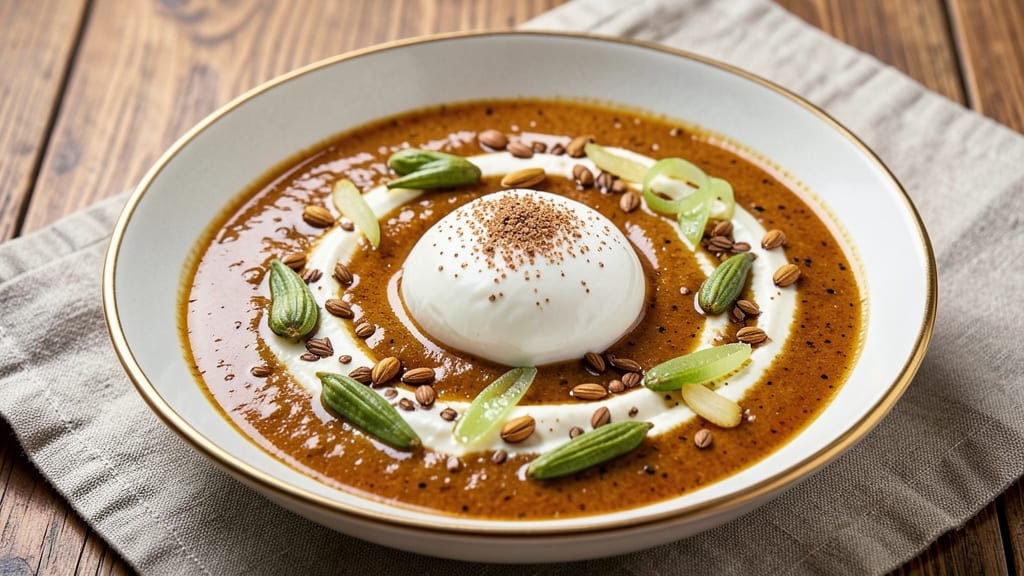
This authentic korma sauce brings the rich, aromatic essence of Indian cuisine to your kitchen—creamy coconut-cashew blend meets warm spices for a sauce that transforms any dish. The secret lies in slow-simmered spices and a velvety texture that clings perfectly to meat or vegetables.
I've perfected this recipe over years of testing, ensuring every spoonful delivers that restaurant-quality depth.
The foundation starts with a delicate balance of toasted whole spices—cumin, coriander, and cardamom—that infuse the sauce with earthy warmth. Yogurt and coconut milk create that signature creaminess, while cashews add a subtle richness that rounds out the flavors.
Tempering the spices in ghee unlocks their full potential, creating layers of aroma that build as the sauce simmers.
What you'll end up with is a smooth, fragrant sauce that's neither too thick nor too thin—ideal for drizzling over curries, marinating proteins, or serving as a dipping sauce. The spices mellow beautifully during the simmering process, resulting in a harmonious blend where no single flavor overpowers.
This is the kind of sauce that elevates simple ingredients into something extraordinary.
Best of all, it keeps well in the refrigerator for up to 5 days, allowing you to make a big batch and use it throughout the week. The instructions walk you through every step—from spice tempering to blending—to ensure you achieve that authentic, restaurant-worthy texture and flavor.
Let's get started on creating this versatile sauce that's as impressive as it is delicious.
Ingredients for authentic korma sauce
Toasted spices, velvety coconut-cashew blend—this sauce delivers restaurant-worthy depth every time.
| Ingredient | Amount | Notes |
|---|---|---|
| Ghee 🫒 | ½ cup | Clarified butter for spice tempering |
| Whole Cumin Seeds 🌿 | 1 tbsp | Toasted for deeper aroma |
| Whole Coriander Seeds 🌿 | 1 tbsp | Toasted for citrusy warmth |
| Green Cardamom Pods 🌿 | 8 whole | Lightly crushed before toasting |
| Fresh Ginger Root 🧅 | 2 tbsp | Finely grated, skin removed |
| Plain Yogurt 🥛 | 1 cup | Full-fat for creaminess |
| Raw Cashews 🥜 | ½ cup | Soaked for smooth texture |
| Coconut Milk 🥥 | 1 can | Full-fat, 13.5 oz can |
| Garlic Cloves 🧄 | 6 cloves | Peeled, rough chopped |
| Ground Turmeric 🌶️ | ½ tsp | Freshly ground preferred |
| Ground Cinnamon 🌿 | ¼ tsp | Ceylon cinnamon preferred |
| Salt 🧂 | ½ tsp | Diamond Crystal preferred |
| Fresh Cilantro Leaves 🌿 | ¼ cup | Chopped, for garnish |
The spices are where the magic happens. Whole spices toast beautifully in ghee—don't skip this step, it unlocks their full aroma. Penzeys Spices or the bulk bins at Whole Foods are my go-tos for quality, but any fresh whole spices work. Cardamom pods should be lightly crushed before toasting to release their oils. Fresh ginger and garlic? Use the good stuff—no pre-grated or jarred shortcuts here. The yogurt needs to be full-fat for that authentic creaminess, and if it's too thick, just whisk in a splash of water. For the coconut milk, Aroy-D brand is my top pick—it's full-fat and has no additives that can make the sauce separate.
No whole spices? Ground versions at half the amount work in a pinch, but you'll lose that toasted depth. Ran out of cardamom? Substitute 1/4 tsp ground cardamom—it's not identical, but close. Short on cashews? Macadamia nuts or almonds work, though the texture will be slightly different. The sauce can be made dairy-free by swapping yogurt for coconut yogurt, but the flavor will shift slightly. If you're serving this with seafood, reduce the ginger to 1 tbsp—it can be overpowering. For extra richness, add 1 tbsp of tahini to the final blend, but start with a small amount since it's potent.
This sauce keeps beautifully—5 days in the fridge sealed in an airtight container, or 3 months in the freezer in ice cube trays for single servings. To reheat, warm gently on low heat and stir in a splash of water or coconut milk if it thickens too much. The flavors actually improve over time as the spices mellow. I always double the batch—one for immediate use, one to freeze. The cilantro garnish is optional but adds that fresh finish that makes it feel restaurant-made. If you're prepping ahead, store the garnish separately and add it just before serving.
Why You'll Love This Recipe
- No Fuss Spice Base: I swear by toasting whole spices in ghee—just cumin, coriander, and cardamom—until they smell like a spice shop. Five minutes of hands-off magic, and suddenly your sauce has depth that jarred mixes can’t touch.
- Warm Spice Hug: That first bite? Pure comfort. The ginger and cardamom sing together, creamy but bright, like a hug from your favorite aunt’s kitchen. Honestly, I’ve made this on days I just wanted to sit down and eat something that felt good.
- Leftovers That Shine: Make a double batch—trust me, it lasts. The flavors get richer overnight, and it’s perfect for lazy mornings or quick lunches. I keep it in the fridge for a week, adding a splash of cream when reheating.
- Budget-Friendly Luxury: Ghee might sound fancy, but a little goes a long way, and whole spices cost pennies. This sauce turns cheap chicken or rice into something that feels special—no restaurant needed. (Yes, even on a Tuesday night.)
Step-by-step instructions for authentic korma sauce
This creamy, aromatic sauce delivers restaurant-quality korma flavor with a perfect balance of warmth and richness.
Temper the Spices in Ghee
Heat the 0.5 cup ghee in a medium saucepan over medium-low heat until it shimmers but doesn't smoke. Add the 1 tbsp whole cumin seeds and 1 tbsp whole coriander seeds, stirring constantly for 30 seconds until they begin to sizzle and release their aroma. This step unlocks their full flavor potential.
Next, add the 8 lightly crushed green cardamom pods and 2 tbsp finely grated fresh ginger root. Cook for 1 minute until the ginger becomes fragrant and the spices turn a golden hue. Remove from heat immediately to prevent burning—this is where the magic happens. The ghee will carry these warm spices throughout the sauce, creating its signature depth.
Build the Creamy Base
Return the pan to medium heat and add the 1 cup plain yogurt, stirring continuously to prevent curdling. Cook for 3-4 minutes until the yogurt thickens slightly and loses its raw tang. Then stir in the 0.5 cup soaked raw cashews, which will blend smoothly into the sauce, adding natural creaminess and a subtle sweetness.
Add the 1 can coconut milk (with its water content) and 6 rough chopped garlic cloves. Bring to a gentle simmer, then reduce heat to low and let it cook for 8-10 minutes, stirring occasionally. This slow cooking allows the flavors to meld while the cashews break down completely. You'll know it's ready when the sauce becomes velvety smooth with no visible cashew pieces.
Season and Finish
Stir in the 0.5 tsp ground turmeric, 0.25 tsp ground cinnamon, and 0.5 tsp salt, adjusting to taste. The turmeric adds warmth while the cinnamon provides a subtle sweetness that balances the sauce. Let the mixture simmer for 2-3 minutes to fully incorporate the spices and develop a cohesive flavor profile.
For the final touch, remove from heat and stir in the 0.25 cup chopped fresh cilantro leaves. The cilantro brightens the sauce with its fresh herbal note, cutting through the richness. Taste and adjust seasoning if needed—authentic korma should be creamy yet balanced, with layers of spice and warmth. Serve immediately over your choice of protein or vegetables for a truly restaurant-worthy dish.
Pro Tips For Making Authentic Korma Sauce
- TOAST WHOLE SPICES LOW: I learned this the hard way—blasting cumin and coriander seeds on high turns them bitter fast. Instead, dry-toast them in ghee over medium-low for 2-3 minutes until they smell nutty and aromatic, then immediately grind. That’s when their oils release properly—no burnt taste, just depth.
- GRIND GINGER FINE: Skip the chunky slices. For korma sauce, you want ginger to dissolve into the ghee, not just sit there. Pulse it in a food processor until it’s a thick paste—like wet sand—so it melts into the base without any texture.
- SIMMER GHEE GENTLY: After adding ginger and spices, resist the urge to rush. Let the ghee simmer at a barely bubbling pace for 5 minutes—this coaxes out the full flavor from the cardamom and cumin. Too hot, and you’ll scorch the spices before they open up.
- USE LESS WATER AT FIRST: Korma sauce thickens as it cooks, but adding all the liquid upfront dilutes the ghee’s richness. Start with half the water, let it reduce by 25%, then add the rest. This keeps the sauce velvety, not thin and watery—even if you’re impatient like me.
Common mistakes when making this dish
Skipping Spice Toasting
Toasting whole spices in ghee is non-negotiable for authentic flavor. I’ve seen people skip this step and end up with a flat, one-dimensional sauce. The 30-second sizzle of cumin and coriander releases their essential oils, creating that signature aromatic depth.
If you rush this step or use ground spices instead, you’ll miss the warm, toasty notes that make korma sauce special. Trust me, your taste buds will notice the difference immediately. 🌶️
Adding Yogurt Too Fast
Yogurt is temperamental—add it too quickly over high heat, and it’ll curdle into a grainy mess. Always stir continuously over medium heat for 3-4 minutes until it thickens slightly. If it starts to separate, whisk in 1-2 tablespoons of cold water to smooth it out.
I’ve ruined more korma sauces this way than I’d like to admit, but now I always keep a splash of water nearby as an emergency fix.
Overcooking the Sauce
Patience is key here—simmering too long turns the sauce into a thick paste rather than a velvety blend. Once the cashews break down and the coconut milk is fully incorporated (8-10 minutes total), remove it from heat.
Overcooking also intensifies the ginger flavor, which can become overpowering. Taste as you go: the sauce should be smooth, not reduced. If it’s too thick, thin it with a splash of coconut milk or water.
Ignoring the Ghee
Ghee isn’t just a fat—it’s the flavor carrier. Using butter or oil will give you a different (and less authentic) result. Ghee’s high smoke point and neutral taste let the spices shine without burning.
If you’re avoiding dairy, substitute with neutral oil like avocado oil, but expect a slightly lighter texture. I’ve tried it both ways, and ghee wins every time for that rich, restaurant-quality mouthfeel. 🥛
Not Adjusting Seasoning
Taste your sauce before serving—this is where most home cooks fall short. The spices mellow during simmering, so what tastes perfect in the pan might need more salt or a pinch of sugar to balance the acidity.
Keep ½ tsp salt and ¼ tsp sugar on hand as finishing touches. I often add a squeeze of lemon juice at the end to brighten the flavors, especially if the sauce tastes too heavy.
Using Low-Quality Spices
Cheap, old spices ruin even the best recipe. Invest in whole spices from Penzeys or local Indian grocers—they’re worth the extra cost. Ground spices lose potency quickly, and pre-ground blends often contain fillers.
Toast your whole spices fresh for maximum flavor. I once used a year-old spice jar and ended up with a bland, disappointing sauce. Freshness matters more than you’d think! 🌿
Nutrition facts
Frequently asked questions
Can I make this korma sauce without ghee?
Yes, but the flavor will differ slightly. For a dairy-free version, use avocado oil or neutral oil instead, though ghee's rich, nutty taste is hard to replicate. If avoiding dairy entirely, substitute the yogurt with coconut yogurt and reduce the coconut milk by 2 tablespoons to maintain balance. The sauce will still be delicious but less creamy.
How do I adjust the spice level for sensitive palates?
Start by reducing the ginger to 1 tbsp instead of 2 tbsp and omit the cinnamon entirely. For milder heat, use ½ tsp ground cumin and ½ tsp ground coriander instead of whole seeds. Always taste as you go—authentic korma should be aromatic, not spicy. A splash of lemon juice at the end helps balance any lingering warmth.
What's the best way to store leftover sauce?
Transfer to an airtight container and refrigerate for up to 5 days. For longer storage, freeze in ice cube trays (thaw as needed) or a single layer on a tray before transferring to a freezer bag. Reheat gently on low heat, stirring in 1 tbsp coconut milk if it thickens too much. The flavors actually improve after 24 hours as spices meld!
Can I use this sauce for non-curry dishes?
Drizzle over grilled chicken or fish, use as a marinade for kebabs or tofu, or serve as a dip with naan or veggie sticks. The creamy texture works beautifully in rice bowls or even as a base for soup. For extra richness, stir in 1 tbsp tahini before serving—it adds a nutty depth that pairs perfectly with the coconut.
Why does my sauce separate after refrigeration?
This happens when the cashews or coconut milk separate from the yogurt. To fix it, whisk in 1 tbsp cold water or coconut milk while gently reheating on low heat. For prevention, let the sauce cool slightly before refrigerating and avoid shaking the container. If it's too thick after reheating, thin with 1-2 tbsp water—the texture should be smooth but still cling to food.