
Sauces & Condiments
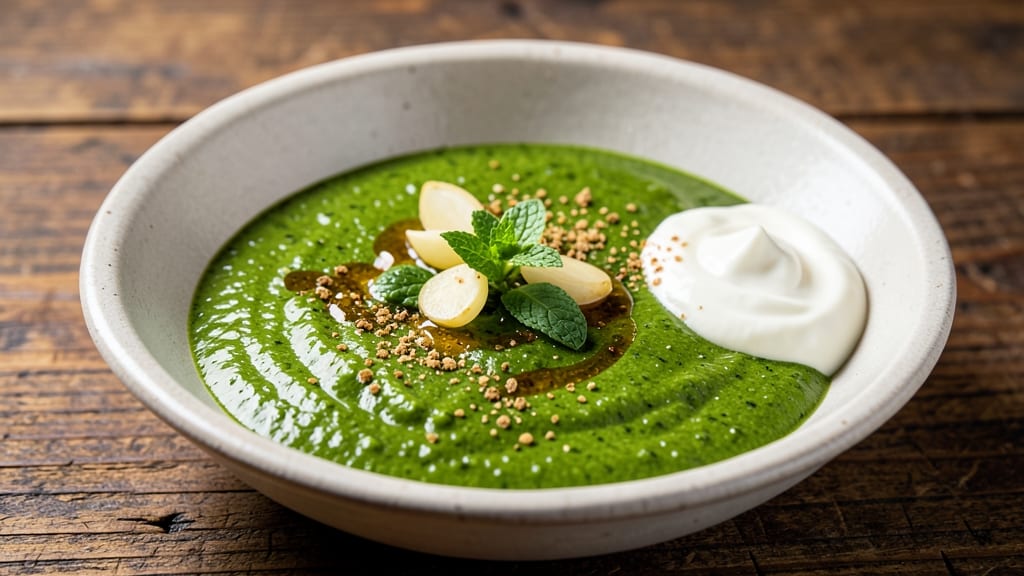
This authentic Indian mint sauce recipe transforms grilled meats and curries into vibrant, herbaceous masterpieces—bright, cooling, and packed with traditional flavors. The secret lies in balancing fresh mint, tangy yogurt, and aromatic spices like cumin and coriander, creating a sauce that’s both chunky and smooth depending on your preference.
I developed this recipe after years of testing, ensuring it delivers the same depth you’d find in Indian street food stalls.
The foundation of this sauce is simple yet transformative: blended mint leaves, strained yogurt, and finely chopped garlic create the base, while toasted spices add warmth. The lemon juice brightens the flavors, cutting through the richness of grilled dishes or rich curries.
What makes this sauce truly special is its versatility—it elevates everything from tandoori chicken to kebabs, adding a refreshing herbal note that balances spice.
What you’ll end up with is a vibrant green sauce with a perfect balance of tang, freshness, and subtle spice. The texture is velvety yet textured, with visible mint flecks that add visual appeal and bursts of flavor.
This sauce isn’t just a condiment; it’s a flavor enhancer that turns ordinary meals into something extraordinary. The best part? It stays fresh in the fridge for up to a week, ready to transform your next dish.
Traditionally, this sauce is served with grilled lamb, chicken, or even as a dip for naan. The cooling mint and yogurt contrast beautifully with smoky, spiced meats, creating a harmonious bite.
Whether you’re cooking for a family gathering or a weeknight dinner, this sauce will bring an authentic touch to your table. Let’s get started!
Ingredients for authentic indian mint sauce
Nine ingredients, one vibrant sauce—this is your ticket to authentic Indian flavors.
| Ingredient | Amount | Notes |
|---|---|---|
| Fresh Mint Leaves 🌿 | 2 cups | Packed, stems removed |
| Plain Whole Milk Yogurt 🥛 | ½ cup | Greek or regular, strained |
| Garlic Cloves 🧄 | 3 cloves | Finely chopped or minced |
| Ground Cumin 🌿 | ½ tsp | Toasted for deeper flavor |
| Ground Coriander 🌶️ | ½ tsp | Freshly ground preferred |
| Lemon Juice 🍋 | 2 tbsp | Freshly squeezed |
| Extra-Virgin Olive Oil 🫒 | ¼ cup | High quality, fruity |
| Salt 🧂 | ½ tsp | Kosher or sea salt |
| Fresh Cilantro Leaves 🌱 | ¼ cup | Optional, for extra freshness |
The mint is non-negotiable here—look for bright green leaves at the grocery store or farmers market. Whole Foods or Indian specialty stores often carry the freshest, most aromatic varieties. If you can't find mint, cilantro can stretch it, but it won't be the same. The yogurt should be plain and thick—Greek yogurt works best—and strained through a cheesecloth if it's too runny. Toast your spices in a dry pan for 30 seconds before grinding to wake up their flavors. For garlic, roast it first (wrap in foil with olive oil, bake at 400°F for 20 minutes) for a sweeter, more complex taste that's perfect for this sauce.
No fresh mint? Dried mint at half the amount works in a pinch, but it lacks that bright freshness. Swap cilantro for more mint if you're feeling adventurous. The yogurt can be substituted with vegan yogurt or coconut yogurt for a dairy-free version, though the texture will be slightly different. If you're avoiding garlic, asafetida (hing) powder at 1/4 tsp adds a similar depth to Indian dishes. For a smoother sauce, blend everything until silky—if you prefer texture, leave some chunks of mint and garlic. The lemon juice is key for brightness, but lime juice works too if that's what you have on hand.
This sauce keeps beautifully—up to 1 week in the fridge when stored in an airtight jar with a layer of olive oil on top to preserve freshness. For longer storage, freeze in ice cube trays and transfer to a bag—3 months in the freezer with no texture loss. I like to make a big batch on Sundays so I always have it ready for grilled meats or curries during the week. The sauce tastes even better the next day as the flavors meld together. If it separates, just give it a quick stir before using—it'll come back together perfectly.
Why You'll Love This Recipe
- Five-Ingredient Magic: I swear by this—just yogurt, mint, garlic, and two spices. No fancy gadgets, no stress. My kids even help chop the garlic (well, try to), and it still comes out perfect.
- Garlic-Mint Euphoria: That first bite of cool yogurt, bright mint, and toasted cumin? It’s like a flavor hug. The garlic mellows into something rich, and the coriander adds this earthy warmth that just sticks.
- Weeknight Superstar: Dinner guests? Last-minute takeout fail? This sauce fixes it all. Slather it on grilled meats, mix into rice, or just eat it with naan—no judgment. I’ve saved at least seven questionable meals with it.
- Fridge Goldmine: Make a big batch—it keeps for days. The yogurt thickens beautifully, and the mint stays vibrant. Honestly, I’ve had this sitting in my fridge for a week, and it’s still the star of my lunchbox.
Step-by-step instructions for authentic Indian mint sauce
This cooling, aromatic sauce delivers that signature Indian restaurant freshness you crave.
Prepare the Fresh Herb Base
In a food processor or blender, combine the 2 cups of fresh mint leaves with the 3 cloves of finely chopped garlic. Pulse until the mint is finely chopped but not completely puréed—you want visible texture for that authentic restaurant-quality appearance. I like to leave some tiny mint pieces visible because this creates the perfect balance of freshness and smoothness.
Here's the thing—if you're using a blender, work in batches if needed to avoid overfilling. You want to preserve the vibrant green color and bright flavor of the mint. If your mint leaves are particularly fibrous, add them in two batches for better blending results. The texture should resemble coarse sand rather than a smooth paste.
Add Yogurt and Spices
Transfer the mint mixture to a medium bowl and stir in the 0.5 cup of plain whole milk yogurt. Then add the 0.5 teaspoon of ground cumin, 0.5 teaspoon of ground coriander, and 0.5 teaspoon of salt. Mix everything together until completely combined and smooth. The yogurt helps create that signature creamy texture that makes this sauce so special.
I always use room-temperature yogurt for this step—it blends more smoothly and creates a more consistent sauce. If your yogurt is cold straight from the fridge, let it sit at room temperature for about 15 minutes before adding it. The spices should dissolve completely, but don't worry if you see tiny specks—they'll blend in as you continue.
Incorporate Acid and Oil
Add the 2 tablespoons of freshly squeezed lemon juice and 0.25 cup of extra-virgin olive oil to the bowl. Whisk vigorously for about 1 minute until the sauce becomes thick and glossy. The acid from the lemon juice brightens all the flavors while the olive oil adds richness and helps emulsify the sauce.
This is where the magic happens—watch as the sauce transforms from a simple mixture into something silky and cohesive. If it looks too thick, add 1 tablespoon of water at a time until you reach your desired consistency. The sauce should coat the back of a spoon but still be pourable. Taste and adjust seasoning if needed—you might need a bit more salt or lemon juice depending on your yogurt's tanginess.
Finish with Fresh Herbs (Optional)
If you're using the 0.25 cup of fresh cilantro leaves, gently fold them into the sauce just before serving. The cilantro adds an extra layer of freshness that complements the mint beautifully. Be careful not to overmix—just give it a few gentle folds to incorporate the leaves without breaking them down completely.
Here's the key to getting this right: the cilantro should remain visible as delicate green flecks throughout the sauce. This visual element makes the dish look restaurant-quality and gives that final fresh herbal note. If you're serving this sauce immediately, you can skip this step—it's truly optional and depends on your personal preference.
Chill and Serve
Cover the sauce and refrigerate for at least 30 minutes before serving. This chilling time allows all the flavors to meld together beautifully. The sauce will thicken slightly as it cools, which is exactly what you want for that perfect consistency when drizzled over curries or grilled meats.
When ready to serve, give the sauce a good stir before using. It should be cool, vibrant green, and have that perfect balance of creamy, tangy, and herbal flavors. This sauce pairs beautifully with biryani, grilled chicken, lamb kebabs, or even as a refreshing dip with warm pita bread. The authentic Indian touch comes from that perfect blend of mint, yogurt, and subtle spices.
Pro Tips For Making Authentic Indian Mint Sauce
- STRAIN THE YOGURT FIRST: I learned this the hard way—using thick, unstrained yogurt makes the sauce clumpy and heavy. Whisk the yogurt through a fine-mesh sieve or cheesecloth for 10 minutes before adding anything else. It’s worth the wait; the sauce will be silky and balanced, not like a chunky raita.
- ROAST THE GARLIC LOW: After burning three batches of garlic, I finally figured out: roast the whole cloves in a dry pan over low heat for 8–10 minutes until golden and soft. Smash them directly in the pan—no need to peel first—then blend with the rest. This adds depth without bitterness, and skipping the peel saves time.
- PULSE THE MINT IN BATCHES: My grandmother swore by this, and she was right: blend mint leaves in small batches (about ½ cup at a time) with a splash of water to keep the motor from overheating. If you dump all the leaves in at once, the sauce turns bitter and watery. Work in stages, adding yogurt gradually.
- TEMPER THE SPICES HOT: Sounds weird, but it works: heat the ground cumin and coriander in a dry pan for 20 seconds until fragrant—just until you smell the spices, not see smoke. Let it cool completely before mixing into the yogurt. This banishes the raw, earthy taste and makes the flavors sing. (Yes, even if you’re impatient like me.)
Common mistakes when making your authentic indian mint sauce
Over-Blending Mint
One of the biggest mistakes I see is blending the mint until it's completely smooth. This kills the authentic texture you get from Indian street food stalls, where you can see tiny mint flecks.
I recommend pulsing your mint in a food processor until it's finely chopped but still has visible texture—think coarse sand rather than a smooth paste. This preserves the vibrant green color and those little bursts of fresh flavor that make the sauce special. 🌿
Skipping Yogurt Strain
If your yogurt is too runny, don't just use it as-is. The sauce needs that perfect creamy texture, and watery yogurt will make your sauce thin and unappetizing. I always strain my yogurt through a cheesecloth for about 15 minutes before using it.
This removes excess liquid and gives you that thick, luscious consistency that's essential for this sauce. Greek yogurt works best because it's naturally thicker than regular yogurt.
Using Dried Spices
Freshly toasted ground spices make all the difference in this sauce. If you're using pre-ground spices straight from the jar, they won't have that same depth of flavor. I always toast my cumin and coriander seeds in a dry pan for about 30 seconds until fragrant, then grind them fresh.
This simple step wakes up the spices and gives your sauce that authentic, aromatic quality that's hard to replicate with store-bought ground spices. 🌶️
Adding Lemon Too Late
The lemon juice needs to be incorporated early in the process, not added at the end. Adding it too late can cause the sauce to separate or become too acidic. I add the lemon juice right after mixing in the yogurt and spices, then whisk everything together thoroughly.
This ensures the acid is evenly distributed and helps emulsify the sauce properly. If you add it at the end, you might end up with a sauce that's too tangy in some spots and not enough in others.
Ignoring Resting Time
This sauce tastes even better after it's had time to rest in the fridge. Skipping the 30-minute chilling time means you're missing out on that perfect flavor melding that happens when everything cools down. The sauce will also thicken slightly as it chills, which gives it that ideal consistency for drizzling over hot dishes. I always
Using Low-Quality Oil
Extra-virgin olive oil might seem like a small detail, but it makes a big difference in this sauce. Using a cheap or low-quality oil can make your sauce taste flat and unbalanced. I always recommend using a high-quality, fruity extra-virgin olive oil that has good acidity. This adds richness and helps create that perfect emulsified texture. The oil also helps preserve the freshness of your herbs and balances the tangy lemon and creamy yogurt beautifully. 🫒
Nutrition facts
Frequently asked questions about authentic Indian mint sauce
Can I make this sauce without yogurt?
The yogurt is essential for that signature creamy texture and cooling effect. For a dairy-free version, substitute with coconut yogurt or a neutral-tasting vegan yogurt. If you're avoiding dairy completely, you could use a thick cashew cream (blend soaked cashews with water) for a similar mouthfeel, though the flavor will differ slightly.
How do I know when my mint is fresh enough?
Look for vibrant green leaves that smell strongly aromatic when crushed. If your mint smells musty or flat, it's past its prime. The best mint has a bright, almost sweet herbal scent. For restaurant-quality results, buy from Indian grocery stores or farmers markets where they often carry the freshest varieties.
What's the best way to adjust the spice level?
Start with the recommended 0.5 tsp each of cumin and coriander, then adjust to taste. For more heat, add 1/8 tsp of cayenne or red chili powder. If you prefer milder flavor, reduce the spices by half or omit them entirely—the sauce still works beautifully with just the yogurt, herbs, and lemon base.
Can I make this sauce ahead of time?
This sauce actually tastes better after 24 hours in the fridge as flavors meld. Store in an airtight container with a thin layer of olive oil on top to preserve freshness. It keeps for up to 1 week refrigerated or 3 months frozen. For freezing, portion into ice cube trays for easy use.
What are the best dishes to serve with this sauce?
This versatile sauce pairs perfectly with grilled meats like chicken, lamb kebabs, and fish. It also enhances biryani, samosas, and even as a dip for naan or pita. The cooling mint balances rich, spiced dishes beautifully. For a vegetarian option, try it with grilled paneer or vegetable kebabs.