
Sauces & Condiments
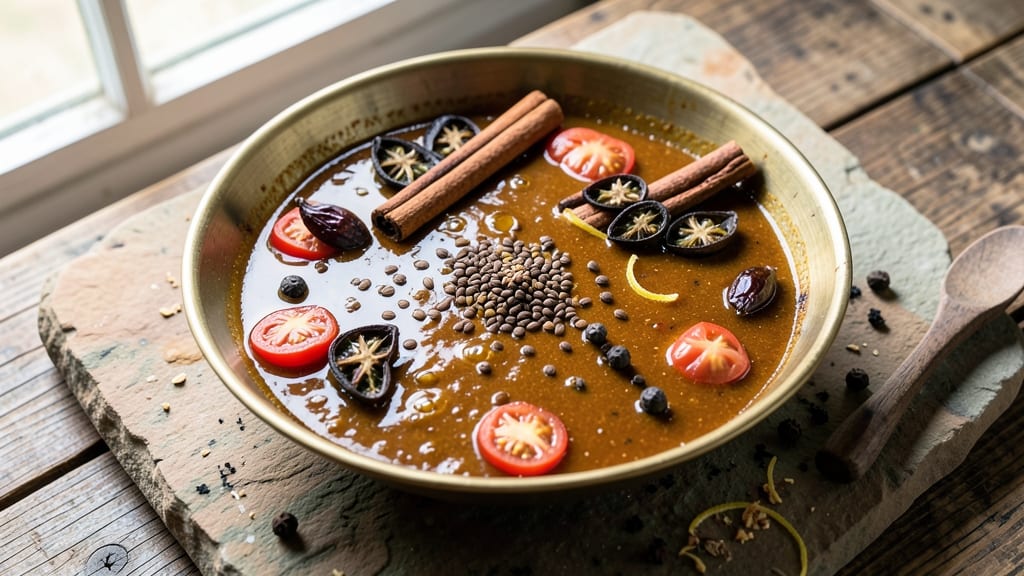
This authentic Indian curry sauce recipe transforms simple ingredients into a fragrant, complex base that elevates every dish it touches. The secret lies in slow-simmering whole spices with onions and tomatoes until they dissolve into a velvety, aromatic sauce—no blender required.
I developed this recipe after years of testing shortcuts that missed the depth of restaurant-quality curries, and this method delivers that same rich, layered flavor at home.
The foundation begins with gently blooming spices in hot oil until they release their essential aromas—cinnamon, cardamom, cloves, and cumin—before building the sauce with onions and tomatoes cooked until they break down into a smooth, jammy consistency.
This slow process develops the sauce's signature depth, creating a balance of sweet, tangy, and spicy notes that work with chicken, lamb, lentils, or vegetables. The result is a sauce that's versatile enough for weeknight dinners but impressive enough for guests.
What makes this curry sauce truly authentic is the technique: simmering the spices and aromatics until they meld into a cohesive, fragrant base rather than just blending raw spices with tomatoes.
The sauce thickens naturally as it reduces, creating a perfect consistency for tossing with proteins or using as a dipping sauce. It keeps well in the refrigerator for up to a week, allowing you to build flavor ahead of time.
For those who prefer milder heat, reduce the green chilies or add extra coconut milk to balance the spices. The sauce pairs beautifully with basmati rice, naan, or roti, and freezes well for future use.
Whether you're new to Indian cooking or a seasoned home chef, this recipe will become your go-to for adding authentic flavor to any meal.
Ingredients for authentic indian curry sauce
Twelve ingredients that build layers of aromatic complexity through slow simmering.
| Ingredient | Amount | Notes |
|---|---|---|
| Vegetable Oil 🫒 | ½ cup | High smoke point preferred |
| Cumin Seeds 🌿 | 1 tbsp | Whole seeds for authentic flavor |
| Cardamom Pods 🌿 | 6 whole | Green cardamom preferred |
| Cloves 🌿 | 4 whole | Whole cloves, not ground |
| Cinnamon Sticks 🌿 | 2 whole | Ceylon cinnamon preferred |
| Black Peppercorns 🌶️ | 1 tsp | Whole peppercorns preferred |
| Onions 🧅 | 2 medium | Finely chopped, yellow or red |
| Garlic Cloves 🧄 | 4 cloves | Peeled and minced |
| Fresh Ginger 🌿 | 1 inch | Peeled and grated |
| Tomatoes 🍅 | 2 large | Ripe, San Marzano preferred |
| Green Chilies 🌶️ | 2 whole | Adjust for heat preference |
| Garam Masala 🌶️ | 1 tbsp | Store-bought or homemade blend |
| Salt 🧂 | 1 tsp | Diamond Crystal preferred |
| Coconut Milk 🥥 | ½ cup | Full-fat for creaminess |
The spices are the heart of this sauce—whole spices release their essential oils when toasted, creating depth that ground spices can't match. Penzeys Spices or your local Indian grocery store will have the best quality cumin, cardamom, and cloves. Look for vibrant green cardamom pods and whole cinnamon sticks (avoid the pre-ground stuff). Black peppercorns should be plump and dark. For the onions, yellow or red work best—they caramelize beautifully. If you can't find San Marzano tomatoes, any ripe, flavorful heirloom variety will work. The ginger should be fresh, not jarred—it makes all the difference in the sauce's brightness.
No whole spices? Ground cumin and garam masala can substitute at half the amount, but you'll lose some of that authentic depth. Running out of green chilies? Red pepper flakes at one-third the amount adds heat without the same fruity notes. The coconut milk can be swapped for cashew cream or heavy cream if you prefer a richer texture. Fresh ginger too pungent? Powdered ginger at one-quarter the amount works in a pinch. For the tomatoes, if you're using canned, San Marzano or Muir Glen are the gold standards—avoid the watery, flavorless brands. And if you're feeling adventurous, toast your own garam masala blend with cumin, coriander, fennel, and black peppercorns for a custom touch.
This sauce develops flavor as it sits—let it rest for 30 minutes before using for the best results. Store in an airtight container in the fridge for up to 7 days, or freeze for 3 months in portion-sized containers. The sauce thickens as it cools, so you can thin it with water or broth when reheating. I like to make a big batch and freeze portions for quick weeknight meals. The aroma alone will have your kitchen smelling like an Indian restaurant—worth every minute of simmering time.
Why You'll Love This Recipe
- Spice in Minutes: I swear, the whole process takes less than 15 minutes—just toast those cumin seeds in oil until they sizzle, then toss in the cardamom and cinnamon while I chop the onions. No waiting for hours, no complicated steps.
- Warmth in Every Bite: That first bloom of cumin, followed by the deep, earthy notes of cardamom and cloves? It’s like a hug in sauce form. The cinnamon sticks add this subtle sweetness that makes it taste homemade—not store-bought.
- One Sauce, Endless Meals: Use it for curries, drizzle it over rice, or even mix it into soups. Honestly, I’ve had it on toast with yogurt (yes, really) and it still works. The base is so flavorful, it turns even simple proteins into something special.
- Budget-Friendly Magic: A few whole spices and oil—no fancy ingredients, just big flavor. I make a big batch and freeze half; it’s my go-to for lazy nights or when I’m feeding a crowd. Plus, spices last forever, so it’s basically free after the first batch.
Step-by-step instructions for slow-simmered Indian curry sauce
This method builds layers of authentic spice and aromatic depth through precise timing and technique.
Bloom the Whole Spices in Vegetable Oil
Heat the 0.5 cup vegetable oil in a heavy-bottomed pot over medium-low heat until shimmering but not smoking. Add the 1 tablespoon cumin seeds and watch closely—they'll begin to sizzle and pop within 10-15 seconds. Immediately add the 6 whole cardamom pods, 4 whole cloves, 2 whole cinnamon sticks, and 1 teaspoon black peppercorns. Stir constantly for 2-3 minutes until the spices release their aromatic oils and turn a rich golden color.
This step is critical for authentic flavor development. The spices should smell intensely fragrant and slightly sweet—if they burn, you'll taste bitterness later. Remove the pot from heat briefly if needed to prevent scorching. Let the spices cool slightly before proceeding, as their oils will help emulsify the sauce later.
Sauté Aromatics Until Deeply Golden
Return the pot to medium heat and add the 2 medium finely chopped onions. Cook for 8-10 minutes, stirring frequently, until the onions turn a deep golden brown and their moisture evaporates completely. You'll hear a distinct sizzling sound that indicates proper caramelization.
Next, add the 4 minced garlic cloves and 1 inch grated fresh ginger. Cook for 1-2 minutes until the raw garlic scent disappears and the mixture becomes fragrant. This step forms the aromatic base of your curry. If the onions begin to stick, reduce heat slightly and add 1 tablespoon water to deglaze, scraping up any browned bits from the bottom of the pot.
Incorporate Tomatoes and Green Chilies
Add the 2 large chopped tomatoes and 2 whole sliced green chilies to the pot. Cook for 5-7 minutes over medium heat, stirring occasionally, until the tomatoes break down into a thick, glossy pulp. The sauce should reduce significantly and develop a rich, tangy aroma. If the mixture becomes too dry, add 2 tablespoons water to maintain moisture.
At this stage, you're building the acidity foundation of your curry. The tomatoes should soften completely and blend seamlessly with the spices. Taste the mixture—it should be complex with layers of sweetness from the onions, heat from the chilies, and earthy notes from the spices. This is your flavor benchmark before adding the final ingredients.
Simmer and Develop Depth
Reduce heat to low and add the 1 teaspoon salt and 1 tablespoon garam masala. Stir well to combine, then pour in the 0.5 cup coconut milk. Let the sauce simmer uncovered for 15-20 minutes, stirring occasionally, until it thickens to a rich, velvety consistency. The sauce should coat the back of a spoon and develop a glossy sheen.
During this time, the spices will continue to infuse their flavors while the coconut milk adds creaminess. The sauce should reduce by about one-third in volume, intensifying its flavor. Taste and adjust seasoning—add more salt if needed, or a pinch of sugar to balance acidity if the tomatoes were particularly tart. This simmering phase is where the sauce transforms from a simple mixture to a complex, layered curry.
Finish with Heat Control
Remove the sauce from heat and let it cool for 5 minutes. This resting period allows the flavors to meld completely. If you prefer a smoother texture, blend the sauce using an immersion blender until completely smooth. For a rustic texture, leave it slightly chunky with visible tomato pieces.
Serve the curry immediately over rice or with your choice of protein. The sauce should be aromatic, balanced between sweet, spicy, and savory notes, with a velvety texture that clings beautifully. Store any leftovers in an airtight container in the refrigerator for up to 5 days, or freeze for 3 months. The flavors will continue to develop and deepen over time.
Pro Tips For Making Authentic Indian Curry Sauce
- CRACK THE WHOLE SPICES: Don’t crush cardamom pods or cloves before toasting—their aroma hits hardest when released in the oil. I learned this the hard way after pre-crushing and getting a flat, one-dimensional flavor. Whole spices add depth, so let them sizzle and pop in the oil first, then add them to the sauce.
- TOAST SPICES UNTIL GOLDEN: Medium-high heat is key here—you want the cumin seeds to sizzle and darken slightly (about 30 seconds) before adding other spices. If you rush, you’ll miss that nutty, toasty base that makes the whole curry sing. Watch closely; burned spices taste bitter.
- STRAIN OUT WHOLE SPICES: After simmering, remove the cinnamon sticks and cardamom pods—they’ve done their job. Leaving them in makes the sauce gritty and overpowers the flavor. A fine-mesh strainer takes 10 seconds and saves you from chewing on cloves later.
- USE LESS OIL THAN YOU THINK: About 2 tablespoons is enough to properly toast spices without drowning them. I used to splurge and end up with a greasy, muddled sauce. The spices need room to sizzle and release their oils—crowd them, and you’ll just get a pale, weak flavor.
Flavor customization for this recipe
Mild Heat Version
For a gentler curry, reduce the green chilies to 1 whole chili and substitute ½ teaspoon red pepper flakes for a subtle warmth. Add ¼ cup extra coconut milk to balance the spices, creating a creamy, aromatic sauce perfect for families or sensitive palates.
I find this version works beautifully with chicken tikka masala or vegetable stir-fries where heat isn't the focus. 🌶️
Spicy Kick Boost
Crank up the heat by adding 1 tablespoon freshly chopped Thai bird's eye chilies (seeds removed for less intensity) along with the original 2 green chilies. For extra depth, stir in ½ teaspoon cayenne pepper during the final simmer. This fiery version pairs perfectly with lamb shanks or spicy paneer dishes.
Creamy Yogurt Twist
Swap the coconut milk for ½ cup plain yogurt (Greek or whole milk) to create a tangy, velvety sauce. Whisk the yogurt into the simmering sauce off the heat to prevent curdling, then return to low heat for 5 minutes to meld flavors. This variation works wonderfully with grilled meats or as a dip for naan and crudités. The yogurt adds a refreshing contrast to the rich spices. 🥛
Tomato-Free Option
For those avoiding tomatoes, replace them with 1 cup puréed butternut squash or 1 cup blended cauliflower. Cook these until softened, then proceed with the recipe as written.
The natural sweetness of the squash enhances the caramelized onions, while cauliflower adds a subtle earthiness. This version works beautifully with coconut-based curries or vegetable dishes. 🍠
Smoky Charcoal Touch
Add ½ teaspoon smoked paprika or ¼ teaspoon liquid smoke during the final simmer for a subtle smoky depth. This variation elevates the sauce for grilled dishes or smoky lentil stews.
To balance the intensity, increase the coconut milk to ⅔ cup and add a pinch of sugar to complement the smokiness. The result is a complex, restaurant-quality flavor profile. 🔥
Herb-Infused Freshness
Stir in 2 tablespoons chopped fresh cilantro or 1 tablespoon fresh mint leaves at the very end for a bright, herbaceous finish. This variation works beautifully with chicken biryani or as a topping for rice bowls.
For extra freshness, add 1 teaspoon lemon juice just before serving. The herbs lift the rich, spiced sauce with a vibrant contrast. 🌿
Nutrition facts
Frequently asked questions
Can I make this sauce without coconut milk?
Yes! For a traditional approach, replace the coconut milk with ½ cup heavy cream or ½ cup cashew cream (blend soaked cashews with water). If you prefer a lighter texture, use ½ cup water or vegetable broth instead. The sauce will be slightly less rich but still deeply flavorful. For extra depth, add 1 tablespoon tomato paste when simmering to compensate for the missing fat.
How do I adjust the spice level for different dishes?
For mild dishes like chicken or vegetable curries, reduce green chilies to 1 whole chili and add ½ teaspoon red pepper flakes instead. For spicy dishes like lamb or paneer, keep the 2 green chilies and add ½ teaspoon cayenne pepper during the final simmer. Always taste as you go—the sauce can be diluted with water or coconut milk if too intense.
Why does my sauce taste bitter?
Bitterness usually comes from burning spices or overcooking tomatoes. To fix it, stir in 1 teaspoon sugar or honey while simmering to balance the flavors. For prevention, never let the spices burn during the blooming step (keep heat at medium-low) and add 1 tablespoon water if the sauce starts to darken too much while cooking tomatoes.
Can I make this sauce in a slow cooker?
Bloom the spices in oil in a skillet first, then transfer everything to the slow cooker. Cook on low for 4-5 hours or high for 2-3 hours, stirring occasionally. The slow cooker enhances the spices' depth naturally. For best results, use a 4-quart model to prevent overflow as the sauce reduces.
How long can I store this sauce?
Store in an airtight container in the fridge for up to 5 days or freeze for 3 months. The flavors actually improve over time! When reheating, add 1-2 tablespoons water to thin if needed, as the sauce thickens when chilled. For freezing, portion into ice cube trays for easy single-use servings.