
Sauces & Condiments
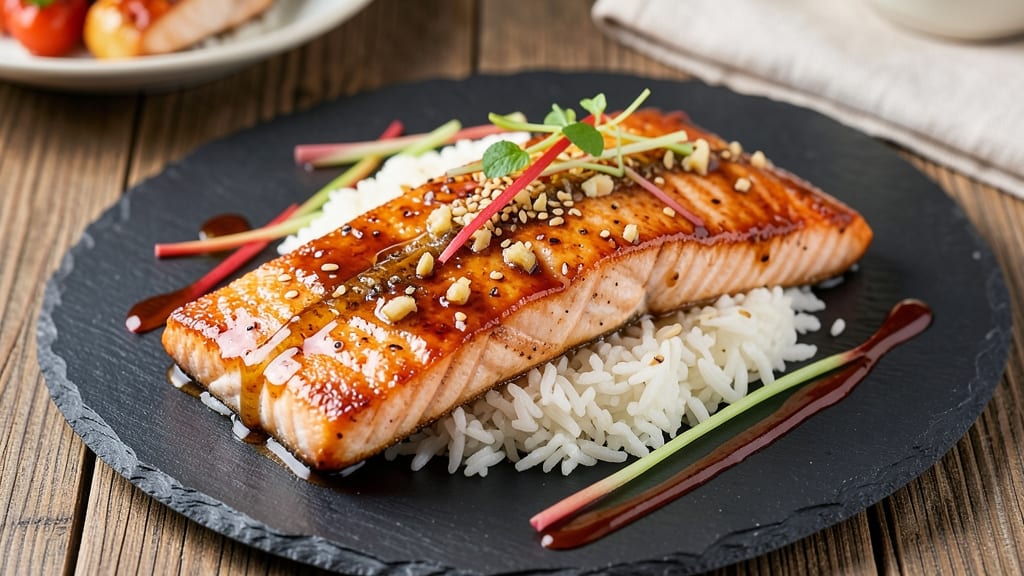
This Asian salmon sauce recipe delivers the perfect balance of sweet, savory, and umami that transforms simple pan-seared salmon into a restaurant-worthy dish. The secret lies in a harmonious blend of soy sauce, ginger, garlic, and honey—simmered until rich and glossy.
What sets this sauce apart is its versatility: it works as a glaze, dipping sauce, or finishing drizzle over rice bowls or noodles.
The sauce starts with a simple base of soy sauce and honey, which caramelizes into a glossy sheen when reduced. Fresh ginger and garlic add bright, aromatic depth, while a touch of sesame oil introduces nutty warmth.
For extra umami, a splash of fish sauce or miso deepens the flavor profile without overpowering the delicate salmon. The result is a sauce that's both elegant and approachable—ideal for weeknight dinners or special occasions.
What makes this recipe truly foolproof is its adaptability. Use it to glaze salmon fillets for a sticky, caramelized crust, drizzle it over steamed rice for instant flavor, or serve it as a dipping sauce for spring rolls.
The sauce keeps well in the refrigerator for up to 5 days, making it perfect for meal prep. For longer storage, freeze it in ice cube trays and thaw as needed—each batch tastes better with time as the flavors meld.
This sauce isn’t just for salmon—it elevates grilled chicken, shrimp, or even tofu. The key is balancing the sweetness and saltiness, so taste as you go and adjust to your preference. Once you master this recipe, you’ll never reach for store-bought again. Let’s get started!
Ingredients for asian salmon sauce
Sweet, savory, and umami-packed ingredients that transform salmon into restaurant-quality perfection.
| Ingredient | Amount | Notes |
|---|---|---|
| Soy Sauce 🍶 | ½ cup | Use light or dark soy for balance |
| Honey 🍯 | ¼ cup | Substitute maple syrup if preferred |
| Fresh Ginger 🧄 | 2 tbsp | Finely grated, aromatic freshness |
| Garlic Cloves 🧄 | 4 cloves | Minced for deep flavor infusion |
| Sesame Oil 🫒 | 1 tbsp | Toasted for nutty aroma |
| Fish Sauce 🐟 | 1 tbsp | For authentic umami depth |
| Rice Vinegar 🍶 | 1 tbsp | Balances sweetness naturally |
| Sesame Seeds 🌾 | 1 tsp | Toasted for garnish and crunch |
| Cornstarch 🌾 | 1 tsp | Slurry with water for thickening |
| Water 💧 | 1 tbsp | For cornstarch slurry |
The soy sauce is your foundation—Kikkoman or Lee Kum Kee work perfectly, but any good-quality brand will do. Honey should be pure, nothing processed. Fresh ginger and garlic are non-negotiable here; pre-minced garlic loses flavor fast. Trader Joe's carries pre-grated ginger if you're short on time, but fresh is always better. For sesame oil, grab the toasted kind—it's worth the extra penny for that nutty aroma. Fish sauce adds depth, but if you're avoiding it, a dash of miso paste works too.
No honey? Maple syrup or agave are great swaps—they caramelize just as nicely. Running low on fish sauce? Miso paste or a splash of Worcestershire (if you're not strict about pescatarian) brings umami. The cornstarch slurry is key for that glossy finish—don't skip it. For extra richness, add a teaspoon of butter at the end (it melts right in). If you're making this ahead, the sauce actually gets better as it sits—flavors meld beautifully.
Store leftovers in an airtight container in the fridge for up to 5 days. For longer storage, freeze in ice cube trays—thaw as needed for quick meals. The sauce thickens as it cools, so thin with a splash of water or vinegar if needed. Double the batch—it disappears fast! I always make extra to drizzle over rice bowls or toss with noodles. Trust me, you'll want seconds.
Why You'll Love This Recipe
- Five-Ingredient Magic: I swear by this combo—soy sauce and honey balance each other out perfectly, while the ginger and garlic add that bright, punchy kick. No weird ingredients, just pure, addictive flavor in every bite.
- Pan-Fry Perfection: Honestly, this sauce takes less than 10 minutes to simmer together while you cook the salmon. One skillet, minimal cleanup, and that caramelized glaze? Worth every second.
- Weeknight Workhorse: Between us, this sauce turns basic salmon into a restaurant-worthy dish without effort. Use it for weeknight dinners, potlucks, or even as a quick marinade—it’s that reliable.
- Leftovers That Don’t Suck: The sauce thickens beautifully when reheated, so you can make a big batch and use it for days. Slather it on rice bowls, drizzle over noodles, or toss with veggies—it’s always a win.
Step-by-step instructions for sweet-savory Asian salmon glaze
This sauce transforms simple salmon into restaurant-quality perfection—here's how to nail it every time.
Build the Flavor Base
In a small saucepan, combine the 0.5 cup soy sauce, 0.25 cup honey, 1 tbsp fish sauce, and 1 tbsp rice vinegar. Bring to a gentle simmer over medium heat, then reduce the heat to low and let it cook for 5 minutes. You're looking for the mixture to thicken slightly and the aromas to meld together—this is where all the magic happens.
Here's the thing—don't walk away. Stir occasionally to prevent sticking, and watch for the sauce to reduce by about 20%. If it starts to bubble too vigorously, lower the heat. The goal is a syrupy consistency that coats the back of a spoon, not a thick paste. This foundational step creates the perfect balance of sweet, salty, and tangy flavors that'll make your salmon irresistible.
Infuse with Aromatics
Add the 2 tbsp finely grated fresh ginger and 4 minced garlic cloves to the simmering sauce. Stir well to incorporate, then let it cook for another 3-4 minutes until the raw garlic smell disappears and you're left with a fragrant, golden liquid. The ginger should be completely dissolved—if you see any chunks, give it a quick mash with a wooden spoon to break them down.
This is where the sauce gets its depth. The ginger and garlic release their oils and flavors into the sauce, creating that complex, layered taste you crave in Asian cuisine. If you're using fresh ginger, make sure it's finely grated—coarse pieces won't dissolve properly and can make the sauce grainy. The same goes for the garlic; mincing it finely ensures even distribution of flavor.
Create the Thickening Slurry
In a small bowl, whisk together the 1 tsp cornstarch and 1 tbsp water until completely dissolved. This is your thickening agent, and it needs to be smooth—no lumps allowed. Once fully combined, pour it into the simmering sauce while stirring constantly with a wooden spoon. The sauce should immediately start to thicken and become glossy.
Let the sauce cook for another 2-3 minutes until it reaches your desired consistency—it should coat the back of a spoon but still be pourable. If it thickens too quickly, add 1-2 teaspoons of water to adjust. The key here is patience; rushing will give you a gluey mess. You want a sauce that's thick enough to cling to the salmon but still has a silky, glossy finish.
Finish with Sesame Oil and Seeds
Remove the sauce from heat and stir in the 1 tbsp sesame oil. This adds a nutty aroma and rich depth of flavor that ties everything together. Let it cool slightly, then taste and adjust the seasoning if needed—you might want to add a touch more soy sauce for saltiness or honey for sweetness. The sauce should be balanced, with all the flavors harmonizing perfectly.
Finally, sprinkle the 1 tsp sesame seeds over the sauce and toss gently to distribute them. These seeds add a delightful crunch and visual appeal that makes the dish look even more impressive. Let the sauce sit at room temperature for 5-10 minutes before using—this allows the flavors to fully meld and the sauce to reach its ideal consistency. Trust me, this waiting period makes a world of difference in the final result.
Pro Tips For Making Asian Salmon Sauce
- STEAM NOT SEAR: That pan’s not for browning salmon—it’s for keeping the sauce silky. Sear the fish fast over high heat (30 seconds per side max), then finish it in the sauce at medium-low. I learned this the hard way when my salmon turned rubbery from overcooking in the sauce’s simmer.
- GRATE GINGER FINE: No, "chopped" isn’t fine enough. Use the small holes of a box grater or microplane—this way, the ginger dissolves smoothly into the sauce instead of sitting as chunks. (Yes, even if you’re impatient like me.)
- SIMMER LOW AND SLOW: The sauce will bubble like it’s in a rush, but drop the heat to a bare simmer after 3 minutes. High heat burns the honey fast, turning your glossy glaze into a bitter sludge. Trust me, the sauce tastes better when it’s patient.
- SWAP SESAME OIL LAST: Add that fragrant sesame oil after the sauce is done—just a teaspoon, swirled in at the end. Drizzling it early cooks off its delicate aroma, leaving you with a dish that smells like a grocery store instead of a restaurant. (Your nose will notice.)
Flavor customization for this recipe
Sweet vs. Savory Balance
Adjust the sweetness by swapping honey for agave nectar or maple syrup if you prefer a milder flavor. For more savory depth, increase the fish sauce to 2 tbsp—this adds umami without overpowering.
I like to taste as I go, starting with 1 tbsp fish sauce and adding more if needed. For a tangy twist, add ½ tsp red pepper flakes or a splash of lime juice at the end. 🌶️
Spicy Kick Variations
For heat lovers, stir in 1 tsp gochujang (Korean chili paste) or ½ tsp sriracha for smoky-spicy depth. If you prefer fresh heat, add 1 minced Thai chili or ½ tsp chili crisp at the end.
I often keep a small bowl of chili crisp nearby to drizzle over the finished sauce—it adds texture and a bold kick. Balance is key, so start with less and adjust to taste.
Umami Boosters
For extra umami, add 1 tsp miso paste or ½ tsp oyster sauce to the base before simmering. If you're avoiding fish sauce, 1 tbsp Worcestershire sauce works in a pinch (though it's not pescatarian).
I also love adding 1 tsp toasted sesame paste for nutty richness—just whisk it in at the end. These tweaks deepen the flavor without altering the sauce's balance.
Herb & Citrus Twists
Brighten the sauce with 1 tbsp fresh cilantro or Thai basil, finely chopped, at the end. For citrusy notes, add 1 tsp lime zest or 1 tbsp lime juice—this cuts through the richness beautifully.
I also like adding ½ tsp grated lemon zest for a subtle, aromatic lift. These additions work especially well if you're using the sauce over rice or noodles.
Texture Add-Ins
For extra texture, stir in 1 tbsp crushed peanuts or toasted coconut flakes before serving. If you want a smoother finish, blend the sauce briefly with an immersion blender to remove any seeds or herbs.
I often save a few sesame seeds for garnishing—this adds visual appeal and a satisfying crunch. For a creamy twist, whisk in 1 tsp tahini at the end for a nutty, velvety texture.
Regional Adaptations
For a Japanese-inspired version, swap fish sauce for dashi powder and add ½ tsp mirin for sweetness. A Thai-inspired twist uses fish sauce, lime juice, and a pinch of white pepper instead of ginger.
For Korean flair, add 1 tsp gochugaru (Korean chili flakes) and a splash of rice vinegar**. Each variation keeps the core balance but adds regional character—experiment to find your favorite! 🗺️
Nutrition facts
Frequently asked questions
Can I make this sauce without fish sauce?
For a pescatarian version, use 1 tbsp miso paste or ½ tsp oyster sauce instead. If you're avoiding umami entirely, 1 tbsp Worcestershire sauce works in a pinch (though it's not strictly pescatarian). The key is balancing the flavors—taste as you go and adjust with extra soy sauce or honey if needed.
How long does this sauce keep in the fridge?
This sauce stays fresh in an airtight container in the refrigerator for up to 5 days. The flavors actually improve as it sits! For longer storage, freeze it in ice cube trays—thaw as needed for quick meals. The sauce may thicken when chilled, so thin with a splash of water or vinegar before using.
Can I use this sauce on other proteins besides salmon?
Yes! This versatile sauce works beautifully on grilled or pan-seared chicken, shrimp, or even tofu. For chicken, reduce the fish sauce to ½ tbsp to avoid overpowering the meat. For shrimp, add a pinch of white pepper for a Thai-inspired twist. The sauce also makes an amazing dipping sauce for spring rolls or dumplings.
Why did my sauce turn out too thick?
Most likely, your cornstarch slurry thickened too much during cooking. To fix it, whisk in 1-2 teaspoons of water while the sauce is still warm. For future batches, reduce the cornstarch to ½ tsp or simmer for less time. Remember, the sauce will thicken further as it cools—always taste and adjust while warm.
What's the best way to use leftover sauce?
Leftover sauce is perfect for drizzling over steamed rice, ramen noodles, or stir-fried veggies. Use it as a marinade for tofu or chicken (marinate for 15-30 minutes before cooking). For extra richness, reheat with 1 tsp butter or sesame oil. The sauce also makes a fantastic glaze for grilled pineapple or baked sweet potatoes.