
Sauces & Condiments
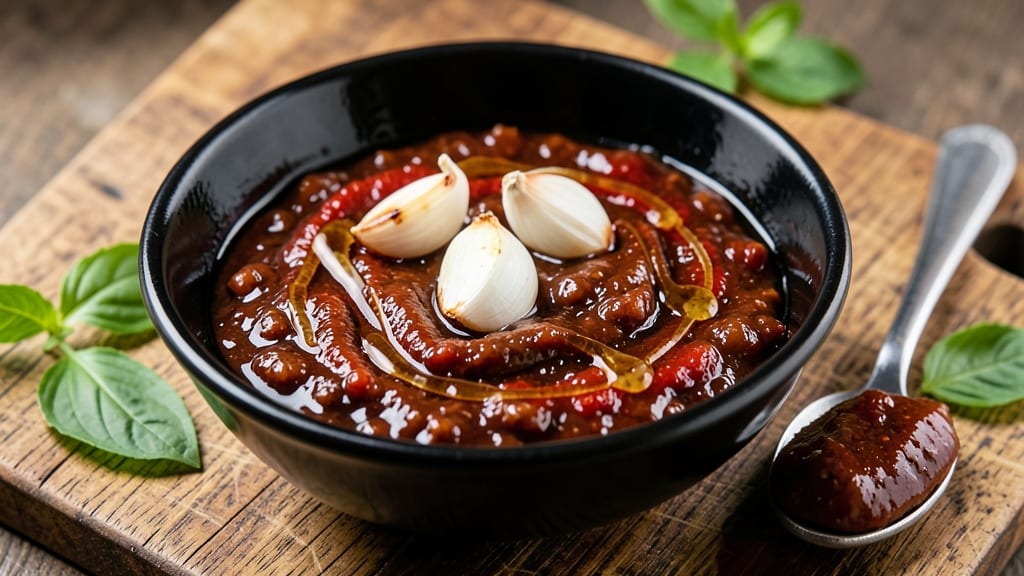
This Asian hot wing sauce recipe transforms ordinary wings into a fiery, sweet sensation that rivals your favorite Asian carryout. The secret lies in fermented bean paste—a bold umami base that gives it depth and complexity beyond basic hot sauces.
With just 10 minutes of prep and 15 minutes of simmering, you'll create a sauce that's sticky, spicy, and packed with layers of flavor.
The magic starts with a balance of heat and sweetness: chili paste for intensity, honey for caramelized depth, and a touch of soy sauce for that signature umami kick. Garlic and ginger infuse the sauce with aromatic warmth, while a splash of rice vinegar brightens the finish.
This isn't just another hot sauce—it's a fermented, umami-rich condiment that elevates wings, noodles, or even grilled meats to restaurant-quality levels.
What you'll end up with is a glossy, clingy sauce that clings to every bite, delivering waves of spicy heat followed by sweet, savory satisfaction.
The fermented bean paste creates a complexity you won't find in store-bought versions, while the caramelized honey adds a subtle stickiness that makes each bite irresistible.
Best of all, it keeps for up to 3 weeks in the fridge, so you can make a big batch and enjoy it all week.
Perfect for spicy food lovers who crave depth, this sauce is simple to make but impossible to replicate with bottled alternatives. Let's get cooking—your taste buds will thank you.
Ingredients for asian hot wing sauce
Nine bold ingredients that transform ordinary wings into restaurant-quality spicy-sweet magic.
| Ingredient | Amount | Notes |
|---|---|---|
| Fermented Bean Paste 🌶️ | ½ cup | Asian chili bean paste preferred |
| Red Chili Paste 🌶️ | ¼ cup | Thai or Vietnamese style works best |
| Honey 🍯 | ⅓ cup | Light or dark amber preferred |
| Light Soy Sauce 🥢 | ¼ cup | Kikkoman or similar |
| Rice Vinegar 🍶 | 0.16 cup | White or seasoned variety |
| Garlic Cloves 🧄 | 6 cloves | Fresh, minced or grated |
| Fresh Ginger 🌿 | ½ cup | Finely grated, peeled |
| Sesame Oil 🫒 | 1 tbsp | Toasted sesame oil preferred |
| Water 💧 | ½ cup | For thinning consistency |
| Salt 🧂 | ½ tsp | Kosher or sea salt |
The fermented bean paste is non-negotiable here—it's what gives this sauce that signature umami depth. Thai or Vietnamese chili bean paste from Asian markets is ideal, but the red chili paste you find in the international aisle at Walmart or Target works too. Look for paste that's thick and vibrant, not watery or separated. The honey should be amber—not the super-cheap white kind. Local honey adds subtle floral notes, but any light amber will do. Fresh ginger and garlic are a must; don't use powdered. The ginger should smell bright and zesty, not musty.
No fermented bean paste? Double the chili paste and add 1 tbsp of soy sauce for umami. Short on honey? Maple syrup works in a pinch, though it's less caramelized. The rice vinegar can be swapped for apple cider vinegar, but it'll taste slightly different. Sesame oil is optional but adds that signature nutty aroma—toasted sesame oil is best, but regular will work. If your sauce is too thick, add water 1 tbsp at a time. Too thin? Simmer longer to reduce. The salt is just for balance—taste as you go.
This sauce gets better with age—3-5 days in the fridge lets flavors meld beautifully. Store in a sealed jar in the fridge for up to 3 weeks. For leftovers, thin with a splash of water or vinegar if it thickens. Freezing isn't recommended—it breaks down the texture. Make a double batch; you'll want it on everything. Trust me, you'll be dipping fries and grilled meats in this stuff before you know it.
Why You'll Love This Recipe
- Five-Ingredient Magic: I swear by this combo—fermented bean paste and red chili paste do all the heavy lifting while honey cuts through the heat. No fancy techniques, just stir and taste.
- Sweet-Spicy Balance: That honey-soy glaze? It’s the secret weapon—sticky, tangy, and just enough heat to make wings irresistible. (Yes, even my picky husband asks for seconds.)
- Game for Any Occasion: Drizzle it on wings for game day, toss it in stir-fries for weeknights, or even slather it on rice bowls. Honestly, I’ve used it in three different meals this week.
- Makes Leftovers Worth It: A batch keeps for weeks in the fridge—perfect for when I’m too tired to cook. The flavors actually deepen over time, so it’s never wasted.
Step-by-step instructions for Asian hot wings sauce
This sauce delivers bold, balanced heat with a perfect sweet-spicy kick every time.
Combine Wet Ingredients in a Saucepan
In a medium saucepan, pour in all 0.5 cup fermented bean paste, 0.25 cup red chili paste, 0.33 cup honey, 0.25 cup light soy sauce, and 0.16 cup rice vinegar. I like to use a saucepan with a lid because we'll be simmering this mixture, and the lid helps concentrate the flavors more efficiently.
Place the saucepan over medium-low heat and stir constantly with a wooden spoon. You'll notice the mixture starts to bubble gently and thicken almost immediately. This is where the magic happens—the fermented bean paste and chili paste begin to mingle with the sweet honey and tangy vinegar, creating that signature umami depth. Let it simmer for 5-7 minutes until it begins to thicken slightly and smells deeply aromatic.
Add Aromatics and Toast Lightly
While the mixture simmers, add the 6 cloves minced garlic and 0.5 cup finely grated fresh ginger. Stir well to distribute the aromatics evenly. Here's the thing—you want to let these ingredients infuse the sauce for about 2-3 minutes without letting them burn. The garlic should become fragrant but not brown, and the ginger should release its bright, zesty notes.
After 2 minutes, add 1 tablespoon toasted sesame oil and stir again. The sesame oil adds a nutty depth that ties everything together. Watch the sauce carefully—it should be bubbling gently but not boiling vigorously. If it starts to boil too hard, reduce the heat slightly. This step ensures your sauce has that authentic Asian restaurant flavor profile without any bitterness.
Thin and Season to Perfection
Once the aromatics are fully incorporated, pour in 0.5 cup water and add 0.5 teaspoon salt. Stir well to combine, then increase the heat to medium-high to bring the sauce to a gentle boil. Let it boil for 3-4 minutes to help the flavors meld completely and the sauce reach the right consistency.
Taste the sauce at this point—it should be boldly spicy with a sweet counterbalance, and the salt should enhance all the flavors without overpowering. If it needs more heat, add a pinch more salt or a splash of rice vinegar. If it's too thick, add a little more water 1 tablespoon at a time until it reaches a glossy, pourable consistency that still clings nicely to wings.
Cool and Adjust Before Using
Remove the saucepan from heat and let the sauce cool for 10 minutes. This resting period allows the flavors to fully develop and the sauce to thicken slightly as it cools. I know it's tempting to use it immediately, but patience here makes a big difference in the final result.
Once cooled, give the sauce one final taste and adjust the seasoning if needed. The perfect balance should have a bold spicy kick from the fermented bean and chili pastes, a sweet caramel note from the honey, and a tangy brightness from the rice vinegar. The sesame oil adds that final nutty layer that makes it truly special. Now it's ready to transform your wings into something extraordinary!
Pro Tips For Making Asian Hot Wing Sauce
- Simmer Slowly: Start with a low flame and let the fermented bean paste and red chili paste cook for at least 5 minutes—this breaks down their raw flavors and prevents a bitter aftertaste. I used to rush this, and the sauce always tasted sharp and unfinished.
- Bloom the Chili Paste: Heat the red chili paste in a dry pan for 30 seconds before adding any liquid—this releases its oils and deepens the heat. After burning a batch where the chili paste just sat there like a thick paste, I realized this step makes the sauce sing.
- Balance the Sweet-Sour: Add the honey and rice vinegar gradually, tasting as you go—too much vinegar makes it tart, too much honey turns it cloying. I keep a small bowl of plain yogurt nearby to cool my tongue between adjustments.
- Strain for Smoothness: If you want a silky sauce, strain it through a fine-mesh sieve after simmering—this catches any chunky bits from the fermented bean paste. It’s an extra step, but your wings will glisten and coat better without grittiness.
Common mistakes when making this recipe
Overcooking the Aromatics
I’ve seen this happen more times than I can count—adding garlic and ginger too early and letting them burn before the other ingredients are ready.
The moment those aromatics turn brown, they release bitter compounds that ruin the sauce’s delicate balance. Wait until the base mixture is simmering gently before adding them, and keep heat at medium-low. Burnt garlic and ginger are a one-way ticket to a sauce that tastes like regret. 🔥
Skipping the Resting Time
This is a rookie mistake that makes all the difference. Rushing to use the sauce immediately means the flavors haven’t fully melded, and the texture might be too thin or inconsistent.
Let it cool for 10-15 minutes—this resting period lets the sauce thicken naturally and deepens the umami. Trust me, that extra patience pays off in every bite.
Using Low-Quality Ingredients
Not all fermented bean pastes or chili pastes are created equal. Cheap, watery, or overly processed versions will make your sauce taste flat and one-dimensional. Invest in a high-quality Asian chili bean paste from a specialty store or well-stocked supermarket.
The same goes for honey—avoid the ultra-cheap white kind. Amber honey adds caramelized depth that budget brands can’t match.
Ignoring the Water Balance
Some recipes call for adding water at the end, but the truth is, you might need to adjust it during cooking. If your sauce is too thick, adding water too late can make it watery when you finally use it.
Thin it gradually with 1 tablespoon at a time while simmering, and taste as you go. The goal is a glossy, clingy consistency—not a runny mess.
Over-Salting at the Start
It’s easy to overdo the salt when you’re excited, but this sauce is already packed with umami from the fermented bean paste and soy sauce. Start with just ½ teaspoon and taste before adding more.
You can always adjust later, but you can’t take salt out once it’s in. I’ve had to start over more times than I’d like to admit because of this one.
Not Tasting Along the Way
This is the biggest mistake of all. Many people follow the recipe blindly and end up with a sauce that’s either too sweet, too spicy, or just plain off. Taste at every critical step—after simmering the base, after adding aromatics, and before serving.
Adjust as needed with a pinch of salt, a splash of vinegar, or even a drizzle of honey. Your taste buds are your best tool in the kitchen. 💡
Nutrition facts
Frequently asked questions
Can I make this sauce without fermented bean paste?
Yes, but the flavor will be less complex. Replace 0.5 cup fermented bean paste with 0.25 cup red chili paste + 1 tbsp soy sauce for umami. The sauce will still be spicy and sweet, but it'll lack the deep, funky richness that makes this recipe special.
How spicy will this sauce be?
The heat level depends on your chili paste choice. Thai or Vietnamese chili pastes deliver medium-high heat (like 4-5 on a 1-10 scale), while Korean gochujang adds more intensity. For milder sauce, reduce chili paste to 0.125 cup and add 1 tbsp honey. Always taste as you go!
Can I use this sauce for other foods besides wings?
This versatile sauce works on grilled meats, fried rice, noodles, or even as a marinade. For vegetables, reduce the chili paste slightly (0.125 cup) to avoid overwhelming delicate flavors. It's also amazing on tofu or spring rolls.
Why does my sauce look too thin?
Sauce consistency changes as it cools. If it's too thin while warm, simmer uncovered for 2-3 extra minutes to reduce. For immediate thickening, mix 1 tsp cornstarch with 1 tbsp water, stir into sauce, and cook for 1 minute. Never thicken with flour—it can make the sauce cloudy.
How long does this sauce keep?
Store in an airtight container in the fridge for up to 3 weeks. The flavors actually improve after 3-5 days as ingredients meld. For longer storage, freeze in ice cube trays (thaw in microwave) or small portions. Never freeze with metal utensils—they can cause ice crystals.