
Sauces & Condiments
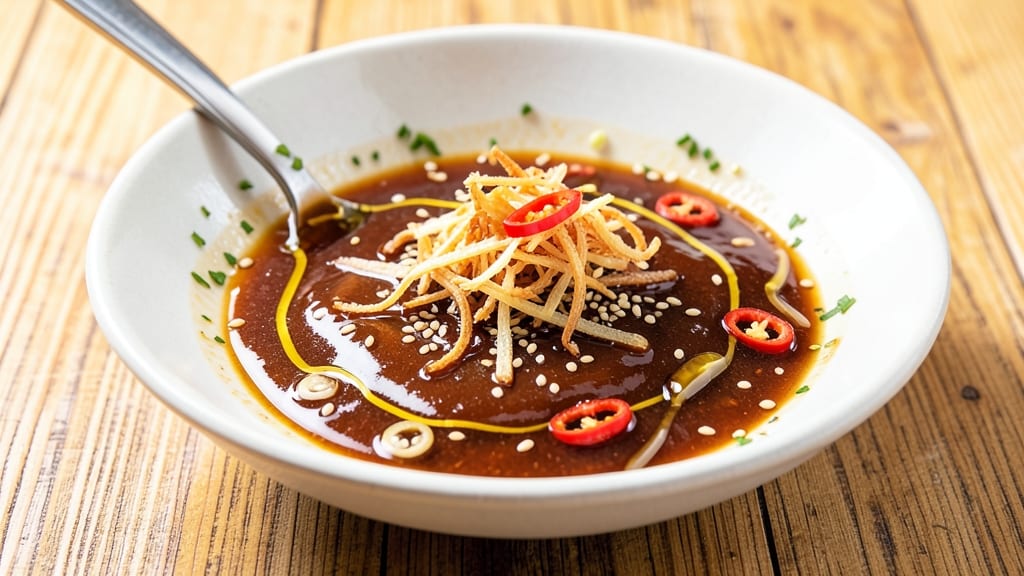
This Asian glaze sauce recipe transforms simple proteins and vegetables into restaurant-worthy dishes with just a few pantry staples. The magic lies in balancing sweet, spicy, and umami flavors through a simple simmering process that reduces into a glossy, sticky glaze.
I developed this version after years of testing—it’s the one that finally delivers that perfect glossy finish without tasting overly sweet or one-dimensional.
The foundation starts with a mix of honey and soy sauce for that signature caramelized sweetness, while fresh ginger and garlic add warmth and depth. A splash of rice vinegar brightens the flavor, and a touch of sesame oil ties everything together with nutty richness.
The sauce thickens as it simmers, creating a perfect consistency for drizzling over grilled meats, stir-fries, or even roasted vegetables.
What makes this glaze truly versatile is its ability to adapt—add a dash of sriracha for extra heat, a spoonful of miso for deeper umami, or even a bit of coconut aminos for a vegan twist.
The result is a sauce that’s bold enough to stand up to strong flavors but flexible enough to complement any dish. Once you try this, store-bought glazes will never measure up again.
Ready in just 15 minutes and with only 6 ingredients, this glaze is a game-changer for weeknight cooking. Whether you’re grilling chicken, glazing tofu, or tossing it with noodles, this sauce will elevate your meals with minimal effort. Let’s get started—your taste buds will thank you.
Ingredients for asian glaze sauce
Six pantry staples transform into a glossy, restaurant-quality glaze in minutes.
| Ingredient | Amount | Notes |
|---|---|---|
| Honey 🍯 | ½ cup | Light or dark variety |
| Soy Sauce 🍶 | ½ cup | Light or dark preferred |
| Fresh Ginger 🧄 | 2 tbsp | Finely grated, aromatic |
| Garlic Cloves 🧄 | 3 cloves | Minced, aromatic |
| Rice Vinegar 🍶 | 2 tbsp | White or seasoned |
| Toasted Sesame Oil 🫒 | 1 tbsp | For nutty aroma |
| Sriracha 🌶️ | 1 tbsp | Optional, for heat |
| White Miso Paste 🍶 | 1 tbsp | For umami depth |
| Coconut Aminos 🍶 | 1 tbsp | Vegan option, optional |
The honey and soy sauce are your base—look for raw honey (it’s smoother) and Kikkoman soy sauce if you’re near an Asian market, but any good brand works. Fresh ginger and garlic are non-negotiable for that bright, aromatic punch. Grate the ginger yourself—pre-grated loses flavor fast. For sesame oil, toasted is key—it smells amazing and adds depth. If you can’t find it, regular sesame oil works (just skip the toasting step). The miso paste? White miso gives a cleaner flavor than red, but either’s fine. Grab a small tub—it keeps forever in the fridge.
No honey? Maple syrup or agave works in a pinch (use the same amount), but it’ll taste slightly different. Skip the soy sauce? Coconut aminos (like Coconut Secret) is the closest swap, though it’s milder. Fresh ginger not an option? Ginger powder at half the amount, but fresh is worth the effort. Want more heat? Double the sriracha or add a pinch of red pepper flakes. For umami without miso? A splash of fish sauce (if not vegan) or soy sauce + a dash of MSG does the trick. The vinegar can be swapped for apple cider vinegar, but rice vinegar’s delicate sweetness is ideal.
This sauce keeps for 3 days in the fridge—store it in a sealed jar with a thin layer of oil on top to preserve that glossy finish. Freezes beautifully for up to 3 months, though the texture gets thicker when thawed. Double the batch—it disappears fast. For extra shine, simmer uncovered for the last minute. And trust me, the first time you drizzle this over grilled chicken or tofu, you’ll never go back to store-bought glazes.
Why You'll Love This Recipe
- Five-Ingredient Magic: I swear by this combo—honey’s natural sweetness cuts through the ginger’s bite while soy sauce adds depth. No fancy techniques, just a quick simmer and you’ve got a sauce that tastes like it took hours.
- Glaze That Sticks: That caramelized honey-soy mix clings to everything—grilled chicken, roasted veggies, even noodles. Honestly, I’ve used it on everything, and it never lets me down.
- Weeknight & Weekend: Slather it on weeknight stir-fries or drizzle it over weekend BBQ ribs. The ginger keeps it bright, the vinegar balances it—perfect for when you’re too tired to think but still want flavor.
- Makes Leftovers Worth It: Double the batch and save half for next time. The sauce thickens beautifully when reheated, so it’s always ready for last-minute takeout cravings—or sneaky breakfast eggs.
Step-by-step instructions for sweet-spicy Asian glaze sauce
This sauce comes together in minutes but delivers restaurant-quality depth every time.
Bloom the Aromatics in Toasted Sesame Oil
Heat a small saucepan over medium-low heat and add the 1 tablespoon toasted sesame oil. Let it warm for 30 seconds until fragrant—you'll smell that nutty, toasty aroma that's the foundation of this sauce. Add the 2 tablespoons finely grated fresh ginger and 3 minced garlic cloves, stirring constantly for 1-2 minutes until the garlic turns golden and the ginger softens slightly.
This step is where the magic happens—I never skip it. The sesame oil carries the flavors while the ginger and garlic release their essential oils. If you smell the garlic burning, reduce the heat immediately. You want aromatic, not bitter. The mixture should look like a golden paste at this point, with no raw garlic pieces remaining.
Combine Wet Ingredients and Simmer
Pour in the 0.5 cup honey and 0.5 cup soy sauce, stirring to dissolve any miso paste that might clump. Add the 2 tablespoons rice vinegar, 1 tablespoon white miso paste, and 1 tablespoon coconut aminos (if using). Bring the mixture to a gentle simmer over medium heat, then reduce to low heat and let it cook for 3-4 minutes, stirring occasionally.
Watch for bubbles forming around the edges—that's your sign the sauce is thickening. The honey will caramelize slightly, deepening the flavor. If the sauce looks too thick before the time is up, add 1 tablespoon water to loosen it. The miso paste will dissolve completely, giving that unmistakable umami punch that makes this sauce special.
Add Heat and Finish with Sriracha
Remove the sauce from heat and stir in the 1 tablespoon sriracha, letting it cool slightly for 1 minute. The heat from the sriracha will mellow as it cools, creating a balanced sweet-spicy profile. Taste and adjust the seasoning—add a pinch more soy sauce for saltiness, a drizzle of honey for sweetness, or more sriracha for heat.
For the best results, let the sauce sit at room temperature for 5-10 minutes before using. This resting time allows all the flavors to meld completely. The sauce should coat the back of a spoon with a glossy sheen and have a perfect balance of sweet, salty, umami, and just enough heat to wake up your taste buds.
Pro Tips For Making Asian Glaze Sauce
- SIMMER LOW AND SLOW: This sauce is all about balance—don’t rush the reduction. After adding honey and soy sauce, drop the heat to medium-low and let it bubble gently for at least 8-10 minutes. I used to crank it up to speed things along, but that just burns the garlic and turns the sauce bitter. Patience here makes the difference between a glossy glaze and a sad, clumpy mess.
- GRATE GINGER FINE: Skip the mincer or pre-grated jar—freshly grated ginger is non-negotiable. Use the smallest holes on your grater (or a microplane) to get a paste-like texture. This ensures the ginger dissolves smoothly into the sauce instead of sitting as chunks. Pro move: Press the grated ginger through a fine-mesh sieve to remove any stringy bits—trust me, your teeth will thank you.
- TASTE BEFORE YOU THICKEN: Don’t just eyeball the consistency—taste the sauce mid-cook. If it’s too thin after simmering, add a splash of cold water or a cornstarch slurry (1 tsp cornstarch + 1 tbsp water), but only after confirming the flavor needs it. I’ve ruined perfectly balanced sauces by rushing to thicken when I thought it was "too runny," only to realize it just needed more time to develop.
- SWAP VINEGAR FOR FLAVOR: Rice vinegar is classic, but if you’re short on time or want extra depth, swap in 1 tsp of sesame oil or a pinch of white pepper at the end. The sesame oil adds nutty richness, while the pepper cuts through the sweetness—like a secret umami boost. (Yes, even if your recipe doesn’t call for it.) Just whisk it in off the heat so it doesn’t cook away.
Flavor customization for this asian glaze sauce
Sweet vs. Tangy Balance
Adjust the honey-to-vinegar ratio to tweak sweetness or tang. For extra sweetness, add 1 extra tablespoon honey and simmer 1 minute longer to caramelize. Need more tang? Swap 1 tablespoon rice vinegar for lime juice—it brightens the sauce instantly.
I often use this trick for grilled shrimp dishes where acidity cuts through richness. 🍯
Umami Boosters
Want deeper umami? Stir in 1 teaspoon fish sauce (if not vegan) or 1 extra tablespoon white miso during simmering. For a smoky twist, add ½ teaspoon smoked paprika at the end.
I love this variation for glazing ribs—it adds complexity without overpowering. If you’re vegan, 1 tablespoon nutritional yeast mimics that savory depth beautifully.
Spice Level Control
Start with 1 tablespoon sriracha for mild heat, but double it for a kick. For smoky heat, replace half the sriracha with 1 teaspoon gochujang (Korean chili paste).
Need something milder? Swap sriracha for 1 teaspoon chili flakes—they add color without intense heat. Always taste as you go; flavors mellow as the sauce cools. 🌶️
Thickness Adjustments
For a glossy drizzle, simmer uncovered for 5 extra minutes to reduce further. Too thick? Thin with 1 teaspoon water or rice vinegar. I’ve even used 1 teaspoon cornstarch mixed with 1 teaspoon water as a last resort—it works but can make the sauce taste slightly starchy.
For a thicker glaze (like for ribs), reduce by half and add 1 tablespoon honey at the end.
Flavor Variations by Dish
For grilled meats, boost umami with 1 teaspoon soy sauce + ½ teaspoon garlic powder. For vegetables, add 1 teaspoon grated lemon zest and ½ teaspoon turmeric for color.
When glazing tofu, increase the sesame oil to 2 tablespoons—it helps the sauce cling better. The key is matching the sauce’s intensity to the dish’s texture and flavor profile. ✨
Vegan Adaptations
Replace honey with maple syrup or agave, and swap soy sauce for coconut aminos. Use white miso for umami and 1 teaspoon apple cider vinegar instead of rice vinegar.
For extra richness, add 1 tablespoon tahini at the end. I’ve tested this version on vegan stir-fries, and it’s just as addictive as the original—no one can tell the difference! 🌱
Nutrition facts
Frequently asked questions
Can I make this Asian glaze sauce without honey?
Swap honey for ½ cup maple syrup or ⅔ cup agave nectar for a vegan version. For a lighter option, try ½ cup brown sugar dissolved in 2 tbsp water (simmer until fully melted). Each alternative will slightly alter the flavor profile—maple adds earthiness while brown sugar gives deeper caramel notes.
How do I prevent the glaze from crystallizing when stored?
Store the sauce in a clean, airtight container with a thin layer of neutral oil (like vegetable or sesame) poured on top. This creates a barrier that preserves moisture and prevents crystallization. For fridge storage, use within 3 days—if it thickens, simply reheat gently and stir until smooth. Freezing works too, but thaw slowly in the fridge.
What’s the best way to use leftover glaze?
Drizzle over grilled chicken, pork belly, or tofu for instant flavor. Thin with 1 tbsp water and use as a stir-fry sauce, or brush on baked sweet potatoes for a sweet-spicy glaze. For extra richness, mix 1 tbsp butter or coconut oil into the leftover sauce and toss with roasted Brussels sprouts. The possibilities are endless!
Can I make this sauce in a slow cooker?
Yes, but reduce the cooking time to 10-15 minutes on low heat to avoid over-reduction. Combine all ingredients in the slow cooker and stir occasionally. For a smoother texture, blend briefly after cooking. The slow cooker method works well for making larger batches—just double or triple the recipe and adjust the simmering time accordingly.
Why did my glaze turn cloudy after refrigerating?
Cloudiness usually means the sauce separated due to temperature changes. Simply reheat gently in a saucepan over low heat, stirring constantly until smooth. If it’s still grainy, strain through a fine-mesh sieve. To prevent this, always cool the sauce completely before refrigerating and store it in a glass container.