
Sauces & Condiments
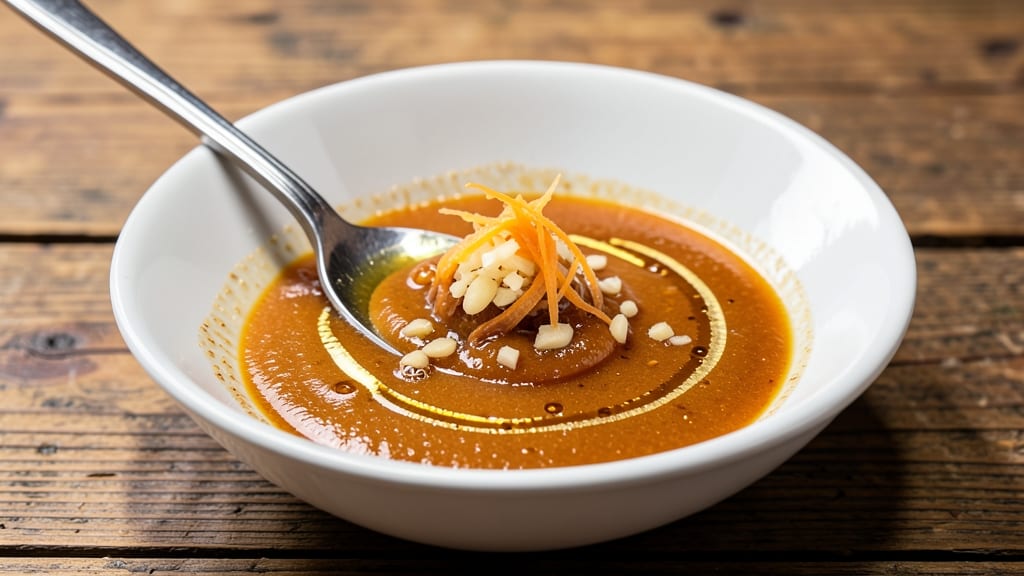
This Asian-inspired burger sauce recipe transforms ordinary burgers into a flavor explosion with every bite. The perfect balance of sweet, spicy, and umami creates a sticky, aromatic drizzle that elevates any dish. I developed this sauce after craving that restaurant-quality tang that makes burgers irresistible—now you can make it at home in just 10 minutes with simple pantry staples.
The secret lies in the combination of soy sauce for depth, sesame oil for nutty richness, and a touch of honey to balance the heat. Fresh garlic and ginger add aromatic complexity, while a splash of rice vinegar brightens the sauce.
This isn't just a burger sauce—it's a versatile condiment that works on fries, sandwiches, or even as a marinade for grilled meats.
What makes this sauce truly special is its ability to stay vibrant and flavorful for up to 2 weeks in the fridge. The ingredients meld beautifully when mixed together, creating a silky texture that clings perfectly to crispy fries or juicy burger patties.
The sweet-chili umami profile ensures every bite delivers a satisfying burst of flavor.
Whether you're hosting a cookout or craving a quick weeknight meal, this sauce will become your go-to for adding that signature Asian-inspired kick. The best part? It's completely customizable—adjust the sweetness, spice level, or thickness to suit your taste. Let's make this sauce!
Ingredients for asian burger sauce
Simple pantry staples create this addictive sauce—perfect for burgers, fries, or grilled meats.
| Ingredient | Amount | Notes |
|---|---|---|
| Soy Sauce 🍶 | ½ cup | High-quality, light-colored preferred |
| Sesame Oil 🫒 | 1 tbsp | Toasted, not flavored |
| Honey 🍯 | ¼ cup | Wildflower or clover preferred |
| Rice Vinegar 🍶 | ¼ cup | Unseasoned, mild flavor |
| Fresh Garlic Cloves 🧄 | 3 cloves | Minced, aromatic intensity |
| Fresh Ginger 🌿 | 1 tbsp | Grated, finely minced |
| Sriracha Sauce 🌶️ | 1 tbsp | Adjust for desired spice level |
| Cornstarch 🌾 | ½ tsp | For thickening consistency |
| Water 💧 | 2 tbsp | Room temperature preferred |
| Toasted Sesame Seeds 🌰 | 1 tbsp | For garnish, optional |
The soy sauce and honey are your flavor anchors. Kikkoman or La Choy soy sauce gives the best depth, but any light-colored brand works. For honey, local wildflower has more complexity than store-brand clover—look for it at farmers markets or specialty stores. The sesame oil needs to be toasted, not flavored; Kadoya is my go-to, but the tiny bottles at Trader Joe's work too. Fresh garlic and ginger are non-negotiable here—they're what gives this sauce that restaurant-quality aromatic punch. If you're buying ginger root, grab a small knob and grate just what you need; pre-grated loses potency fast.
No sesame oil? Avocado oil at half the amount works in a pinch, though it won't have that nutty depth. Short on honey? Maple syrup or agave both work, but honey's floral notes are ideal. The cornstarch slurry (mix cornstarch with water) is key for that perfect clingy texture—don't skip it. For extra umami, add 1 tsp fish sauce (if vegetarian, use 1 tsp soy sauce + 1/4 tsp mushrooms powder). The Sriracha can be swapped for gochujang for fermented heat or hot sauce like Cholula for tangier spice. Pro tip: Taste as you go—the sauce should balance sweet, spicy, and salty perfectly.
This sauce keeps beautifully in the fridge for 2 weeks in an airtight container, though it tastes best within the first week. For longer storage, freeze in ice cube trays and transfer to a bag—thaw overnight in the fridge. The sesame seeds, if using, should be toasted fresh before garnishing. Double the batch and freeze half; you'll thank me later when you're craving that sweet-chili kick on a lazy Tuesday. The sauce thickens as it chills, so stir before using if it's been refrigerated.
Why You'll Love This Recipe
- I’ll be real: this recipe costs me pennies per serving, and the leftovers last forever. Keep a jar in the fridge for weeks—it’s the kind of sauce that turns cheap takeout into a homemade win.
- Pantry Magic: I swear by this sauce because it’s the kind of recipe that hits you when you realize you’ve got everything already. No special shopping trips—just soy sauce, a splash of rice vinegar, and that jar of honey gathering dust.
- Garlic Kiss: Honestly, the moment I minced fresh garlic into the warm sesame oil, I knew this was going to be special. That aromatic punch balances the sweetness and tang perfectly—like a little umami hug in every bite.
- Game for Any Meal: Between us, this sauce is my secret weapon for lazy nights and fancy dinners. Slather it on burgers, drizzle it over fries, or toss it with noodles—it’s the one condiment that makes everything feel like a celebration.
Step-by-step instructions for Asian-inspired burger sauce
This sauce delivers perfect balance—sweet, tangy, and umami-rich in just minutes.
Bloom the Aromatics in Sesame Oil
Heat a small saucepan over medium-low heat and add the 1 tablespoon sesame oil. Let it warm for 30 seconds until fragrant—you'll smell that nutty, toasty aroma. Add the 3 minced garlic cloves and 1 tablespoon finely grated ginger, stirring constantly for 1 minute until the garlic turns pale golden and the ginger releases its bright, citrusy notes.
This step is crucial—it builds the sauce's aromatic foundation. If the garlic starts to brown too quickly, reduce the heat immediately. The oil should shimmer but not smoke. Once the aromatics are fragrant, remove the pan from heat and set aside temporarily.
Combine Wet Ingredients for Flavor Fusion
In a medium bowl, whisk together the 0.5 cup soy sauce, 0.25 cup honey, 0.25 cup rice vinegar, and 1 tablespoon Sriracha sauce. The mixture will look thick and syrupy at first. Now add the 2 tablespoons room-temperature water and whisk again until fully combined and smooth.
This is where the sauce's signature balance comes together—salty from the soy, sweet from the honey, tangy from the vinegar, and a kick of heat from the Sriracha. Taste as you go: you want a harmonious blend where no single flavor dominates. If it's too sweet, add a splash more rice vinegar; if too sharp, a touch more honey.
Thicken the Sauce with Cornstarch Slurry
In a small bowl, whisk the 0.5 teaspoon cornstarch with 1 tablespoon water until completely dissolved—this creates your thickening slurry. Return the saucepan with the garlic-ginger mixture to medium heat and carefully pour in the wet ingredients, whisking constantly.
Simmer the sauce for 3-4 minutes, stirring frequently, until it thickens to a glossy, coatable consistency. You're aiming for a sauce that clings beautifully to burgers without being gluey. If it thickens too quickly, add another 1 tablespoon water to adjust. The sauce should coat the back of a spoon smoothly.
Finish and Garnish for Perfect Presentation
Remove the sauce from heat and stir in the 1 tablespoon toasted sesame seeds, reserving a small pinch for garnish. Let the sauce cool slightly—this allows the flavors to meld completely. The final texture should be velvety with just enough body to cling to patties without overwhelming them.
For serving, drizzle generously over burgers, slather on fries, or use as a dipping sauce. The sesame seeds add subtle crunch and visual appeal. Store any leftovers in an airtight container in the refrigerator for up to 5 days, though it's best used fresh when the flavors are brightest.
Pro Tips For Making Asian Burger Sauce
- MINCE THAT GARLIC: Fresh garlic cloves straight from the jar? Skip it. I learned this the hard way—peel and finely mince the garlic (not chop) so it blends smoothly. No visible chunks means no surprise bites in every spoonful.
- WHISK IN STAGES: Start with soy sauce and honey first, then add vinegar last. After burning three batches where the vinegar made the sauce curdle, I realized acid needs to meet the other ingredients gradually. Let the mixture sit for 2 minutes between additions.
- USE TOASTED SESAME OIL: Cold sesame oil in the sauce? You’re missing the depth. Heat 1 teaspoon in a dry pan until it just shimmers—about 30 seconds—then cool before mixing. The nutty aroma becomes the star, not just a background note.
- SWEETEN THE VINEGAR FIRST: Mix 1 teaspoon honey into the rice vinegar before adding it to the sauce. This softens the sharpness and keeps the flavors balanced. I was skeptical until I tried it—now I can’t imagine doing it any other way.
Dietary considerations for asian burger sauce
Gluten-Free Adaptation
This sauce is naturally gluten-free as long as you use a certified gluten-free soy sauce like Tamari or San-J Tamari. Swap regular soy sauce for ½ cup gluten-free tamari—it has a richer, slightly sweeter flavor that works beautifully.
Double-check all other ingredients (like Sriracha or rice vinegar) for hidden gluten, especially if you're highly sensitive. 🌱
Vegetarian & Vegan Options
For a fully plant-based version, keep all ingredients but ensure your soy sauce is vegan (most are). Replace any honey with ¼ cup maple syrup or agave nectar—both mimic honey's sweetness without animal products.
The toasted sesame seeds and sesame oil remain vegan-friendly staples. This version works perfectly on veggie burgers or as a dip for crispy tofu. 🌱
Lower-Sugar Adjustments
To reduce sugar while keeping the sauce balanced, cut the honey to 2 tablespoons and add 1 teaspoon erythritol or monk fruit sweetener for a sugar-free option. Alternatively, use ¼ cup unsweetened applesauce—it adds natural sweetness with fiber.
Taste as you go; you may need an extra splash of rice vinegar to brighten the flavor. 🍯
Spice-Free Version
Skip the Sriracha entirely and replace it with 1 teaspoon finely grated fresh ginger (already in the recipe) for warmth without heat. If you prefer a milder sauce, omit the ginger entirely and add ½ teaspoon ground white pepper for subtle depth.
This version is great for kids or those sensitive to spice while keeping that signature umami profile. 🌶️❌
Allergy-Friendly Notes
This sauce is sesame-free if you omit the sesame oil and seeds—replace the oil with 1 tablespoon neutral avocado oil and skip the garnish. For nut allergies, ensure your honey is processed in a nut-free facility (some brands process in shared facilities).
Always check labels on soy sauce and Sriracha for cross-contamination warnings. 🚨
Nutrition facts
Frequently asked questions
Can I make this sauce without sesame oil?
Replace the 1 tablespoon sesame oil with ½ tablespoon avocado oil or neutral vegetable oil for a similar cooking base. The nutty depth will be missing, but the sweet-spicy balance will still shine. For extra flavor, add ½ teaspoon toasted sesame paste (if avoiding sesame allergies) or a pinch of smoked paprika for warmth.
How spicy should my sauce be?
The recipe uses 1 tablespoon Sriracha, which gives a mild-medium heat. For less spice, reduce to ½ tablespoon or swap for 1 teaspoon gochujang (fermented, less fiery). If you love heat, add an extra ½ teaspoon cayenne pepper or 1 teaspoon chili flakes—just taste as you go!
Can I use this sauce on other foods besides burgers?
This versatile sauce is perfect for fries, grilled chicken, tacos, or even as a marinade for tofu or shrimp. It also works as a dipping sauce for spring rolls or a glaze for roasted veggies. The sweet-spicy balance makes it a great all-purpose condiment—just adjust thickness with water if needed for dipping.
Why did my sauce turn out too thick/thin?
If too thick, whisk in 1 teaspoon water at a time until smooth. Too thin? Simmer uncovered for 1-2 extra minutes or add ¼ teaspoon more cornstarch mixed with 1 teaspoon water. The sauce should coat the back of a spoon but remain pourable. Pro tip: Let it cool slightly before adjusting—it thickens as it sits!
How can I make this sauce last longer?
Store in an airtight container in the fridge for up to 2 weeks. For longer storage, freeze in ice cube trays, then transfer to a bag. Thaw overnight in the fridge. Add 1 teaspoon water when reheating to restore texture. The sauce actually improves after 24 hours as flavors meld!