
Sauces & Condiments
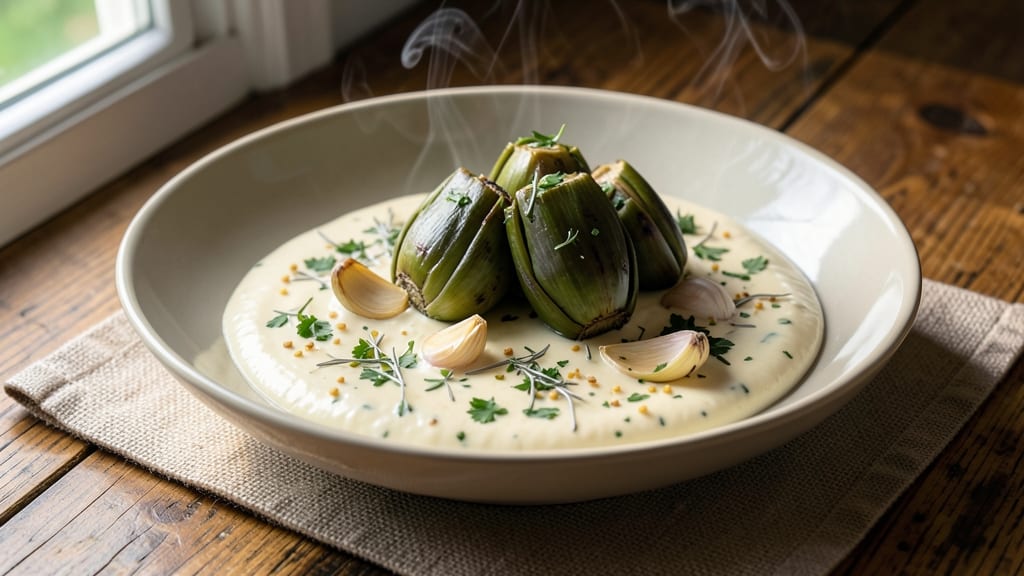
This artichoke cream sauce transforms humble ingredients into a velvety, herb-infused masterpiece that elevates any dish. The secret lies in blending tender artichoke hearts with rich cream and fresh herbs, creating a silky texture that clings beautifully to pasta, fish, or grilled meats.
I developed this recipe after years of perfecting the balance between tangy artichokes and creamy richness—no lumps, no bitterness, just pure comfort in every spoonful.
The process is simpler than it sounds: simmering artichokes with garlic and herbs, then blending until smooth before folding in cream for that signature luxurious finish. What sets this sauce apart is the optional celery crown crunch—lightly toasted celery seeds add a subtle, aromatic bite that cuts through the richness.
It’s the kind of sauce that makes weeknight dinners feel like a restaurant experience, without the fuss.
Perfect for drizzling over fettuccine, spooning onto roasted vegetables, or pairing with grilled chicken, this sauce keeps well in the fridge for up to 5 days. The flavors deepen over time, making it ideal for meal prep.
Whether you're a seasoned home cook or just starting out, this recipe delivers restaurant-quality results with minimal effort—just a few pantry staples and 20 minutes of active time.
For a vegan version, simply swap the cream for coconut milk or a cashew-based alternative, adjusting the seasoning to taste. The artichokes remain the star, but the flexibility of this sauce means it can adapt to any dietary preference without sacrificing flavor. Let’s get cooking!
Ingredients for artichoke cream sauce
Eleven ingredients blend artichoke tang with creamy luxury for a sauce that feels restaurant-worthy.
| Ingredient | Amount | Notes |
|---|---|---|
| Marinated Artichoke Hearts 🍃 | 1 cup | Drained, chopped into quarters |
| Heavy Cream 🥛 | 1 cup | Full-fat for optimal richness |
| Vegetable Broth 💧 | ½ cup | Low-sodium preferred |
| Fresh Garlic Cloves 🧄 | 3 cloves | Minced for aromatic depth |
| Fresh Parsley Leaves 🌿 | ⅓ cup | Chopped, stems removed |
| Fresh Tarragon Leaves 🌿 | ¼ cup | Chopped, optional but recommended |
| Celery Seeds 🌿 | 1 tsp | Toasted for celery crown crunch |
| Extra-Virgin Olive Oil 🫒 | 2 tbsp | High-quality, fruity variety |
| Lemon Juice 🍋 | 1 tbsp | Freshly squeezed |
| Diamond Crystal Kosher Salt 🧂 | ½ tsp | Adjust to taste |
| Freshly Ground Black Pepper 🌶️ | ¼ tsp | Cracked for subtle heat |
The artichoke hearts are the foundation—marinated ones from a jar work perfectly, but if you can find fresh (or even canned, drained well), the flavor depth improves dramatically. Whole Foods or specialty markets often carry high-quality marinated hearts in olive oil, which adds an extra layer of richness. Fresh parsley and tarragon should be vibrant green, not wilted—Trader Joe's bulk section is a great spot for affordable freshness. Celery seeds are key for that signature crunch; Penzeys carries them in bulk, or check the spice aisle at Williams Sonoma. Toast them lightly in a dry pan for 30 seconds before adding to the sauce—this amplifies their nutty aroma without overpowering the delicate artichoke flavor.
No heavy cream? Full-fat coconut milk creates a velvety vegan alternative, though the texture will be slightly lighter. Short on parsley? Fresh cilantro or basil at half the amount works, though tarragon's anise notes are irreplaceable. The celery seeds can be omitted entirely if you prefer a smoother sauce, but the toasted crunch is what makes this sauce stand out. For a tangier profile, add an extra ½ tablespoon of lemon juice. If using jarred artichokes packed in water, rinse thoroughly to remove excess sodium—low-sodium vegetable broth helps balance any residual saltiness. The olive oil should be extra-virgin; cheaper varieties can taste bitter and overpower the delicate herbs.
This sauce thickens as it cools, so blend it immediately after simmering for the smoothest consistency. Store in an airtight container with a thin layer of olive oil on top to preserve freshness and prevent a skin from forming. Keeps for 5 days in the fridge, though the flavors peak after 2-3 days—the artichokes soften further, and the celery seeds release more aroma. For longer storage, freeze in ice cube trays and transfer to a bag; thaw directly in the saucepan over low heat. The celery crown crunch dissipates after reheating, so reserve a ½ teaspoon of toasted seeds to sprinkle on top just before serving for that signature texture contrast.
Why You'll Love This Recipe
- No Chopping Needed: I swear by this—just drain and dice those marinated artichoke hearts (they’re pre-cooked, hallelujah), then toss them straight into the pot. The jarred hearts save me from peeling or trimming, and the garlic? Two cloves minced with a knife takes less time than waiting for a fancy garlic press.
- Creamy Yet Bold: That first bite of the sauce—where the artichokes’ briny punch meets the velvety heavy cream—is chef’s kiss. The vegetable broth keeps it rich without being heavy, and the parsley brightens it up like a fresh breath of air. Honestly, it’s the kind of flavor that makes you pause mid-bite.
- Weeknight to Dinner Party: This sauce is my secret weapon for pasta, grilled chicken, or even mashed potatoes. (Yes, I’ve done it.) For weeknights, it’s ready in 20 minutes; for company, drizzle it over seared scallops or roasted Brussels sprouts. The same jar of artichokes works for all of it.
- Leftovers That Don’t Suck: Between us, most creamy sauces turn gloppy by day two. Not this one—the artichokes hold their shape, and the cream stays silky if you reheat it gently. I make a double batch, freeze half, and pull it out for lazy Mondays. No sad, watery sauce here.
Step-by-step instructions for artichoke cream sauce
This velvety sauce combines artichoke hearts with rich cream and aromatic herbs for a refined finish.
Toast Celery Seeds for Crunchy Depth
Heat a small dry skillet over medium-low heat and add the 1 teaspoon celery seeds. Toast for 1-2 minutes until fragrant and lightly golden, stirring constantly. This step develops their nutty flavor and creates a subtle crunch that elevates the sauce.
Transfer the toasted seeds to a small bowl and set aside. The seeds will lose their raw bitterness and transform into delicate, aromatic accents that complement the creamy base. Don't let them burn—they'll become bitter and overpower the delicate flavors of the sauce.
Sauté Garlic in Olive Oil Until Fragrant
In a medium saucepan, heat the 2 tablespoons extra-virgin olive oil over medium heat until shimmering. Add the 3 cloves minced garlic cloves and sauté for 30-45 seconds until golden and fragrant—this prevents them from burning while extracting their full flavor.
Watch the garlic carefully as it transitions from pale to golden. Overcooking releases bitterness that can dominate the sauce. When the garlic smells heavenly and looks just barely golden, it's ready for the next step. The oil should be bubbling gently but not smoking.
Build the Sauce Base with Artichokes and Broth
Add the 1 cup chopped marinated artichoke hearts to the pan and cook for 2 minutes to warm through. Pour in the 0.5 cup vegetable broth and bring to a gentle simmer. Let it reduce by half—about 3-4 minutes—until the liquid clings to the artichokes.
This reduction step concentrates the flavors and creates a velvety texture. The artichokes should be tender but still hold their shape. If the mixture looks too dry, add a splash of broth, but aim for a thick, spoonable consistency that will blend seamlessly with the cream.
Incorporate Cream and Herbs for Velvety Texture
Reduce heat to low and gradually whisk in the 1 cup heavy cream, a little at a time, to prevent curdling. Stir in the 0.33 cup chopped parsley leaves and 0.25 cup chopped tarragon leaves, along with the 1 tablespoon lemon juice.
Simmer gently for 5-6 minutes until the sauce thickens slightly and coats the back of a spoon. The herbs should infuse the cream with their bright, herbal notes. Taste and adjust seasoning with the 0.5 teaspoon kosher salt and 0.25 teaspoon black pepper—the sauce should be rich but not overly salty.
Finish with Toasted Seeds and Rest Before Serving
Remove the sauce from heat and stir in the toasted celery seeds. Let it rest for 5 minutes to allow the flavors to meld. This final step ensures the seeds are evenly distributed and their crunch remains intact.
Serve immediately over pasta, grilled fish, or roasted vegetables. The sauce should be silky with just a hint of crunch from the celery seeds and a vibrant green swirl from the herbs. The artichokes should be tender but still visible, adding texture and earthy flavor to every bite.
Pro Tips For Making Artichoke Cream Sauce
- Drain and Pat Dry: Artichoke hearts come packed in marinade—skip the rinse and pat them thoroughly with a paper towel. Extra moisture in the pan means your sauce will split when you add the cream, and nobody wants curdled artichokes.
- Low and Slow for Cream: Bring the broth and garlic to a bare simmer before adding cream—not a rolling boil. Heavy cream scalds easily, and once it breaks, you’re starting over. Keep heat at a whisper and stir like you’re stirring a pot of gold.
- Chop Parsley Last: Fresh parsley burns faster than you’d think, especially when simmering. Toss in the whole leaves at the very end, then chop them right in the pan—this keeps their bright flavor and avoids a bitter aftertaste.
- Save Time with Frozen Garlic: Peeling fresh garlic is a pain, and minced frozen garlic works just as well here. Toss it straight into the broth—no chopping, no mess, and it infuses flavor just as deeply. (Yes, even if you’re skeptical.)
Make-ahead tips for this dish
Prep Ahead for Smooth Blending
Chop all your artichoke hearts, parsley, and tarragon the night before and store in an airtight container in the fridge. Pre-mincing the garlic and measuring out the celery seeds saves 10 minutes of active prep time.
I like to use a microplane for garlic—it's faster than a knife and yields finer, more aromatic pieces. 🌿
Broth Reduction Shortcut
Make the vegetable broth in advance and refrigerate it in 1-cup portions for quick access. When you're ready to cook, simply grab a pre-measured cup and heat it in the microwave for 1 minute before adding to the pan.
This ensures you won't be scrambling for ingredients mid-recipe. For extra flavor, use homemade broth—it adds depth that store-bought can't match.
Cream Sauce Storage Hacks
Let the sauce cool completely before storing in glass containers—plastic can absorb odors and affect texture. I like using Pyrex measuring cups with lids for portion control. The sauce thickens as it chills, so add 1-2 tablespoons of warm water when reheating to restore its silky consistency.
For best results, reheat over low heat while stirring constantly to prevent separation. ❄️
Freezing for Future Meals
Portion the sauce into ice cube trays for easy single-serving use later. Once frozen, transfer the cubes to a ziplock bag and flatten to save space. When ready to use, thaw a cube in the fridge overnight or microwave for 20 seconds—just enough to loosen it from the tray.
The texture remains velvety when reheated properly, though the celery seeds lose their crunch. Save a separate ½ teaspoon of toasted seeds to sprinkle on top fresh.
Herb Freshness Extension
If you're prepping herbs ahead, wrap them in damp paper towels, place in a ziplock bag, and store in the fridge. This keeps them vibrant for up to 5 days.
For the tarragon, snip the stems just above a leaf node to encourage regrowth—you can grow your own supply if you're patient! Fresh herbs make all the difference in this sauce, so don't skimp on quality. 💚
Make-Ahead Meal Prep
Double the recipe and store half in the fridge for up to 5 days—perfect for busy weeknights. Pair it with pre-cooked pasta or roasted chicken breasts in your meal prep routine. I like to assemble complete meals in glass containers with the sauce on top, then refrigerate.
When ready to eat, just reheat the sauce separately and drizzle over the hot dish to maintain its silky texture. This turns a 30-minute recipe into a 5-minute assembly on hectic days. 💡
Nutrition facts
Frequently asked questions
Can I use fresh artichokes instead of jarred hearts?
Fresh artichokes work beautifully but require more prep. Trim the tough outer leaves, cut off the top third, and remove the fuzzy choke before slicing the hearts. Simmer them in salted water for 10-15 minutes until tender, then chop before using in the recipe. Fresh artichokes have a more delicate flavor and slightly firmer texture than marinated hearts, so they'll hold up better during cooking.
How do I make this sauce vegan?
Swap the heavy cream for 1 cup full-fat coconut milk (or cashew cream) and use vegan vegetable broth. Add 1 teaspoon nutritional yeast for a cheesy depth and adjust seasoning—vegan versions often need more salt and acid. The texture will be slightly lighter but still velvety. For extra richness, stir in 1 tablespoon olive oil at the end.
Why did my sauce separate when reheating?
This happens when the sauce cools too quickly or isn't stirred properly. Always reheat over low heat while stirring constantly. If separation occurs, whisk in 1 tablespoon warm water or broth and simmer gently until smooth. To prevent it, store the sauce in glass containers and let it cool completely before refrigerating—this maintains the emulsion.
What's the best pasta to pair with this sauce?
Fettuccine or tagliatelle work perfectly—their flat, wide surfaces catch the sauce beautifully. For extra texture, try gluten-free brown rice pasta or whole wheat spaghetti. Avoid thin noodles like angel hair, as they can overcook while the sauce simmers. Cook pasta 1 minute less than package instructions, then toss with the sauce to finish cooking in its creamy embrace.
Can I make this sauce without celery seeds?
Yes! Omit the celery seeds entirely for a smoother sauce, or substitute with ½ teaspoon toasted fennel seeds or ¼ teaspoon ground coriander for a different aromatic note. The celery seeds add a subtle crunch and earthy depth, but the sauce will still be delicious without them. If you love texture, try adding 1 tablespoon chopped toasted almonds at the end instead.