
Sauces & Condiments
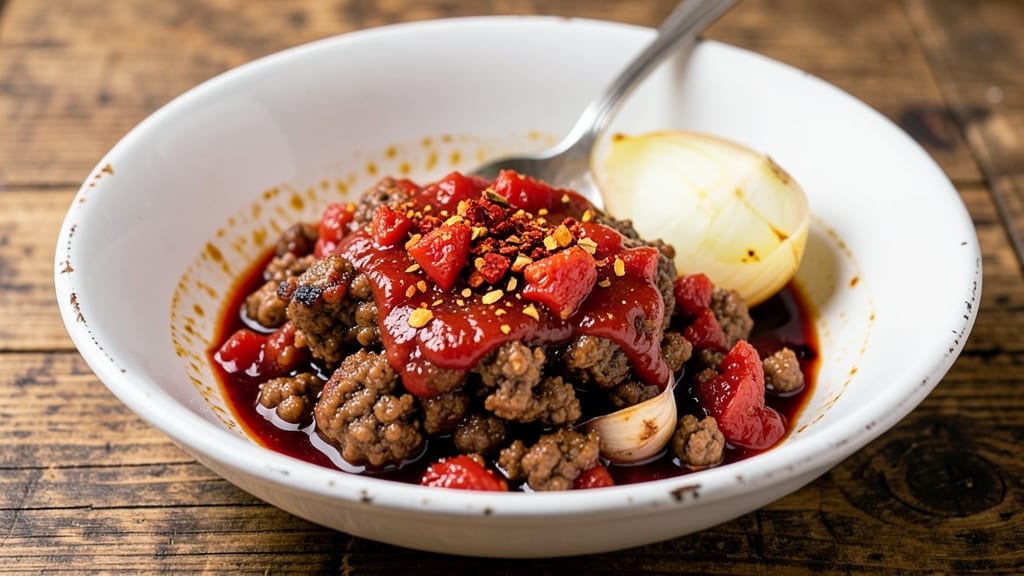
This arrabbiata meat sauce recipe delivers the bold, fiery tomato flavor that makes Italian weeknight dinners unforgettable. The secret lies in slow-simmered tomatoes, chili flakes, and garlic that build deep, spicy richness—perfect for tossing with al dente pasta.
What sets this apart is the balance of heat and acidity, achieved through precise cooking techniques that transform simple ingredients into something restaurant-worthy.
The sauce begins with a quick sear of ground meat to develop deep flavor, then simmers in crushed tomatoes and chili until thick and velvety. Garlic and herbs infuse every spoonful, while a splash of red wine adds brightness that cuts through the heat.
The result? A sauce so vibrant it transforms basic spaghetti into a meal that feels like a night out in Rome.
What makes this recipe truly special is its versatility—serve it over pasta, use it as a marinara base for pizza, or drizzle it over grilled chicken. The spicy, tomato-forward profile pairs beautifully with garlic bread and a simple side salad, creating a complete Italian feast.
With just 30 minutes of active time and 1 hour of simmering, you’ll have dinner ready without sacrificing depth of flavor.
Don’t let the simplicity fool you—this sauce is anything but basic. The slow reduction concentrates the flavors, while the chili flakes deliver just the right amount of heat.
Garnish with fresh basil and grated Parmesan for a finish that feels like a chef’s touch. Let’s make this sauce—your taste buds will thank you.
Ingredients for arrabiata meat sauce
Pantry staples plus a few key ingredients for that signature spicy tomato kick.
| Ingredient | Amount | Notes |
|---|---|---|
| Ground Beef 🥩 | 1 lb | 80% lean, finely ground |
| Garlic Cloves 🧄 | 4 cloves | Minced for aromatic depth |
| Yellow Onion 🧅 | 1 medium | Diced, about 1 cup |
| Canned Crushed Tomatoes 🍅 | 2 cups | San Marzano preferred |
| Red Wine 🍷 | ½ cup | Bold dry variety |
| Chili Flakes 🌶️ | 1 tbsp | Adjust for heat preference |
| Dried Oregano 🍃 | 1 tsp | Italian preferred |
| Salt 🧂 | 1 tsp | Diamond Crystal preferred |
| Black Pepper 🌶️ | ½ tsp | Freshly ground |
| Olive Oil 🫒 | 2 tbsp | Extra-virgin for richness |
| Fresh Basil Leaves 🌿 | ¼ cup | Chopped for garnish |
| Parmesan Cheese 🧀 | ¼ cup | Freshly grated |
The ground beef is non-negotiable here—80% lean gives you that perfect meaty texture without too much fat. Grab the finest grind at Trader Joe's or your local butcher shop, as it cooks faster and blends better into the sauce. For the tomatoes, San Marzano is the gold standard, but any good-quality canned crushed tomatoes will work. The red wine? Any bold, dry variety—Cabernet Sauvignon or Chianti are my go-tos, but whatever's open in your fridge will do. The chili flakes are where the magic happens—Calabrian chili flakes if you want to get fancy, but regular works too.
No red wine? Substitute with beef broth plus a splash of balsamic vinegar—it adds the same acidity. Fresh basil? Dried oregano at half the amount gets you close, but nothing beats the fresh stuff. Short on Parmesan? Pecorino Romano has a sharper bite that works well. The onion can be swapped for shallots if you're feeling fancy, but regular onion works fine. If you're sensitive to heat, cut the chili flakes to 1/2 teaspoon—you can always add more later. The garlic? Fresh is non-negotiable—jarred garlic just doesn't cut it here.
This sauce tastes even better the next day as the flavors meld. Store in an airtight container in the fridge for up to 5 days or freeze for 3 months. I always make a double batch—one for dinner, one to freeze for lazy nights. Garnish with fresh basil and grated Parmesan right before serving, because those flavors fade fast once mixed in. The sauce thickens as it cools, so if it seems too thick right after cooking, just stir in a splash of water or pasta water when reheating.
Why You'll Love This Recipe
- No Chopping Needed: I swear by this when I’m too tired to dice onions—just one whole onion, sliced in half and tossed straight into the pan. The garlic? Smash those cloves with the flat of your knife, no mincing required. That’s it. Done.
- Wine You’ll Actually Drink: Between us, I use the cheapest red wine I can find, but somehow it transforms into something silky and rich. That splash doesn’t just flavor the sauce—it makes the whole kitchen smell like a cozy Italian trattoria. (Yes, even on a Tuesday night.)
- Leftovers That Taste Better: This sauce only gets deeper in flavor the next day. I freeze half in portions, and when I pull it out, it’s like a warm hug—just reheat with a splash of water. My kids beg for it cold on sandwiches, too. (Not the prettiest, but the taste makes up for it.)
- Pantry Staple Power: Ground beef, a can of tomatoes, onion, garlic—these are things I already have. No specialty ingredients, no last-minute grocery runs. Honestly, I make this when I’m too lazy to plan, and it still feels like a proper meal. My secret weapon for busy nights.
Step-by-step instructions for arrabiata meat sauce
This spicy tomato sauce comes together fast with bold flavors that build as you cook.
Brown the Ground Beef
Heat the 2 tablespoons olive oil in a large, deep skillet over medium-high heat. Add the 1 pound ground beef, breaking it up with a wooden spoon as it cooks. Let it brown undisturbed for 3-4 minutes—this creates rich, flavorful bits that form the sauce's foundation.
Once the beef releases from the pan and turns deep brown, drain most of the fat (leave about 1 tablespoon) and stir in the 1 tablespoon chili flakes. The oil should smell spicy and aromatic. This step is where the sauce's heat begins—don't rush it, or the chili flakes will burn.
Sauté Onion and Garlic
Add the 1 medium yellow onion and cook for 5-6 minutes until softened and translucent. The onions should caramelize slightly at the edges, adding sweetness to balance the spice. Then, stir in the 4 cloves minced garlic and cook for 30 seconds—just until fragrant, or it'll turn bitter.
Here's the thing—if you smell garlic burning, you've gone too far. Keep the heat at medium and stir constantly. The garlic should sizzle but not darken. This aromatic base is the heart of your sauce, so take your time.
Deglaze with Wine
Pour in the ½ cup red wine and scrape up all the browned bits from the bottom of the pan with a wooden spoon. This deglazing step captures all the meaty, spicy flavors that would otherwise stick to the pan. Let the wine simmer for 2-3 minutes until it reduces by half and the alcohol cooks off.
You'll notice the sauce thicken slightly as the wine reduces. This is normal—it's concentrating the flavors. If the sauce looks too thin, let it cook a little longer. The wine's acidity also helps balance the richness of the beef and tomatoes.
Simmer with Tomatoes and Seasonings
Add the 2 cups canned crushed tomatoes, 1 teaspoon dried oregano, 1 teaspoon salt, and ½ teaspoon black pepper. Stir well to combine, then reduce the heat to low and let the sauce simmer uncovered for 20-25 minutes. The sauce should bubble gently, and you'll see it thicken as the moisture evaporates.
Real talk: This is where patience pays off. Stir occasionally to prevent sticking, and taste the sauce after 15 minutes. If it needs more salt or heat, adjust now—it's easier to fix before it thickens too much. The sauce should coat the back of a spoon by the end.
Finish with Fresh Basil and Parmesan
Remove the skillet from heat and stir in the ¼ cup chopped fresh basil leaves and ¼ cup freshly grated Parmesan cheese. The basil adds bright, fresh notes that cut through the richness, while the Parmesan deepens the sauce's umami flavor. Let the sauce sit off the heat for 5 minutes to meld the flavors.
Taste and adjust seasoning one last time. The sauce should be bold, spicy, and well-balanced—not too salty, not too bland. If it's too thick, thin it with a splash of pasta water or broth. Serve immediately over your favorite pasta, or let it cool slightly before storing for later.
Pro Tips For Making Arrabiata Meat Sauce
- CRUSH GARLIC FINE: Skip the mincer—smash those cloves flat with the side of your knife first, then chop into a paste. This releases more flavor and prevents bitter chunks lurking in your sauce. (Yes, even if you’re impatient like me, take the 30 seconds—it’s worth it.)
- SWEAT ONIONS LOW: Don’t rush the onion—cook it on medium-low for 8-10 minutes until it’s translucent and just starting to caramelize. If you crank the heat, it’ll burn before the beef gets its chance to brown properly, and your whole sauce will taste flat.
- DEGLAZE WITH WINE IMMEDIATELY: As soon as you remove the beef, pour in that red wine right away—don’t let the pan cool. The residual heat will help it break down the browned bits, giving your sauce depth instead of a sad, watery start. (Pro move: Add a splash of pasta water later if it gets too thick.)
- SALT THE TOMATOES: Dump a generous pinch of salt (about ½ teaspoon) into the crushed tomatoes while they simmer. It brightens their flavor and balances the acidity, which is especially important if you’re using a cheaper can. (I learned this the hard way—my first batch tasted dull until I tried it.)
Regional styles of this dish
Roman Roots
Arrabbiata sauce originated in Rome, where it was traditionally made with San Marzano tomatoes, garlic, and chili flakes—simple ingredients that pack a punch. The name comes from the Italian word "arrabbiata", meaning "angry," reflecting its fiery kick.
In Roman trattorias, this sauce was often served with tonnarelli pasta, a thick, square-cut noodle that holds up to the bold flavors. 🌶️
The sauce's spicy profile comes from Calabrian chili peppers, which were historically dried and crushed into flakes. Unlike milder marinara, arrabbiata relies on heat to balance the acidity of the tomatoes.
The Romans would often cook this sauce in cast iron pans, allowing the flavors to develop deeply while keeping the heat manageable.
Southern Italian Twist
In Southern Italy, particularly in regions like Campania and Calabria, arrabbiata sauce takes on a slightly sweeter, richer profile. Chefs here often incorporate roasted garlic and sun-dried tomatoes into the sauce, adding depth and complexity.
The heat level varies—some versions use fresh red chili peppers instead of flakes for a brighter, fruitier spice. 🍅
One regional variation is "Arrabbiata al Pomodoro," where the sauce is thickened with a tomato paste reduction before adding the crushed tomatoes. This creates a glossy, velvety texture that clings beautifully to pasta.
In Calabria, you might even find arrabbiata served with fried eggplant slices on top, adding a crispy contrast.
Modern Adaptations
Today, arrabbiata sauce has evolved beyond its Roman origins, with chefs experimenting with white wine reductions, smoked paprika, and even balsamic vinegar for a tangy twist. Some modern recipes call for ground pork or a mix of beef and pork, adding extra richness.
I love adding a splash of pasta water at the end to loosen the sauce slightly—it makes it silky and perfect for tossing. 💡
For a vegetarian version, swap the ground beef for mushrooms or lentils, then boost the umami with a soy sauce splash or miso paste. The key is keeping the chili flakes and garlic front and center to maintain that signature fiery, aromatic punch.
Neapolitan Influence
In Naples, arrabbiata sauce is often paired with spicy 'nduja salami, a spreadable, fermented sausage that adds a deep, spicy kick. The combination of arrabbiata and 'nduja creates a sauce that’s both rich and fiery—a favorite in Neapolitan pizzerias.
For a quick shortcut, I sometimes mix 1 tablespoon of 'nduja into the sauce during the final simmer. 🍕
Another Neapolitan touch? Finishing the sauce with a drizzle of extra-virgin olive oil and fresh basil leaves just before serving. This adds a bright, herbal note that cuts through the heat and ties all the flavors together.
The Neapolitans also love serving arrabbiata with baked penne pasta, letting the sauce cling to the ridges for maximum flavor.
Nutrition facts
Frequently asked questions
Can I make this arrabbiata sauce without wine?
Swap the ½ cup red wine with ½ cup beef broth plus 1 tablespoon balsamic vinegar to maintain the same acidity and depth. The balsamic adds a subtle tang that mimics wine's brightness. If you're avoiding all alcohol, just use extra broth and adjust seasoning—it'll still taste fantastic!
How do I adjust the heat level in this sauce?
Start with 1 tablespoon chili flakes for medium heat, then taste as you go. For more kick, add ½ teaspoon extra flakes—or 1-2 chopped fresh red chili peppers (seeds in for heat, out for mildness). If it's too spicy, balance it with 1 teaspoon sugar—the acidity of the tomatoes will make it taste better. Always taste before serving!
What's the best pasta to serve with this sauce?
Classic choices are spaghetti—tonnarelli (Roman square pasta), or linguine—all hold the sauce beautifully. For extra texture, try baked penne—the ridges catch the sauce like a dream. Avoid delicate pastas like angel hair—they'll get overwhelmed by the spicy, chunky sauce.
Can I make this sauce ahead of time?
Yes! This sauce actually tastes better the next day as flavors meld. Store in an airtight container—fridge for up to 5 days—or freeze for 3 months. When reheating, add a splash of water or pasta water to loosen it. Pro tip: Make a double batch—one for dinner, one to freeze for lazy nights!
What if my sauce tastes too acidic?
If the tomatoes are overpowering, balance it with ½ teaspoon sugar—or a pinch of salt to enhance other flavors. A splash of heavy cream—(just 1 tablespoon) can mellow the acidity while adding richness. Stir in fresh basil—its sweetness naturally counteracts sharpness. Taste as you go—you can always adjust!