
Sauces & Condiments
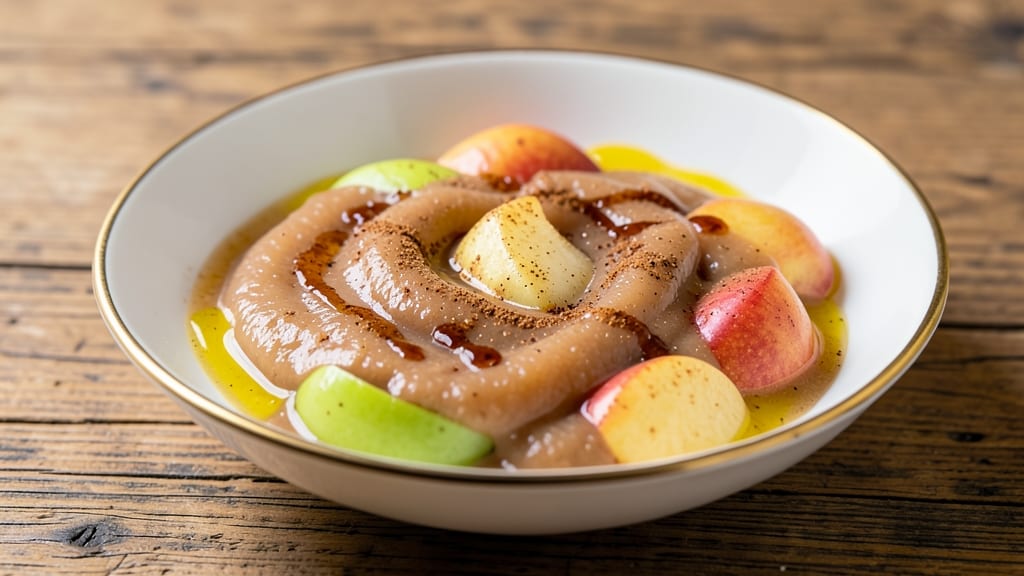
This apple sauce recipe with brown sugar delivers the perfect balance of slow-simmered sweetness and warm spice that elevates everything from pork chops to apple crisp. The brown sugar caramelizes beautifully during simmering, creating deep, molasses-like notes that set this version apart from basic recipes.
What makes this sauce special is its versatility—smooth enough for dipping yet textured enough to hold its own as a standalone dessert.
The technique is straightforward but yields professional results: peeled apples simmered with brown sugar, cinnamon, and just a touch of lemon juice until tender. I've tested this with tart Granny Smiths and sweet Honeycrisp varieties, and both work beautifully.
The brown sugar not only sweetens but also adds a subtle depth that complements both savory and sweet applications equally well.
By the time you're done, you'll have a velvety, aromatic sauce that's rich enough to stand alone but versatile enough to enhance any dish. The brown sugar creates a caramelized finish that makes this apple sauce irresistibly smooth with just the right amount of spice.
Store it in the fridge for up to a week or freeze for longer shelf life—perfect for meal prep or holiday gifting.
Use it as a topping for pork tenderloin, a filling for pies, or even as a sweet-spiced glaze for roasted vegetables. The possibilities are endless, but the method remains simple and foolproof. Let's get started on creating this crowd-pleasing apple sauce that brings warmth to every bite.
Ingredients for apple sauce recipe brown sugar
Eight ingredients transform into velvety apple sauce with deep caramelized sweetness and warm spice.
| Ingredient | Amount | Notes |
|---|---|---|
| Granny Smith Apples 🍎 | 2 lb | Peeled and cored, medium-sized |
| Honeycrisp Apples 🍎 | 2 lb | Peeled and cored, medium-sized |
| Light Brown Sugar 🍯 | 1 ½ cups | Packed firmly, not lightly |
| Fresh Lemon Juice 🍋 | ¼ cup | From 1-2 lemons, freshly squeezed |
| Ground Cinnamon 🌿 | 1 ½ tsp | Freshly ground preferred |
| Vanilla Extract 🌸 | ½ tsp | Pure vanilla extract |
| Salt 🧂 | ½ tsp | Kosher or sea salt |
| Water 💧 | ½ cup | For thinning if needed |
The apples are the foundation—Granny Smith for tartness, Honeycrisp for natural sweetness. Local farmers markets often have the freshest varieties, but grocery store apples work fine. Look for firm, unblemished fruit with vibrant color. The brown sugar is non-negotiable here—light brown gives that perfect molasses-like depth without overpowering. Pack it firmly into your measuring cup for accurate results. For the cinnamon, Penzeys or Spicewalla offer premium quality, but regular grocery store brands work well too. The vanilla extract should be pure—no imitation or alcohol-heavy varieties.
No brown sugar? Dark maple syrup at half the amount works in a pinch, though the flavor will be slightly different. Short on apples? Substitute with 4 cups peeled, chopped tart apples—just add 1 extra tablespoon of water. The lemon juice can be bottled, but fresh is ideal. If you prefer less acidity, reduce to 2 tablespoons. For a spicier kick, add a pinch of cayenne or a dash of allspice. The water is optional—only add if the sauce needs thinning after simmering. Store-bought apple sauce? This homemade version keeps for 1 week refrigerated or 6 months frozen, with no added preservatives.
This sauce thickens as it cools, so don't be alarmed if it looks too thin while warm. For best results, simmer uncovered until it reaches your desired consistency—about 20-30 minutes. The caramelized aroma when done is worth the wait. Portion into airtight containers for storage. It reheats beautifully—just warm gently on the stove or microwave. Freeze in ice cube trays for perfect single-serving portions. The flavor actually improves after 24 hours as the spices meld together—make extra if you can.
Why You'll Love This Recipe
- Here’s what sold me: that perfect balance of sharp Granny Smiths and the natural sweetness of Honeycrisp, all caramelized by the brown sugar. A squeeze of fresh lemon juice at the end? Pure satisfaction—bright, warm, and just a little bit addictive. It’s the kind of flavor that makes you want to eat it straight from the pot.
- No Peel, No Stress: I swear by this trick—just core and chop those Granny Smiths and Honeycrisp apples into big chunks, no peeling required. Toss them in a pot with a splash of water, the brown sugar, and a pinch of cinnamon, then let it simmer until the apples break down. It’s the kind of recipe where the hardest part is deciding whether to make a double batch.
- Sweet-Tart Magic: Here’s what sold me: that perfect balance of sharp Granny Smiths and the natural sweetness of Honeycrisp, all caramelized by the brown sugar. A squeeze of fresh lemon juice at the end? Pure satisfaction—bright, warm, and just a little bit addictive. It’s the kind of flavor that makes you want to eat it straight from the pot.
- Pantry to Party: This sauce is my go-to for everything—slathered on pancakes, stirred into oatmeal, or spooned over vanilla ice cream. Honestly, I’ve even used it as a glaze for roasted chicken or pork chops. It’s unfussy enough for a lazy Sunday but fancy enough to bring to a potluck. (Yes, even on a Tuesday night.)
Step-by-step instructions for slow-simmered apple sauce
This method delivers perfectly balanced sweetness and spice with a velvety texture every time.
🍳 Step 1: Prepare the Apples for Cooking
Peel and core all 4 pounds of apples—the 2 pounds of Granny Smith and 2 pounds of Honeycrisp. I like to cut them into even ½-inch chunks for consistent cooking. The Granny Smith adds tartness while the Honeycrisp contributes natural sweetness and texture. Place them in a large pot with the 1.5 cups packed light brown sugar and 0.5 tsp salt.
Stir gently to coat the apple pieces evenly with sugar and salt. This ensures every bite gets that perfect balance of sweetness and seasoning. The sugar will help caramelize the edges slightly during cooking, adding depth of flavor. Don't skip the salt—it enhances all the other flavors and prevents the sauce from tasting one-note.
🍳 Step 2: Simmer Until Apples Break Down
Add the 0.25 cup fresh lemon juice and 0.5 cup water to the pot. Bring everything to a boil over medium-high heat, then immediately reduce to medium-low heat. Cover with a lid and let it simmer for 20-25 minutes, stirring occasionally.
You're looking for the apples to soften completely and break down into a thick, chunky sauce. The lemon juice prevents browning and adds a bright contrast to the sweetness. If the mixture looks too dry at any point, add 1-2 tablespoons of water to maintain moisture. The sauce should be thick but still slightly saucy—not dry or pasty.
🍳 Step 3: Add Spices and Finish Cooking
Once the apples are completely tender, remove the pot from heat. Stir in the 1.5 teaspoons ground cinnamon and 0.5 teaspoon vanilla extract. The cinnamon will infuse the sauce with warm, aromatic flavor, while the vanilla adds complexity and rounds out the sweetness.
Return the pot to low heat and let it simmer uncovered for another 5 minutes. This final step allows the spices to bloom and the flavors to meld together. You'll notice the sauce thickening slightly as it cools, so don't over-reduce it. The aroma should be rich and inviting—like a warm spice cabinet.
⏰ Step 4: Cool and Adjust Consistency
Let the apple sauce cool for 10 minutes at room temperature. I like to transfer it to a bowl and stir once more before tasting. The sauce will thicken as it cools, which is normal. If it's too thick for your preference, you can thin it with a splash of water or apple cider.
Taste and adjust the sweetness or spice level if needed. Some people prefer a touch more cinnamon, while others might want a hint of nutmeg. The key is balance—you want the sweetness of the apples and brown sugar to shine, but with the bright acidity of lemon and warm spice to complement it.
Pro Tips For Making Apple Sauce Recipe Brown Sugar
- Peel Apples After Cooking: I used to waste time peeling raw apples, only to have the skin slip off in uneven strips. Instead, cook them whole—peel after simmering—then slip off the skins effortlessly. The heat softens the flesh, making cleanup a breeze and saving you from a messy cutting board.
- Use Two Pans: If your pot’s too small, the apples will steam instead of caramelize. Split the batch between two pans—one for Granny Smiths (tart, firm) and one for Honeycrisp (sweeter, softer). Adjust heat per pan: Grannies need a minute longer to break down.
- Whisk in Sugar Slowly: Dumping all the brown sugar at once makes a gloppy mess. Sprinkle it in while stirring, then let the sauce simmer uncovered for 2–3 minutes. This evaporates excess moisture and deepens the caramel notes—no grainy texture, just rich sweetness.
- Strain Only If Needed: I skip straining unless the texture’s too chunky for my taste. If you prefer smooth sauce, press the apples through a fine-mesh sieve, but leave some texture—it adds body. For extra creaminess, mash a few cooked apples back in after straining.
Troubleshooting this dish
Sauce Too Thin?
If your apple sauce ends up too thin after simmering, don’t panic—this is easily fixed. The most common cause is overcooking or using overly ripe apples. To thicken, return the sauce to medium-low heat and simmer uncovered for an additional 5-10 minutes, stirring occasionally.
The moisture will evaporate, and the sauce will naturally thicken. If it still feels too loose, mix in 1 tablespoon of cornstarch with 1 tablespoon of water, stir well, and simmer for another 2-3 minutes until it reaches your desired consistency. 🔥
Sauce Too Thick?
If your apple sauce is too thick after cooling, it’s likely because the apples broke down more than expected or the sugar caramelized too much. Thin it out by adding 1-2 tablespoons of water or apple cider at a time, stirring well after each addition.
For a smoother texture, you can also blend it briefly with an immersion blender. If you prefer a slightly chunkier sauce, just leave it as is—it’ll still be delicious! The key is balance, so taste as you go.
Burnt or Bitter Taste?
A burnt or bitter taste usually means the sauce simmered too long or the heat was too high. This often happens if you forget to stir occasionally or let it boil vigorously.
To prevent this, always keep the heat at medium-low after the initial boil and stir every 5 minutes. If it does happen, try adding 1-2 teaspoons of fresh lemon juice or a pinch of ground cinnamon to mask the bitterness.
The bright acidity of lemon will help balance any harsh flavors.
Lumpy Texture?
Lumps in your apple sauce typically mean the apples weren’t cut evenly or the sauce wasn’t stirred enough during cooking. For a smoother texture, use an immersion blender to blend the sauce directly in the pot.
If you prefer a chunkier texture, just stir vigorously with a wooden spoon or potato masher to break up any large pieces. The brown sugar can also contribute to a slightly grainy texture, but this is normal and adds depth to the flavor.
Not Sweet Enough?
If your apple sauce isn’t sweet enough, it might be because the apples were too tart or the brown sugar didn’t caramelize properly. To fix this, stir in an additional 2-3 tablespoons of brown sugar and simmer for another 5 minutes to let the flavors meld.
You can also add a splash of maple syrup or honey for extra sweetness. Taste as you go—balance is key, especially when pairing with savory dishes like pork or chicken.
Sauce Separates When Stored?
If your apple sauce separates after refrigeration, it’s likely due to the natural pectin in the apples breaking down or the sauce cooling too quickly. To prevent this, let the sauce cool gradually at room temperature before transferring it to the fridge.
If separation does occur, simply stir the sauce gently before reheating. For a smoother texture, blend it briefly with an immersion blender. This is a common issue with homemade sauces, but it doesn’t affect the flavor—just the texture. 💡
Nutrition facts
Frequently asked questions
Can I use dark brown sugar instead of light?
Yes, but expect a deeper molasses flavor and richer color. Use the same 1.5 cups measurement, packed firmly. Dark brown sugar has more moisture, so you might need to simmer slightly longer to achieve the same thickness. For a balanced sweetness, reduce the cinnamon by ¼ teaspoon to avoid overpowering the sauce.
How do I make this apple sauce without a stove?
Use an Instant Pot or slow cooker on high for 10-12 minutes with ½ cup water instead of simmering. For a microwave method, combine all ingredients in a microwave-safe bowl, cover loosely, and cook on high for 8 minutes, stirring every 2 minutes. The texture will be slightly softer but still delicious.
What's the best way to store leftover apple sauce?
Transfer to an airtight container and refrigerate for up to 1 week. For longer storage, freeze in ice cube trays or small jars for 6 months. Thaw overnight in the fridge—never microwave directly from frozen. The flavor actually improves after 24 hours as spices meld together.
Can I make this sauce with frozen apples?
Use 4 cups frozen peeled apples (about 2 pounds) instead of fresh. Add 2 extra tablespoons of water since frozen apples release less moisture. Simmer for 15-20 minutes uncovered to evaporate excess liquid. The texture will be smoother but equally flavorful.
How can I use this sauce beyond traditional pairings?
Try it as a glaze for roasted pork chops or caramelized onions. Mix with Greek yogurt for a tangy dip, or swirl into oatmeal for breakfast. The brown sugar caramelization makes it perfect for cheese boards alongside sharp cheddar or brie.