
Sauces & Condiments
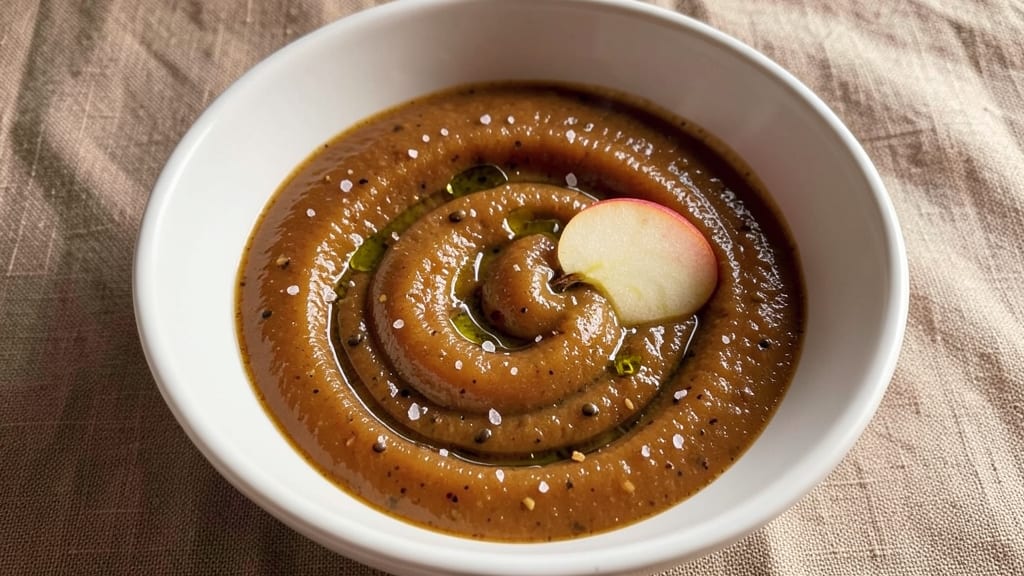
This apple mustard sauce recipe transforms simple pantry staples into a bold, tangy-sweet condiment that elevates everything from sandwiches to roasted vegetables. The secret lies in balancing sharp mustard with smooth applesauce and a touch of vinegar, creating an emulsified texture that clings beautifully.
I developed this sauce after years of searching for the perfect balance between sweet and tangy—now it’s my go-to for adding depth to meals without overpowering flavors.
The sauce comes together in just 10 minutes with basic ingredients you likely already have: applesauce, Dijon mustard, apple cider vinegar, and a pinch of salt. The vinegar acts as a natural emulsifier, ensuring the sauce stays smooth and glossy rather than separating.
This makes it ideal for drizzling over grilled meats, slathering on burgers, or even using as a dip for pretzels and fries.
What sets this recipe apart is its versatility—it works as a glaze for roasted pork or chicken, a tangy spread for sandwiches, or even a dipping sauce for veggies.
The sweetness of the applesauce mellows the sharpness of the mustard, while the vinegar adds a bright, cutting acidity that keeps every bite interesting. Store it in the fridge for up to two weeks, or freeze for longer shelf life.
Whether you're prepping for a meal or craving a quick condiment upgrade, this sauce delivers restaurant-quality flavor with minimal effort. The best part? It’s customizable—adjust the sweetness or tang to suit your taste, and you’ll have a pantry staple that’s always ready to impress.
Ingredients for apple mustard sauce
Pantry staples transform into a restaurant-quality sauce in just 10 minutes.
| Ingredient | Amount | Notes |
|---|---|---|
| Unsweetened Applesauce 🍎 | ½ cup | Smooth, not chunky preferred |
| Dijon Mustard 🌶️ | ½ cup | High-quality for best flavor |
| Apple Cider Vinegar 💧 | ¼ cup | Raw, unfiltered preferred |
| Extra-Virgin Olive Oil 🫒 | ¼ cup | Light variety for balance |
| Granulated Sugar 🍚 | 2 tbsp | Adjust for sweetness preference |
| Kosher Salt 🧂 | ½ tsp | Diamond Crystal preferred |
| Fresh Lemon Juice 🍋 | 1 tbsp | Brightens overall flavor |
| Ground Black Pepper 🌶️ | ¼ tsp | Freshly ground for aroma |
| Water 💧 | 1 tbsp | For thinning if needed |
The Dijon mustard is non-negotiable here—Maille or Amora deliver that perfect balance of tang and depth. Grab the unsweetened applesauce from the refrigerated section (not the shelf-stable kind) for smoother texture. Apple cider vinegar should be raw and unfiltered—the cloudiness means more flavor. I always double-check the olive oil label for 'light' variety; it won't overpower the sauce. The sugar is purely for balance—start with the full amount, then adjust to taste. Fresh lemon juice makes all the difference (the bottled stuff just can't compete).
No Dijon? Whole-grain mustard thinned with water works in a pinch, but you'll lose some complexity. Substitute maple syrup for sugar if you're avoiding refined sweeteners—use half the amount. Ran out of apple cider vinegar? White vinegar or rice vinegar both work, though the flavor profile shifts slightly. The sauce can be too thick if you skip the water entirely—add it gradually until it reaches a glossy drizzle consistency. For extra tang, add 1/4 tsp of smoked paprika to the finished sauce.
This sauce keeps beautifully in the fridge for 2 weeks—just store it in an airtight container with a thin layer of olive oil on top to preserve freshness. Freeze for up to 3 months by portioning into ice cube trays. The sauce thickens when refrigerated, so thin with water or lemon juice before using. I always make a double batch—one for immediate use and one to freeze for future meals. The flavor actually improves after a day as everything melds together.
Why You'll Love This Recipe
- No-Fuss Mixing: I swear by this recipe because it’s literally three ingredients stirred together—no blender, no straining, just a bowl and a whisk. The applesauce thickens everything instantly, and the mustard cuts through the sweetness like a dream.
- Tangy-Sweet Magic: That first bite? The sharp kick of Dijon mustard and apple cider vinegar balances the natural sweetness of the applesauce so well, it’s like a grown-up version of caramel apples. Honestly, I’ve never met a sauce that hits this flavor combo so cleanly.
- Dresses Up Anything: Drizzle it over roasted chicken, toss it with mashed potatoes, or use it as a glaze for pork chops—it’s my go-to for weeknight dinners. Even my picky-eating teen asks for it on his grilled cheese.
- Pantry Staple Power: Between us, this sauce costs pennies to make and keeps for weeks in the fridge. I double the batch every time because it disappears faster than I can say “second helping.” Perfect for when you’re low on time or cash.
Step-by-step instructions for apple mustard sauce
This tangy-sweet sauce comes together in minutes with just a few simple steps.
Whisk Together the Base Ingredients
In a medium bowl, combine the 0.5 cup unsweetened applesauce, 0.5 cup Dijon mustard, 0.25 cup apple cider vinegar, and 2 tablespoons granulated sugar. Use a whisk to blend until completely smooth—this ensures no lumps remain and the flavors integrate evenly. The applesauce will immediately begin dissolving the sugar, creating a silky texture right from the start.
Here's the thing—don't rush this blending. Let the mixture sit for 1 minute while you measure the remaining ingredients. This brief pause allows the applesauce's natural pectin to soften slightly, making the final sauce even smoother. The Dijon mustard should be fully incorporated, giving you that signature tangy depth right away.
Add Olive Oil and Seasonings
Gradually drizzle in the 0.25 cup extra-virgin olive oil while continuing to whisk. The oil should emulsify with the applesauce mixture, creating a glossy sheen that's perfect for drizzling. Add the 0.5 teaspoon kosher salt, 1 tablespoon fresh lemon juice, and 0.25 teaspoon ground black pepper—this is where the bright, complex flavors come together.
Taste the mixture at this stage. You'll notice the balance between sweet, tangy, and slightly bitter notes. The lemon juice should brighten the applesauce, while the pepper adds a subtle warmth that rounds out the flavors. If you find it too sharp, add another ½ teaspoon sugar—this is your chance to adjust before the final step.
Thin and Emulsify for Perfect Consistency
Stir in the 1 tablespoon water to achieve the ideal pouring consistency. The sauce should coat the back of a spoon but still flow freely—think of it like a thick glaze rather than a heavy dressing. If it's too thick after stirring, add 1 teaspoon more water at a time until you reach the perfect drizzleable texture.
This is where the magic happens: transfer the sauce to a small saucepan and place it over low heat. Gently warm for 2-3 minutes, stirring constantly with a silicone spatula. You're not cooking here—just gently heating to fully meld the flavors and create a silky emulsion. The sauce should never simmer or bubble, just warm through until it reaches 120°F—just warm enough to take the edge off the raw vinegar taste.
Cool and Adjust to Perfection
Remove the saucepan from heat and let the sauce cool to room temperature. This cooling period is crucial—it allows all the flavors to fully develop and settle. The sauce will thicken slightly as it cools, so if you prefer a thinner consistency for drizzling, add 1 teaspoon water while it's still warm.
Taste again after cooling. The flavors should now be perfectly balanced—sweet from the applesauce and sugar, tangy from the mustard and vinegar, with bright acidity from the lemon. If needed, adjust with a pinch more salt or a splash of vinegar to fine-tune the balance. The sauce should be glossy, smooth, and ready to elevate any dish it touches.
Pro Tips For Making Apple Mustard Sauce
- STIR CONSTANTLY: The second you mix applesauce and mustard, grab that spoon and keep it moving—no breaks. I learned this the hard way when the sauce split into greasy layers halfway through cooking. A few minutes of steady stirring guarantees a smooth, velvety texture every time.
- USE COLD APPLESAUCE: Pull that jar of applesauce straight from the fridge—no thawing, no room temp. Cold applesauce thickens more predictably when heated, and it prevents the sauce from turning into a runny glaze. Trust me, your sauce will thank you when it clings to roasted chicken or pork instead of pooling in the pan.
- SWEETEN GRADUALLY: Don’t dump all the sugar in at once. Start with half the amount, taste, then adjust—this sauce is all about balance. Too sweet? A splash of apple cider vinegar fixes it. Too sharp? A pinch more sugar smooths it out. Your taste buds will spot the sweet spot faster than a recipe ever could.
- WHISK IN THE OIL: After heating the applesauce and mustard, let the mixture cool for 2 minutes before whisking in the olive oil. Cold oil in hot sauce = instant separation. A quick cool-down keeps everything emulsified, so your sauce stays glossy and cohesive instead of looking like a broken salad dressing.
Dietary considerations for this recipe
Sweetener-Free Version
Skip the granulated sugar entirely and use ¼ cup unsweetened applesauce instead of the ½ cup called for in the recipe. The natural sweetness of the applesauce will still shine through, especially when paired with the tangy mustard.
For extra depth, add ½ teaspoon vanilla extract—it enhances the apple flavor without adding sugar. This version works beautifully as a glaze for roasted vegetables or as a dip for fresh fruit. 🍎
Gluten-Free Adaptation
Dijon mustard is naturally gluten-free, but always double-check the label to ensure no cross-contamination. If you're avoiding mustard entirely, substitute with ¼ cup apple cider vinegar and ¼ cup tahini for creaminess.
The tahini adds a nutty depth that pairs wonderfully with the applesauce. This version is perfect for drizzling over grilled chicken or as a dip for gluten-free crackers. 🌶️
Vegan-Friendly Formula
This sauce is already vegan, but you can enhance it by using 100% fruit-based applesauce (like Mott’s Unsweetened) and ensuring your Dijon mustard is vegan-certified. For extra richness, stir in 1 tablespoon tahini or 1 teaspoon maple syrup instead of granulated sugar.
The result is a luscious, plant-based sauce that works as a glaze for tofu or as a tangy spread for vegan sandwiches. 🌱
Low-Sugar Option
Reduce the sugar to 1 tablespoon and use 1 teaspoon erythritol or monk fruit sweetener for a diabetic-friendly version. The natural sweetness of the applesauce will still come through, but with significantly fewer carbs.
This adaptation is ideal for drizzling over grilled meats or pairing with low-sugar desserts like fresh berries. Always taste as you go—you might not need any added sweetener at all! 💡
Allergy-Friendly Swaps
For nut allergies, avoid tahini and stick to the original recipe. If you’re sensitive to mustard, replace it with ¼ cup apple cider vinegar and 1 tablespoon miso paste (white or red) for umami depth.
The miso adds a savory note that balances the sweetness beautifully. This version is perfect for drizzling over roasted vegetables or as a dip for veggie sticks. 🧂
Kid-Friendly Adjustments
Cut the apple cider vinegar to ¼ cup and add 1 extra tablespoon of sugar to soften the tang. For extra appeal, stir in ½ teaspoon cinnamon—it adds warmth and makes the sauce feel like a dessert dip.
Kids love this version as a glaze for chicken nuggets or as a dip for apple slices. It’s a fun way to introduce them to bold flavors! 🍗
Nutrition facts
Frequently asked questions
Can I make this apple mustard sauce without applesauce?
Yes! For a chunkier texture, blend 1 small cooked apple (peeled and cored) with 2 tablespoons water until smooth, then use it to replace the applesauce. Alternatively, use ¼ cup pureed apple butter instead—it adds a deeper caramelized flavor. Just reduce the sugar to 1 tablespoon since apple butter is already sweetened.
Why did my sauce separate? How do I fix it?
Separation happens when the emulsion breaks, usually from too much heat or not enough emulsifiers. To fix it, whisk in 1 teaspoon Dijon mustard or 1 tablespoon olive oil while stirring vigorously. For prevention, always heat the sauce gently (low heat) and don't let it bubble. The vinegar and mustard work together as natural emulsifiers—just make sure they're fully incorporated during mixing.
What's the best way to use this sauce for sandwiches?
Spread a thin layer (1 teaspoon per sandwich) on the bread before adding fillings to prevent sogginess. For extra flavor, mix in ½ teaspoon celery seeds or ¼ teaspoon smoked paprika to the sauce before spreading. It pairs perfectly with roasted turkey, ham, or even grilled veggie sandwiches. The glossy texture makes it ideal for drizzling over the edges too!
Can I make this sauce ahead of time?
This sauce actually tastes better after resting for 24 hours as the flavors meld together. Store it in an airtight container in the fridge for up to 2 weeks. The texture will thicken slightly—just thin with 1 teaspoon water or lemon juice before using. For longer storage, freeze in 1-tablespoon portions for easy use in future meals.
What's the difference between Dijon and regular mustard?
Dijon mustard has a smoother texture and milder flavor than coarse mustard, making it perfect for sauces. Regular mustard contains seeds that can make your sauce grainy. If you only have whole-grain mustard, blend it with 1 tablespoon water until smooth before using. For extra tang, add ½ teaspoon extra apple cider vinegar to compensate for the missing Dijon flavor.