
Sauces & Condiments
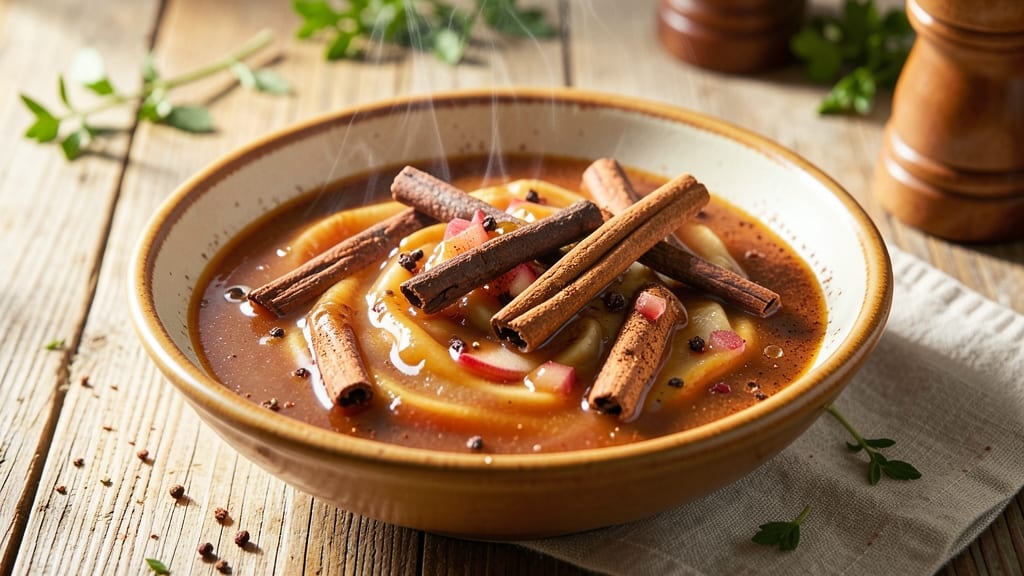
This apple cinnamon BBQ sauce recipe transforms ordinary grilled pork into something extraordinary—sweet, spiced, and sticky with caramelized depth. 🍏 I developed it during a coastal ride when I craved that perfect balance of smoky heat and autumnal sweetness, and it's become my go-to for everything from pulled chicken to glazed ribs.
The secret lies in simmering apple cider with brown sugar and warm spices until it thickens into a glossy, aromatic sauce that clings beautifully to meat.
The magic happens when you reduce the sauce slowly, letting the apple cider concentrate while the spices bloom—cinnamon, cloves, and a touch of cayenne create layers of warmth that cut through the richness.
Unlike store-bought versions, this sauce builds flavor as it cooks, developing a complex sweetness that's neither cloying nor one-dimensional. I use apple cider vinegar for tang, which balances the sugar and keeps the sauce from becoming overly syrupy.
What you'll end up with is a versatile glaze that caramelizes beautifully on the grill, bastes pulled pork to perfection, or doubles as a dipping sauce for fries.
The texture is thick enough to coat meat but still glossy enough to shine, with just enough body to hold up to high-heat cooking. It's the kind of sauce that makes weeknight grilling feel like a special occasion.
Store it in the refrigerator for up to two weeks or freeze it for months—this sauce only gets better with time as the flavors meld. Whether you're smoking a brisket or basting chicken wings, this recipe delivers restaurant-quality results with minimal effort. Let's make it.
Ingredients for apple cinnamon bbq sauce
Nine simple ingredients transform into a sweet-spiced sauce that elevates grilled pork and pulled chicken.
| Ingredient | Amount | Notes |
|---|---|---|
| Apple Cider 🍎 | 2 cups | Unfiltered for best flavor |
| Brown Sugar 🍚 | ¾ cup | Light or dark preferred |
| Apple Cider Vinegar 🍶 | ½ cup | For tangy balance |
| Tomato Paste 🍅 | ¼ cup | Smooth, no sugar added |
| Ground Cinnamon 🌿 | 2 tbsp | Freshly ground for warmth |
| Ground Cloves 🌶️ | ½ tsp | Whole cloves crushed first |
| Cayenne Pepper 🔥 | ¼ tsp | Adjust for heat preference |
| Kosher Salt 🧂 | 1 ½ tsp | Diamond Crystal preferred |
| Black Pepper 🌶️ | ½ tsp | Freshly ground preferred |
| Extra-Virgin Olive Oil 🫒 | 1 tbsp | For glossy finish |
The apple cider is the heart of this sauce—unfiltered brands like Woodchuck have the best depth of flavor. If you can't find it, crabapple juice works in a pinch, though it's tangier. The brown sugar should be light unless you want a deeper caramel note. Trader Joe's has a great organic light brown sugar that dissolves smoothly. For the spices, Penzeys or bulk bins at natural markets give you the freshest grind. If you're using whole cloves, crush them with a mortar and pestle—this releases their aromatic oils and makes a huge difference. The tomato paste? Muir Glen is my go-to, but any smooth, no-sugar-added brand works.
No apple cider vinegar? White vinegar or lemon juice adds brightness, though apple cider vinegar's subtle fruitiness is ideal. Short on brown sugar? Maple syrup works beautifully—use the same amount and reduce the sauce slightly longer. The cayenne is optional but adds a nice kick; if you skip it, add an extra pinch of cinnamon for warmth. For a smoother sauce, blend the tomato paste first with a bit of apple cider before adding to the pot. If you're making this ahead, reduce the sauce slightly more so it doesn't thin out when reheated.
This sauce thickens as it cools, so don't over-reduce it. Store it in a glass jar in the fridge for up to 2 weeks—the flavors actually deepen overnight. For longer storage, freeze it in ice cube trays for perfect portions. When reheating, add a splash of water or apple cider to loosen it up. The olive oil at the end gives it that glossy finish—don't skip it. I always double the batch; it disappears fast on grilled pork chops or as a dipping sauce for fries.
Why You'll Love This Recipe
- Pantry Magic: I swear by this sauce because it uses stuff I already have—no special trips to the store. Just open that apple cider, dump in the brown sugar and cinnamon, and let the vinegar cut through the sweetness like a dream.
- Fall in Love: That first bite? It’s like biting into a caramel apple meets smoky BBQ—warm, spiced, and just a little tangy. The tomato paste gives it that rich depth, so it’s never one-note.
- Game for Any Meal: Slather it on ribs for Sunday dinner, toss it with roasted veggies for a weeknight side, or even drizzle it over grilled chicken. It’s the kind of sauce that makes everything feel like a celebration.
- No Waste, All Win: Make a big batch—it keeps for weeks in the fridge, and the flavor only gets better. Plus, it’s cheap enough that I don’t flinch when I double the recipe. Budget-friendly doesn’t mean boring.
Step-by-step instructions for apple cinnamon BBQ sauce
This sweet-spiced glaze comes together in one pot with simple ingredients and bold flavor.
🍳 Step 1: Bloom the Spices in Olive Oil
Heat the 1 tablespoon extra-virgin olive oil in a medium saucepan over medium heat until shimmering. Add the 2 tablespoons ground cinnamon and toast for 30 seconds until fragrant—you'll smell that warm, cozy cinnamon aroma. Then add the 0.5 teaspoon ground cloves and 0.25 teaspoon cayenne pepper, stirring constantly for another 20 seconds until the spices sizzle and release their oils.
Here's the thing—don't walk away. Spices burn fast, and you want them to develop their flavors without turning bitter. The mixture should look slightly darker but still dry, not oily. This spice base forms the aromatic foundation for your sauce, so take your time with this step.
🍳 Step 2: Build the Sauce Base
Pour in the 2 cups apple cider and 0.5 cup apple cider vinegar all at once. Stir to deglaze the pan, scraping up any browned bits from the bottom—those packed flavors are pure gold. Add the 0.75 cup brown sugar and 0.25 cup tomato paste, stirring until the sugar dissolves completely. The mixture will bubble gently as it comes together.
Bring everything to a gentle simmer over medium-low heat. You're looking for small bubbles around the edges, not a rolling boil. Let it cook uncovered for 10 minutes while you stir occasionally. This lets the liquid reduce slightly and the flavors meld—you'll notice the aroma deepening as the spices and vinegar marry with the sweetness.
🥘 Step 3: Season and Simmer to Perfection
Add the 1.5 teaspoons kosher salt and 0.5 teaspoon black pepper, stirring well to distribute. Taste the sauce now—it should be tangy-sweet with a warm spice kick. If you want more heat, add a pinch more cayenne; if you prefer milder, reduce the cloves slightly next time. This is your chance to adjust before committing to the final simmer.
Return the sauce to a gentle simmer and cook uncovered for 20-25 minutes, stirring occasionally. You want it to thicken until it coats the back of a spoon smoothly. Test by dipping a clean spoon in and letting the sauce drip back—it should form a slow, glossy stream rather than a quick drip. The sauce should reduce by about 1/3 in volume, developing that perfect glaze consistency.
⏰ Step 4: Finish and Glaze
Once thickened, remove the sauce from heat and let it cool slightly for 5 minutes. This resting period helps the flavors settle and the sauce thicken further. Taste again and adjust seasoning if needed—sometimes the salt needs a final tweak after cooling. The finished sauce should balance sweet, tangy, and spicy notes perfectly.
For an extra glossy finish, transfer the sauce to a blender and pulse briefly until smooth. If you prefer texture, skip this step. Store in an airtight container in the fridge for up to 2 weeks or freeze for 3 months. This sauce makes grilled pork fall-off-the-bone tender and transforms pulled chicken into a sticky, flavorful masterpiece.
Pro Tips For Making Apple Cinnamon Bbq Sauce
- Simmer Slow and Steady: This isn’t a race—drop the heat to medium-low once the sauce starts bubbling. I used to blast it high and end up with a vinegary mess instead of a rich, caramelized flavor. Let that apple cider and brown sugar meld for at least 15 minutes, stirring occasionally, or you’ll miss the depth.
- Whisk in the Cinnamon: Don’t just dump it in—whisk the ground cinnamon into the warm sauce first to bloom its flavor. Cold cinnamon clumps like a stubborn guest at a party, and you’ll end up with uneven pockets of spice. A quick 30-second stir before adding liquids makes all the difference.
- Reduce Vinegar Gradually: Add the apple cider vinegar in two batches—half at the start, half at the end—so it doesn’t overwhelm the sweetness. I learned this after making a batch so tangy it ruined a perfectly good pulled pork. Balance is key; taste as you go.
- Skip the Pre-Mixed Spice: Use real tomato paste, not that powdered junk in a can. It adds body and a subtle umami that cuts through the sweetness. If you’re in a pinch, though, thin it with a splash of water first—thick paste burns faster than you’d think.
Regional styles of apple cinnamon bbq sauce
Southern Sweet Heat
In the Carolinas, this sauce gets a smoky twist by adding ½ cup hickory-smoked apple cider (available at specialty stores like Hickory Farms) and a pinch of smoked paprika to the spice blend.
The result? A deeper, almost charred sweetness that pairs perfectly with pulled pork sandwiches. I first tasted this version at a BBQ joint in North Carolina, where they called it "applewood glaze." 🔥
Midwest Maple Twist
Up north, swap ½ cup of the brown sugar for maple syrup (I love Grade A dark amber from local farms) and add 1 teaspoon vanilla extract for warmth.
The maple gives it a richer, almost buttery depth that's perfect for glazing ribs. This version became popular at Wisconsin state fairs, where it's often served with beer-braised brats.
Pacific Northwest Tartness
On the West Coast, I've seen this sauce elevated with ½ cup cranberry juice (like Ocean Spray) replacing half the apple cider, plus a splash of bourbon (about 1 tablespoon) for depth.
The tartness cuts through the sweetness beautifully, making it ideal for glazing salmon or grilled chicken. I picked up this trick from a Seattle BBQ chef who insisted it "brings out the autumnal flavors."
Texas-Style Spice Boost
Down in Texas, they crank up the heat with ½ teaspoon chipotle powder (like Penzeys) and ¼ teaspoon ground coriander in the spice toast. The chipotle adds smoky depth while keeping the sauce's signature sweetness.
This version is a crowd-pleaser at Texas BBQ competitions, where it's often used as a finishing glaze for smoked brisket.
New England Apple Cider Classic
Back east, where apple orchards thrive, this sauce gets even simpler—just add 1 extra apple (peeled, cored, and diced) to the simmering pot. The fresh apple breaks down into the sauce, creating a chunkier texture that's perfect for dipping or drizzling.
I've made this version during fall harvests in Vermont, and it's always a hit with families gathering around the grill.
Smoky Campfire Version
For a true outdoor experience, cook this sauce directly over applewood coals in a cast-iron skillet. The smoke infuses the sauce with a subtle woodiness that pairs perfectly with grilled sausages.
I developed this version during coastal rides when I'd pull over at scenic lookouts—nothing beats eating this sauce fresh off the grill with a view of the ocean. 🌊
Nutrition facts
Frequently asked questions
Can I make this sauce without apple cider?
Use crabapple juice for a similar tartness, or substitute with white grape juice and add an extra 1 teaspoon lemon juice for brightness. For a sweeter profile, try maple syrup (replace ½ cup apple cider with ½ cup maple syrup), though the texture will be slightly thinner. The key is balancing sweetness with acidity—adjust to taste as you cook.
How spicy should this sauce be?
The ¼ teaspoon cayenne gives a mild kick, but you can adjust it completely! For a mild version, skip the cayenne and add ½ teaspoon smoked paprika instead. For medium heat, keep the cayenne as written. For spicy, add ½ teaspoon extra cayenne or a pinch of red pepper flakes. Taste before the final simmer—you can always add more heat, but you can't take it out!
Can I use this sauce for vegetables or tofu?
Yes! This sauce works beautifully on grilled vegetables like bell peppers, zucchini, or eggplant—just toss them in the sauce after cooking. For tofu, marinate pressed tofu in the sauce for 30 minutes before grilling or baking. The sweet-spiced flavors complement plant-based proteins wonderfully. For extra stickiness, reduce the sauce slightly longer (until it coats a spoon) before using.
Why did my sauce turn out too thin?
Sauce thinning usually happens from one of three issues: not enough simmering time, too much liquid added, or cooling too quickly. To fix it, simmer uncovered for 5-10 extra minutes on low heat, stirring often. If it's still too thin, mix 1 tablespoon cornstarch with 2 tablespoons water, stir into the sauce, and simmer for 2 more minutes. For next time, reduce the apple cider by ¼ cup or add 1 tablespoon tomato paste as a thickener.
How can I make this sauce ahead for a party?
Make the sauce 1-2 days ahead and store it in an airtight container in the fridge. The flavors actually improve as they meld! For a party, reheat gently on the stove (add 1-2 tablespoons water if it thickens too much). For make-ahead convenience, freeze the sauce in ice cube trays—thaw and reheat as needed. Pro tip: Keep a small jar at room temperature for quick basting while grilling.