
Sauces & Condiments
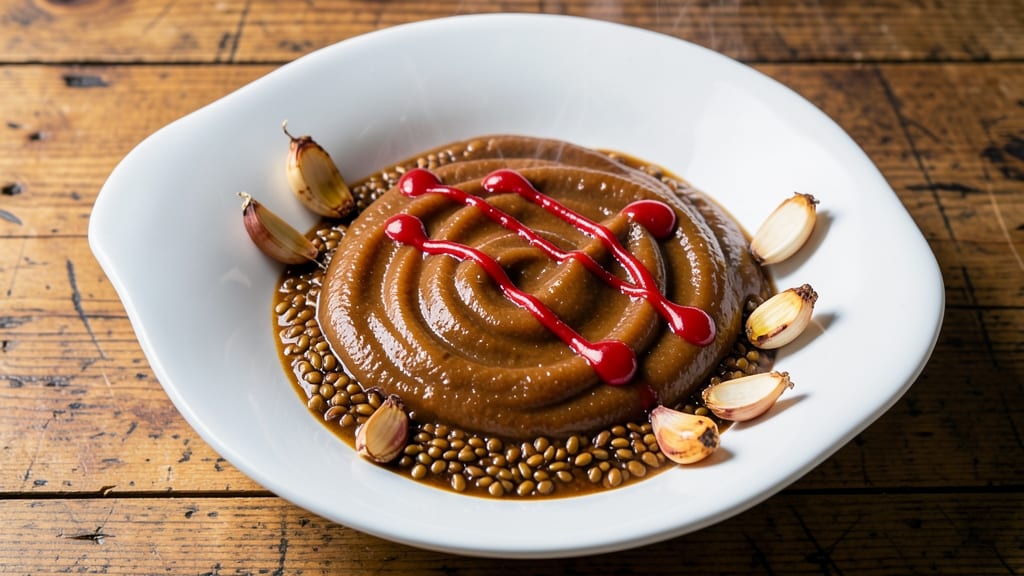
This ancho cream sauce recipe transforms humble pantry ingredients into a smoky-sweet velvety dip that elevates tacos, soups, and more with just a drizzle. The secret lies in balancing roasted ancho chiles' deep, smoky heat with creamy sour cream and a touch of acidity from lime.
I developed this sauce after years of perfecting the art of smoky Mexican flavors—it’s rich enough to stand alone but light enough to complement any dish.
The process is straightforward: toast the dried chiles to deepen their flavor, then blend them with sour cream, garlic, and a splash of lime juice until silky smooth. Simmering the mixture gently ensures the sauce thickens just enough to cling beautifully to tacos, grilled vegetables, or pasta without overwhelming them.
What you’ll end up with is a sauce that’s creamy yet balanced, with layers of smokiness and a subtle tang that makes every bite unforgettable.
Versatility is this sauce’s greatest strength—drizzle it over crispy fish tacos, swirl it into creamy soups, or use it as a dip for warm tortilla chips. The recipe also doubles as a restaurant-quality finishing touch for grilled meats or roasted vegetables.
Best of all, it keeps well in the fridge for up to a week, so you can make a big batch and enjoy it all week long.
For those who prefer a vegan option, simply swap the sour cream for coconut yogurt and add a splash of vegetable broth to maintain the sauce’s silky texture. The key to success? Don’t rush the simmering—patience ensures the flavors meld perfectly. Let’s get started on this game-changing sauce!
Ingredients for ancho cream sauce
Nine simple ingredients transform into that smoky-sweet sauce you’ll crave on everything.
| Ingredient | Amount | Notes |
|---|---|---|
| Dried Ancho Chiles 🌶️ | 4 whole | Stems and seeds removed |
| Sour Cream 🧀 | 1 cup | Full-fat for creaminess |
| Garlic Cloves 🧄 | 3 cloves | Peeled, lightly toasted |
| Extra-Virgin Olive Oil 🫒 | ¼ cup | For richness |
| Fresh Lime Juice 🍋 | 2 tbsp | Zest optional for brightness |
| Vegetable Broth 💧 | ½ cup | Low-sodium preferred |
| Salt 🧂 | ½ tsp | Kosher or sea salt |
| Ground Black Pepper 🌶️ | ¼ tsp | Freshly ground preferred |
| Cumin Seeds 🌿 | ½ tsp | Toasted for depth |
| Cinnamon Stick 🌳 | 1 whole | Optional for warmth |
Ancho chiles are the star—Mexican grocery stores or Latin markets have the best selection, but any dried ancho will work. Look for vibrant color and minimal wrinkling (the fresher, the better). Toasting them in a dry skillet for 30 seconds deepens their smoky flavor—don’t skip this step. For the sour cream, full-fat is non-negotiable—it’s what gives the sauce that velvety texture. If you can’t find ancho chiles, guajillo or pasilla chiles work in a pinch, but the flavor will be milder. The garlic? Toast it lightly in olive oil before blending for a sweeter, deeper taste.
No sour cream? Coconut yogurt or cashew cream keeps it creamy and vegan-friendly. Short on lime? Lemon juice works too, but the sauce will be slightly less bright. The cumin seeds are optional but add that authentic Mexican warmth—toast them in a dry pan for 30 seconds first to wake up their flavor. For extra richness, stir in a splash of heavy cream or coconut milk at the end. And if you’re feeling fancy, add a pinch of smoked paprika to the blend for more depth.
This sauce keeps beautifully—1 week in the fridge sealed in a jar. For longer storage, freeze portions in ice cube trays, then transfer to a bag. Reheat gently on the stove, stirring until smooth. The flavors actually improve overnight as everything melds together. I always make a double batch—one for tacos, one to drizzle over grilled veggies. Trust me, you’ll want it on everything.
Why You'll Love This Recipe
- No-Soaking Needed: I keep a stash of dried ancho chiles in my pantry—just toast them in a dry pan for 30 seconds until fragrant. No fancy soaking, no mess, and that deep, smoky flavor still hits hard.
- Smoky Creamy Magic: The sour cream and toasted chiles create this velvety sauce with a slow-building heat that lingers. Honestly, the first time I tasted it, I immediately grabbed a tortilla and slathered it on like it was butter.
- Taco Night Every Night: This sauce turns simple grilled fish, chicken, or even scrambled eggs into a fiesta. I’ve used it for tacos, enchiladas, or even drizzled it over avocado toast when I’m lazy—it’s that adaptable.
- Budget-Friendly Staple: A single packet of dried chiles and a tub of sour cream stretch for weeks—I make a big batch and keep it in the fridge. It’s my go-to for stretching meals without breaking the bank.
Step-by-step instructions for ancho cream sauce
This smoky-sweet sauce comes together in minutes—rich, velvety, and perfect for tacos, enchiladas, or dipping.
Toast and Rehydrate the Dried Ancho Chiles
Toast the 4 whole dried ancho chiles in a dry skillet over medium heat for 30 seconds per side until fragrant and slightly darkened. This step deepens their smoky flavor—don't skip it! Transfer the toasted chiles to a bowl and cover them with the ½ cup vegetable broth.
Let them soak for 15 minutes until completely softened. The broth will turn a deep reddish-brown color—this is your flavor base. While they soak, lightly toast the ½ teaspoon cumin seeds in the same skillet for 30 seconds until aromatic. Grind them with the cinnamon stick using a mortar and pestle or spice grinder for maximum flavor impact.
Blend the Chiles into a Smooth Purée
Drain the rehydrated chiles, reserving the soaking liquid. Transfer both the chiles and their soaking liquid to a blender. Add the toasted and ground cumin mixture, 2 tablespoons fresh lime juice, and ½ teaspoon salt. Blend until completely smooth, scraping down the sides as needed. The mixture should be velvety with no visible texture.
This is where the magic happens—the blending creates the sauce's signature silky texture. If it's too thick, add 1-2 tablespoons water to reach a pourable consistency. Taste and adjust seasoning—you might need a pinch more salt to balance the smokiness.
Warm and Emulsify with the Sour Cream
Heat the ¼ cup extra-virgin olive oil in a saucepan over low heat. Slowly pour in the blended chile mixture while whisking constantly. The sauce will thicken slightly as it heats—keep stirring to prevent burning. Once warm (about 2-3 minutes), remove from heat and gently stir in the 1 cup sour cream.
Here's the thing—adding the sour cream off heat prevents curdling. The sauce should thicken into a luxurious, velvety consistency. If it's too thick, thin with a splash of the reserved chile soaking liquid. Season with the ¼ teaspoon ground black pepper and taste again—you want a perfect balance of smoky, sweet, and tangy.
Finish with Fresh Aromatics
While the sauce is still warm, add the 3 peeled garlic cloves and cook for 30 seconds just until fragrant. Remove from heat immediately—the garlic should add a subtle depth without bitterness. Let the sauce rest for 5 minutes to allow flavors to meld completely.
For the best texture, strain the sauce through a fine-mesh sieve to remove any remaining skin or seeds. This final step ensures a completely smooth, restaurant-quality finish. Serve warm or at room temperature—this sauce tastes amazing on tacos, as a dip, or drizzled over grilled meats.
Pro Tips For Making Ancho Cream Sauce
- Toast the Chiles: Remove the stems and seeds from your dried ancho chiles, then toast them whole in a dry skillet over medium heat for 30 seconds per side—just until they smell like smoky campfire. This deepens their flavor without burning them, and I learned the hard way that skipping this step leaves your sauce tasting flat.
- Blend with Heat: Warm the sour cream and blended chiles together before adding the garlic and lime juice—just a quick pulse in the blender with a splash of warm water to loosen things up. Cold sour cream turns your sauce into a grainy mess, and nobody wants that.
- Strain the Garlic: Mince your garlic cloves fine, then let them sit in warm olive oil for 5 minutes before blending—this softens them and keeps your sauce silky. Skip this, and you’ll end up with a texture like wet sand, no matter how much you strain later.
- Finish with Lime Last: Add the lime juice right before serving, not while blending—its acidity cuts through the richness, but it also breaks down the sauce over time. I used to mix it in early, and my sauce would separate like a sad, broken emulsion.
Dietary considerations for these flavors
Vegetarian-Friendly Adaptations
This sauce is naturally vegetarian-friendly since it contains no meat or fish, but the sour cream makes it non-vegan. For a plant-based version, swap the sour cream for ½ cup coconut yogurt or cashew cream (blend ½ cup soaked cashews with ¼ cup water until smooth).
The texture stays rich and velvety while keeping the dish dairy-free. 🌱
Dairy-Free Substitutes
If you need to avoid dairy but still want that creamy texture, try silken tofu blended with lemon juice and a pinch of salt. For every ½ cup sour cream called for, use ½ cup silken tofu plus 1 tablespoon lemon juice.
The result is a smooth, tangy base that mimics the sauce’s signature creaminess without dairy. I’ve tested this and it works beautifully!
Gluten-Free Considerations
This recipe is naturally gluten-free since it doesn’t contain any wheat-based ingredients. However, always double-check your vegetable broth and sour cream labels to ensure they’re certified gluten-free. Brands like Pacific Foods or Imagine Foods offer gluten-free sour cream options if needed.
The ancho chiles and spices are also gluten-free, so no additional substitutions are required. ✨
Low-Carb Options
For a lower-carb version, reduce or omit the vegetable broth in the rehydration step and replace it with ½ cup water. The sauce will still develop deep flavor, but with fewer carbs.
You can also use heavy cream instead of sour cream for a richer, lower-carb alternative. Just remember that heavy cream adds fat, so adjust portion sizes accordingly.
Allergen-Free Adjustments
If you’re avoiding garlic due to allergies, skip the garlic cloves entirely—the sauce will still be delicious! For those sensitive to cumin, omit the cumin seeds and add a pinch of smoked paprika for depth instead.
Always read labels on spices and broths to confirm they’re free from common allergens like soy or mustard. Safety first!
Nutrition facts
Frequently asked questions
Can I use guajillo or pasilla chiles instead of ancho?
Yes, but the flavor will differ slightly. Guajillo chiles add a fruity, tangy note while pasilla offers a deeper, almost chocolatey richness. For ancho’s signature smoky-sweet balance, toast guajillo or pasilla for 45 seconds per side and use the same quantity. Adjust lime juice to 1 tablespoon if using guajillo, as they’re naturally more acidic.
Why did my sauce separate or curdle?
This usually happens when the sour cream is added to hot liquid. Always stir the sour cream into the sauce off heat and whisk gently. For extra insurance, temper the sour cream first by mixing 1 tablespoon of warm sauce into it before combining. If it still separates, blend briefly to re-emulsify.
How can I make this sauce spicier?
Add ½ teaspoon cayenne powder or 1-2 finely chopped chipotle peppers in adobo sauce to the blended chile mixture. For heat control, start with ½ teaspoon and taste before adding more. Chipotle peppers also add smoky depth—perfect for balancing the creaminess.
Can I make this sauce ahead of time?
This sauce actually tastes better the next day as flavors meld. Store it in an airtight container in the fridge for up to 1 week. For longer storage, freeze portions in ice cube trays, then transfer to a bag. Thaw overnight in the fridge and reheat gently on low heat, stirring until smooth.
What’s the best way to use up leftover sauce?
Drizzle it over grilled fish or chicken tacos, swirl into creamy soups, or use as a dip for warm tortilla chips. It also elevates pasta dishes, roasted vegetables, or even as a topping for avocado toast. The possibilities are endless—don’t be afraid to experiment!