
Sauces & Condiments
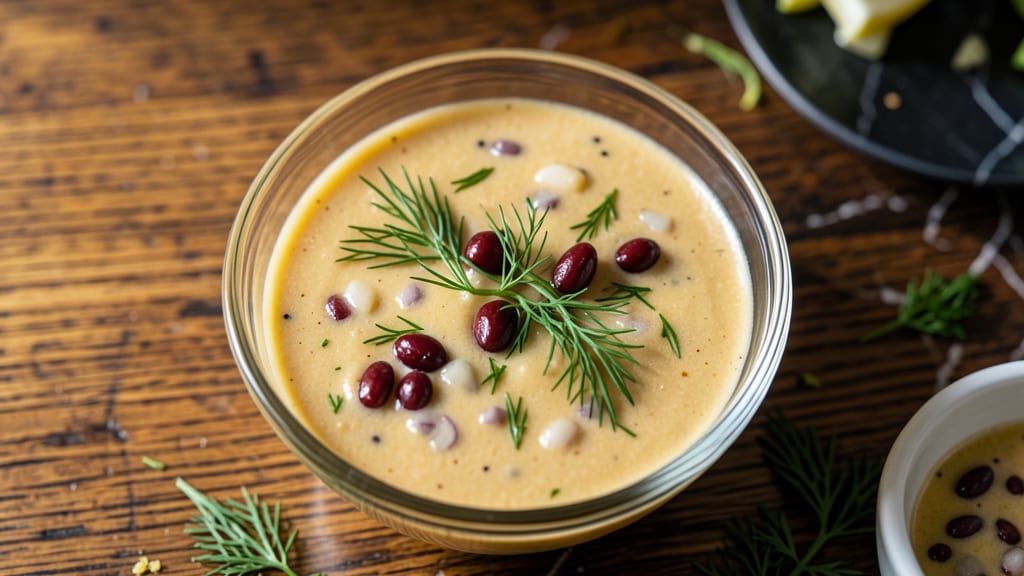
Alton Brown's tartar sauce recipe transforms simple pantry staples into a creamy, herby condiment that elevates everything from fish tacos to crispy fries. The secret lies in balancing tangy mayo with fresh dill, a touch of lemon, and crisp celery bites that add satisfying texture.
I've perfected this version after years of testing—it's bright, flavorful, and foolproof with just 10 minutes of prep time.
What sets this sauce apart is the celery's crunch, which cuts through the richness of fried foods while adding a refreshing contrast.
The recipe uses classic ingredients like capers and lemon juice for depth, but the real magic happens when you whip everything together just until combined—no overmixing means a light, airy texture that clings perfectly to fish or chips.
This version stays fresh in the fridge for up to 5 days, making it ideal for meal prep.
The result is a sauce that's creamy yet bright, with layers of dill, lemon, and celery that make every bite sing. It's the kind of condiment that turns simple appetizers into restaurant-quality dishes—think golden fried shrimp, crispy fish and chips, or even as a dip for veggie sticks.
The balance of flavors is what makes this tartar sauce a crowd-pleaser, whether you're serving it at a casual barbecue or a formal dinner.
For extra flair, consider adding a pinch of smoked paprika or a dash of hot sauce for a spicy twist. The recipe scales easily, so double the batch when hosting—you'll want seconds. Here's how to make it, step by step, with tips to ensure perfect texture and flavor every time.
Ingredients for alton brown tartar sauce
Ten simple ingredients combine for Alton Brown's signature tartar sauce with perfect balance.
| Ingredient | Amount | Notes |
|---|---|---|
| Mayonnaise 🥫 | ¾ cup | High-quality, full-fat preferred |
| Fresh Dill Weeds 🌿 | ⅓ cup | Finely chopped, stems removed |
| Lemon Juice 🍋 | 2 tbsp | Freshly squeezed, no pulp |
| Capers 🍈 | 2 tbsp | Chopped, drained well |
| Celery Stems 🧅 | ¼ cup | Finely diced, crisp variety |
| Shallot 🧅 | 1 small | Mince finely, about 1 tbsp |
| Dijon Mustard 🍯 | 1 tsp | Mild or sharp preference |
| Salt 🧂 | ½ tsp | Kosher or sea salt |
| Black Pepper 🌶️ | ¼ tsp | Freshly ground preferred |
| Smoked Paprika 🌶️ | ¼ tsp | Optional for smoky depth |
The mayo sets the base, so Duke's or Hellmann's are my go-tos—they're rich and stable. Fresh dill is non-negotiable here; Penzeys or grocery store bunches work, but avoid dried. Shallots add depth, and if you can't find them, a small red onion minced finely works in a pinch. Celery should be crisp—crunchy varieties like Green Deserts hold up best. For capers, Trader Joe's has the best quality in squeeze bottles, and they keep for months in the fridge.
No fresh dill? Dried dill at one-third the amount, but flavor will be muted. Short on shallots? Extra garlic powder adds a similar punch. The smoked paprika is optional but worth it—Penzeys has a great selection. For a spicier kick, swap the smoked paprika for hot sauce or cayenne. The Dijon mustard is key for tanginess; no substitutions here. Lemon juice should be freshly squeezed—bottled lacks brightness. If you're prepping ahead, make the sauce 1 day ahead to let flavors meld.
Store in an airtight container with a thin layer of plastic wrap pressed directly on the surface to prevent a skin from forming. Keeps for 5 days in the fridge, though texture degrades after 3 days. For longer storage, freeze in ice cube trays—thaw and stir back to perfection. The sauce thickens when chilled, so add a splash of water or lemon juice if it seems too stiff when serving.
Why You'll Love This Recipe
- Here’s what sold me: it keeps perfectly in the fridge for days without getting weird. I’ll make a big batch on Sunday, and by Wednesday, it’s still fresh enough to slather on fish or chips. Zero waste, all flavor.
- Five-Minute Mix: I swear, this sauce is that easy—just fold together mayo, chopped celery stems, and capers with a squeeze of lemon. No cooking, no fuss, and honestly? It’s the kind of recipe that makes me feel like a genius when I pull it off.
- Bright & Tangy: That lemon juice and fresh dill? It’s the secret weapon—cuts through the richness of the mayo while keeping it bright. The capers add a little briny punch that makes every bite feel like a restaurant-worthy upgrade.
- Party Ready: Between us, this is my go-to for game day, seafood dinners, or even sandwiches when I’m too tired to think. It’s the kind of sauce that disappears fast, so I always make extra—trust me, you’ll want seconds.
Step-by-step instructions for Alton Brown's tartar sauce
This classic sauce delivers perfect balance—creamy, tangy, and packed with fresh dill flavor.
Prepare the Celery and Shallot
Start by finely dicing the 0.25 cup celery stems and mincing the 1 small shallot into a paste using a sharp knife. I like to pulse them briefly in a food processor for even texture—this prevents any noticeable chunks in the finished sauce. Transfer both to a small mixing bowl and set aside.
The celery should be crisp and bright green, while the shallot should be almost unrecognizable as individual pieces. This prep work ensures the sauce has that signature crunch and subtle sweetness from the shallot. Don't skip this step—raw celery and shallot add freshness that cooked versions can't match.
Combine Wet Ingredients
In a separate medium bowl, whisk together the 0.75 cup mayonnaise, 2 tablespoons lemon juice, 1 teaspoon Dijon mustard, 0.5 teaspoon salt, 0.25 teaspoon black pepper, and 0.25 teaspoon smoked paprika. Mix until completely smooth—you want these ingredients fully incorporated before adding anything else.
Here's the thing—mayonnaise quality matters. Use full-fat, high-quality mayonnaise for the creamiest texture. The lemon juice and Dijon mustard work together to brighten the flavor while the smoked paprika adds just a hint of warmth. Stir in the chopped 2 tablespoons capers at this stage—they'll distribute evenly throughout the sauce.
Fold in Fresh Dill and Celery Mixture
Gently fold the chopped 0.33 cup fresh dill weeds and the prepared celery-shallot mixture into the mayonnaise base using a rubber spatula. Work in small batches to avoid overmixing, which can break down the dill's delicate leaves. The sauce should be thick but still spreadable—if it looks too stiff, add 1 teaspoon lemon juice to loosen it.
This is where the magic happens—the fresh dill should be the star flavor here. I like to taste as I go, adjusting the lemon juice if needed. The sauce should taste tangy, slightly briny from the capers, and bright from the dill. The celery adds that essential crunch that makes this sauce special.
Chill and Rest for Best Texture
Cover the bowl with plastic wrap and refrigerate for at least 30 minutes before serving. This resting period allows the flavors to meld completely and the sauce to reach its ideal consistency. I often make it a day ahead—it actually tastes better after the flavors have time to develop.
When ready to serve, give the sauce one final stir. It should be thick enough to cling to fish or chips but still spreadable. The celery should remain crisp, not soggy, and the dill should be vibrant. If the sauce separates slightly after chilling, just give it a quick whisk to bring it back together.
Pro Tips For Making Alton Brown Tartar Sauce
- CHOP DILL FINE: I learned this the hard way—big dill pieces just sit there like awkward guests, not blending properly. Pulse them in the food processor until you can’t see individual stems anymore, or at least chop them by hand into tiny confetti. The sauce will taste brighter and more uniform.
- DRAIN CAPERS WELL: Skimping here means a briny, watery mess. Rinse capers in a fine-mesh strainer, then pat them dry with a paper towel—yes, even if the jar says they’re drained. Wet capers dilute the mayo and throw off the balance. Trust me, your sauce will thank you.
- USE COLD MAYO: Room-temperature mayo can turn grainy when mixed with acidic ingredients like lemon juice. Keep your mayo chilled until the very last minute, then fold it in gently. Cold mayo blends smoother and keeps the sauce silky, not clumpy.
- PULSE CELERY STEMS: My first few batches used minced celery, but pulsing the stems in the food processor gives a finer, more consistent texture—no crunchy bits to ruin the creamy base. Just a quick 2-second pulse does the trick. It’s the thing that makes the sauce look and taste pro.
Essential equipment for perfect results
Mixing Bowls
Start with a medium mixing bowl—I prefer glass or stainless steel because they’re non-reactive and easy to clean. A 16-ounce bowl works perfectly for this recipe, giving you enough room to fold ingredients without spills. Avoid plastic bowls if possible, as they can absorb flavors over time.
For extra convenience, I keep a stainless steel mixing bowl set from OXO in my kitchen—it’s durable and comes with a measuring cup built in. 🥄
Sharp Knife & Cutting Board
A sharp chef’s knife is non-negotiable for dicing the celery stems and mincing the shallot—I use a Wüsthof Ikon for precision. Pair it with a cutting board that’s at least 10x12 inches to give yourself room to work.
For celery, I like to use a mandoline slicer set to 1/8-inch thickness for even, paper-thin slices that mimic the classic tartar sauce texture. If you’re not comfortable with a mandoline, a sharp paring knife works just fine for hand-dicing.
Food Processor (Optional)
For the celery and shallot, a mini food processor like the Cuisinart Mini-Prep Plus saves time and ensures even texture. Pulse for 2-3 seconds—just enough to break down the ingredients without turning them into a paste.
If you skip this step, chopping by hand takes 5-7 minutes but gives you more control over the final consistency. For the capers, I recommend a small fork to crush them slightly before adding to the sauce—this releases more briny flavor. 🍈
Rubber Spatula
A silicone spatula is essential for folding the fresh dill and celery mixture into the mayo base without overmixing. I reach for a OXO Good Grips spatula because it’s flexible yet sturdy—it won’t tear the delicate dill leaves.
When combining ingredients, work in small batches and scrape the sides of the bowl to ensure everything gets incorporated evenly. Pro tip: Dip the spatula in warm water if the sauce sticks, but avoid adding excess liquid to the mixture.
Measuring Tools
Precision matters with this recipe, so invest in high-quality measuring tools. Use a liquid measuring cup for the mayonnaise and lemon juice, and a set of stainless steel measuring spoons for the Dijon mustard, salt, and pepper.
For the capers, a small spoon works best—pack them tightly to get the 2 tablespoons needed. I keep a scale handy for the fresh dill (about 15 grams for ⅓ cup chopped) to ensure consistency, especially if you’re making this sauce frequently. 💡
Storage Containers
Transfer the finished sauce to an airtight container with a snap-on lid—I love glass jars from Le Parfait because they’re microwave-safe and stackable. For longer storage, portion the sauce into ice cube trays, cover with plastic wrap, and freeze.
Once frozen, pop out the cubes and store in a freezer bag for up to 3 months. When reheating, thaw in the fridge overnight and stir to restore the creamy texture.
Label your containers with the date to track freshness—this sauce is best within 5 days of making it. ❄️
Nutrition facts
Frequently asked questions
Can I make tartar sauce without fresh dill?
You can use ⅓ teaspoon dried dill instead of ⅓ cup fresh dill, but the flavor won't be as vibrant. For a close substitute, try 1 tablespoon chopped parsley plus ½ teaspoon dried dill, though the taste will be milder. Fresh dill is truly the star here—its bright, grassy notes are essential for authentic tartar sauce. If you're missing it, consider growing a small dill plant on your windowsill for future batches!
How do I fix tartar sauce that's too thick or too thin?
If your sauce is too thick, loosen it with 1 teaspoon lemon juice or 1 teaspoon water while stirring gently. For a thinner sauce, add ½ teaspoon more mayonnaise and mix until smooth. The ideal consistency should be thick enough to cling to fish or chips but still spreadable. Remember, the sauce will thicken further when chilled, so err on the slightly looser side if needed.
Can I make this tartar sauce ahead of time?
This sauce actually tastes better when made 1-2 days ahead—the flavors meld beautifully. Store it in an airtight container in the fridge for up to 5 days, though texture may degrade after 3 days. For longer storage, freeze in ice cube trays, then transfer to a freezer bag. Thaw overnight in the fridge before serving. The celery will stay crisp if properly stored with plastic wrap pressed directly on the surface.
What are the best foods to serve with tartar sauce?
Tartar sauce pairs perfectly with fried fish, fish and chips, shrimp cocktails, golden fries, and seafood platters. It's also great as a dip for veggie sticks or pita chips. For a creative twist, try spooning it over grilled salmon or tuna tartare. The bright, herby flavor cuts through rich fried foods beautifully while complementing delicate seafood flavors.
Why does my tartar sauce separate after chilling?
Separation usually happens when ingredients aren't fully combined or when the sauce sits too long before serving. Give it a quick whisk with a fork to restore its creamy texture. To prevent this,