
Sauces & Condiments
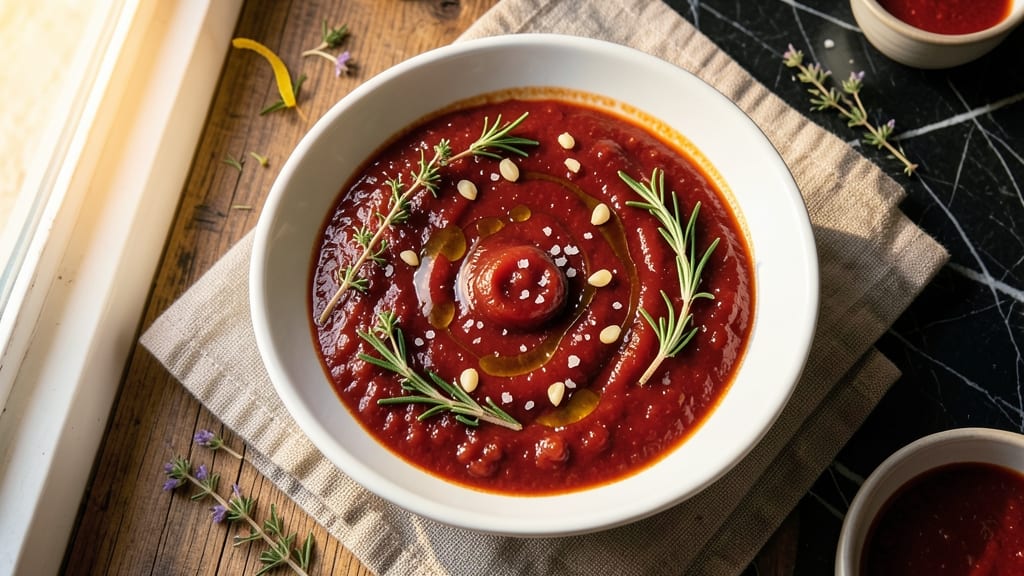
This Alpine pizza sauce recipe transforms simple tomato into a fragrant, herb-forward sauce that skips the sugar crash while delivering bold Alpine-inspired flavor.
The secret lies in slow-cooked garlic, fresh rosemary, and thyme—herbs traditionally used in Swiss mountain cuisine—to create a tangy, aromatic base that elevates any pizza or pasta dish.
Unlike heavy, sweet sauces, this version relies on natural tomato acidity and olive oil for richness, making it as versatile as it is delicious.
The beauty of this sauce is its simplicity: just five core ingredients—tomato, garlic, herbs, olive oil, and a touch of salt—work together to build deep, layered flavor.
The garlic infuses the sauce with a subtle sweetness, while the herbs add a piney, earthy complexity that bridges the gap between Italian and Alpine traditions. Unlike store-bought options, this sauce develops richer taste the longer it sits, making it perfect for meal prep or freezing for future use.
What sets this recipe apart is its balance of tang and depth—no added sugar means the natural acidity of the tomatoes shines through, while the herbs and olive oil add a luxurious finish.
It’s ideal for pizza, but also works as a dipping sauce for crusty bread or a quick pasta topping. The sauce thickens slightly as it cools, creating a velvety texture that clings beautifully to any dish.
Store it in an airtight container in the fridge for up to 5 days or freeze for 3 months—its flavor only improves with time. Whether you’re making a rustic Alpine-style pizza or simply need a sophisticated sauce for weeknight meals, this recipe delivers restaurant-quality results with minimal effort.
Ready to transform your next dish?
Ingredients for alpine pizza sauce
Five ingredients transform ordinary pizza sauce into Alpine-inspired aromatic perfection.
| Ingredient | Amount | Notes |
|---|---|---|
| San Marzano Tomato Paste 🍅 | ½ cup | High-quality, no sugar added |
| Garlic Cloves 🧄 | 6 whole | Peeled, lightly crushed |
| Extra-Virgin Olive Oil 🫒 | ⅓ cup | Fruity, not bitter |
| Fresh Rosemary 🌿 | 2 tbsp | Finely chopped leaves only |
| Fresh Thyme 🌿 | 1 tbsp | Leaves stripped from stems |
| Sea Salt 🧂 | ½ tsp | Diamond Crystal preferred |
| Red Wine Vinegar 🍷 | 1 tbsp | For brightness |
| Water 💧 | ¼ cup | For thinning consistency |
The San Marzano tomatoes are non-negotiable here—their natural sweetness and low acidity create the perfect base without sugar. Trader Joe's and Whole Foods carry them in cans, but if you can't find them, any high-quality tomato paste will work. The garlic deserves special attention: slow-cook it in the olive oil until golden for that subtle sweetness the intro promises. Fresh rosemary and thyme from the grocery store's refrigerated section (not dried) add that Alpine piney depth—look for vibrant green leaves, not wilted stems. The olive oil should be fruity, not peppery, to complement the herbs without overpowering them.
No San Marzano? Crushed tomatoes with seeds removed work in a pinch, but you'll need about 1 cup total for the same richness. Short on rosemary? Dried at one-third the amount gets you close, though fresh is ideal. The red wine vinegar can be swapped for lemon juice at half the amount, but it won't have the same depth. For the olive oil, avocado oil works too—just avoid refined versions that lack flavor. The water is purely for consistency; if your sauce is already thin, skip it entirely.
This sauce thickens beautifully as it cools, so strain it after cooking if you prefer a silky texture. Keeps in an airtight container in the fridge for 5 days, though its flavor actually improves after 2 days as the herbs mellow. Freezes perfectly for 3 months—portion into ice cube trays for single-use servings. The sauce pairs best with wood-fired crusts or as a dipping sauce for freshly baked focaccia
Why You'll Love This Recipe
- Five-Ingredient Magic: This sauce is ridiculously simple—I’m talking one pot, no chopping, and ingredients you already own. The trick? Just simmer San Marzano paste with garlic and herbs until it’s thick enough to coat the back of a spoon. No peeling, no straining, no fuss.
- Herb-Packed Punch: That rosemary-thyme combo? It’s like a little alpine hug in every bite. The olive oil keeps it silky while the garlic adds depth, but honestly, the San Marzano paste carries the whole thing—sweet, tangy, and never watery. Spread it on crust, toss it with greens, or drizzle it over eggs. It’s that good.
- Weeknight to Weekend: Between us, this sauce is my secret weapon for lazy nights and fancy dinners. Use it on pizza, as a marinade for chicken, or even a quick pasta sauce. (Yes, even on a Tuesday night.) It keeps well in the fridge for up to a week, so you’re always covered—no last-minute grocery runs.
- Budget-Friendly Luxury: San Marzano paste might sound fancy, but it’s cheaper than jarred sauce and way fresher. A single can stretches across multiple meals, and the herbs add a gourmet touch without breaking the bank. Plus, no weird preservatives—just real, flavorful ingredients that taste like you put in effort. (Spoiler: You didn’t have to.)
Step-by-step instructions for Alpine pizza sauce
This herbal garlic sauce delivers bright Alpine flavor without the sugar crash.
Bloom the Herbs in Olive Oil
Heat the 0.33 cup extra-virgin olive oil in a medium saucepan over medium-low heat. Add the 2 tablespoons finely chopped fresh rosemary and 1 tablespoon fresh thyme leaves and cook for 2-3 minutes until the herbs release their aromatic oils and the oil becomes fragrant. You'll notice the kitchen filling with that piney, earthy scent—this is your signal the herbs are properly infused.
Watch the oil carefully—it should remain shimmering but not smoking. If it starts to bubble vigorously, reduce the heat slightly. The goal is to coax out the essential oils without burning the delicate herb flavors. Remove the pan from heat once the herbs are fragrant, but leave the herbs in the oil for now—they'll continue to infuse during the next steps.
Sauté the Garlic Until Golden
Return the pan to medium heat and add the 6 whole peeled garlic cloves. Cook for 3-4 minutes, stirring occasionally, until the garlic becomes golden brown around the edges but doesn't burn. You want it to develop a nutty, toasted flavor rather than a bitter char. If the garlic starts to darken too quickly, reduce the heat to medium-low and give it more time.
This slow toasting is crucial—it transforms the garlic from raw to aromatic without turning bitter. The edges should look crispy while the centers remain soft. Remove the garlic cloves with a slotted spoon and set them aside for later use. Leave the fragrant oil in the pan as the foundation for your sauce.
Build the Sauce Base
Return the pan to medium heat and add the 0.5 cup San Marzano tomato paste, stirring constantly to prevent burning. Cook for 3-4 minutes until the tomato paste darkens slightly and becomes glossy. This development of color indicates the paste is breaking down and releasing its full flavor potential.
Add the 1 tablespoon red wine vinegar and 0.5 teaspoon sea salt, stirring to combine. The vinegar will brighten the sauce with a subtle acidity, while the salt enhances all the flavors. Let the mixture simmer for 1 minute to allow the salt to fully dissolve and the vinegar to integrate completely.
Finish with Water and Garlic
Pour in the 0.25 cup water and stir vigorously to create a smooth, velvety sauce. Add the golden brown garlic cloves back to the pan and simmer for 2-3 minutes until everything is heated through and the sauce reaches your desired consistency. The sauce should coat the back of a spoon but remain pourable—if it's too thick, add 1 tablespoon water at a time until it reaches the right texture.
Taste and adjust the seasoning if needed. The sauce should be bright, herbal, and slightly tangy with no sweetness. Let it cool slightly before using on pizza—this allows the flavors to meld completely. The sauce will thicken as it cools, so don't worry if it looks slightly runny when hot.
Pro Tips For Making Alpine Pizza Sauce
- Bloom the Garlic First: Toss your minced garlic in the olive oil for 30 seconds before adding the tomato paste—just until it turns translucent and smells like heaven. I used to burn it every time, but this step keeps it fragrant without turning bitter (yes, even if you're impatient like me).
- Simmer Low and Slow: After adding the tomato paste, drop the heat to a bare simmer and let it cook for at least 15 minutes. I learned this the hard way—rushing it leaves the sauce thin and one-note. Low and slow lets the flavors meld, especially that rosemary’s piney kick.
- Toast the Herbs Whole: Tear your rosemary and thyme sprigs, then crisp them in the oil for 30 seconds before adding anything else. The aroma hits the sauce instantly, and you avoid the sad, mushy herbs that sink to the bottom. (Your future self will thank you.)
- Thin with Water, Not Oil: Need to adjust the consistency? Use hot water, not olive oil—it keeps the sauce balanced and bright. I used to drown it in oil for richness, but it turned greasy. A splash of water (1-2 tablespoons) fixes it without overpowering the tomatoes.
Health benefits of these flavors
Herbal Antioxidant Boost
This Alpine pizza sauce is packed with rosemary and thyme, two herbs renowned for their antioxidant properties. Rosemary contains carnosic acid, which has been shown to protect cells from damage and improve memory function—perfect for brain health.
Thyme contributes flavonoids that support immune function and reduce inflammation. Together, these herbs create a flavor profile that’s as beneficial for your body as it is delicious on your plate. 🌿
Low-Sugar, High-Flavor
The absence of added sugar makes this sauce a diabetic-friendly option while still delivering bold flavor. The natural sweetness comes from slow-cooked garlic and the San Marzano tomatoes, which provide a balanced acidity without spiking blood sugar.
Even those watching their sugar intake will find this sauce satisfying and versatile for any meal. The red wine vinegar adds brightness without calories, making it a guilt-free addition to your cooking repertoire.
Healthy Fats for Absorption
The extra-virgin olive oil in this recipe isn’t just for flavor—it’s a heart-healthy fat that enhances nutrient absorption. Olive oil contains monounsaturated fats, which support cholesterol levels and reduce the risk of heart disease.
It also helps your body absorb the fat-soluble vitamins (like vitamin A) from the tomatoes, maximizing the nutritional benefits of the sauce. Just 0.33 cup provides a satisfying richness without the heaviness of butter or cream.
Digestive Benefits
The garlic in this sauce offers more than just flavor—it’s a natural prebiotic that supports gut health by feeding beneficial gut bacteria. Garlic also contains allicin, a compound with antimicrobial properties that may help reduce inflammation in the digestive tract.
The red wine vinegar adds probiotic benefits, further supporting digestion and nutrient absorption. Together, these ingredients create a sauce that’s as good for your gut as it is for your taste buds.
Versatile Nutrition
This sauce is low in calories but high in flavor, making it ideal for weight-conscious eaters. A ¼-cup serving contains just 50-60 calories, yet delivers a punch of vitamin C from the tomatoes and antioxidants from the herbs.
The sea salt provides essential minerals like sodium and chloride, while the water keeps it light and hydrating. It’s a perfect example of how simple ingredients can create a nutritious, satisfying sauce for any dish.
Meal Prep Advantage
Unlike many sauces that lose flavor when stored, this Alpine pizza sauce improves with time. The herbs continue to infuse their benefits into the sauce, making it even more nutritious after 2-3 days in the fridge.
Freezing preserves these benefits, so you can enjoy the antioxidant and digestive benefits of rosemary and thyme long after making the sauce. It’s a one-batch, multi-meal solution that keeps your dishes both delicious and healthful. ✨
Nutrition facts
Frequently asked questions
Can I use dried herbs instead of fresh?
Yes, but adjust the amounts! Use 1 teaspoon dried rosemary and 0.5 teaspoon dried thyme for every 1 tablespoon fresh. The key is to bloom the dried herbs in the olive oil for 5 minutes at low heat to release their full flavor. Fresh herbs have more vibrant flavor, but dried works in a pinch—just don't skip the blooming step!
How do I adjust the thickness?
If your sauce is too thick, add 1 tablespoon water at a time while stirring. For a thicker sauce, simmer uncovered for 5-10 extra minutes to reduce. The sauce will naturally thicken as it cools, so don't worry if it looks runny when hot. For pizza, a slightly thinner consistency works best—it spreads evenly without making the crust soggy.
What makes this Alpine-inspired?
The Alpine influence comes from the herbal combination of rosemary and thyme—classic Swiss/French mountain herbs—and the slow-cooked garlic that adds depth without sweetness. Unlike Italian pizza sauces, this version skips sugar and relies on natural acidity from red wine vinegar, creating a bright, herbal profile inspired by Alpine cuisine's love of fresh herbs and simple preparations.
Can I make this sauce in a slow cooker?
Combine all ingredients in your slow cooker on low heat for 2-3 hours, stirring occasionally. The long cook time enhances the garlic and herb flavors even more. For a quicker version, use high heat for 1 hour. Just watch the water content—you may need to add 1 tablespoon water if it gets too thick. The slow cooker method is perfect for meal prep!
Why does my sauce taste bitter?
Bitter flavor usually means the garlic burned or the tomato paste cooked too long. Next time, remove the garlic when it's just golden (not brown) and stir the tomato paste constantly. For a quick fix, add 1 teaspoon honey or maple syrup to balance the bitterness, or a splash of lemon juice to brighten the sauce. Always taste as you go—this sauce should be bright, herbal, and tangy, not bitter!